Understanding the Endocrine System and Its Role in Hormone Coordination
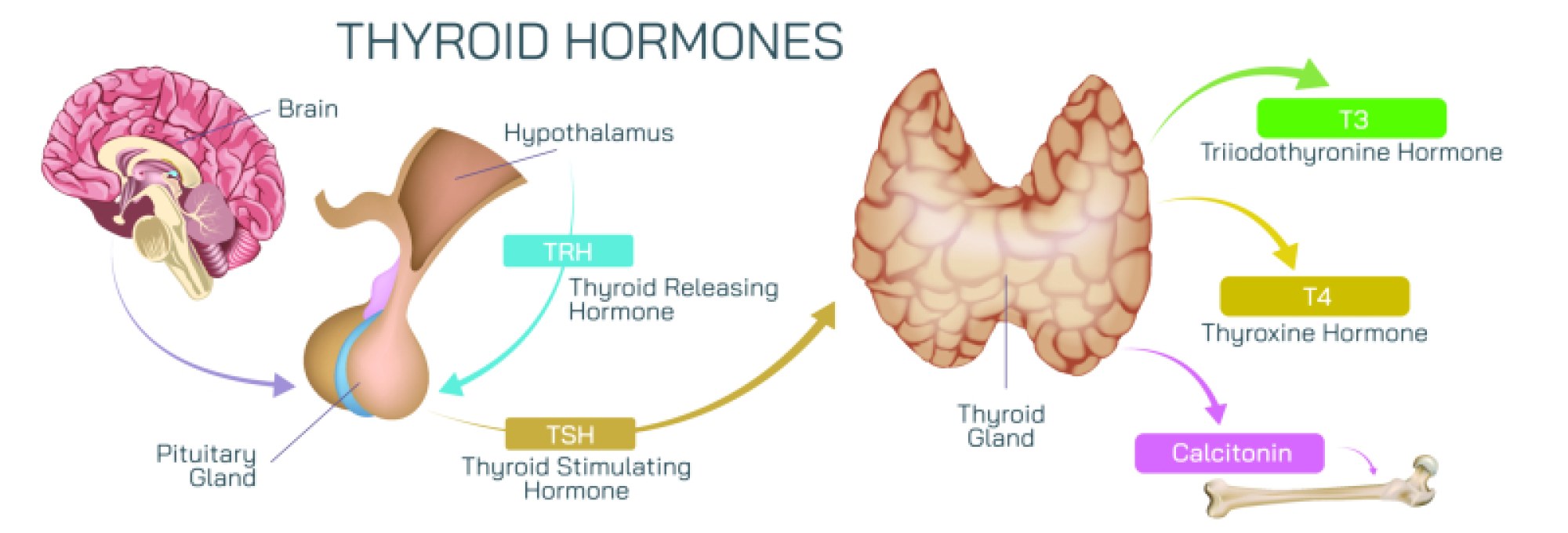
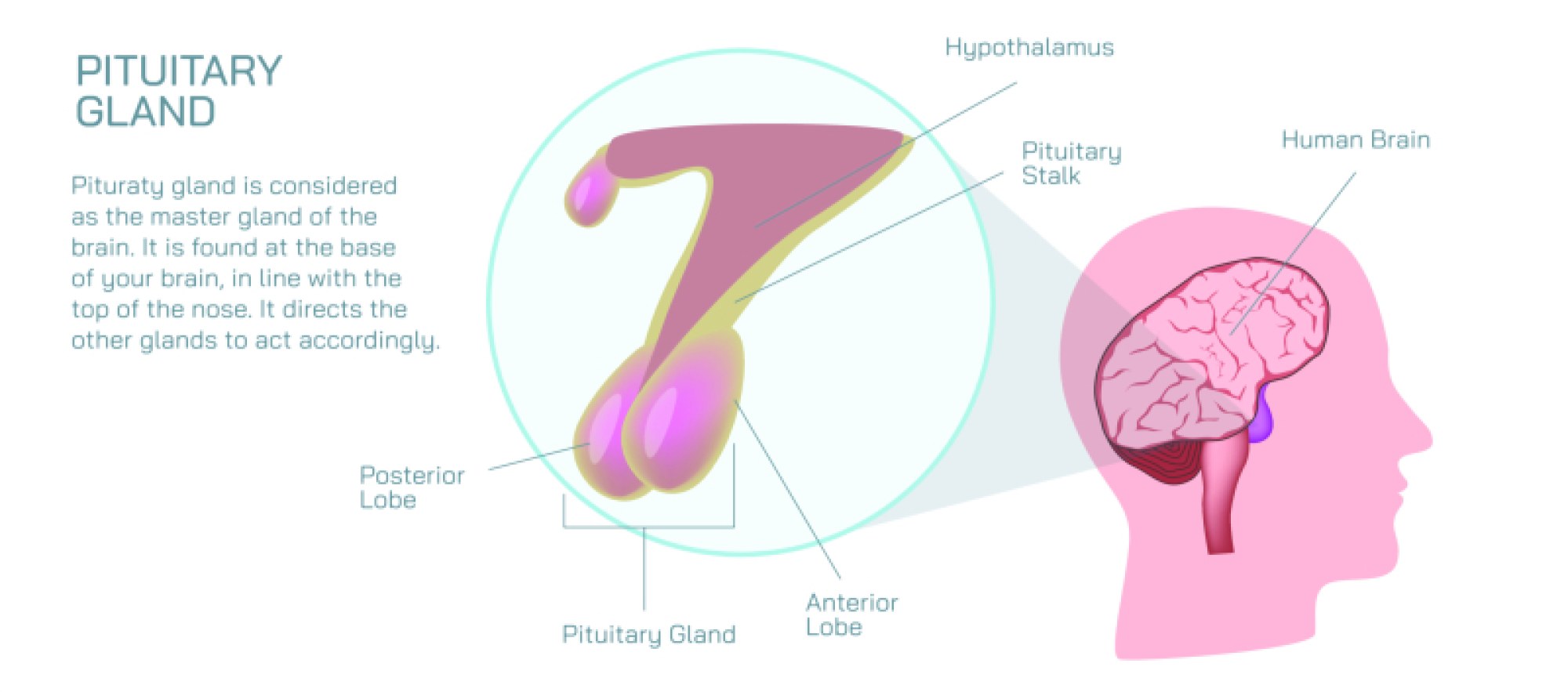
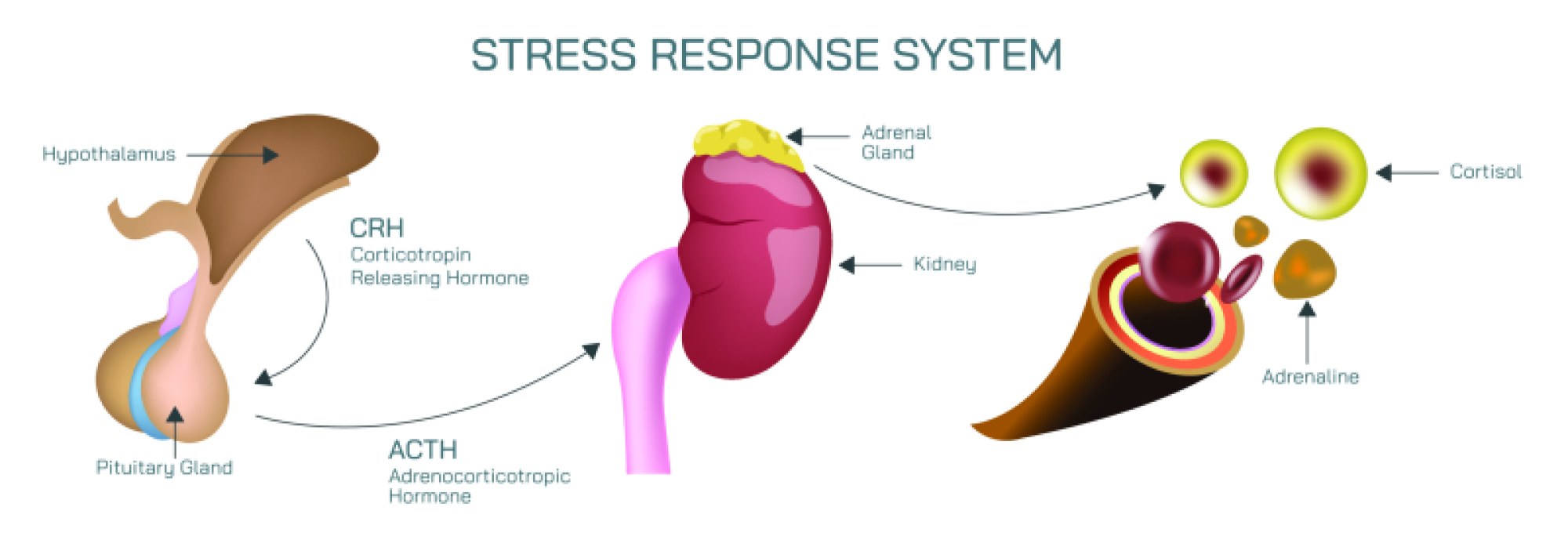
The endocrine system is a network of glands that releases chemical messengers to regulate essential body functions. Each gland produces specific signals that travel through internal pathways, influencing growth, stability, energy use, and overall balance. These messengers work slowly compared to electrical signals from other regulatory pathways, yet their steady influence shapes long term patterns in development, mood, and metabolism.
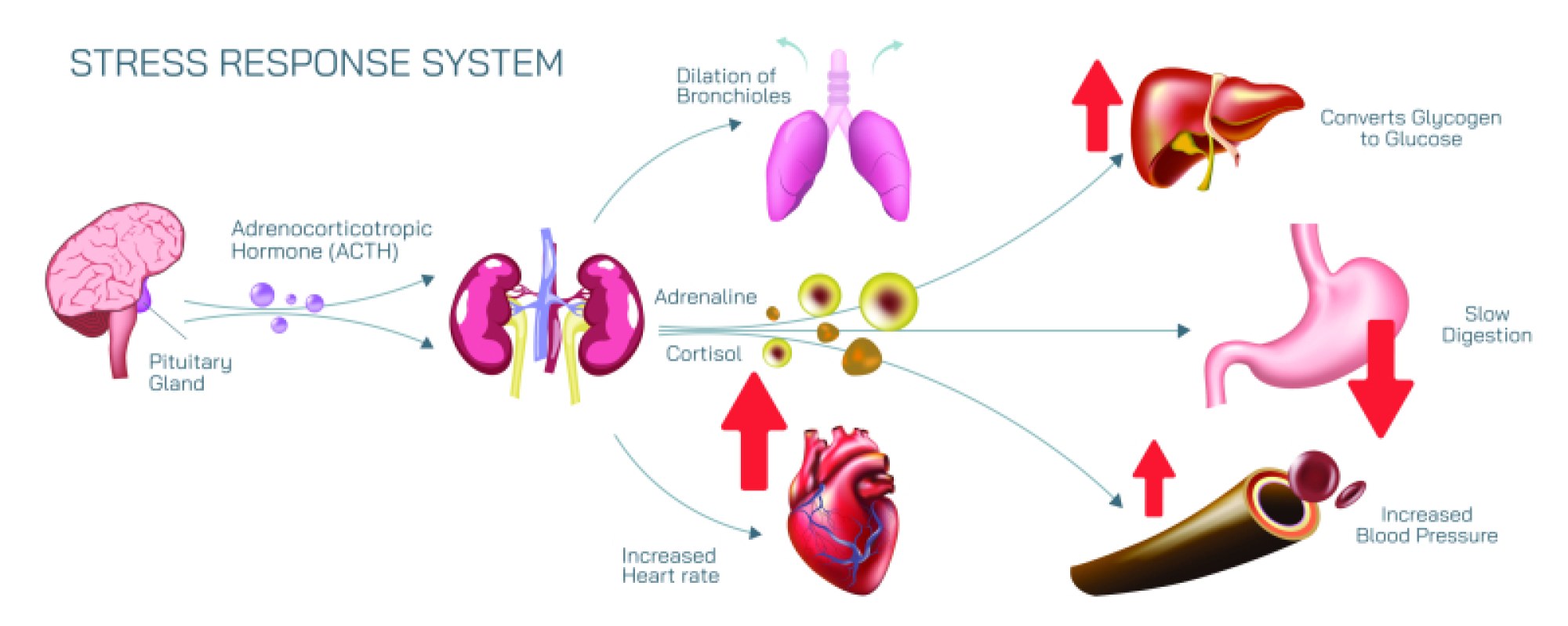
A key feature of this system is its ability to sense internal shifts and adjust accordingly. When certain levels rise or fall, glands respond by increasing or decreasing release, maintaining stability across interconnected regions. This constant adjustment ensures that organs operate within suitable ranges, keeping the body prepared for changing demands such as stress, rest, movement, or nourishment. The controlled release of these chemical messengers supports continuous coordination between distant regions that must function together.
Different glands contribute unique roles. Some regulate energy use and temperature, while others guide reproductive processes, calcium balance, or growth patterns. These glands work in cooperation, passing information through circulating signals that interact with receptors in selected tissues. Once a signal reaches its target, it shapes how cells behave, encouraging shifts in activity, structure, or resource use. Through this wide range of effects, the system influences nearly every major function.
Feedback mechanisms maintain harmony within the network. When a gland releases too much or too little of a signal, other components respond to restore balance. These loops help prevent excessive activation and ensure timing remains precise. By examining how these interactions unfold, one gains deeper insight into how the body maintains continuity, adapts to challenges, and preserves essential internal rhythms. Understanding this system reveals why it plays a central role in health, growth, behavior, and long term physiological stability.