Atomic Model — Structure, Particle Arrangement, and Matter Behavior
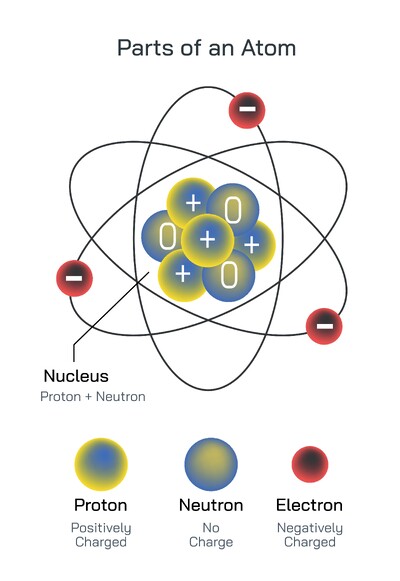
The atomic model describes how the smallest units of matter are organized and how their internal parts interact. At the center of each atom lies a compact region that contains particles responsible for most of its mass. This central area influences how the rest of the structure behaves and plays a key role in determining properties of elements. Surrounding this core is an extended region where lighter particles move through layered spaces shaped by energy states.
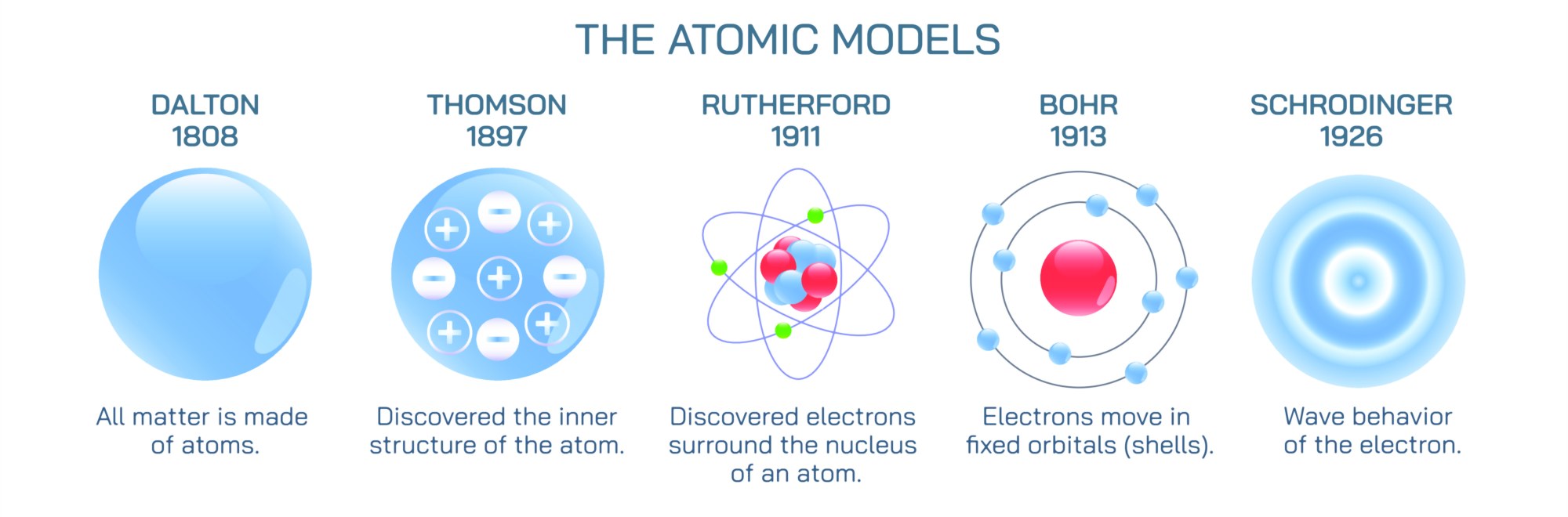
Early ideas about atomic form presented the atom as a simple solid piece of matter. Over time, scientific progress revealed that atoms contain internal components with distinct roles. As understanding grew, models evolved to include a compact core holding particles with significant mass and an outer region hosting moving units that respond to energy changes. These models explained interactions, element behavior, and patterns seen in chemical reactions.
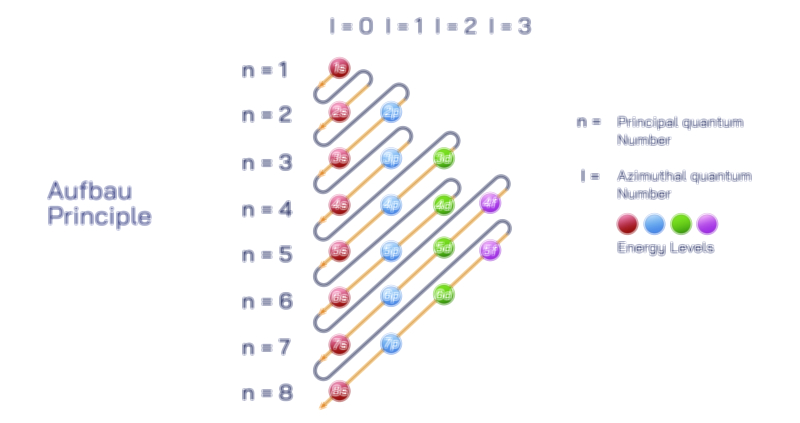
In more recent models, the movement of outer particles is described as patterns rather than fixed orbits. Instead of traveling in rigid paths, these particles exist within regions shaped by energy and probability. This view helps explain why atoms behave differently under various conditions and why elements form unique bonds. The layered energy states surrounding the core determine how easily an atom interacts, shares particles, or forms structures with others.
These models also help explain matter behavior at extremely small scales. By studying the arrangement of core particles and the distribution of energy spaces, scientists gain insight into stability, reaction patterns, and the properties of all elements. Understanding this structure reveals how matter forms, how energy travels, and how all substances behave at the smallest level.