Detailed Overview of Fluorine and Its Strong Chemical Behavior
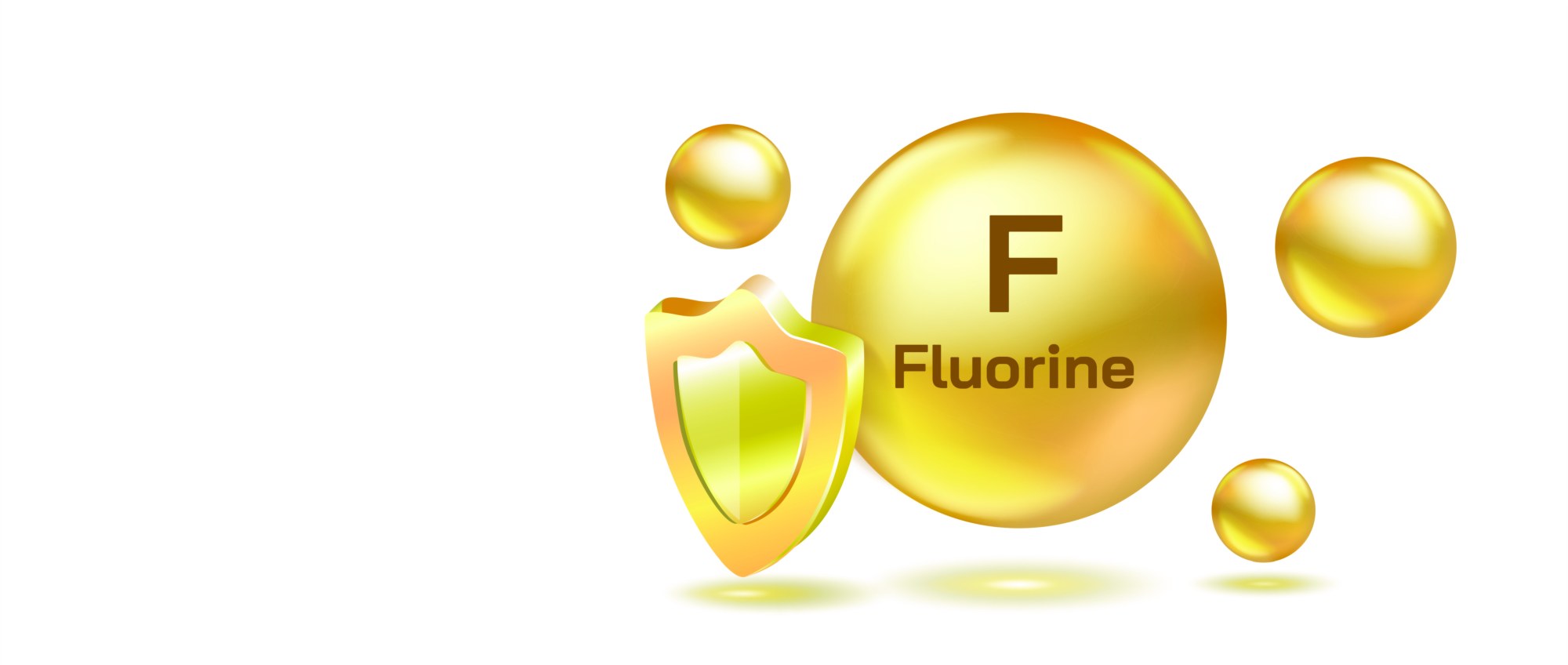
Fluorine stands out among elemental substances due to its exceptionally strong reactive nature and its position as the lightest member of the broader halogen group. Its powerful oxidizing ability makes it influential in various reactions, especially those involving electron transfer and bond reshaping. With its pale gaseous form and distinct scent, the element captures attention in both academic discussions and laboratory study because of its intensity and unique structural traits.
At the atomic level, fluorine contains a configuration that strongly attracts additional electrons. This high attraction contributes to its reactivity and helps explain why it forms bonds with a wide range of substances. Its strong pull influences the behavior of compounds that contain it, shaping their stability, strength, and overall function. Learners often encounter this element while studying molecular forces, electronegativity trends, and oxidation processes.
In applied settings, fluorine participates in the creation of specialized compounds used in industry, science, and daily materials. These compounds often exhibit strong resistance, durability, or particular performance features influenced by the element’s inherent power. Despite the challenges associated with handling it directly, understanding its behavior provides essential insight into broader chemical systems and advanced reaction pathways.
Studying fluorine deepens comprehension of electron motion, elemental trends, and strong bonding forces. Its place in chemical learning remains important because it helps illustrate how atomic characteristics influence structure, stability, and the energetic nature of reactions.