Pauli Exclusion Principle — Concept, Importance, and Applications
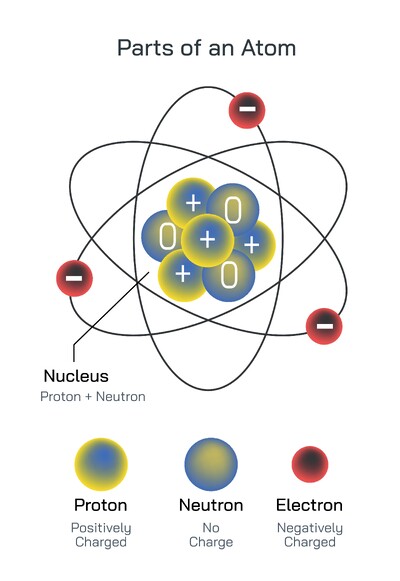
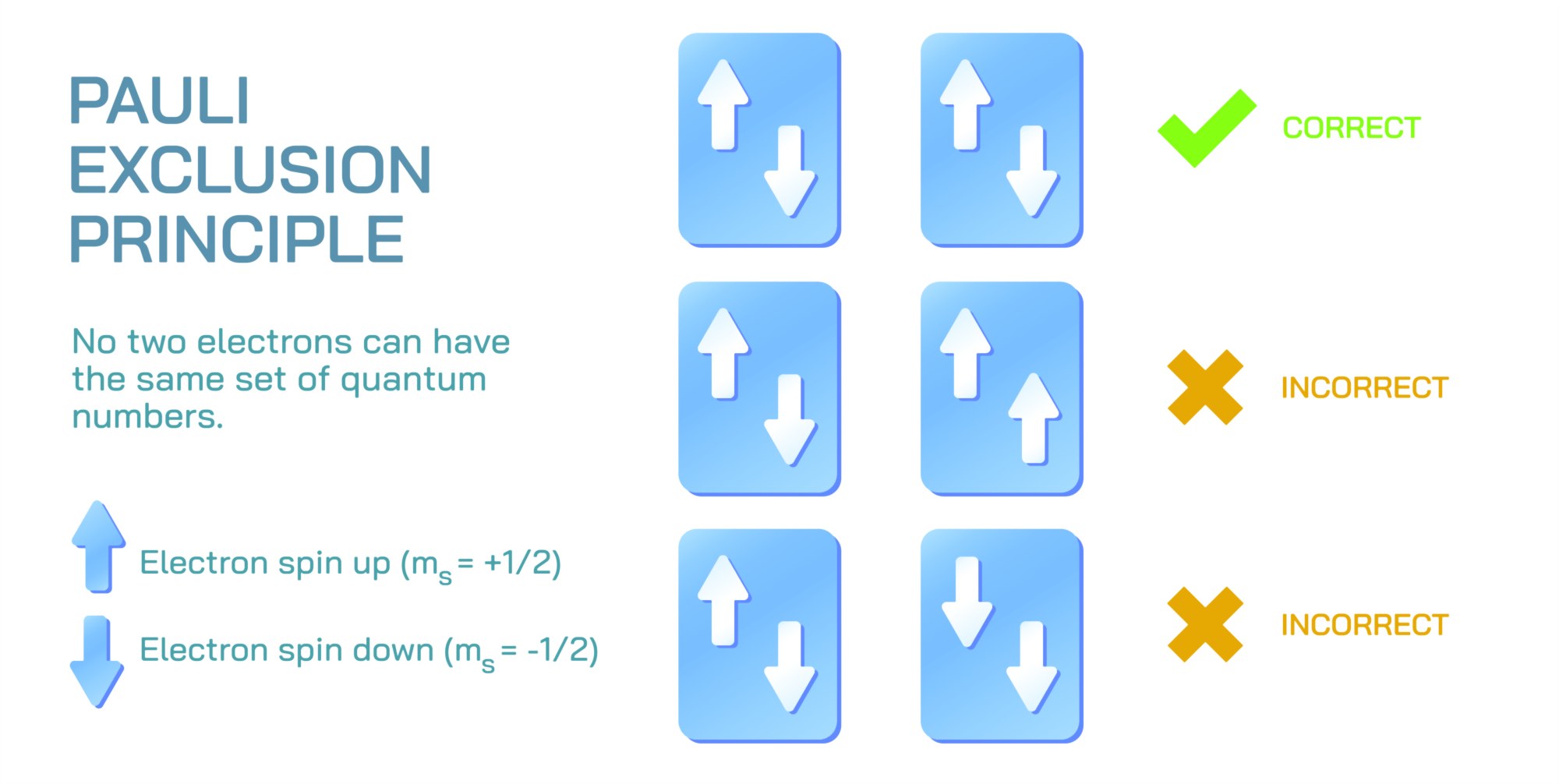
The Pauli Exclusion Principle is a fundamental law in quantum mechanics formulated by Austrian physicist Wolfgang Pauli. This principle states that no two identical fermions, such as electrons, protons, or neutrons, can occupy the same quantum state simultaneously within a quantum system. It is a crucial rule that explains the arrangement of electrons in atoms, the structure of the periodic table, and the behavior of matter at the subatomic level. Understanding this principle is essential for studying atomic physics, chemistry, and quantum mechanics.
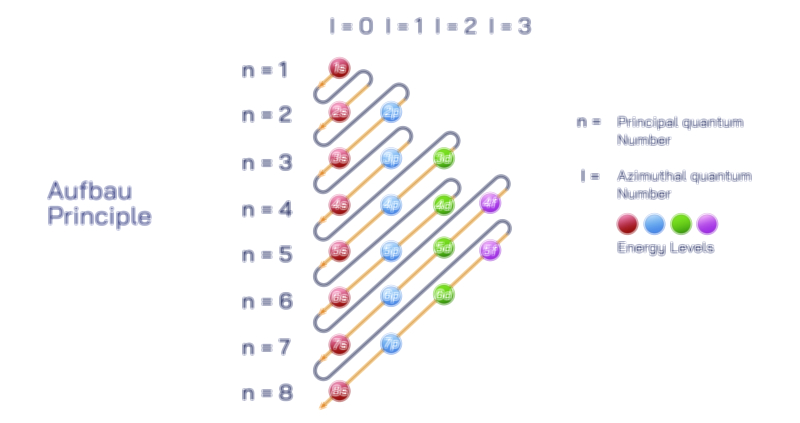
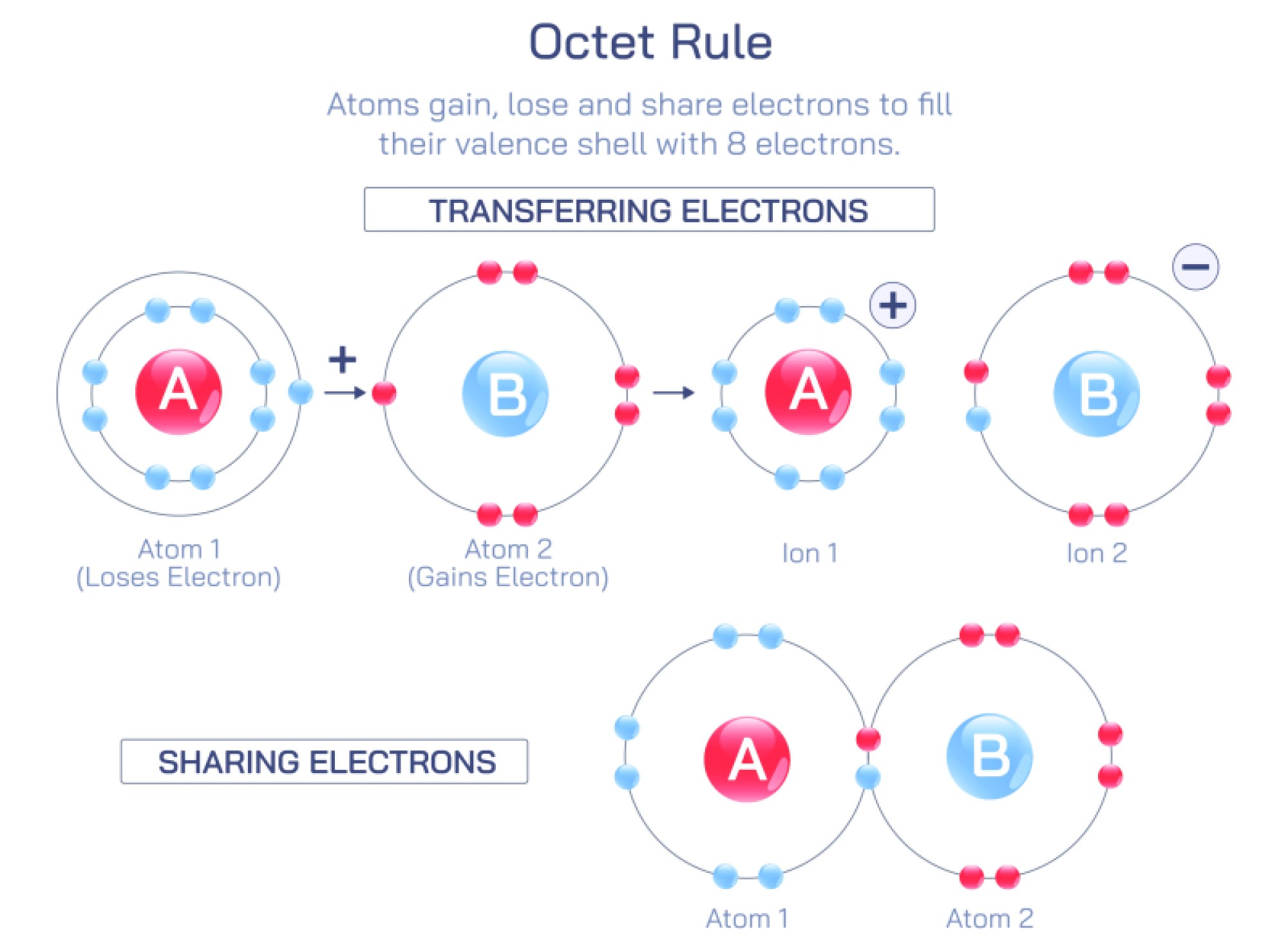
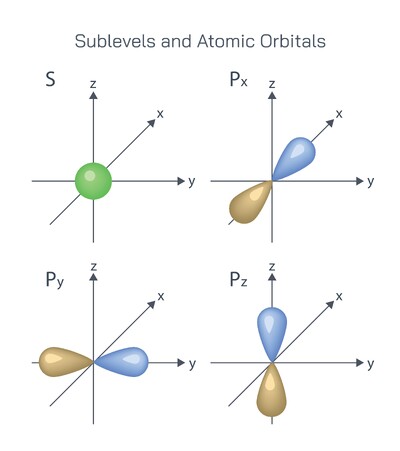
In atoms, the Pauli Exclusion Principle dictates that electrons must occupy different quantum states, defined by unique combinations of energy level, orbital shape, magnetic orientation, and spin. This ensures that electrons are distributed across orbitals in a way that prevents any two from having identical sets of quantum numbers. As a result, electrons fill lower energy levels first and follow a specific order in shells and subshells, which directly determines the chemical properties and bonding behavior of elements.
Beyond atomic structure, the principle plays a significant role in solid-state physics and the stability of matter. It explains why electrons in atoms do not collapse into the nucleus and why matter occupies space. The principle also governs the behavior of fermionic systems in astrophysics, such as white dwarfs and neutron stars, where it prevents the complete compression of matter by providing degeneracy pressure. This effect is crucial in understanding the stability and evolution of dense astronomical objects.
The Pauli Exclusion Principle has practical applications in chemistry, physics, and materials science. It is essential for predicting electron configurations, understanding chemical bonding, and analyzing the electronic structure of molecules and solids. It also forms the foundation for modern quantum theories, including quantum computing and nanotechnology. The principle underscores the intrinsic order within quantum systems, revealing the rules that govern the microscopic world and the properties of matter.
In conclusion, the Pauli Exclusion Principle is a cornerstone of quantum mechanics, dictating that no two identical fermions can share the same quantum state. This rule explains electron arrangements in atoms, the structure of matter, chemical properties, and the behavior of dense astrophysical objects. Its applications span atomic theory, chemistry, physics, and advanced technologies, making it one of the most important principles for understanding the microscopic laws that govern the universe.