Types of Options Strategies Used in the Stock Market: A Comprehensive Guide for Profitable Trading
Options strategies in the stock market provide a level of flexibility and precision that traditional stock trading cannot offer, enabling traders to generate income, protect capital, speculate directionally, profit from sideways prices, and leverage volatility without necessarily owning shares. Unlike buying and selling stocks outright, which depends solely on the direction of price movement, options trading allows traders to design payoff structures that match their market expectations, risk tolerance, and time horizon. Every options strategy represents a different way of expressing an opinion about the market, and while the terminology may appear intimidating at first, all strategies can be understood as combinations of calls and puts arranged to shape risk and reward. The purpose of using options is never simply to seek higher profit, but to control risk more intelligently, because consistency in options trading comes from using the right strategy for the right market condition rather than guessing whether the market will go up or down.
At the most foundational level, options strategies can be divided into two functional categories: debit strategies and credit strategies. Debit strategies require the trader to pay a premium to open a position and offer limited risk with potentially significant reward. These are often used when expecting sharp movement in price. Credit strategies, on the other hand, involve receiving a premium upfront by selling options and obligate the trader to manage defined or undefined risk in exchange for income. Credit strategies generally offer smaller gains but higher probability outcomes because they profit from time decay rather than relying solely on directional movement. Understanding this distinction forms the backbone of all options trading, because successful traders do not choose strategies based on preference but on the current behavior of the market. If volatility is low and expected to rise, debit strategies are favored because purchased options become more valuable. If volatility is high and expected to fall, credit strategies become more effective because they allow the trader to capitalize on the natural decay of inflated premiums.
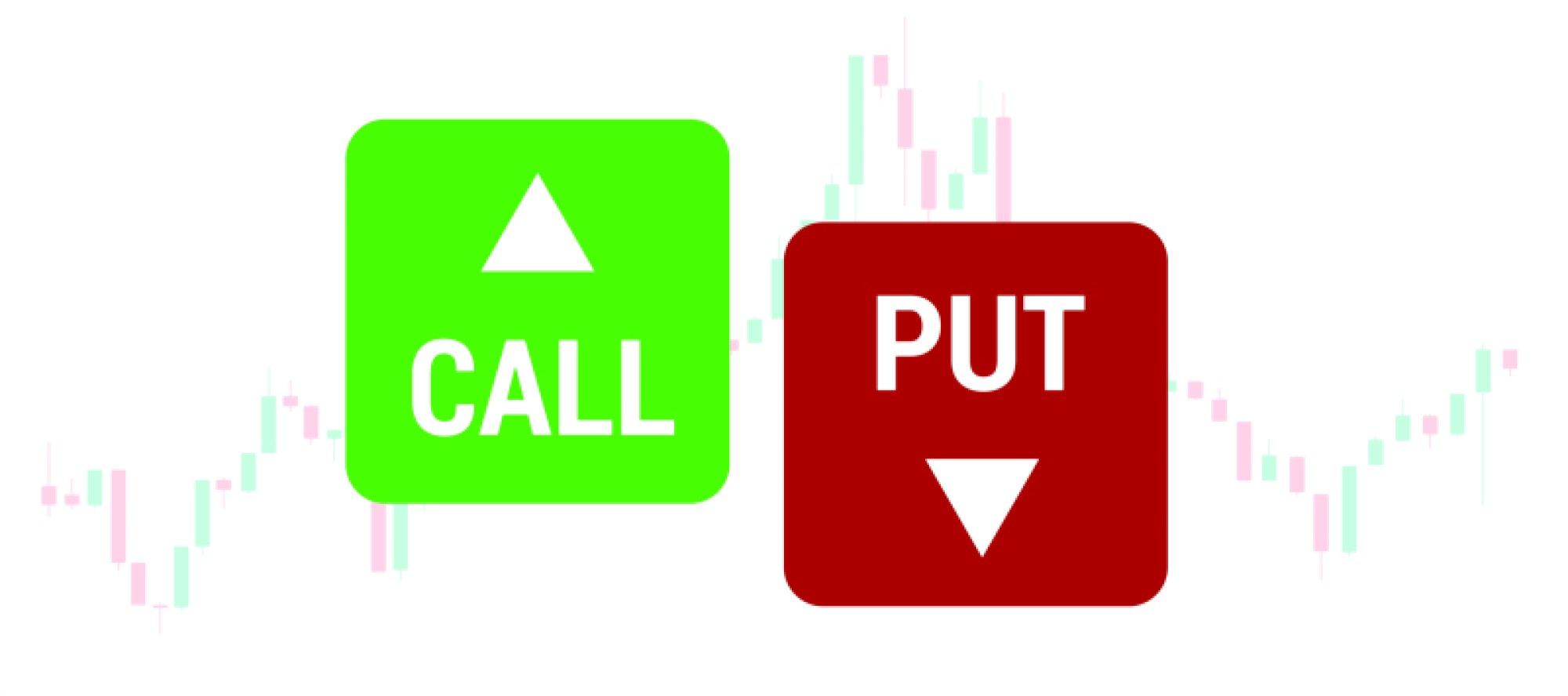
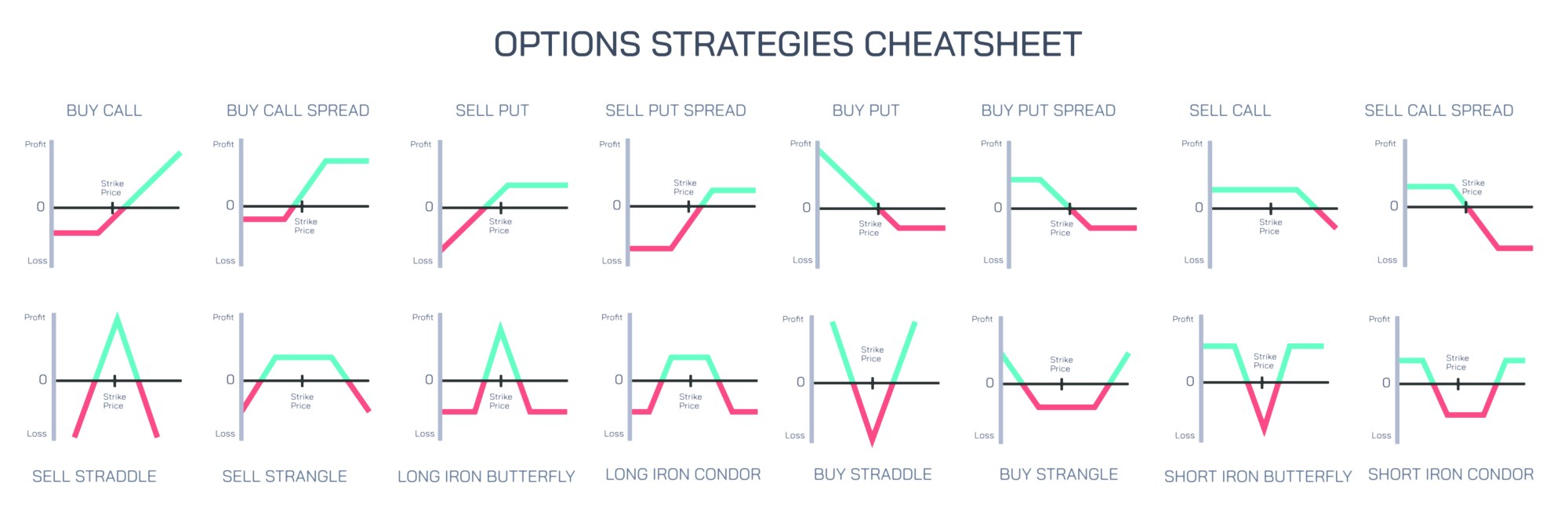
Directional strategies are the simplest to understand because they express a view about price movement. Long calls and long puts allow a trader to profit from strong upward or downward movement while risking only the premium paid. These strategies are asymmetric because the loss is capped while gains can expand significantly if the trend accelerates. However, they do not simply require price direction to be correct; they also require movement to happen within the life of the option, which is why many inexperienced traders lose even when their prediction is correct. To reduce the effects of premium decay and improve the break-even point, directional traders often use vertical spreads, combining a long option with a short one at a different strike. For bullish direction, the bull call spread lowers cost and defines risk while reducing potential reward. For bearish direction, the bear put spread creates a similar controlled structure. These spreads improve reliability while allowing traders to participate in directional moves with more efficiency rather than relying completely on dramatic price shifts.
Another major category of options strategies focuses on income generation rather than pure speculation, allowing traders to earn consistent returns by selling options and collecting premium. The most well-known strategy here is the covered call, where a trader who owns shares sells call options against their position. This generates income as long as the stock does not rise above the strike price, making it ideal for sideways or mildly bullish markets. For traders who want to generate income without owning stock, the equivalent strategy is the cash-secured put, where a trader sells a put option while reserving enough cash to buy the shares if assigned. This strategy generates premium income and potentially leads to acquiring stock at a discount if the market dips. Both covered calls and cash-secured puts illustrate the idea that options can transform slow-moving markets into profit opportunities without requiring dramatic price action. They also reveal the advantage of using options as an income-engineered system rather than a tool for emotional speculation.
More advanced strategies address the influence of volatility rather than direction, recognizing that the most powerful moves in options pricing stem not only from price shifts but from changes in volatility expectations. When a trader expects a large move in either direction—such as before earnings announcements or major economic events—strategies like straddles and strangles are used. These involve buying both a call and a put to profit from volatility expansion. The market does not need to move up or down specifically; it simply needs to move far enough in one direction before expiration. On the opposite side of volatility speculation are neutral strategies that profit when the market does not move significantly. For these conditions, traders use iron condors and iron butterflies, which combine credit spreads on both sides of price to collect premium when price remains within a range. These income-driven volatility-selling strategies allow traders to profit even in boring or choppy markets, highlighting one of the greatest advantages of options—the ability to profit when others remain frustrated waiting for clear direction.
Options also play a crucial role in risk management and portfolio protection, allowing traders and investors to neutralize risk during uncertainty. A long-term investor who fears a market downturn can buy a protective put to insure stock holdings, preventing catastrophic loss while continuing to participate in upside potential. Short sellers can buy protective calls to guard against sudden surges that can produce unlimited loss. Combining both protection and income leads to the collar strategy, where an investor buys a protective put and simultaneously sells a call to offset the cost of insurance. Collars are widely used by professionals because they convert volatile market conditions into predictable and controlled outcomes. They show how options enable stability when uncertainty is high, demonstrating that options are not inherently high-risk instruments—emotion and misuse are.
Although many traders become captivated by complex multi-leg strategies, the truth is that options mastery does not come from memorizing every structure, but from understanding when to use each type based on market behavior. When the market is trending strongly, directional debit spreads shine because momentum overpowers time decay. When the market is stagnant or slow, credit spreads and income strategies outperform because entropy, not direction, becomes the profit engine. When uncertainty and volatility spike, volatility-based strategies become the best tools. The adaptive nature of options trading means profitability is not tied to prediction but to selecting the strategy that aligns with probability and risk-adjusted expectation. The traders who survive over years are not those who chase the highest return strategies, but those who match tools to environment rather than forcing the market to obey their preferences.
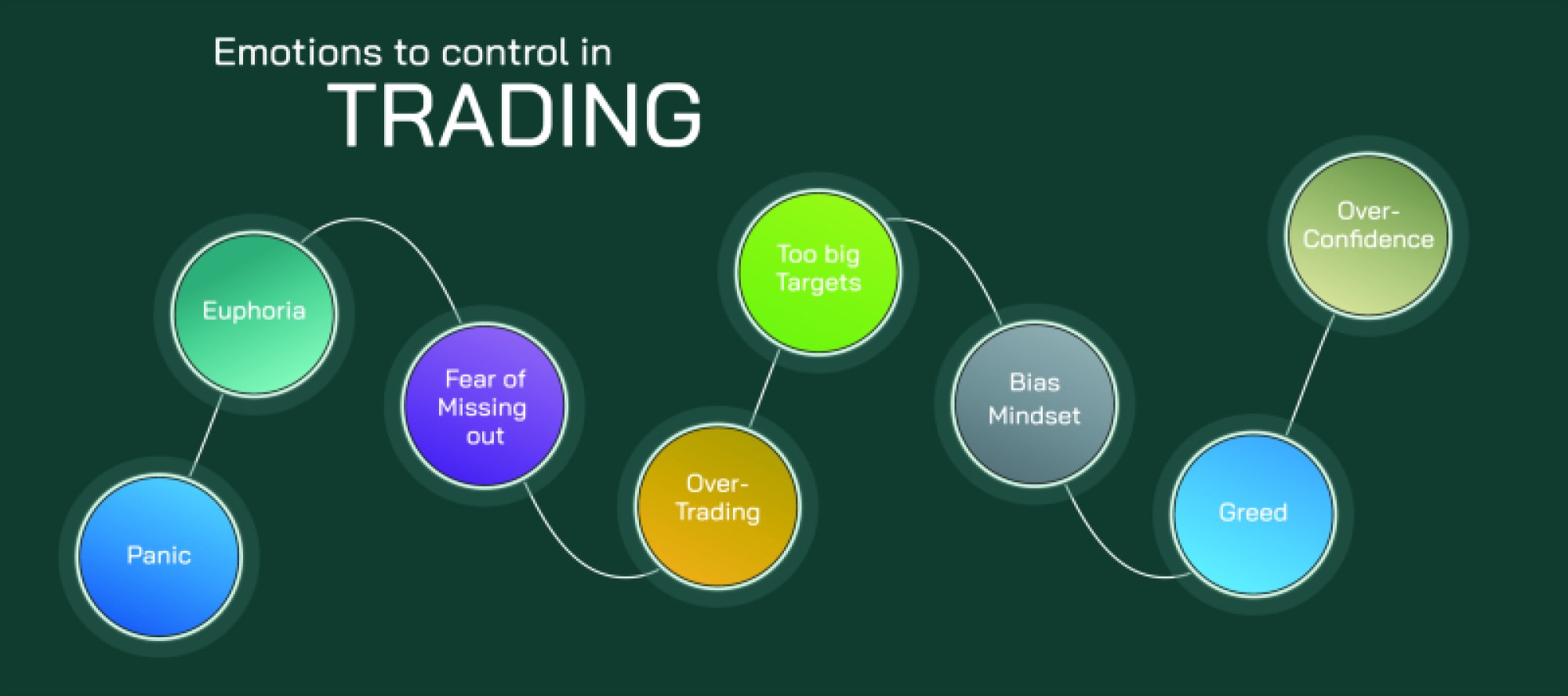
The emotional aspect of using options cannot be ignored because every options strategy tests patience, confidence, discipline, and risk tolerance. The trader who buys options needs patience to allow the move to unfold without panicking during noise. The trader who sells options must maintain discipline to avoid selling risk beyond their account’s capacity. The trader handling volatile positions must resist the temptation to micromanage based on fear or greed. Ultimately, options expose psychological weaknesses faster than stock trading because leverage accelerates the consequences of emotional decisions. Therefore, the path to profitable options trading begins with mastery not of complexity but of structure and self-control—choosing the right strategy, sizing positions responsibly, and respecting risk before pursuing reward.
In the final analysis, the variety of options strategies available in the stock market reflects one unifying truth: profitability does not come from predicting what the market will do, but from preparing intelligently for what it could do. Long calls, long puts, vertical spreads, covered calls, cash-secured puts, straddles, strangles, iron condors, protective puts, collars, and countless variations all exist because markets behave differently at different times. Options give traders the ability to tailor risk and opportunity to the market rather than fighting the market’s nature. When traders learn to match the correct strategy to trend, volatility, momentum, and liquidity conditions—and when they execute those strategies with emotional restraint and proper risk control—options transform from complicated instruments into precision tools for stability, growth, and consistent profitability.