Stock Market Fear and Greed: Investor Emotion Cycle and Market Psychology Explained
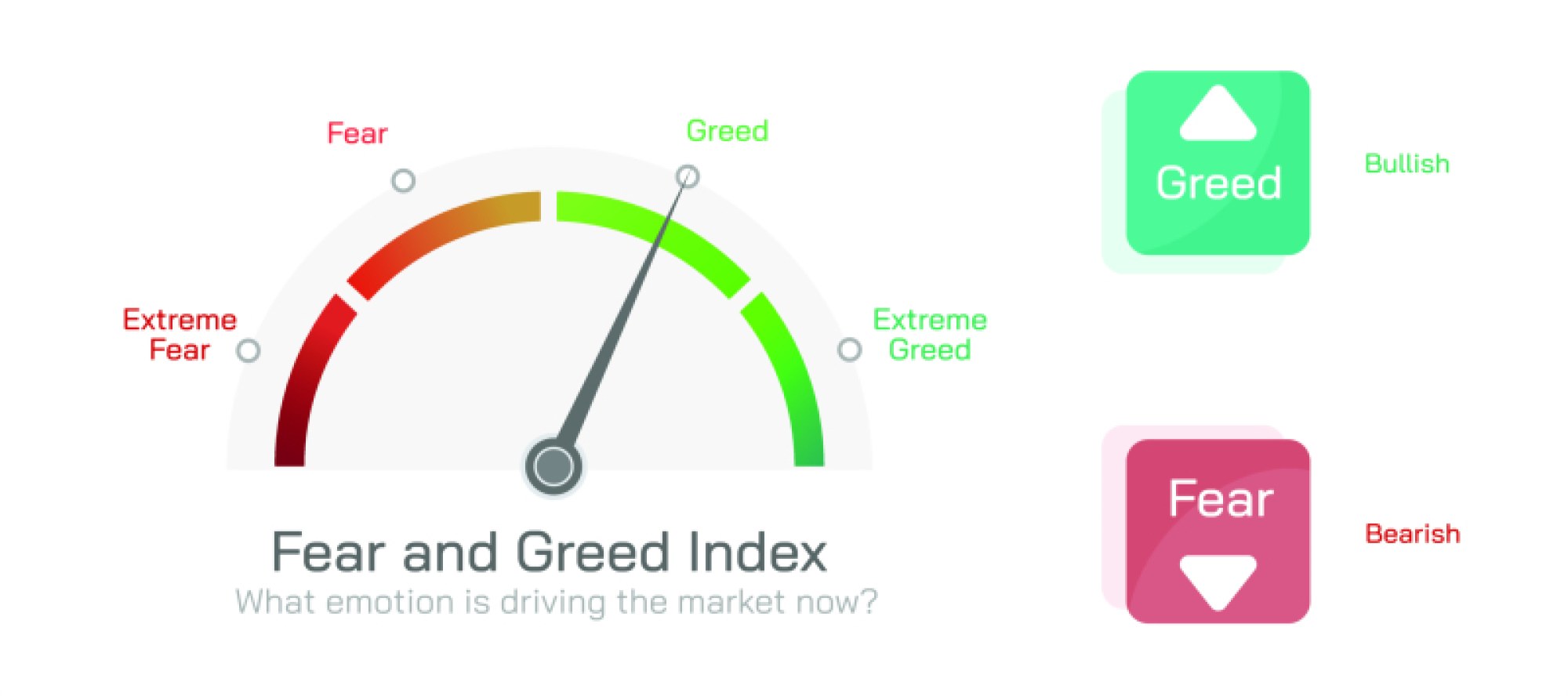
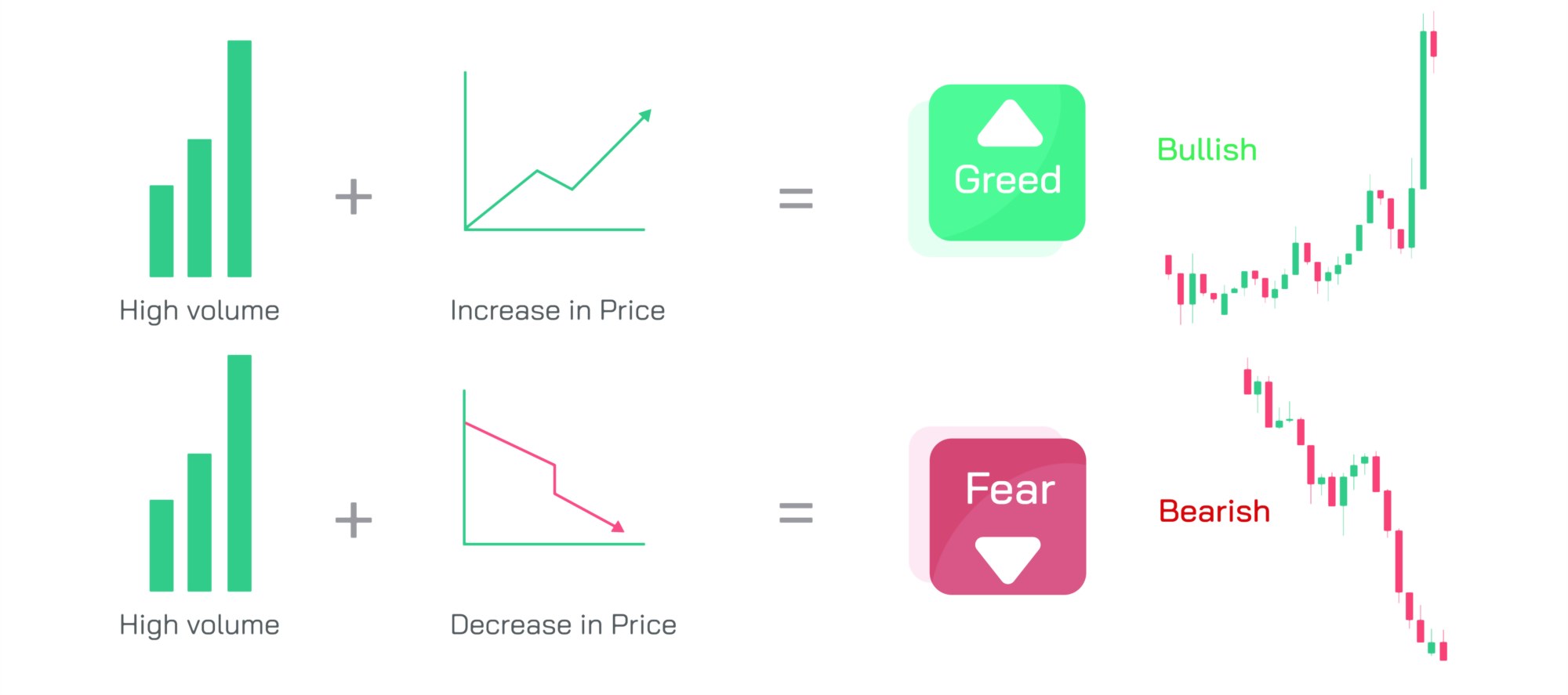
The movement of the stock market is often described in the language of economics, indicators, and technical patterns, yet at its core the market is profoundly psychological. Prices rise and fall not simply because of earnings, interest rates, or industry developments, but because human beings react to information through emotional lenses shaped by hope, fear, excitement, doubt, and the constant tension between opportunity and risk. Among all the emotions that influence financial markets, two dominate the behavioral landscape more than any others: greed, the powerful desire for greater profit, and fear, the instinctive reaction to protect against loss. These emotions do not operate independently; instead, they alternate in recurring cycles that influence the collective decisions of investors at every time scale. When traders and long-term investors buy aggressively because they expect rising prices, the emotional force of greed pushes the market upward. When uncertainty spreads and investors flee to safety, the emotional force of fear creates rapid declines. Although the triggers may change from era to era, the psychological pattern repeats over decades, years, and even intraday trading, forming a predictable emotional cycle that shapes the rise and fall of markets. Understanding fear and greed is vital not because it enables prediction of exact price movements but because it explains why markets behave the way they do and why people often make decisions that go against their own financial best interests.
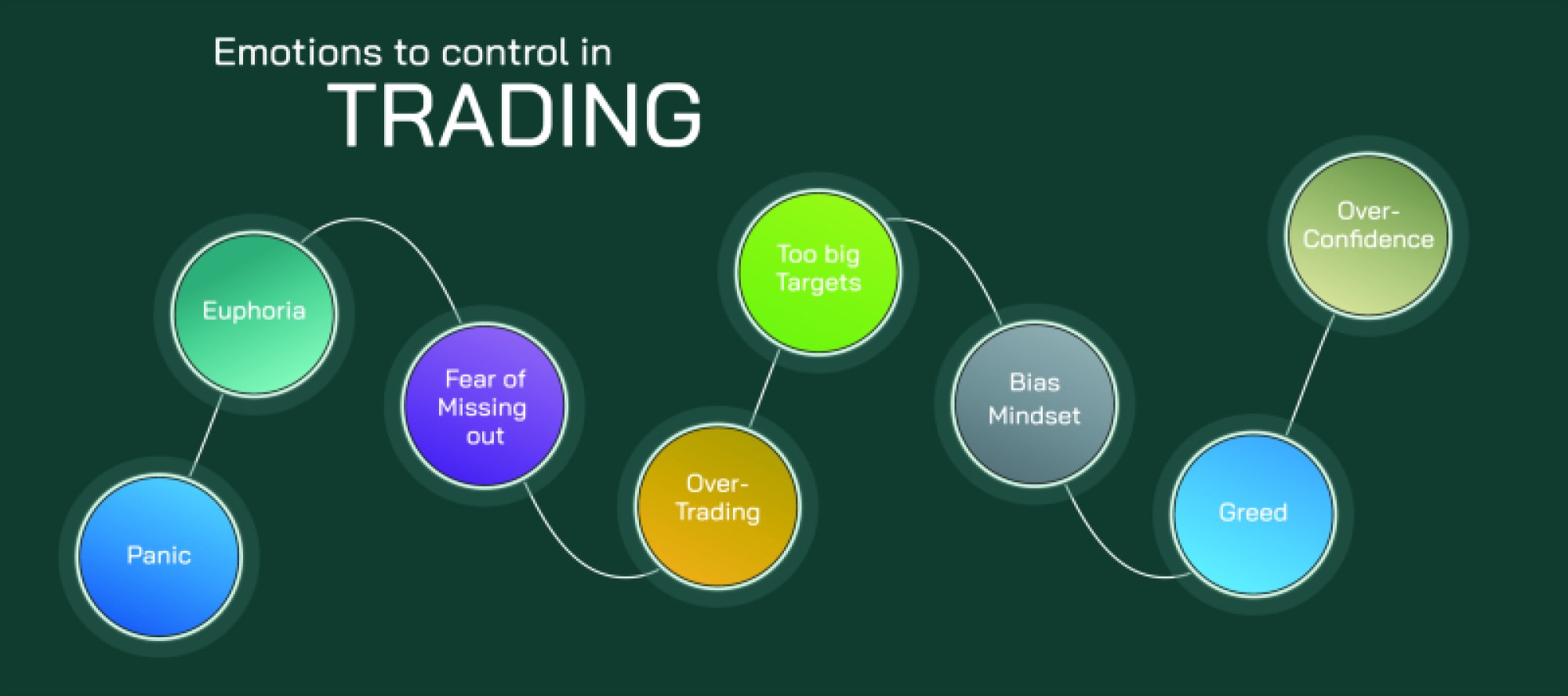
The emotion cycle of investors unfolds in a gradual arc during rising markets and a mirrored arc during falling markets. At the beginning of an uptrend comes disbelief, a stage when only a small group of investors sees potential opportunity. Others remain cautious because they are skeptical after a previous decline. As prices begin to rise, confidence builds and more investors participate. This transition leads to optimism, when participants feel they have identified a positive trend early enough to benefit. Soon, continued price appreciation creates excitement, and traders begin to invest more aggressively, increasing position sizes and reducing caution as their confidence grows. This excitement escalates into euphoria, the peak stage of the greed cycle and the most dangerous point in the entire market psychology curve. During euphoria, investors rarely question risk; instead, they believe that price will only continue rising, and warnings of overvaluation are dismissed as overly cautious or pessimistic. At this stage, late buyers flood into the market out of fear of missing out on further gains. Ironically, this is also when the most experienced and disciplined investors begin to reduce exposure and take profits quietly while public enthusiasm remains high. The emotional danger at the top of the cycle is that investors confuse rapidly rising prices with certainty, believing that optimism itself protects against risk.
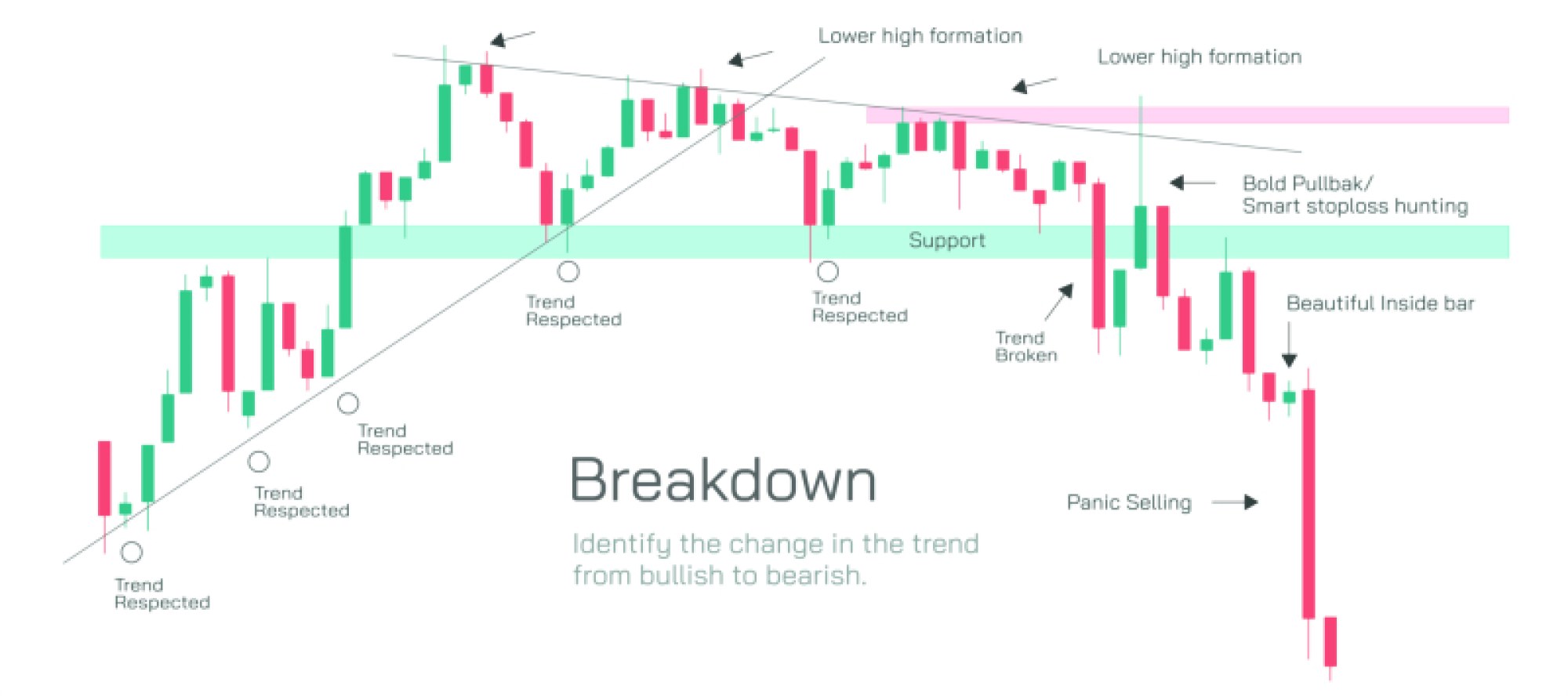
The reversal from euphoria toward fear is seldom sudden in emotional terms, though it may appear sudden in price terms. The first sign of trouble is anxiety, which comes when the market encounters unexpected volatility or disappointing news. Prices may remain near highs, but doubts begin to emerge underneath the surface. If negative events continue, anxiety deepens into denial, where investors insist that the decline is temporary and that prices will return to euphoric highs. Traders may add more capital to positions in an attempt to justify earlier decisions. As selling pressure grows and losses intensify, denial fades and the emotional stage shifts to fear, the point at which participants recognize that risk is real. Selling accelerates because investors now worry not that they missed out on further gains but that they might lose significant profit. Fear then transitions into panic, the emotional peak of the downward cycle, when participants rapidly liquidate positions without careful thought. This stage often produces steep declines and capitulation candles on charts as market activity becomes driven by urgency rather than valuation. Eventually, after major selling has occurred and new buyers slowly take over from exhausted sellers, panic turns into capitulation, when many investors simply give up, walk away from markets, or exit positions with the belief that they will never recover. At this point, pessimism dominates headlines and sentiment.
The final psychological stage at the bottom of the cycle is depression or despair, a phase when confidence is at its lowest and investors feel regret about lost capital or missed opportunities from earlier decisions. Ironically, this emotional trough often represents one of the best long-term buying opportunities in the entire market cycle. After despair subsides and the stabilization of prices begins, gradual hope returns. Investors who stayed cautious during the decline slowly re-enter the market as they see constructive signs of recovery. Hope leads to relief, where earlier anxiety lifts and confidence returns as upward price movement becomes clearer. Relief transitions back to optimism, restarting the sequence and beginning a new emotional cycle from the bottom upward. The great paradox of markets is that fear near the bottom produces the lowest prices and the greatest potential reward, while greed near the top produces the highest prices and the greatest potential risk. Investors who understand the emotional cycle recognize that market peaks are defined not only by price but by sentiment, and market bottoms are defined not only by discount but by pessimism and abandonment.
Recurring emotional cycles do not imply that investors are irrational individuals. Rather, they demonstrate that financial markets are social systems grounded in herd behavior, the natural psychological tendency for people to adapt decisions based on crowd expectations. This tendency for collective behavior magnifies emotional extremes, especially when headlines, economic narratives, and social media reinforce shared beliefs. During bull markets, positive news stories amplify greed and encourage speculative behavior, while during bear markets, negative headlines amplify fear and discourage investment. At both extremes, market psychology becomes self-fulfilling: when large groups expect rising prices, they buy, causing the market to rise; when large groups expect falling prices, they sell, causing the market to fall. This is one reason why prices in the stock market frequently deviate from fundamental value and then eventually revert. Emotional feedback loops do not replace economic reality forever, but they can distort price for significant periods of time. Investors who approach the market without recognizing these psychological waves often experience emotional whiplash — buying high because others are excited and selling low because others are afraid.
The cycle of fear and greed also influences time horizon and decision-making style. Short-term traders may experience these emotions many times during a single session, while long-term investors may experience them slowly over multi-year periods. Emotional triggers arise from many sources: unrealized profit encourages greed, unrealized loss encourages fear, volatility encourages hesitation, and sudden news encourages rushed decisions. Because the emotional cycle repeats so reliably, some of the most successful market strategies are not built on predicting price but on recognizing where the crowd is positioned emotionally. When optimism becomes excessive, disciplined investors begin reducing risk rather than adding exposure. When pessimism becomes extreme, disciplined investors accumulate positions rather than liquidating. This approach does not eliminate uncertainty, but it improves decision-making because it reframes the market not as an environment of chaos but as a repeating emotional pattern in which the crowd continually alternates between confidence and doubt.
The fear–greed cycle also helps explain why objective knowledge alone is not enough to succeed in the market. Many traders learn strategies, chart patterns, and risk management techniques, yet still struggle because their decisions are influenced more by emotional impulses than by structured planning. Greed tempts traders to stay in winning trades longer than their strategy prescribes or to increase position size beyond their risk tolerance. Fear convinces traders to close winning trades prematurely or to avoid entering strong opportunities due to memories of past losses. The market punishes both impulses equally: greed causes excessive risk-taking at price peaks, while fear causes excessive caution at price bottoms. Long-term success depends not only on analysis but on the ability to make decisions independent of prevailing emotional narratives. Traders who remain aware of their own psychological tendencies are better able to withstand emotional pressure, maintain discipline during volatility, and view opportunity and risk through strategy rather than instinct.
Ultimately, the stock market is not just a financial platform but a living representation of collective human emotion. Fear and greed do not vanish when new technology, strategies, or economic innovations appear; they adapt and continue to shape patterns of price behavior in every era. No chart pattern, indicator, or algorithm can remove emotion from the market, because emotion is an inseparable part of human behavior. However, understanding the fear-and-greed cycle allows investors and traders to recognize when the crowd is euphoric and vulnerable to reversal, and when the crowd is terrified and susceptible to recovery. The psychological cycle does not exist to be avoided but to be understood — because the market will always oscillate between emotional extremes, and those who learn to navigate this rhythm with discipline rather than impulse are the ones who discover consistency. The more deeply one understands that markets move not only on numbers but on human emotion, the clearer it becomes that mastering psychological awareness is not a separate skill from trading — it is the foundation of it.