Understanding Stock Market FVG, Imbalance, and Inefficiency for Traders
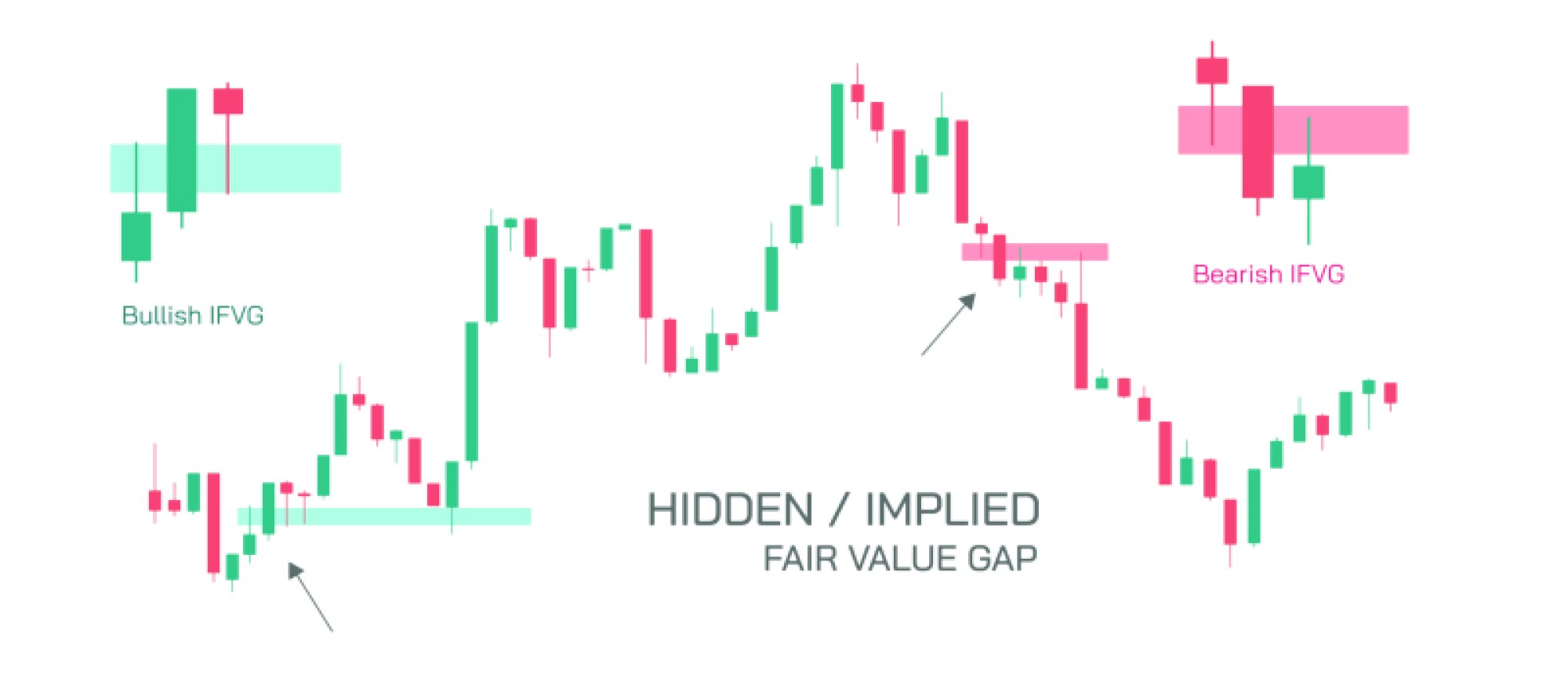
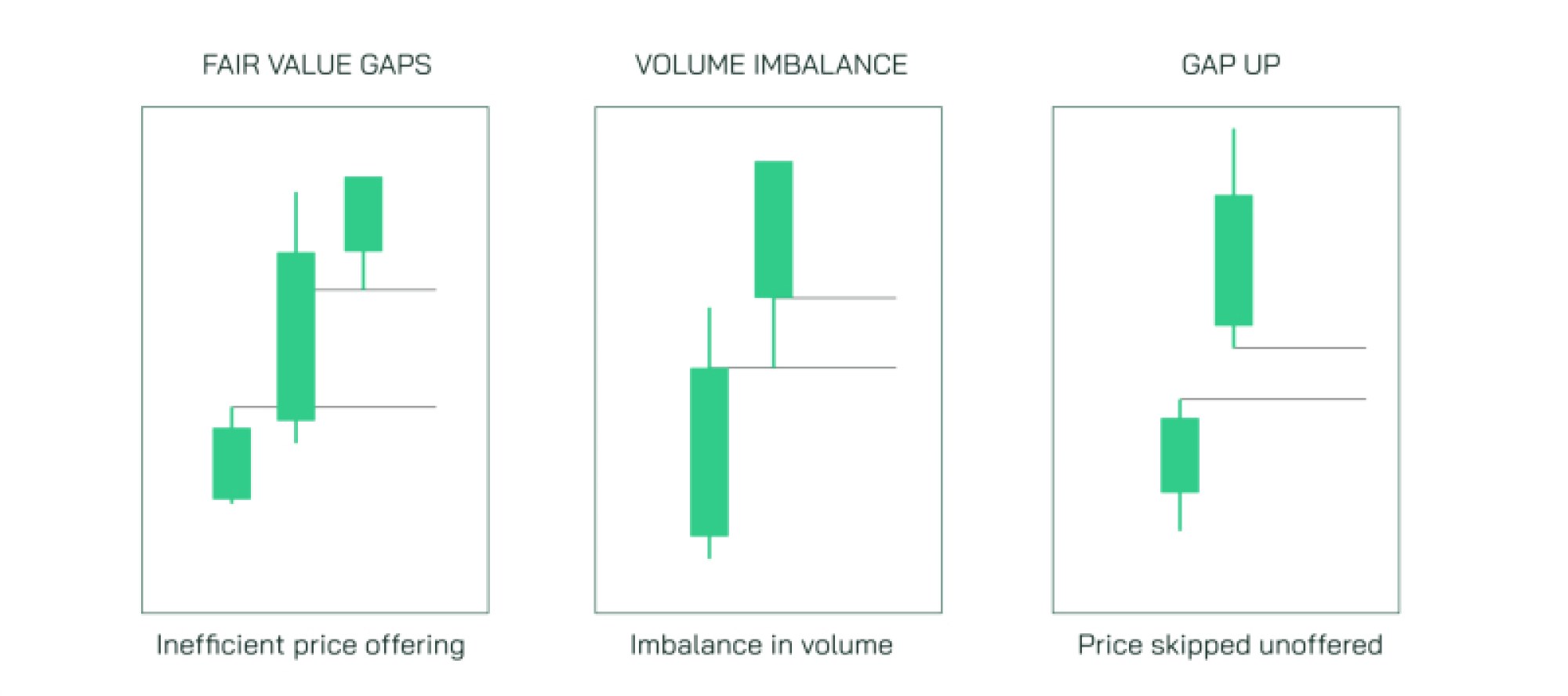
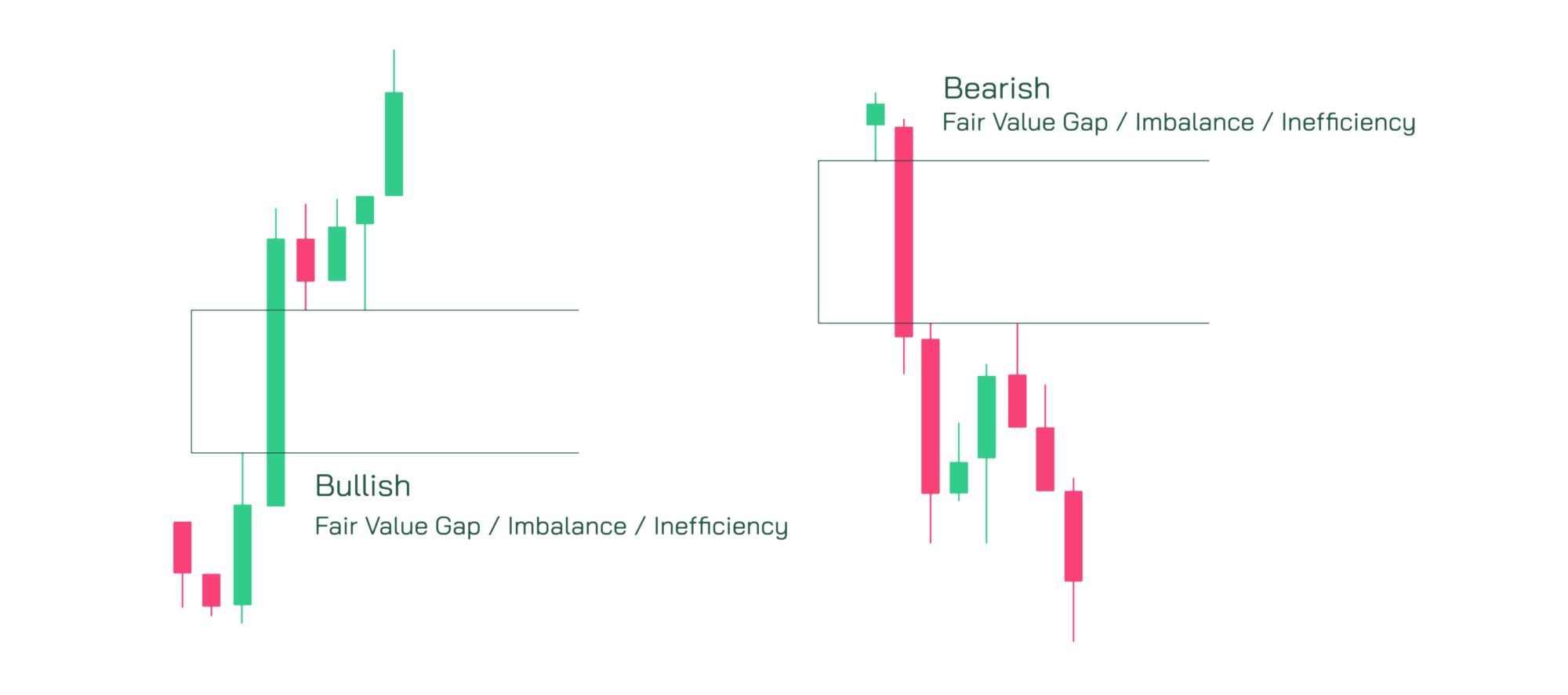
The concept of Fair Value Gaps (FVG), market imbalance, and inefficiency plays a crucial role in modern trading strategies, offering traders insights into potential price movements and liquidity behavior. A Fair Value Gap occurs when price moves sharply in one direction, leaving behind a zone where trading did not occur efficiently. These gaps are visible on candlestick charts as unfilled areas, often formed during rapid bullish or bearish movements. FVGs act as potential support or resistance zones, and understanding them can help traders anticipate retracements or continuation patterns.
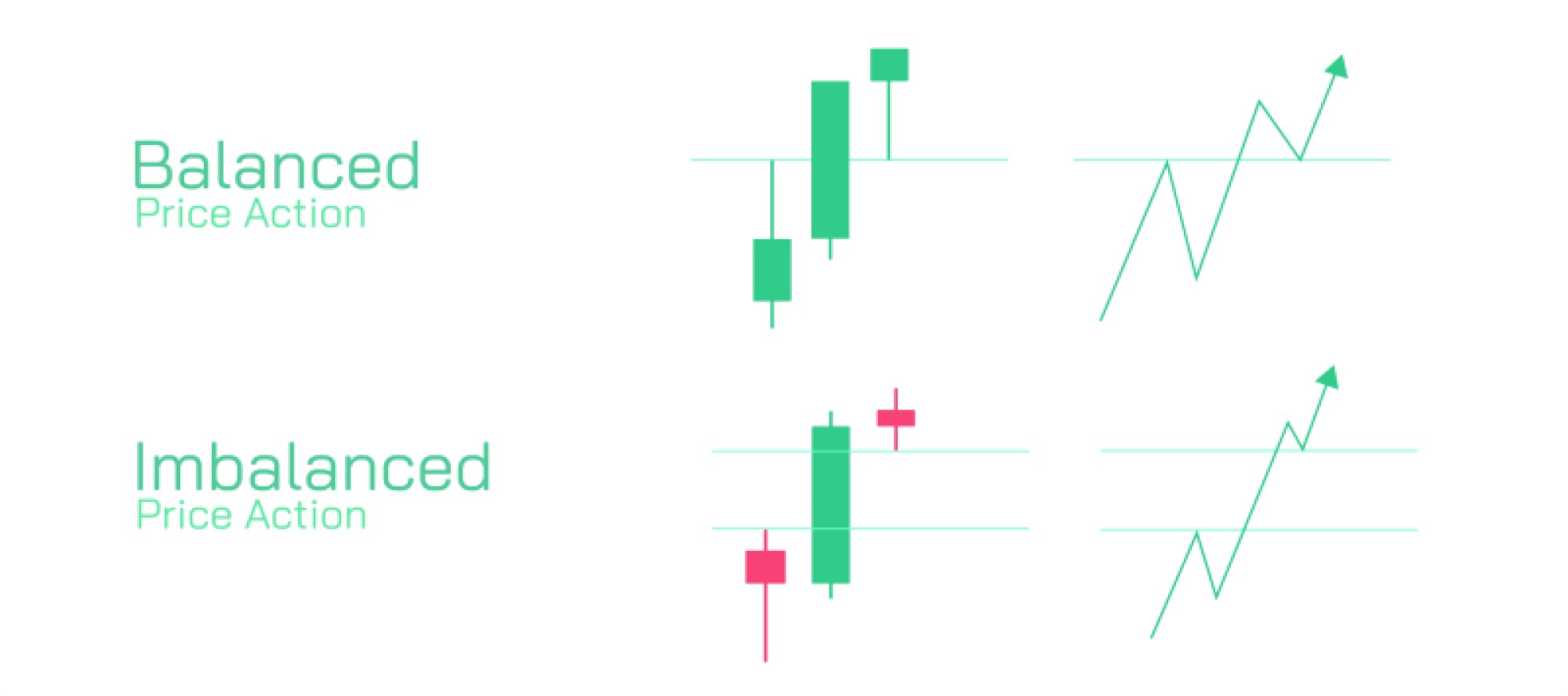
Market imbalance occurs when buying or selling pressure dominates, creating strong directional moves with minimal opposition. This imbalance is the primary cause of FVG formation, as the market fails to absorb all orders at fair prices, leaving unfilled liquidity zones. Candles with long bodies and small wicks often indicate such imbalances, signaling areas where the market may later correct itself. Identifying these zones allows traders to find high-probability entry and exit points, aligning trades with the natural flow of supply and demand.
Market inefficiency arises when prices deviate from true supply-demand equilibrium, often caused by sudden news events, low liquidity periods, or aggressive trend movements. Inefficiency is closely linked to both FVGs and imbalances, as the market tends to return to these areas to restore balance. This corrective behavior is a key principle in technical trading, as it highlights zones where traders can anticipate price reactions.
By analyzing FVGs, imbalances, and inefficiencies, traders can develop strategies for intraday, swing, or long-term trades. These tools provide a clear understanding of market structure, potential reversals, and trend continuation patterns. Combining FVG identification with volume analysis, order flow, and support-resistance levels enhances trading decisions, allowing traders to capture retracements, trend extensions, and high-probability setups.
In conclusion, Fair Value Gaps, market imbalances, and inefficiencies are essential concepts for any trader seeking an edge in the financial markets. They reveal hidden market dynamics, guide strategic entry and exit points, and provide a framework for understanding price behavior. Mastering these tools enhances trading efficiency, helps manage risk, and ensures a systematic approach to navigating volatile market conditions.