Option Trading — Call and Put Explained for Beginners and Investors
Option trading is a type of financial trading involving contracts that give investors the right, but not the obligation, to buy or sell an underlying asset at a specified price within a certain time frame. The two primary types of options are call options and put options, each serving different purposes in investing, risk management, and speculation. Understanding these options is essential for navigating the stock market and derivative markets effectively.
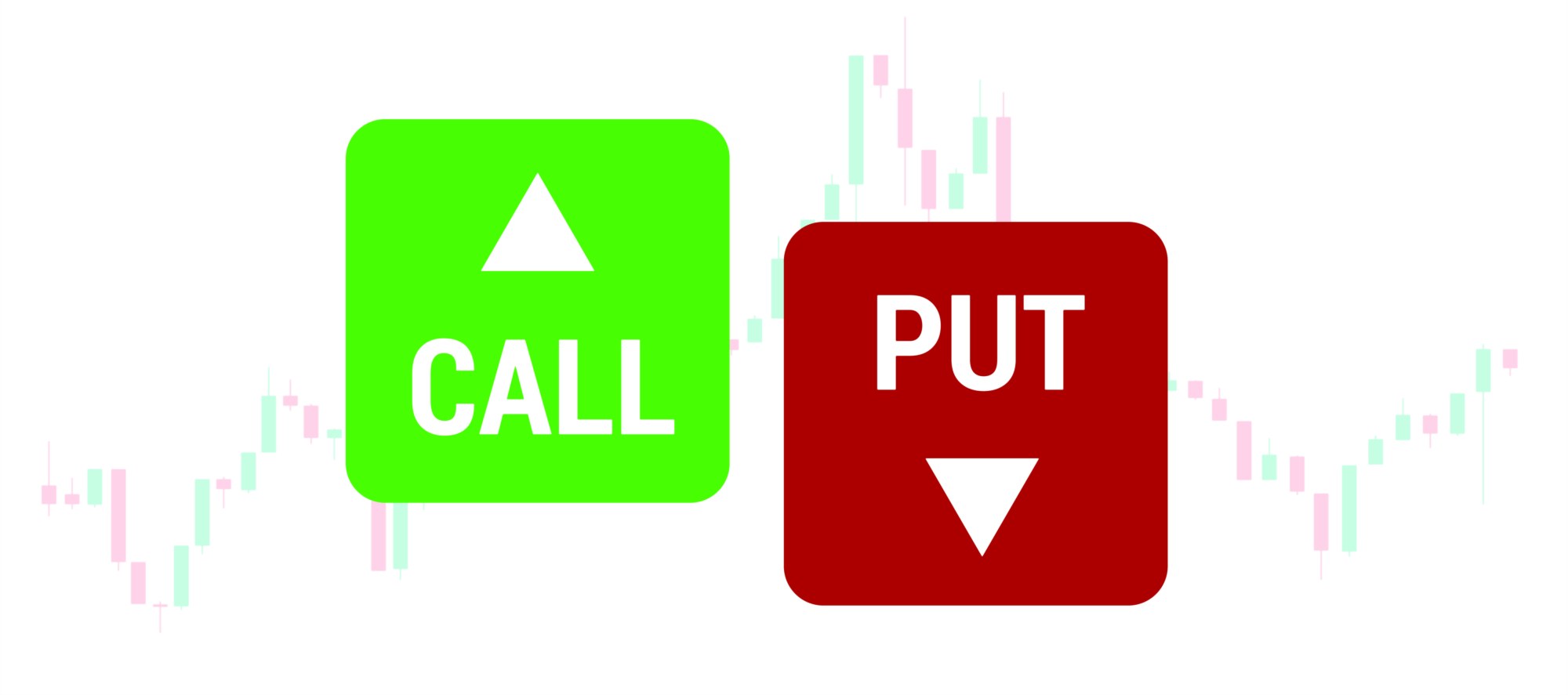
A call option gives the holder the right to buy an asset at a predetermined strike price before the option expires. Investors purchase call options when they anticipate that the price of the underlying asset will rise. By paying a premium for the call option, the buyer can potentially profit from price appreciation without actually owning the asset initially. Sellers of call options receive the premium but have the obligation to sell the asset if the buyer exercises the option. Call options are commonly used to speculate on price increases, hedge short positions, or leverage investments with limited upfront capital.
A put option, in contrast, gives the holder the right to sell an asset at a specified strike price before the option’s expiration. Investors buy put options when they expect the price of the underlying asset to fall. By owning a put option, an investor can profit from a decline in the asset’s value or protect a portfolio from potential losses. Selling put options involves the obligation to buy the asset if the option is exercised by the buyer, while earning the premium. Put options are widely used for hedging long positions, protecting investments, and implementing bearish strategies.
Option trading strategies often combine calls and puts to achieve specific financial goals, including hedging against price volatility, generating income, or speculating on market movements. The profitability of options depends on factors such as the underlying asset’s price, strike price, time to expiration, market volatility, and premium paid or received. Investors must understand risk-reward dynamics, as options can amplify gains but also lead to losses if market expectations are incorrect.
In conclusion, call and put options form the foundation of option trading. Calls allow investors to benefit from rising prices, while puts enable profit from declining prices or protection against losses. Mastering the mechanics of call and put options, including strike prices, premiums, and expiration, empowers investors to manage risk, leverage opportunities, and make informed decisions in the complex world of derivative markets and financial trading.