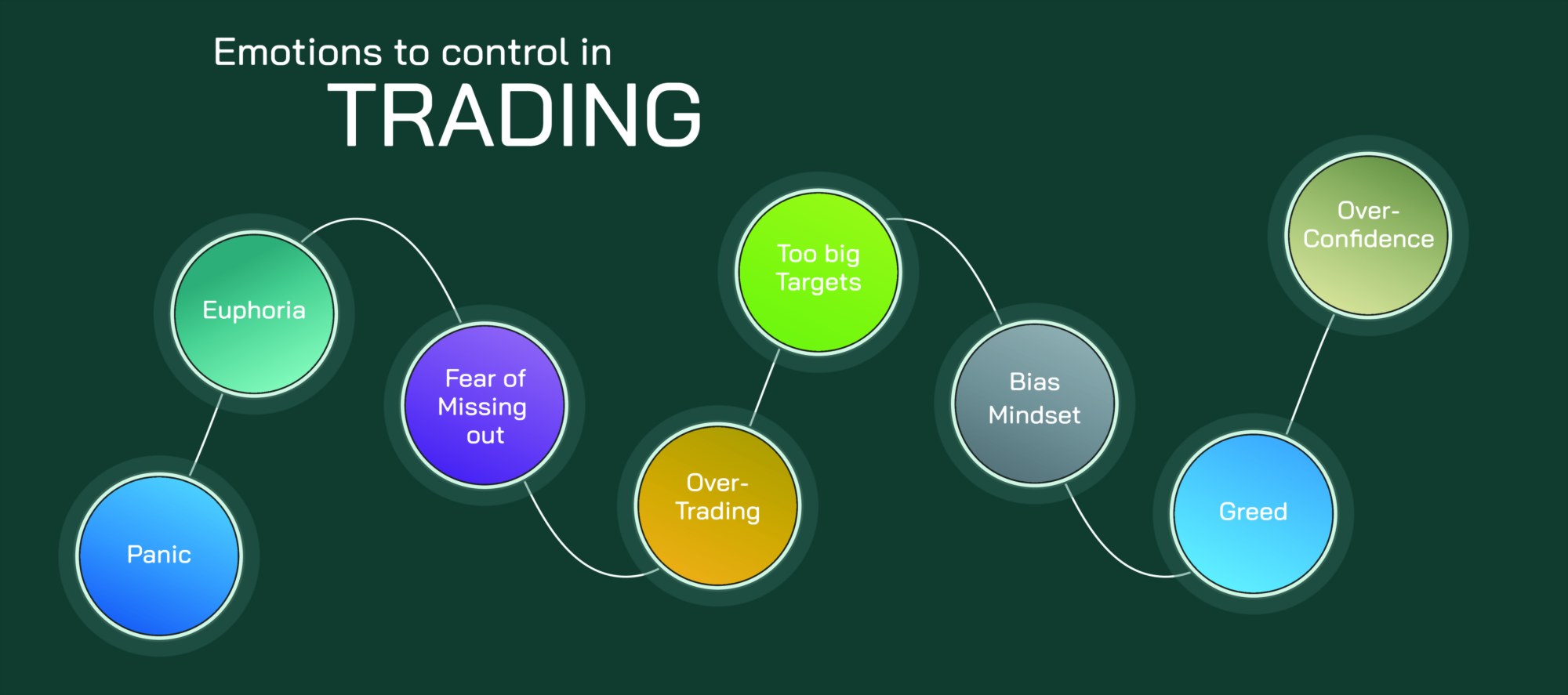
Emotions to Control in Stock Trading: Mastering Psychology for Consistent Profitability
In the world of stock trading, success is often attributed to skill, strategy, and market knowledge, yet the true separator between consistent profitability and repeated failure lies not in indicators, algorithms, or chart patterns, but in the ability to control emotions. Trading is an activity that places the human mind under intense psychological stress because every decision involves uncertainty, risk, and the possibility of loss, and every outcome triggers biological responses rooted in fear and reward. When money is at stake, objectivity becomes difficult and emotions take center stage, shaping decisions far more than logic. This is why two traders can look at the same chart and come to opposite conclusions, and why many traders violate their own rules despite knowing exactly what they should do. The emotional landscape of trading is a battleground where instinct and discipline collide, where the trader must act logically in a setting that stimulates deeply emotional responses. Understanding the emotions involved in trading and learning to control them is not an optional refinement; it is the single most critical foundation on which lasting profitability is built.
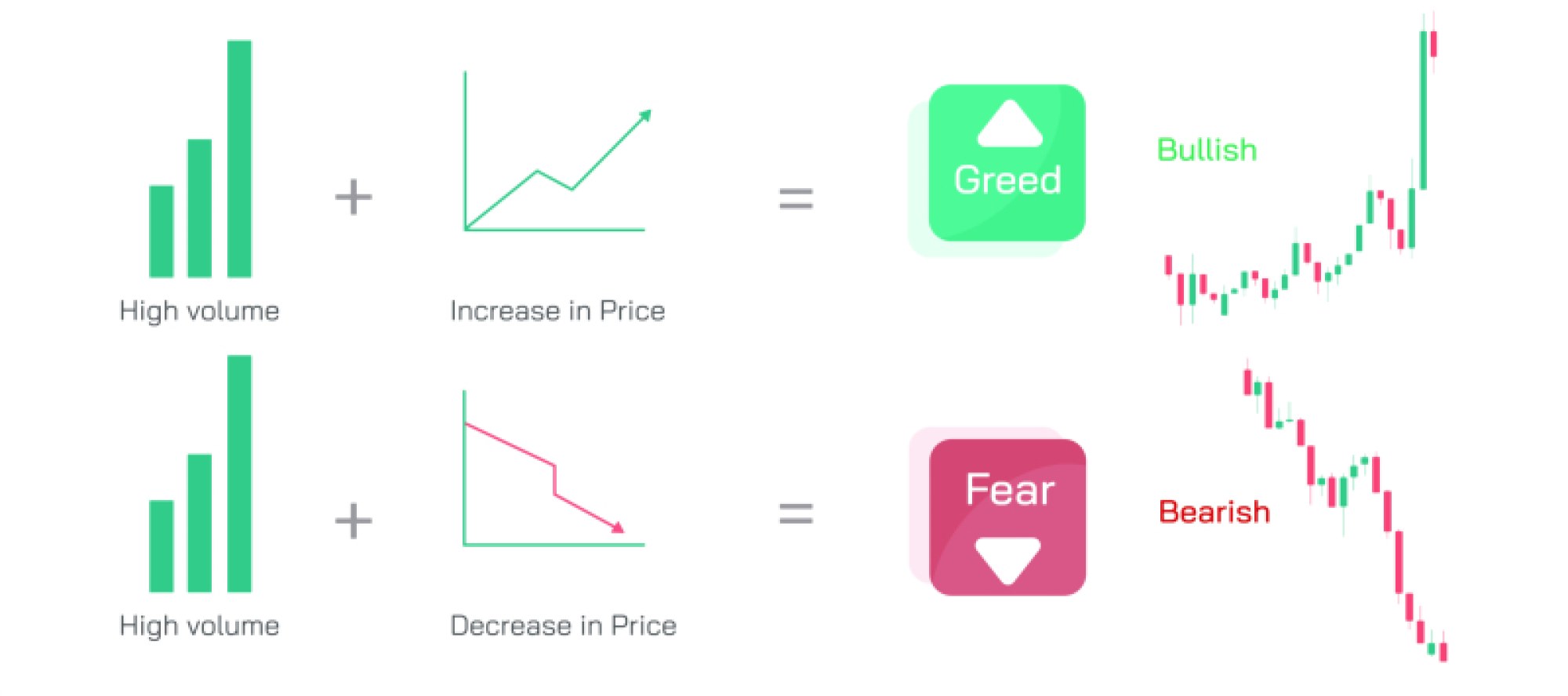
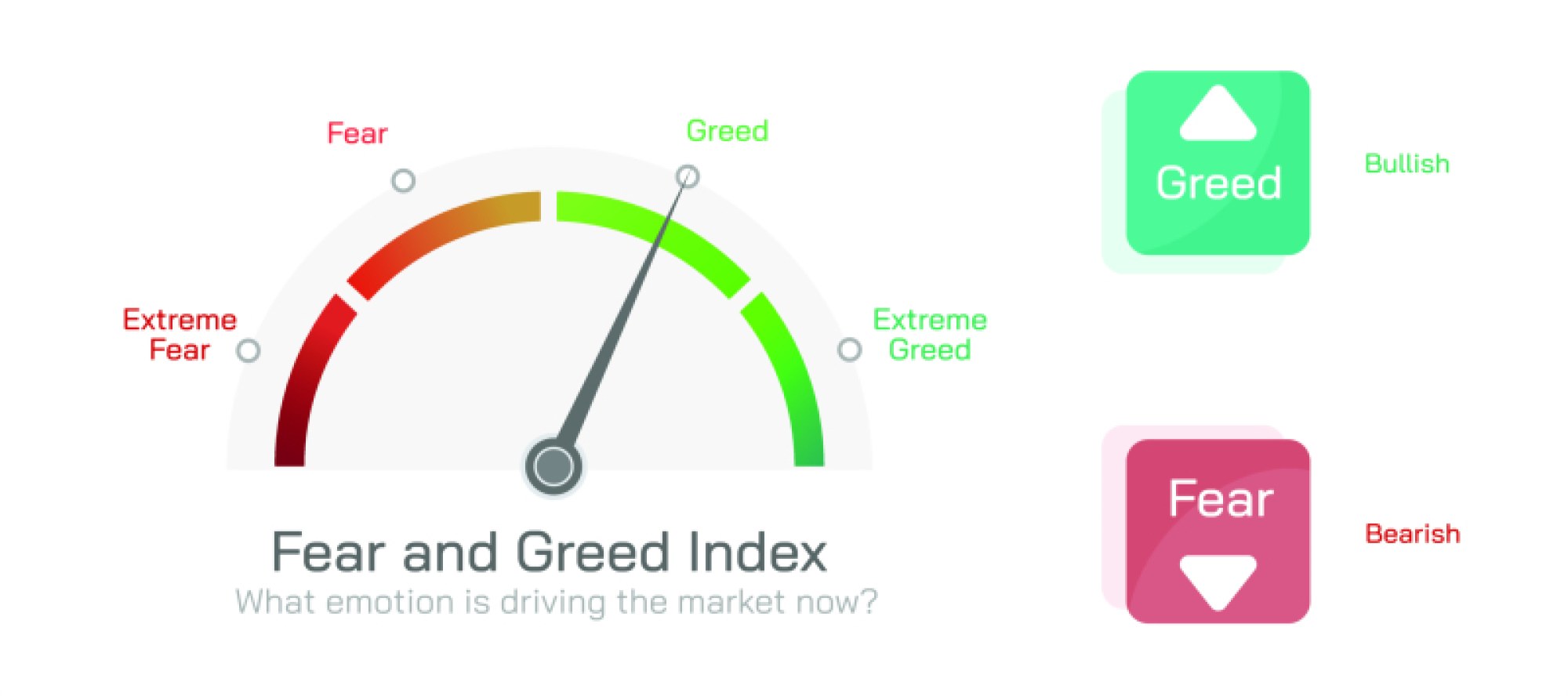
Among all the emotions that influence trading decisions, fear and greed form the core of the psychological cycle that repeats in every financial market. Fear appears in many forms: fear of losing money, fear of missing out on opportunities, fear of being wrong, and fear of giving back profits. These fears push traders into impulsive exits when patience is required and into hesitation when decisive action is needed. Greed, on the other hand, drives traders to hold winning positions longer than their plan allows, to increase position size recklessly, or to abandon risk management in pursuit of exaggerated gains. Fear causes premature selling; greed causes overstaying and overexposure. Together, they pull traders into emotional decision-making, where rules become secondary to impulses. Fear tells a trader to exit too soon because “the market might take it all back,” while greed tells a trader to stay too long because “one more push could double the profit.” In both cases, discipline is sacrificed, and the market takes advantage of emotional imbalance without mercy.
Beyond fear and greed, hope and regret play equally important roles in sabotaging trading decisions. Hope is the emotion that keeps traders holding losing positions because they do not want to realize loss. When a trade moves against them, instead of exiting at the predetermined stop-loss, they hope the market will return and rescue them. Hope turns a planned strategic decision into an open emotional wound, and losses that should have been small become catastrophic. Regret emerges after losses or missed opportunities and rewrites the mind into a cycle of self-criticism and revenge trading. Instead of focusing on the next high-quality setup, the trader becomes obsessed with recovering what was lost or capturing what was missed. This emotional urgency replaces structure with impulsiveness. Revenge trading, driven by regret and frustration, is one of the fastest paths to account ruin because it does not stem from analysis but from the desire to soothe emotional pain. The market becomes not a system to interact with, but an opponent to defeat, and this adversarial mindset leads to escalating risk, impatience, and recklessness.
Another destructive emotional force in trading is overconfidence, a psychological high that emerges after consecutive wins or an unusually profitable trade. Profitable moments produce a dopamine surge in the brain that creates confidence beyond reason, tricking the trader into believing that losses are improbable or that they possess superior skill. During overconfidence, traders increase position sizes, take trades outside their strategy, and loosen risk rules because the market has rewarded them recently. This phase is often followed by a sharp loss, not because the market turned hostile but because discipline evaporated under the intoxication of success. Overconfidence does not arise only from profits; it also arises from external validation, such as when traders brag, receive praise, or develop a sense of identity around their success. In this state, trading ceases to be a structured activity and becomes a performance of ego. The consequence is almost always a painful market correction, not because the trader is wrong about direction, but because the trader is careless with risk.
If overconfidence pushes traders into excessive risk, self-doubt prevents them from taking necessary risk even when the opportunity is valid. After suffering losses or a drawdown period, traders enter a phase of hesitation where they second-guess every decision, doubt their strategy, and mistrust their own judgment. They hesitate to enter trades until it is too late, exit winners too early, and avoid setups that historically provided strong results. Self-doubt, like overconfidence, is emotional rather than logical. It causes traders to assume that future results will reflect past outcomes, producing a negative spiral where fear of failure prevents execution, and the lack of execution reinforces fear. The trader begins to internalize short-term fluctuations as proof of incompetence rather than as inevitable randomness. This emotional paralysis prevents progress even when the strategy still works statistically.
A closely related psychological barrier is impatience, the urge to trade simply because the trader wants action rather than because a valid setup has formed. Impatience arises during quiet markets, drawdowns, or periods of emotional boredom. The trader becomes uncomfortable waiting and begins to seek stimulation from the market rather than opportunity. They take trades that are technically unsound, violate their system, and enter too early or too frequently, believing intuition justifies the decision. The market punishes this behavior through whipsaws, stop-outs, or slow bleeding loss sequences. Impatience also appears in the form of micromanaging open trades—closing prematurely at the slightest fluctuation because the trader cannot tolerate waiting for the plan to unfold. While the strategy may have been correct, emotional interference overrides the logic.
The most dangerous emotional shift occurs when multiple emotions—fear, greed, regret, impatience, self-doubt, and overconfidence—interact with each other rapidly during a trading session. Human psychology evolved for survival and social interaction, not for decision-making under financial risk. Trading amplifies internal conflicts: the brain rewards risk-taking with pleasure and punishes loss with pain, creating a neurological loop that pushes the trader into behaviors that are statistically destructive. The novice mistakenly believes that emotional intensity is a signal of insight, when in reality, emotional intensity signals loss of objectivity. The more emotional the trader becomes, the more likely they are to break rules, remove stops, chase trades, or refuse to accept losses.
To master trading psychology, the objective is not to eliminate emotion but to prevent emotion from making trading decisions. Discipline is not a personality trait but a structure built to counter emotional impulsiveness. This structure takes the form of written plans that outline entry rules, exit rules, risk limits, maximum position size, daily loss limits, and stop trading triggers that activate when emotions take over. The disciplined trader does not trust their feelings when money is moving—they trust their plan. Mastering emotions also involves accepting fundamental truths of trading: losses are inevitable, uncertainty cannot be removed, and the goal is consistency rather than perfection. When a trader stops measuring self-worth through win rate or recent results and instead measures success through process and risk control, emotions lose their power to dictate decisions.
Ultimately, trading is not about conquering the market—it is about conquering oneself. The greatest enemy is not volatility or manipulation, but emotional weakness. The trader who can remain calm during losses, patient during boredom, confident without arrogance during winning streaks, and logically consistent during drawdowns becomes immune to the psychological traps that destroy most accounts. The markets will always present uncertainty, temptation, and emotional provocation, but the trader who masters their inner world transforms trading from an emotional roller coaster into a disciplined execution of probability. In that transformation, consistency emerges not from predicting price perfectly, but from making decisions free from psychological interference—a level of control where mastery of emotion becomes mastery of trading.