Classic CPR vs Woodie CPR in Stock Market Trading: Structure, Calculation Logic, and Price Reaction Dynamics Explained
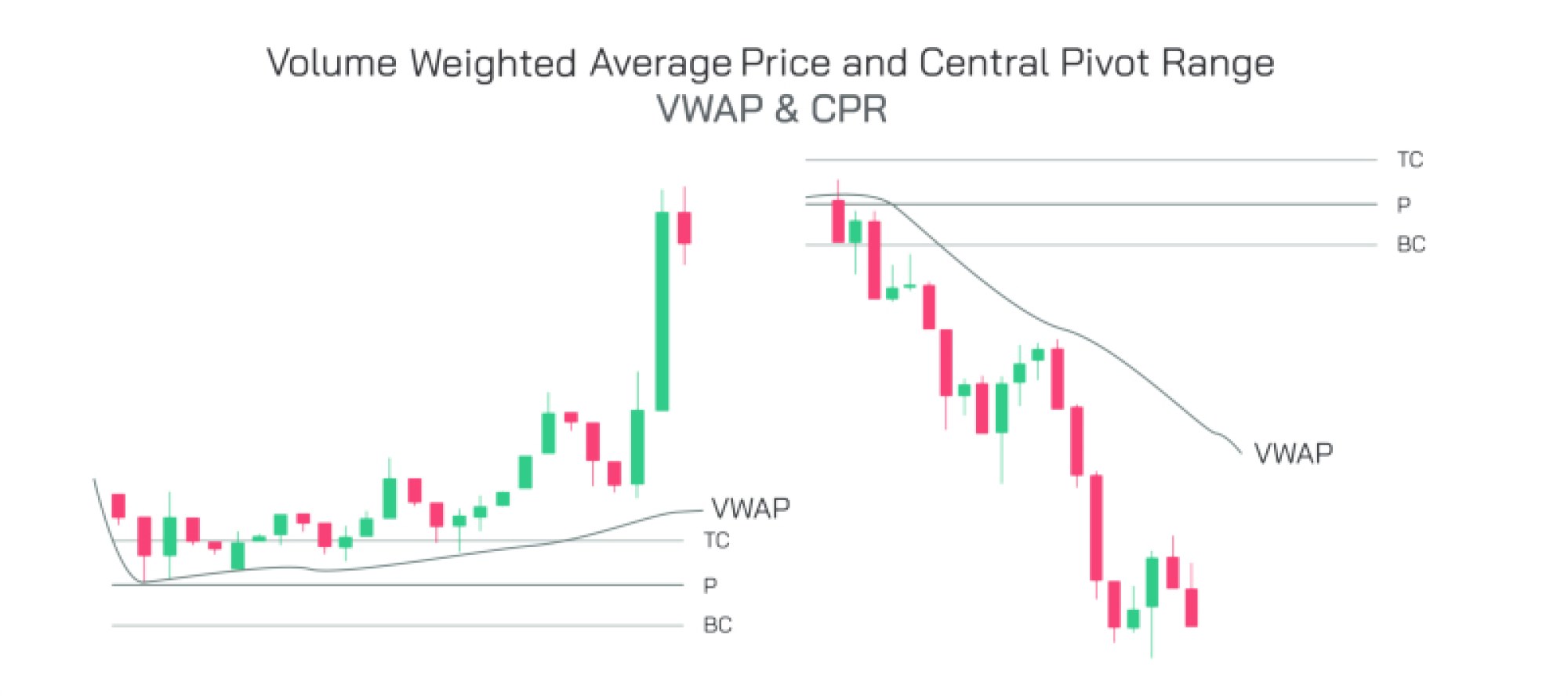
Central Pivot Point Range (CPR) is one of the most widely used price-based reference tools in intraday and swing trading because it defines zones of market equilibrium where institutional traders evaluate value before initiating directional moves. When plotted on a chart, CPR forms three horizontal levels — the Pivot (P), the Bottom Central Pivot (BC), and the Top Central Pivot (TC) — collectively representing the most important interaction band between buyers and sellers for the coming session or trading period. A narrow CPR reveals expectation of trending movement because price has little room to rotate before breaking equilibrium; a wide CPR indicates a likely sideways or balanced market because price can fluctuate within the wide band before directional bias emerges. Over time, traders began to adopt two major calculation frameworks for CPR: Classic CPR and Woodie CPR. These two approaches use different mathematical weights to derive the pivot and its upper and lower reference ranges, but their influence extends beyond numbers. The difference between Classic CPR and Woodie CPR reveals how the market reacts around previous session sentiment, how traders gauge institutional behavior, and how price psychology shifts as momentum builds or weakens. Understanding how and why the two CPR methods differ provides traders with greater clarity when navigating volatility, identifying expected reversal zones, and anticipating directional breakout opportunities.
Classic CPR is the most historically rooted form of pivot point calculation and reflects an interpretation of price that gives equal importance to the previous day’s high, low, and close. The idea behind Classic CPR is that a market achieves fair equilibrium when the midpoint of the entire high–low range, plus the closing price — representing the final agreement of value — are considered together. In Classic CPR, the pivot (P) is calculated using the simple average of the high, low, and close. Once the pivot is established, BC and TC are determined using the distances between the high and low relative to the pivot. Because this model distributes weight equally between the entire price range and the closing price, it expresses the concept of balanced settlement, assuming that neither buyers nor sellers overwhelmingly dominated the closing session. When Classic CPR is narrow, it suggests price agreement was extremely tight, implying larger displacement is probable in the next session. When Classic CPR is wide, it indicates indecision, consolidation, or rotational control, suggesting that the next session may remain range-bound unless strong volume enters and breaks beyond TC or BC. The Classic CPR model is well-suited for markets where liquidity is evenly distributed throughout the trading day and where the close is viewed as a natural consensus point.
Woodie CPR, on the other hand, originates from an alternative philosophy that places greater emphasis on the closing price as the dominant representation of trader sentiment. Woodie CPR uses the close price twice in its pivot calculation, making it more sensitive to the emotional conclusion of the previous session. Whereas Classic CPR treats the high, low, and close equally, Woodie CPR treats the close as the anchor of sentiment and uses high and low to adjust the reference zone around it. As a result, Woodie CPR reacts more strongly to sessions that end near extremes — bullish closes produce a higher-set CPR, often indicating buyer dominance, and bearish closes produce a lower-set CPR, often indicating seller dominance. Woodie CPR can appear shifted upward or downward compared to Classic CPR because it reflects momentum bias rather than equilibrium bias. BC and TC in the Woodie model are calculated using the weighted pivot point rather than being derived primarily from the high–low distance as in the Classic model. This makes Woodie CPR especially useful in fast-moving or news-sensitive markets where the closing price may capture the real directional intention of institutional flows rather than simply acting as one data point among three.
Although the mathematical inputs appear only subtly different, price often reacts differently around Classic CPR and Woodie CPR because the reference values emphasize different psychological conditions. Classic CPR functions like a neutral battlefield — traders use it to determine whether price is rotating within fair value or breaking outside it to begin trending discovery. Price approaching Classic TC from below and being rejected indicates continued equilibrium; breaking TC with momentum signals fresh initiative buying. Similarly, price dropping toward BC and finding support indicates range development, while breaking BC signals aggressive selling. Woodie CPR behaves differently because it leans directionally based on closing pressure. When the market closes strongly bullish, Woodie CPR may be positioned higher, meaning that price does not need to travel far before interacting with expected breakout or continuation levels. A bullish continuation across Woodie CPR looks more natural than across Classic CPR because the Woodie range already accounts for a momentum-weighted start. Conversely, when the close is bearish, Woodie CPR sits lower, and bearish continuation unfolds more fluidly. In this way, Woodie CPR amplifies continuation probability, while Classic CPR amplifies reaction probability, reflecting two competing philosophies about how markets transition across sessions.
The strategic differences become pronounced when traders analyze price interaction patterns. In Classic CPR, price frequently oscillates multiple times between BC and TC before committing to a direction, giving range traders numerous opportunities to fade extremes or scalp rotations. A breakout from Classic CPR usually requires sustained volume because the Classic range resists directional exploitation until imbalance becomes decisive. In Woodie CPR, breakouts can occur earlier with fewer retests because the weighted pivot already accounts for an emotional close. Trending markets therefore tend to align more smoothly with Woodie CPR, while consolidating markets behave more predictably around Classic CPR. This explains why momentum traders often gravitate toward Woodie CPR while swing and range traders often gravitate toward Classic CPR.
The choice between Classic and Woodie CPR also affects higher-time-frame bias. Many traders use CPR trend across multiple days to estimate directional tone. When the CPR shifts upward over consecutive days, the market exhibits a bullish trend; when it shifts downward over consecutive days, the trend is bearish; when CPR values compress tightly, a breakout is likely; and when CPR values widen, balance is dominant. With Classic CPR, multi-day trends emerge more slowly because CPR shifts only when the previous day’s entire range and close combine to influence the next session. With Woodie CPR, multi-day CPR shifts can appear more rapidly because the closing price has extra influence — producing sharper upward or downward CPR movement during trending conditions.
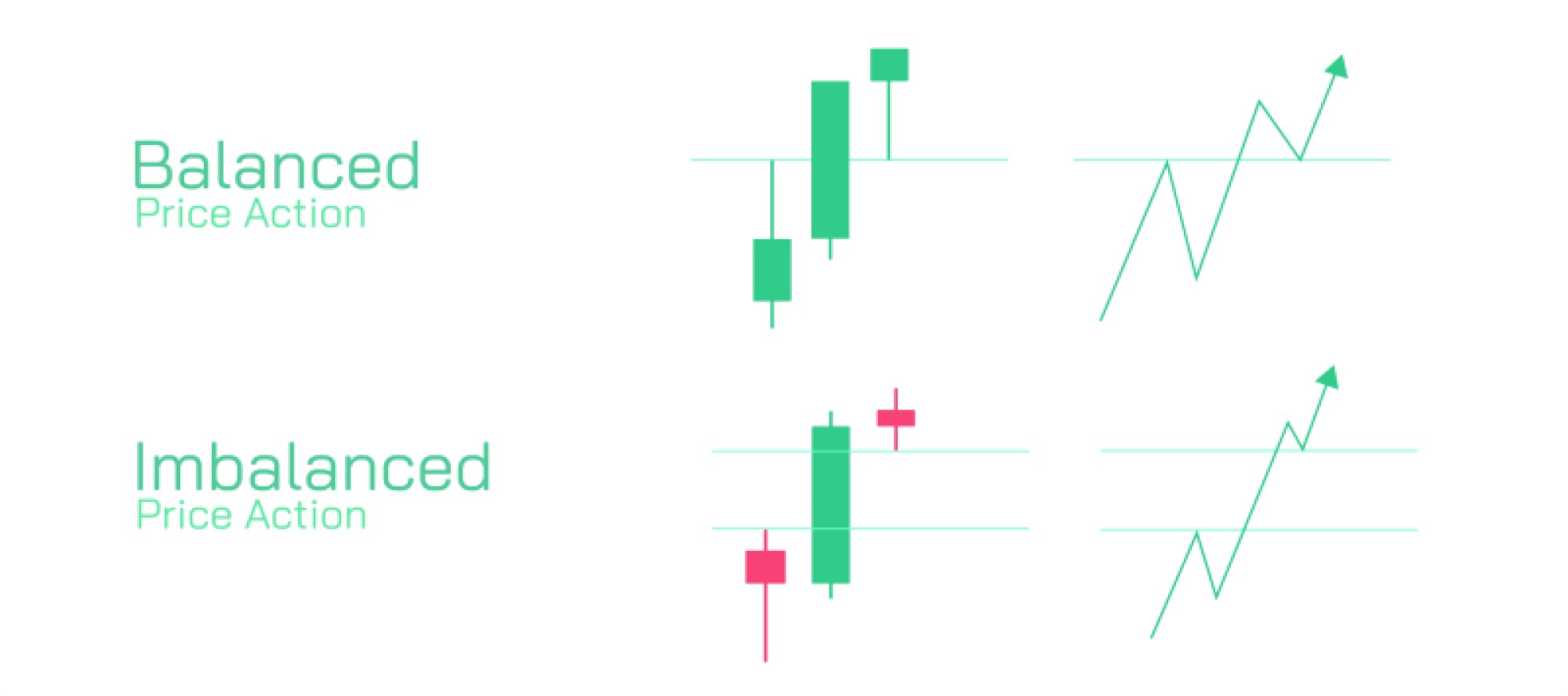
Where the two models converge is in how price resolves imbalance. If price breaks above both Classic TC and Woodie TC with momentum, the high-probability continuation region is the same because both models signal displacement beyond equilibrium. Likewise, if price collapses below both BC levels, bearish continuation becomes equally valid. Differences arise most clearly when Classic CPR indicates neutrality but Woodie CPR indicates directional bias — a combination that often precedes trap conditions where retail traders misread consolidation or momentum. Traders who understand the distinction between neutral balance and close-weighted bias gain an advantage in anticipating whether the next session is more likely to behave rotationally or impulsively.
Ultimately, the comparison between Classic CPR and Woodie CPR reflects two complementary perspectives on market structure. Classic CPR assumes that the market recalibrates around a neutral consensus derived from high, low, and close, producing reliable reaction zones for rotation-based strategies. Woodie CPR assumes that the closing price embodies dominant sentiment, producing sensitivity to follow-through momentum and early directional continuation. When used together rather than exclusively, they provide an even richer lens: Classic CPR shows where price should rotate if balance prevails, while Woodie CPR shows where price may accelerate if directional conviction prevails. Whether markets deliver slow accumulation, sharp breakout, failed breakout, or liquidity-driven reversal depends not on one model alone but on the dynamic interplay between equilibrium and sentiment. When traders view CPR through this dual framework, candle charts stop appearing random and instead reveal the psychological and structural negotiation that links one trading session to the next — a negotiation between neutrality and dominance, between balance and imbalance, between buyers and sellers who are constantly deciding whether value should remain where it is or be discovered somewhere new.