Trading Psychology — Mastering Mindset, Emotions, and Decision-Making in Markets
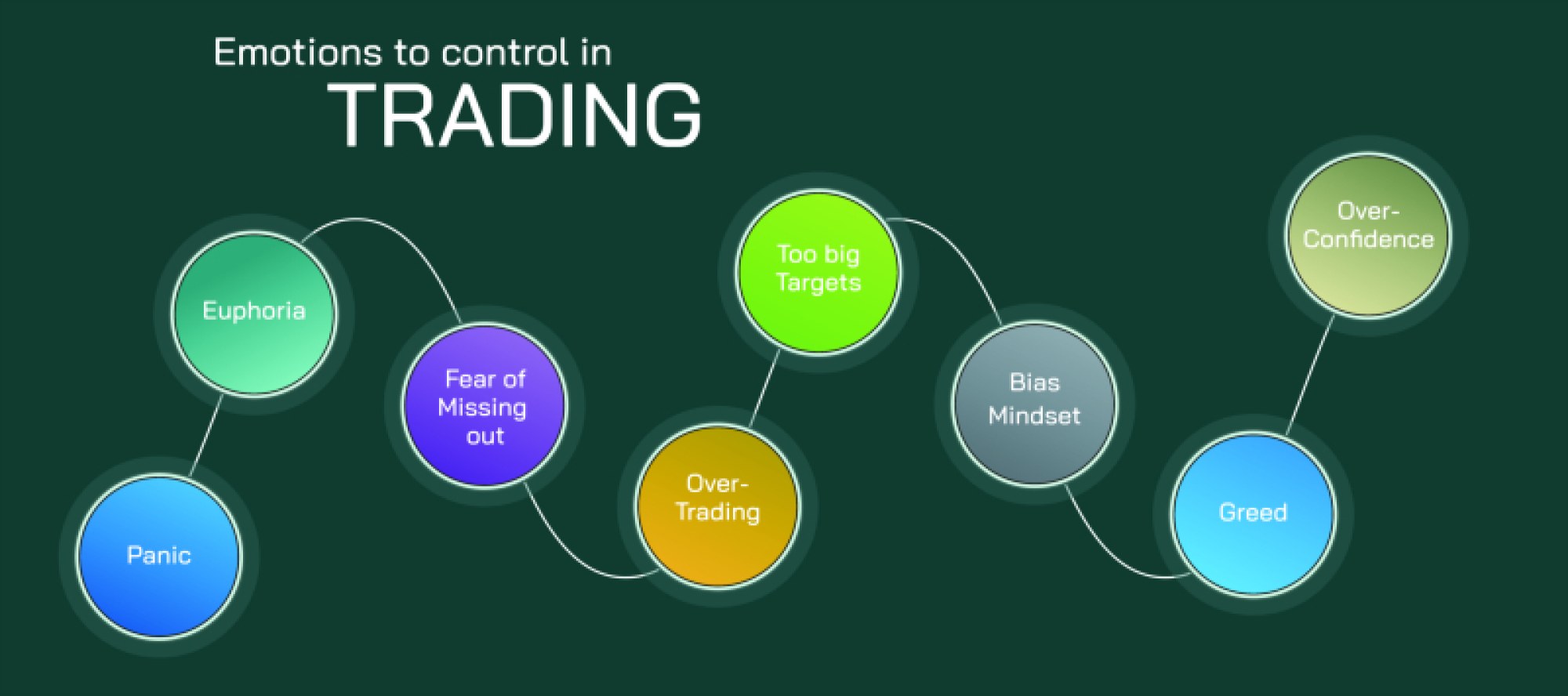
Trading psychology is the study and practice of understanding and managing the emotional and mental aspects of trading in financial markets. Success in trading, whether in stocks, forex, or cryptocurrencies, depends not only on strategies, technical analysis, and market knowledge but also on the ability to control emotions, maintain discipline, and make rational decisions under pressure. Traders often face stress, fear, greed, and overconfidence, which can lead to impulsive actions and financial losses. Developing strong trading psychology is therefore essential for consistent performance.
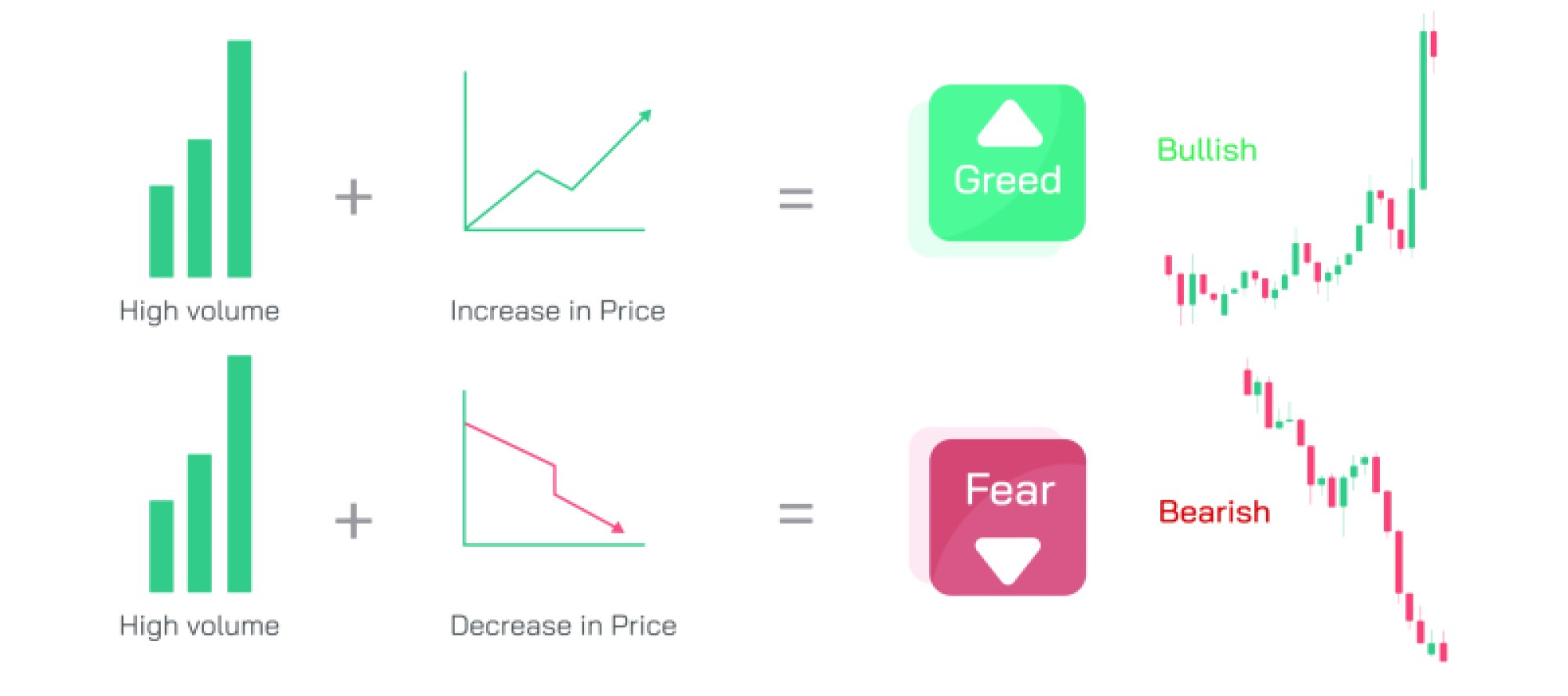
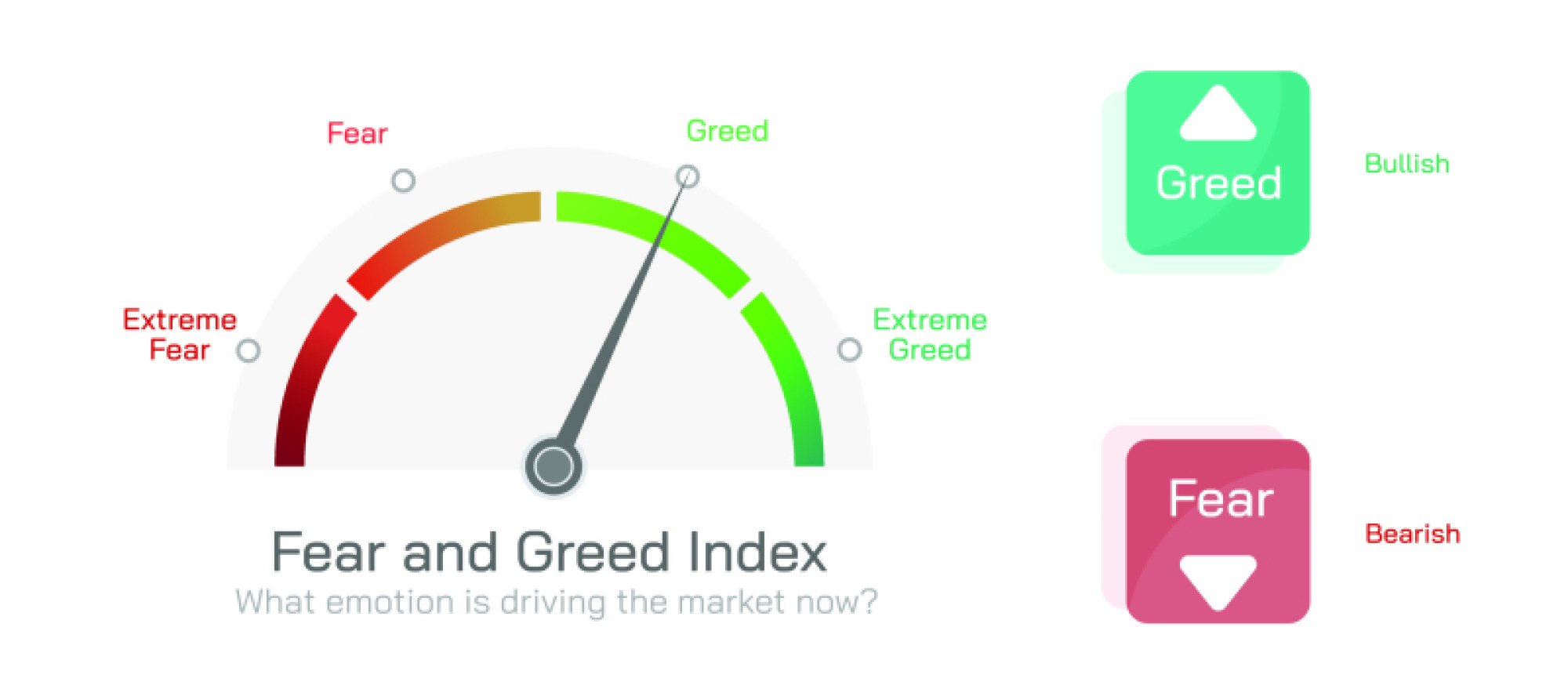
A key element of trading psychology is emotional control. Fear and panic can cause traders to exit positions prematurely, while greed may lead to overleveraging or holding onto losing trades for too long. Understanding these emotional triggers helps traders implement strategies that reduce impulsive decisions. Discipline in following a trading plan, setting stop-losses, and sticking to risk management rules ensures that emotions do not override rational decision-making.
Another critical aspect is cognitive bias awareness. Traders often experience biases such as confirmation bias, recency bias, and loss aversion, which can cloud judgment and affect trading decisions. By recognizing these biases, traders can objectively analyze market conditions, assess risk, and make better-informed choices. Building confidence through experience, backtesting strategies, and continuous learning contributes to mental resilience, reducing the impact of negative emotions on trading performance.
Patience and consistency are fundamental principles in trading psychology. Successful traders understand that not every market opportunity needs to be acted upon and that losses are part of the trading journey. Maintaining a long-term perspective, focusing on process rather than individual trades, and keeping a trading journal to reflect on decisions and mistakes strengthens psychological resilience. Mindfulness, stress management techniques, and mental preparation before trading sessions further enhance the ability to remain calm and focused during volatile market conditions.
In conclusion, trading psychology is a vital component of financial market success. Mastering emotional control, discipline, awareness of cognitive biases, and consistent decision-making allows traders to navigate market volatility effectively. By developing a strong trader mindset, maintaining focus, and building psychological resilience, investors can improve performance, reduce mistakes, and achieve long-term profitability in stock, forex, and cryptocurrency trading.