Stock Market Fear and Greed Index — Understanding Market Sentiment and Investor Behavior
The Fear and Greed Index is a widely recognized tool in financial markets that measures overall investor sentiment, reflecting the emotions and psychology driving market behavior. This index is based on the premise that fear and greed are two of the most powerful forces influencing stock market decisions. Extreme fear can lead investors to sell assets prematurely, often creating buying opportunities, while extreme greed may encourage excessive risk-taking, driving prices beyond sustainable levels. By tracking the balance between these emotions, the index provides valuable insights into market trends, potential reversals, and the timing of strategic trading decisions.
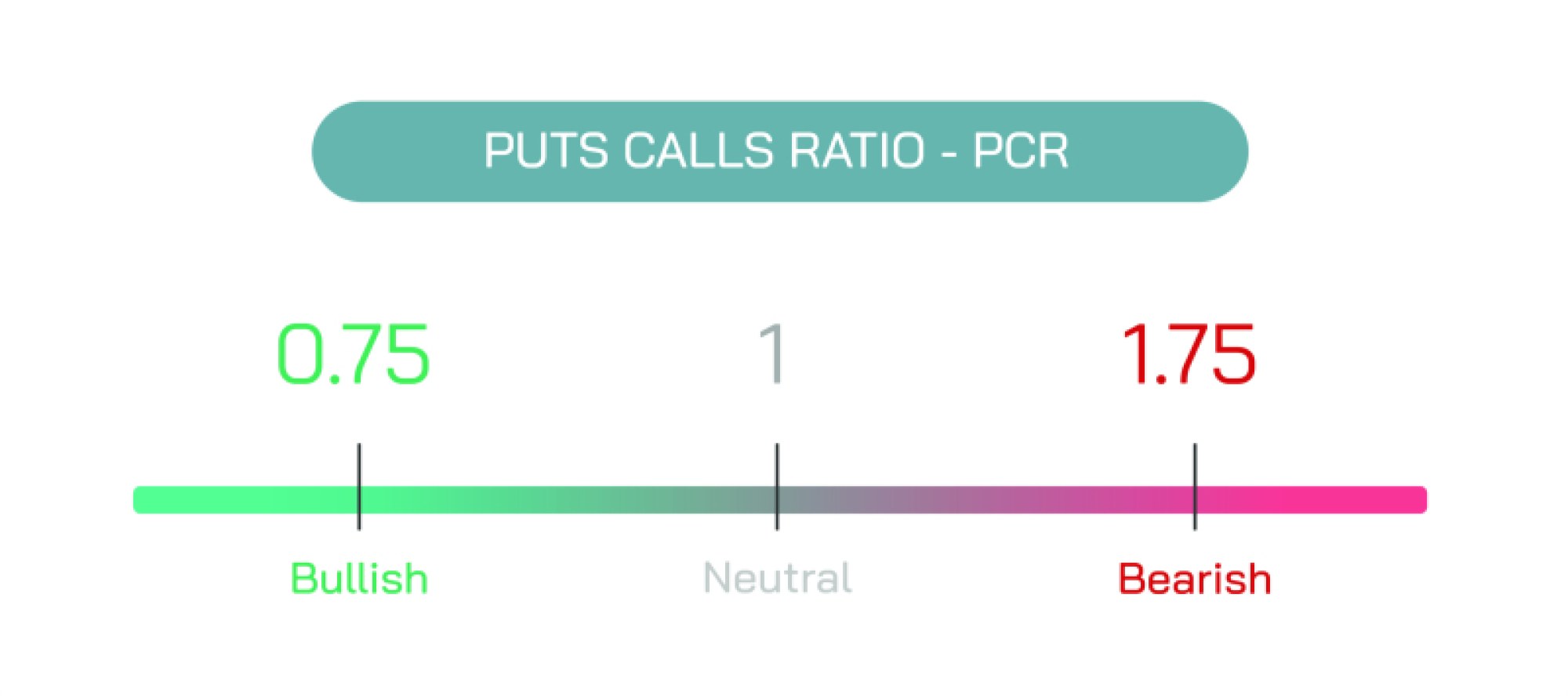
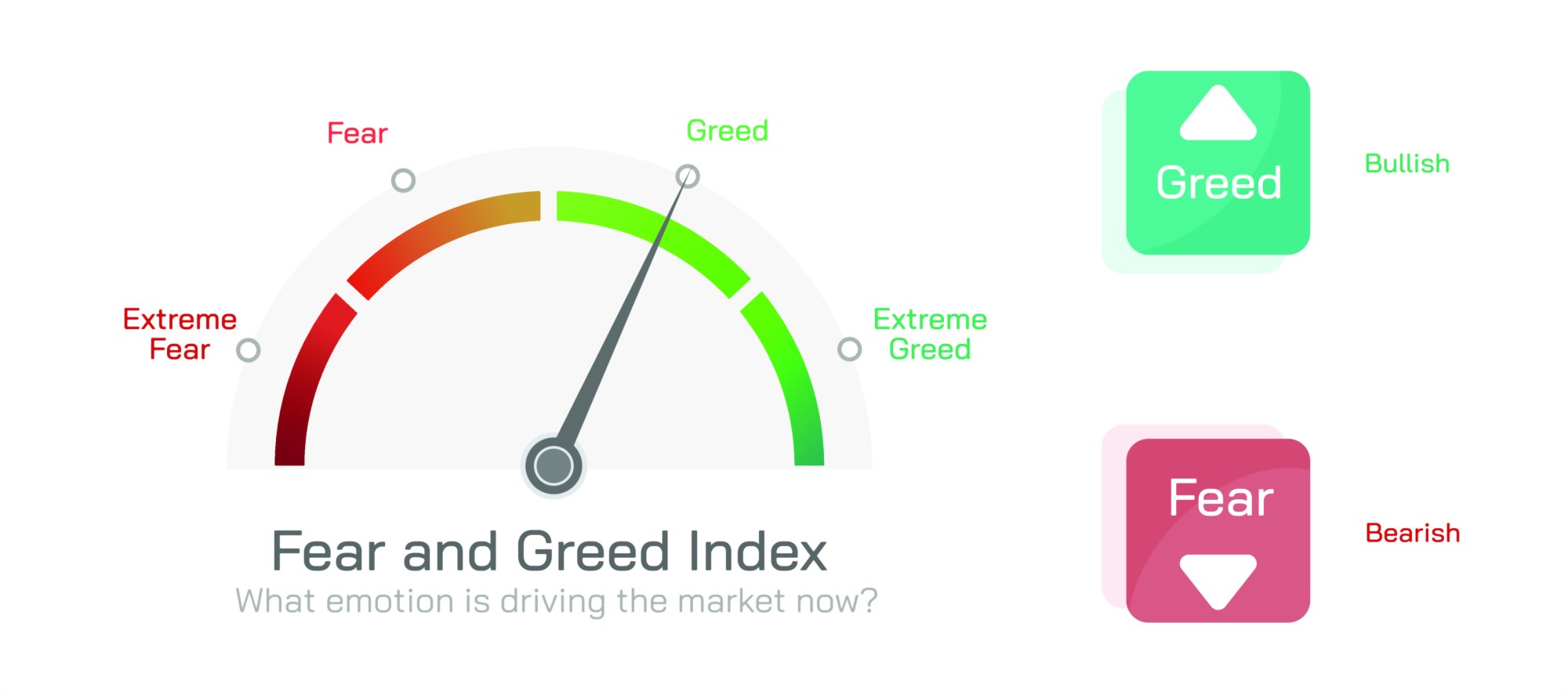
The Fear and Greed Index incorporates multiple market indicators to gauge investor sentiment. These include price momentum, market volatility, stock price strength, put and call option ratios, and safe-haven demand. By analyzing these factors collectively, the index offers a snapshot of whether the market is currently dominated by fear, indicating caution and potential risk aversion, or by greed, signaling optimism and aggressive investment behavior. Investors and traders use this tool to align their strategies with prevailing market conditions, identifying potential entry and exit points, as well as evaluating the likelihood of trend continuation or reversal.
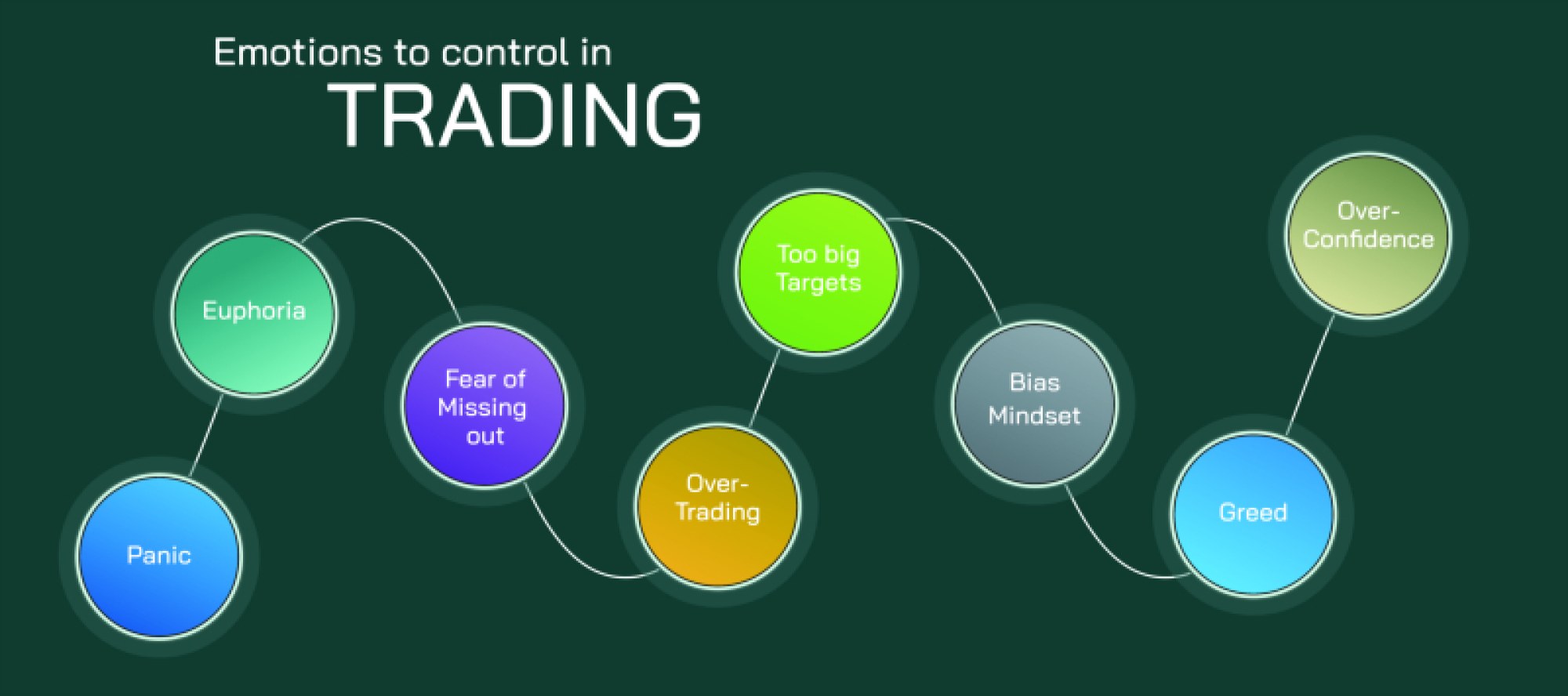
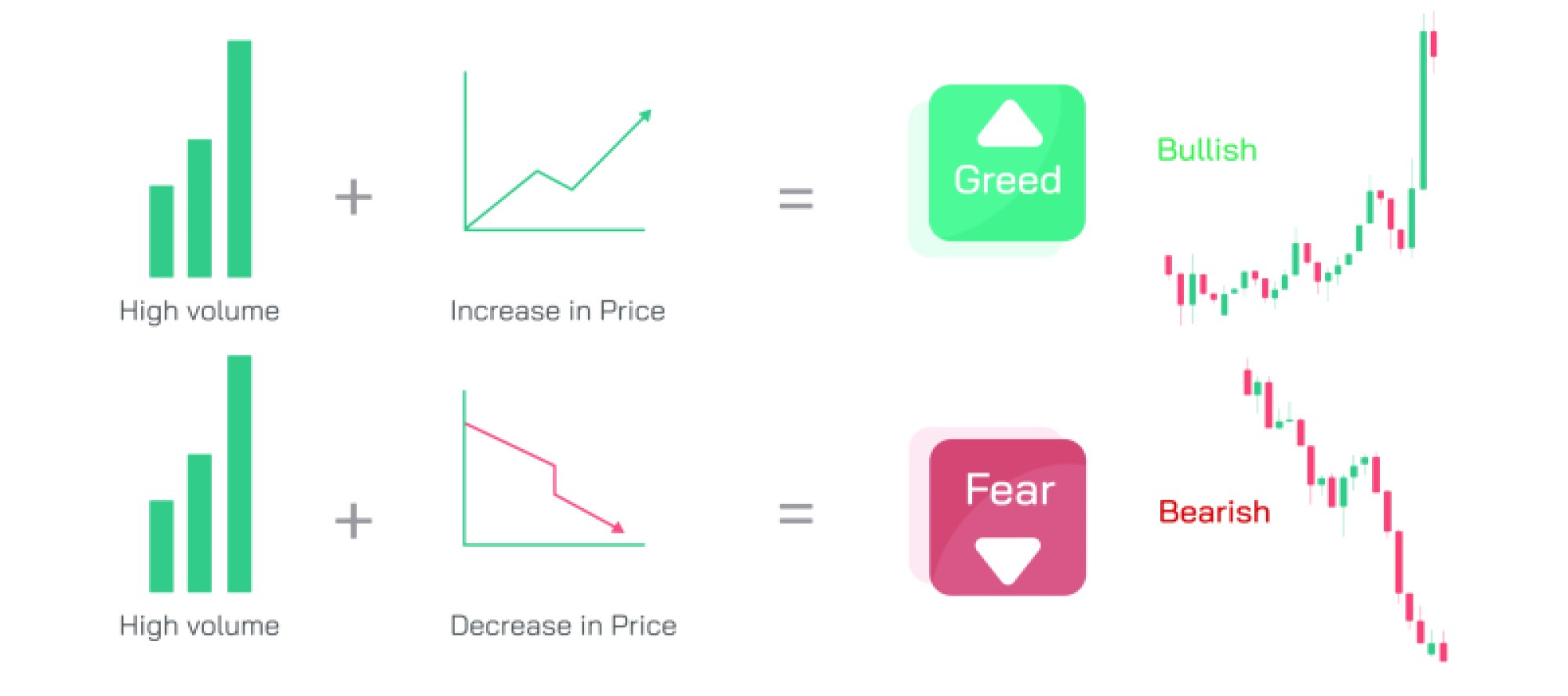
Understanding the Fear and Greed Index requires appreciating its psychological foundation. Investor behavior is often driven by emotions rather than purely rational analysis, and market sentiment can create self-reinforcing trends. For example, widespread fear may result in selling pressure, lowering prices further and amplifying negative sentiment. Conversely, widespread greed may push asset prices higher, creating overbought conditions that could lead to corrections. The index serves as a behavioral compass, helping market participants interpret emotional extremes and make more informed, disciplined decisions.
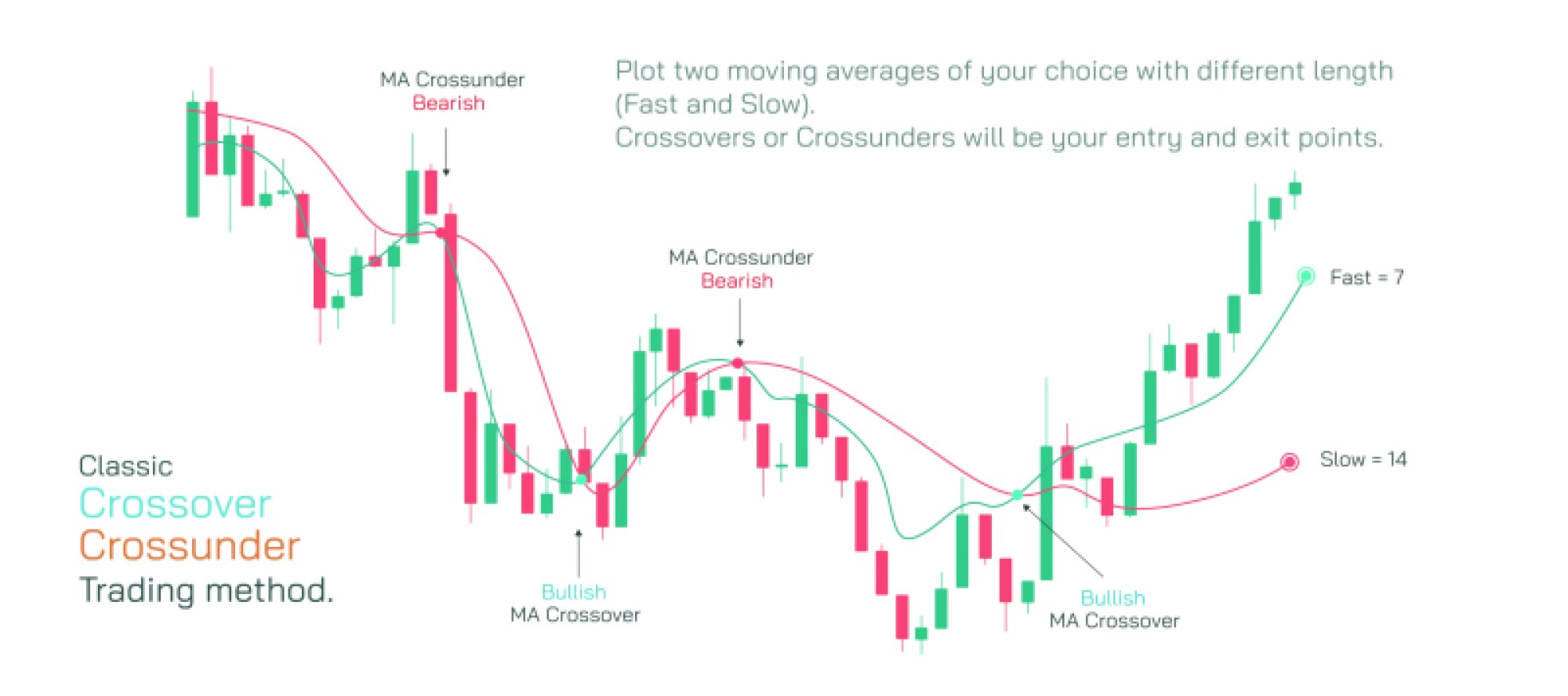
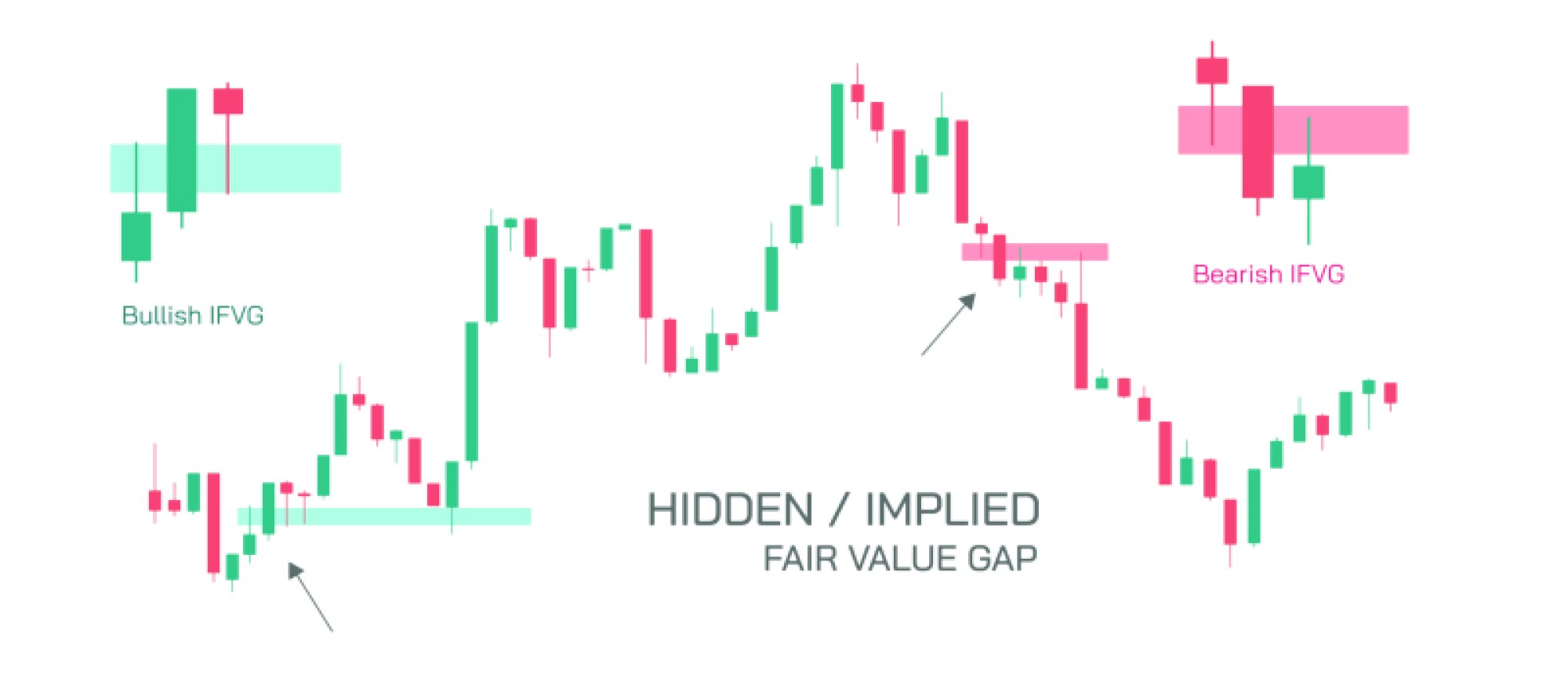
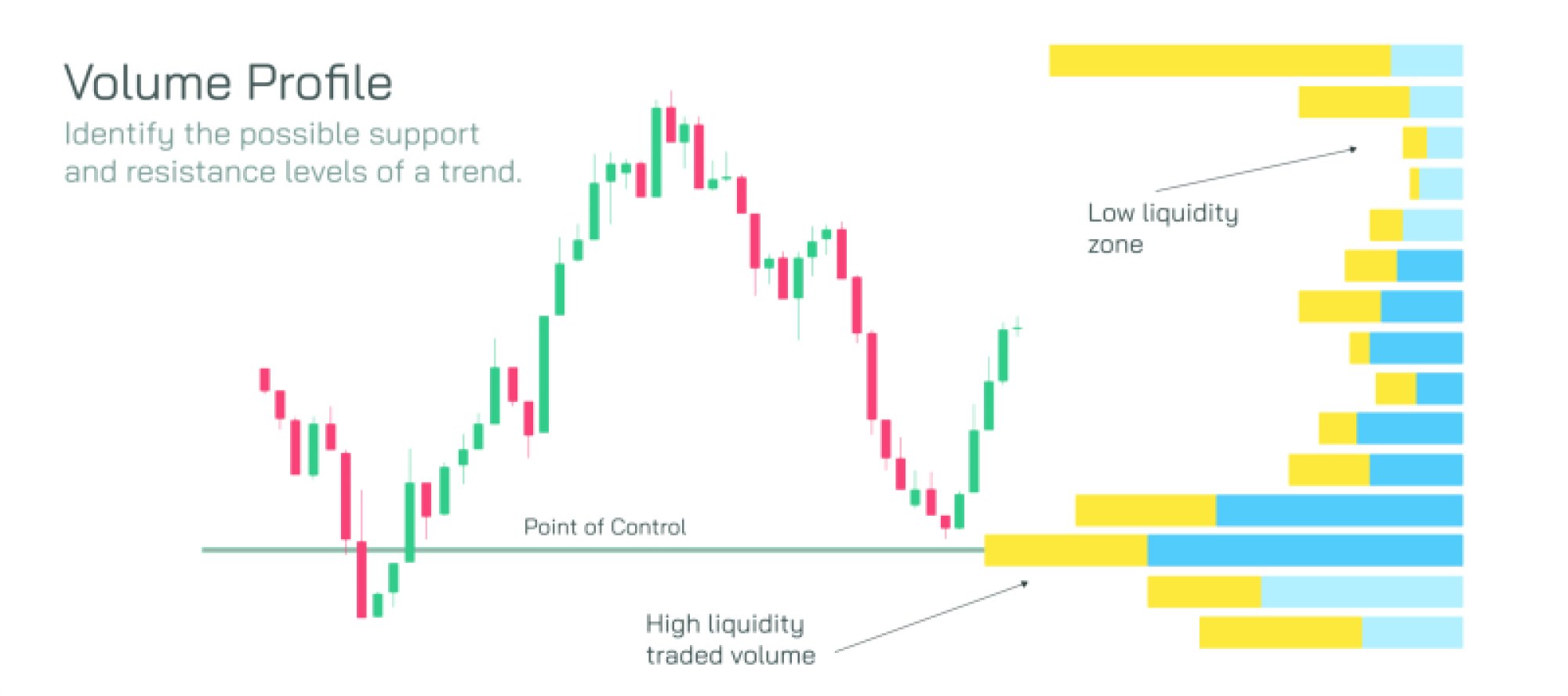
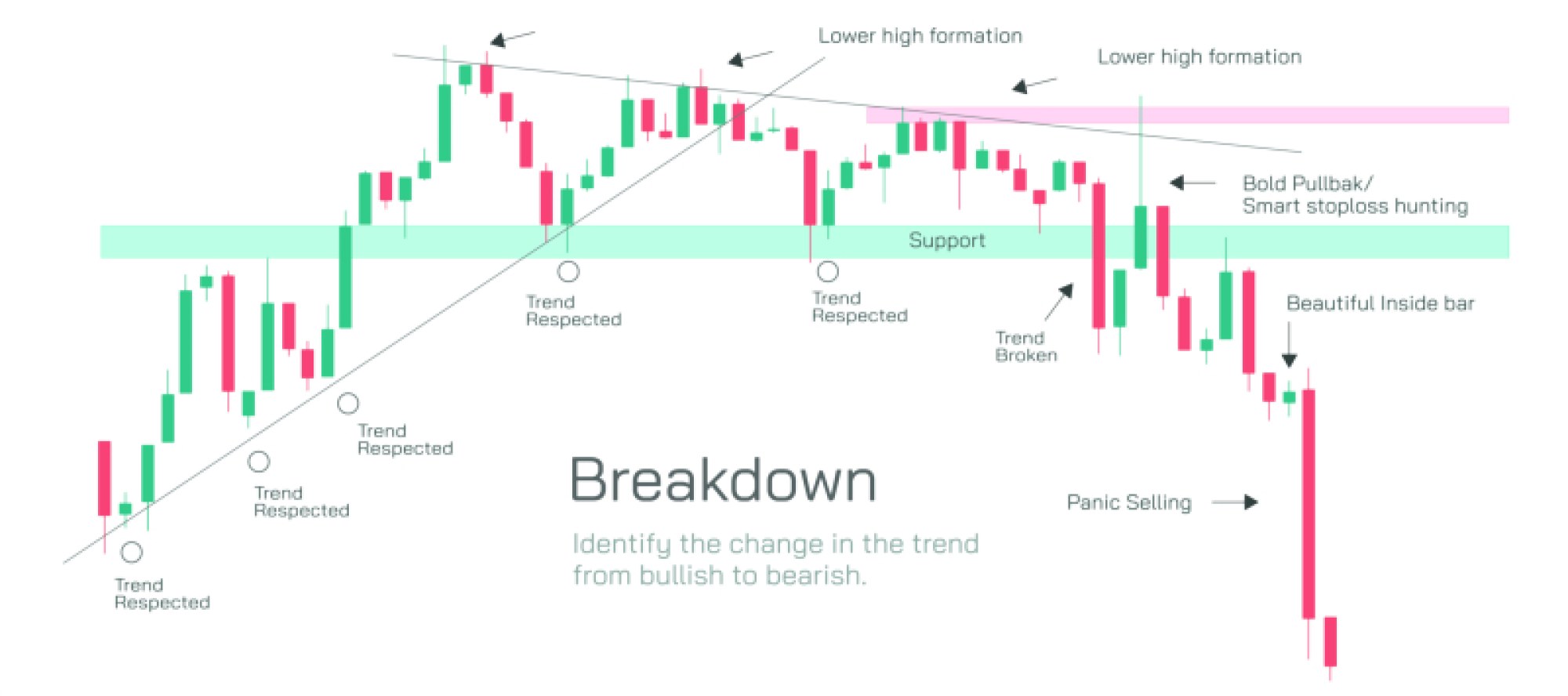
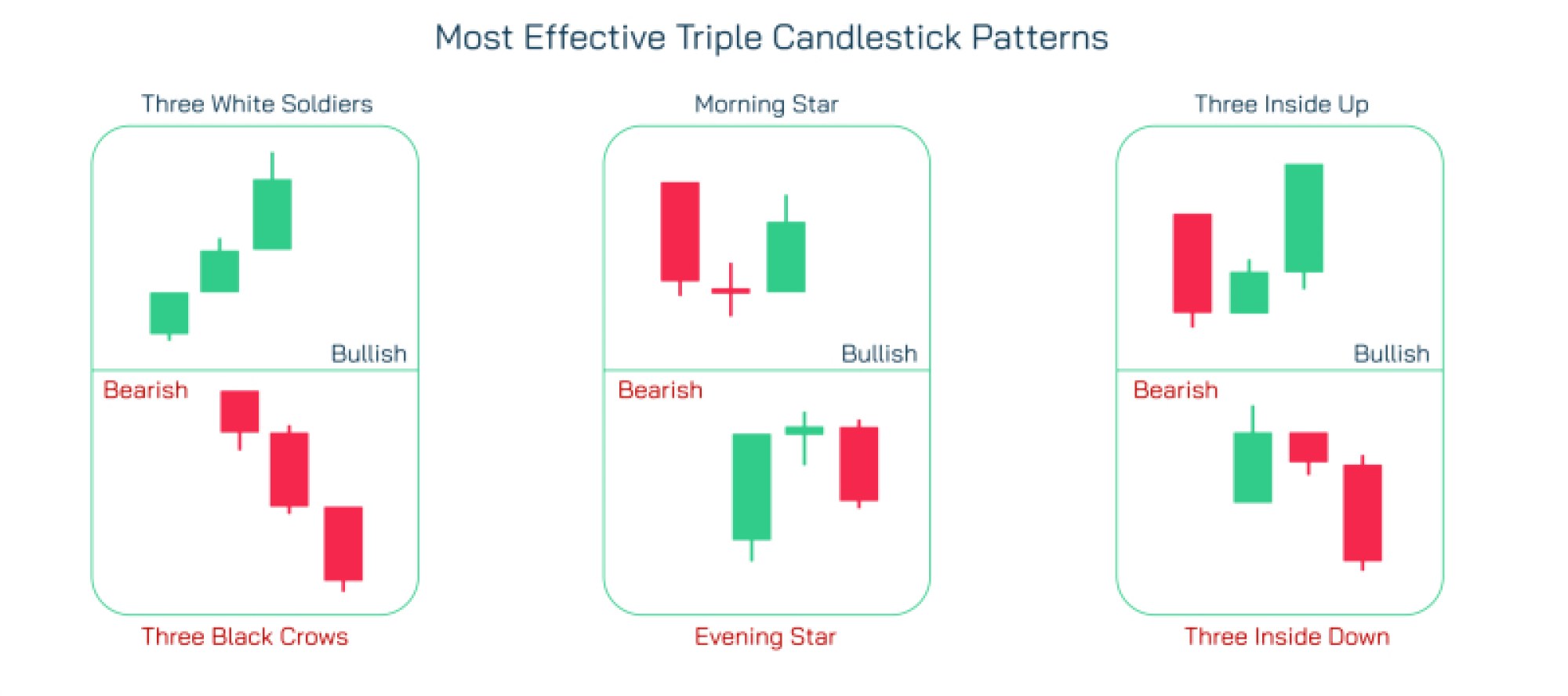
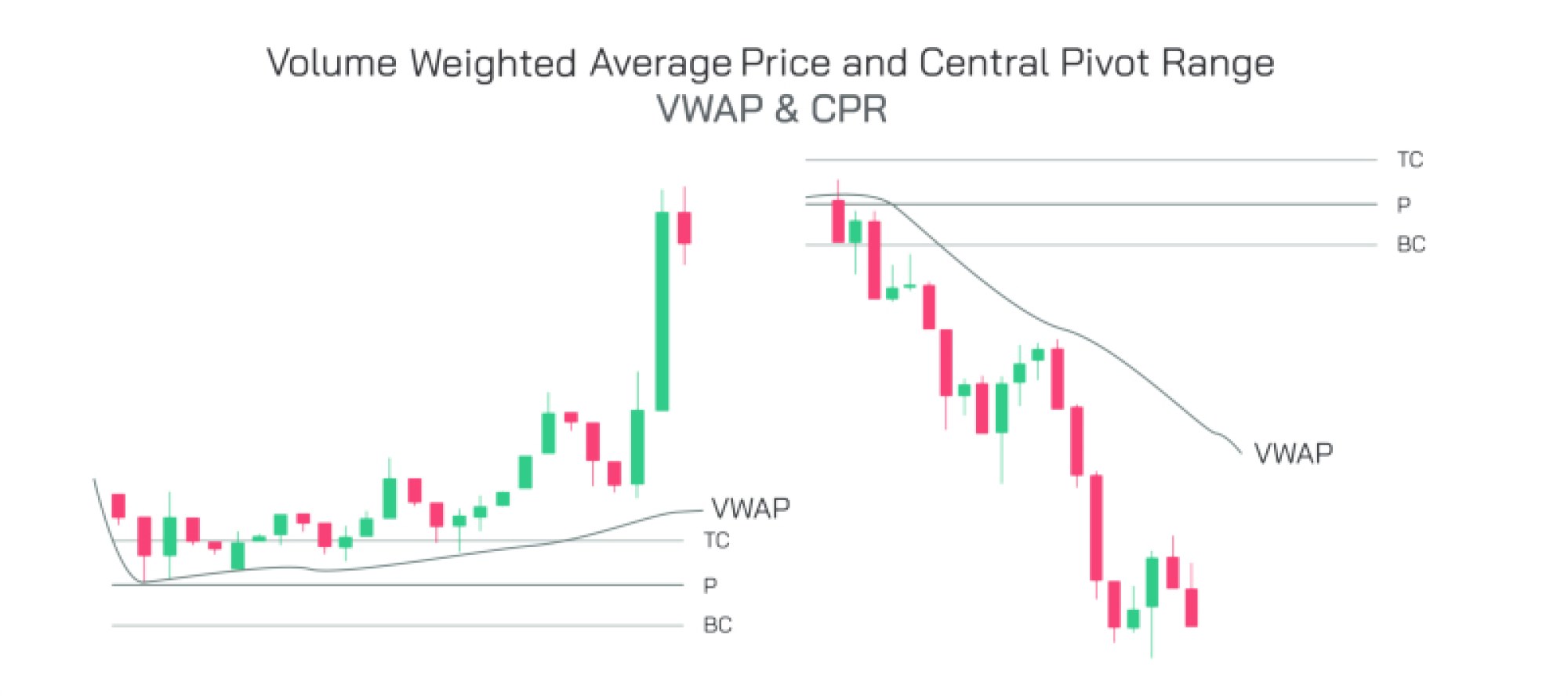
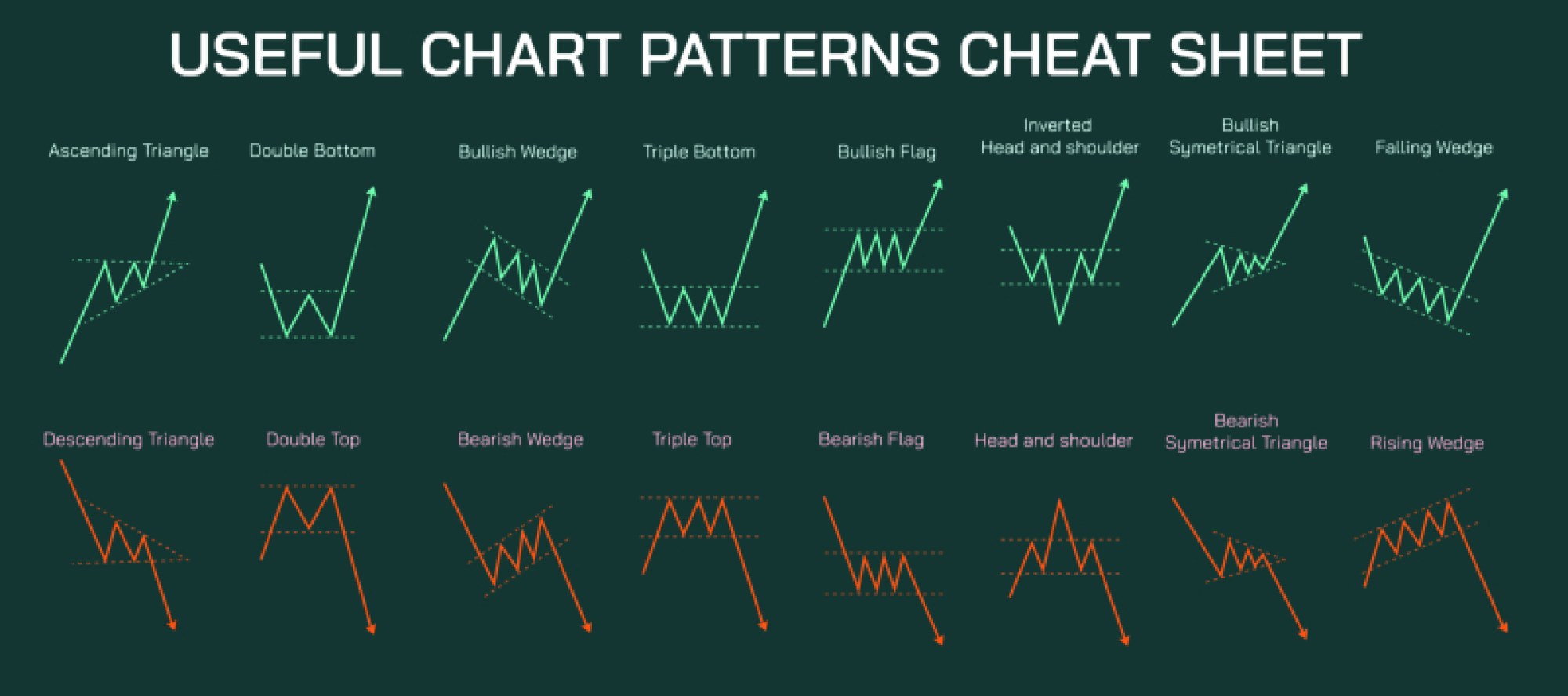
Educational illustrations of the Fear and Greed Index visually display the range of market sentiment, often using a scale from extreme fear to extreme greed. These diagrams show how the market mood shifts over time and how investor emotions correspond to market behavior, price movements, and risk appetite. Such visual tools are essential for traders, analysts, and students of finance, offering a clear representation of sentiment dynamics and their impact on investment strategy.
By integrating the Fear and Greed Index into broader market analysis, investors gain a deeper understanding of behavioral trends, potential turning points, and the psychological forces influencing price action. This knowledge enables more strategic decision-making, improved risk management, and better alignment with market conditions. Mastery of the index allows traders and investors to identify opportunities created by emotional extremes, anticipate potential corrections, and enhance long-term performance in the stock market. Understanding the delicate interplay between fear and greed helps participants navigate complex financial environments with confidence, awareness, and strategic insight.