Speed of Light in Different Substances: How Light Travels Through Air, Water, and Glass Explained
The speed of light is one of the most fundamental constants in physics, yet its behavior changes dramatically depending on the medium through which it travels. In a vacuum, light moves at an astonishing velocity of approximately 299,792 kilometers per second, a speed so fast that a beam of light can circle the Earth more than seven times in a single second. However, this extreme velocity is not maintained when light passes through materials such as air, water, or glass. Instead, light slows down — not because it loses energy or becomes weaker, but because it interacts with the atoms and molecules of the material it is traveling through. The way light behaves in different environments reveals not only the nature of light itself but also the microscopic structure of the substances that surround us. Understanding why light slows down in some materials, why it changes direction in others, and how these effects form optical phenomena such as refraction is crucial to explaining everything from lenses and rainbows to fiber-optic communications and the working of the human eye.
The key to understanding changes in the speed of light lies in the dual nature of light as both a wave and a particle. When light travels through a vacuum, it moves unhindered because there are no particles to interact with. In a material medium, however, the situation changes. Light is made of photons, and when photons enter a material such as air or water, they encounter atoms that are bound together in molecular or crystalline structures. Although photons still move at their fundamental speed between atoms, they are temporarily absorbed and re-emitted by the electrons in the material. This repeated microscopic interaction causes a delay, giving the appearance that light is traveling more slowly through the substance. Light is not actually slowed in the sense of losing speed permanently; rather, the time lost during interactions with matter reduces its effective speed within that material. The result is that different materials slow light by different amounts, depending on how strongly their atomic structures interact with electromagnetic waves.
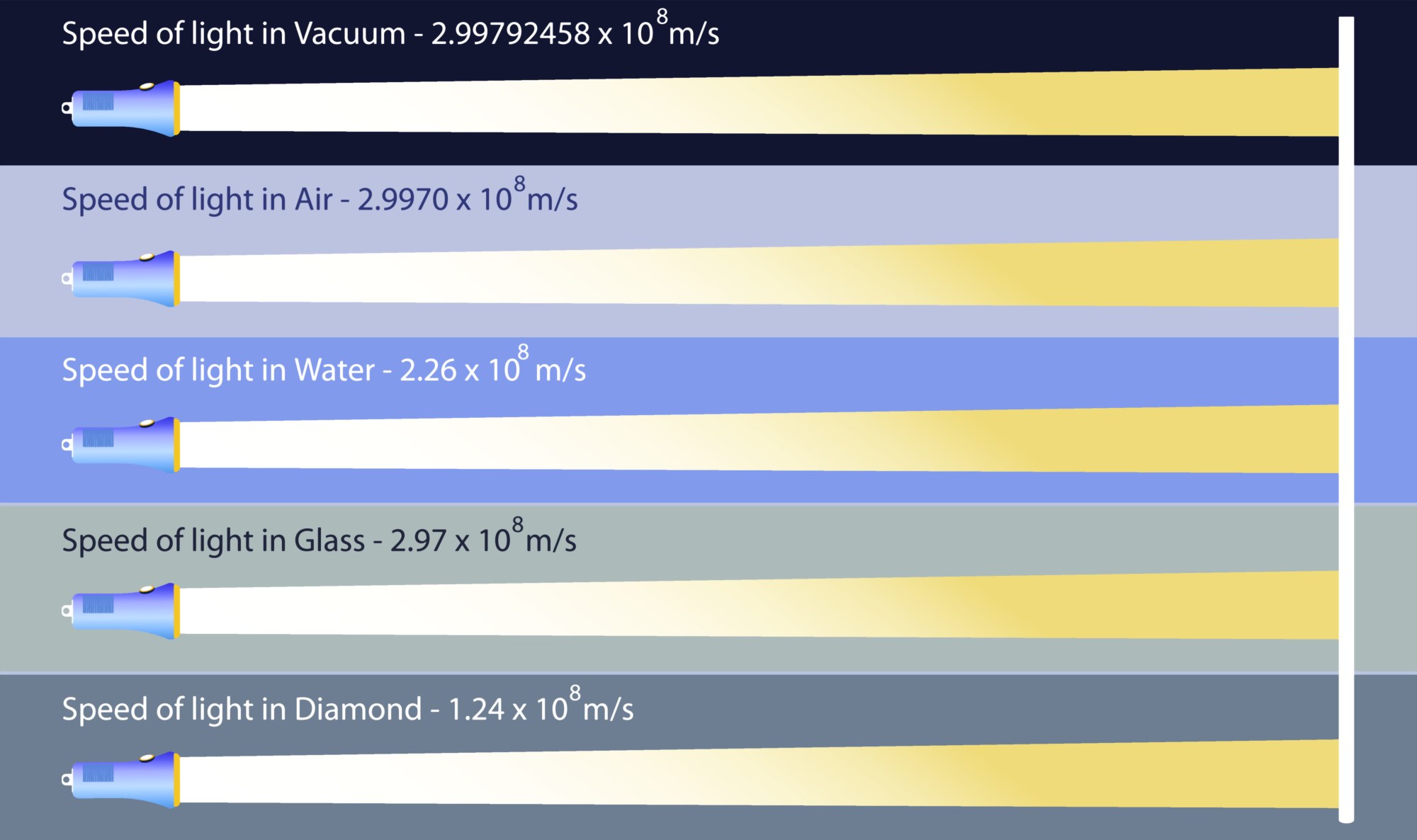
Air, despite being a medium rather than a vacuum, slows light only very slightly. This is because air is composed mostly of gas molecules that are far apart compared to the dense packing of atoms in liquids and solids. Photons have fewer interactions and therefore travel through air at almost the same speed as in a vacuum — roughly 99.97% of the vacuum value. To the human eye, this difference is almost undetectable: light reaches us from the Sun, stars, and everyday surroundings without any noticeable lag. But even this slight reduction is important. It contributes to optical refraction in Earth’s atmosphere, the apparent bending of sunlight that leads to mirages, twinkling stars, and subtle shifts in celestial positions near the horizon. Air’s low refractive index — a measure of how much it slows and bends light — also allows images seen through air to remain sharp and undistorted for the most part.
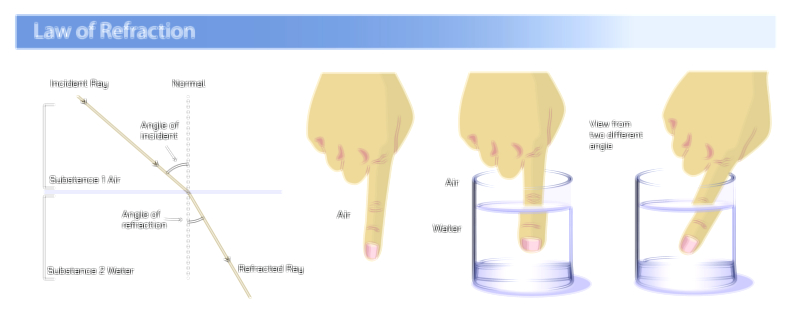
Water has a much greater effect on the speed of light than air. Because water molecules are much more tightly packed and experience strong intermolecular bonding, light interacts with the medium more frequently. In water, light travels at only about 75% of its vacuum speed. This significant reduction in speed has direct physical consequences. When light transitions from air into water, such as when entering a swimming pool or ocean, it bends sharply toward the normal — the line perpendicular to the surface. This bending, or refraction, explains why objects underwater appear closer than they really are, why a straw in a glass looks bent, and why fish appear displaced from their actual positions when viewed from the surface. Water’s refractive properties also influence marine life, underwater photography, and submarine navigation. Sunlight cannot penetrate indefinitely because scattering and absorption eventually scatter photons into thermal energy, which is why deep ocean zones remain dark. The unique way in which water slows and bends light affects not only human perception but also the ecology of aquatic environments.
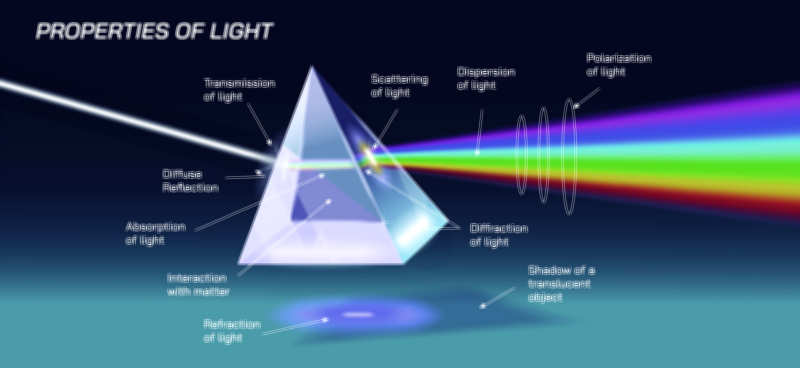
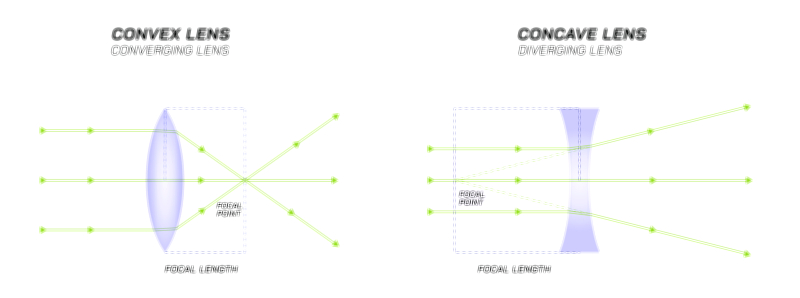
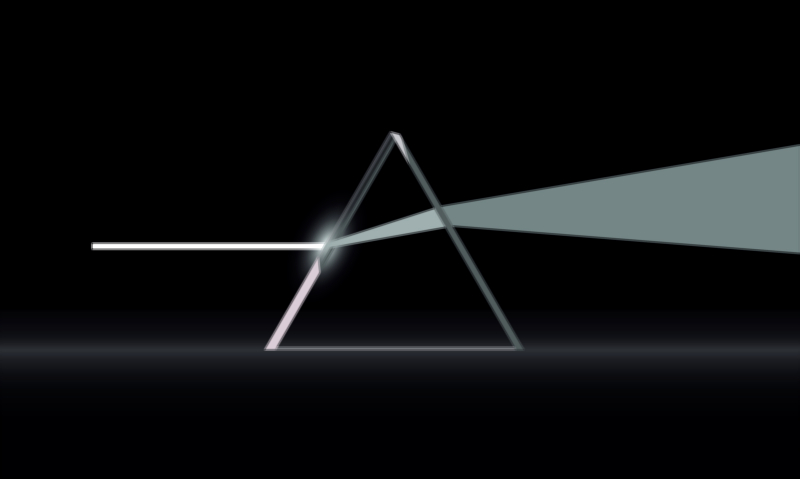
Glass slows light even more effectively than water, typically allowing light to move at only about 60–70% of its vacuum speed, depending on the type of glass and its composition. Glass has a dense network of atoms arranged into a rigid structure, and this structure interacts strongly with passing light. Because different wavelengths of light slow by slightly different amounts in glass — a phenomenon known as dispersion — light splits into its component colors when passing through prisms or raindrops. This change in speed and direction underlies the design of optical devices such as cameras, microscopes, telescopes, and corrective eyeglasses. Lenses rely on predictable changes in the speed of light to focus images, magnify distant objects, or correct refractive errors such as myopia and hypermetropia. Modern fiber-optic cables take advantage of controlled light propagation through glass, allowing pulses of light to carry digital information across continents within transparent strands thinner than a hair. Without the predictable slowing and bending of light in materials like glass, global telecommunications as we know it would not be possible.
Although water and glass are the most familiar substances in which we observe light slowing down, every transparent material affects the speed and direction of light. Diamonds, for example, have a very high refractive index because their crystal structure interacts extremely strongly with light. Photons move through diamond much slower than through glass, and the resulting dramatic bending and dispersion produce the intense sparkle for which diamonds are famous. Other optical materials such as acrylic, sapphire, and specialized optical crystals are engineered to manipulate light in diverse technological fields including lasers, holography, medical imaging, and autonomous navigation systems. Even biological materials — such as the cornea and lens of the human eye — rely on precisely calibrated refractive indices that slow and bend light just enough to focus images accurately onto the retina.
The change in light speed from one medium to another is also the basis for reflection and refraction at boundaries. When light reaches the interface between two materials, part of it continues into the second material and changes direction because of the shift in speed, while another part reflects back. The degree of bending depends on how large the difference in speeds is between the two materials. This explains why the water–air boundary produces strong optical distortion while the air–glass boundary produces more modest bending. When the difference in refractive index becomes extreme, such as when light moves from a dense material to a less dense material at steep angles, total internal reflection occurs, trapping the light inside the denser medium. This phenomenon is essential to fiber-optic communication and to the reflective performance of gemstones.
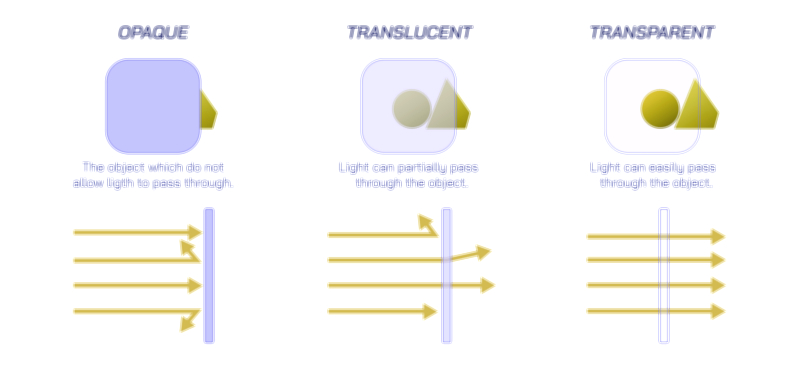
What makes the comparison of light speed in different substances scientifically invaluable is not simply the numerical differences, but the insight it provides into the behavior of electromagnetic waves and matter at the atomic level. The slowing of light is linked to electrons oscillating in response to the electromagnetic wave, the rigidity of crystal structures, the spacing between atoms, and the overall strength of bonds that hold a material together. Materials that lack free electrons and allow photons to pass without permanent absorption appear transparent; materials that absorb or scatter photons instead of re-emitting them appear opaque. In this way, light’s varying speeds and interactions reveal the microscopic nature of the world around us.
Ultimately, the story of light traveling through air, water, and glass illustrates how one physical phenomenon permeates both the natural and technological worlds. The slowing of light in a material is not a loss of power, but a signature of interaction — a conversation between electromagnetic waves and the atoms that compose the universe. Because light does not move uniformly through all environments, our world becomes rich in optical effects: sunsets refract through the atmosphere, rainbows form through droplets, vision is sharpened by lenses, data travels through glass fibers, and astronomy peers deeper into space with giant telescopes. The speed of light, rather than being a single constant for all situations, becomes a dynamic tool that shapes how we see, communicate, discover, and understand reality itself.