Opaque, Translucent, and Transparent – Understanding How Materials Interact with Light and Shape Our Visual Experience of the World
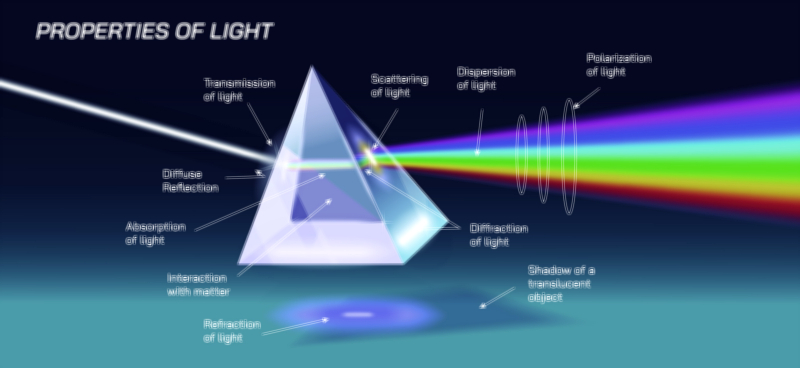
Opaque, translucent, and transparent are three fundamental terms used to describe how different materials interact with light, and they play an essential role in how humans see, understand, and navigate their surroundings. When light strikes an object, it can be either blocked, scattered, or allowed to pass through, and this interaction determines whether the material appears opaque, translucent, or transparent. These categories are not just labels but different ways of explaining how visibility works in nature and in human-made environments. They influence everything from architecture and privacy to photography, optics, biology, art, and daily life. To understand them deeply is to understand the behavior of light itself and how the world around us is visually constructed.
An opaque material does not allow light to pass through it at all. When light strikes an opaque object, it is either absorbed by the material or reflected back, but none of it travels through to the other side. Because of this complete blockage of light, the human eye cannot see any objects behind an opaque surface, making the object appear solid. Wooden doors, metal sheets, rocks, ceramic tiles, and most walls are common examples of opaque objects. Even though opaque materials keep light from passing through, they often allow color, texture, and shape to be observed on their exposed surfaces. For instance, a wooden door may have grains and patterns that make it visually interesting while still fully blocking whatever is behind it. Opaque materials provide privacy, structural support, stability, and protection because their complete resistance to light makes them ideal for barriers and coverings. Without opaque objects blocking light, the world would lack shadows, shelters, and places of privacy.
Translucent materials, unlike opaque ones, allow only a portion of light to pass through, scattering it in different directions. This scattering prevents clear visibility of objects on the other side, but it still permits light to reach through the material to some extent. Frosted glass, thin plastic sheets, wax paper, tissue paper, tracing paper, and some minerals like milk quartz are examples of translucent objects. When a wall lamp is covered by a frosted shade or when curtains glow from sunlight behind them, the light becomes diffused and gentle because it is passing through a translucent barrier. This quality makes translucent materials useful where privacy and softness are required at the same time. In architecture and interior design, translucent panels and glass walls illuminate spaces with natural light without exposing what is behind them. In biology, human skin behaves as a translucent layer—it allows light to enter, scatter, and reflect from deeper tissues, giving skin its glow. Translucency blends visibility and concealment, balancing brightness and privacy.
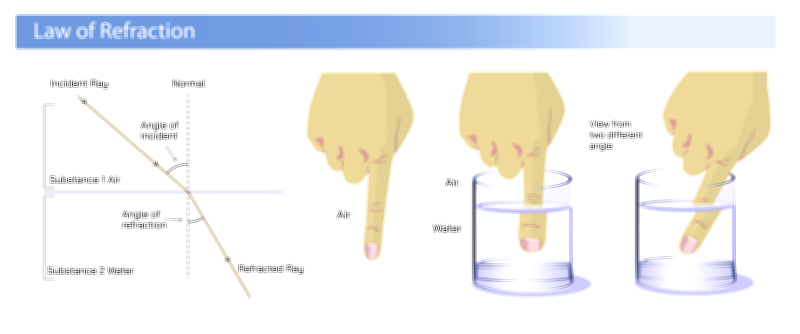
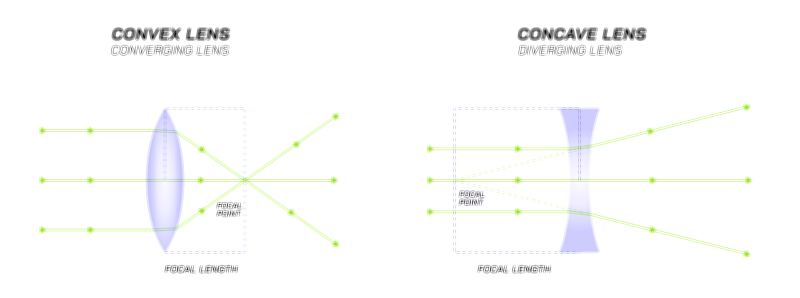
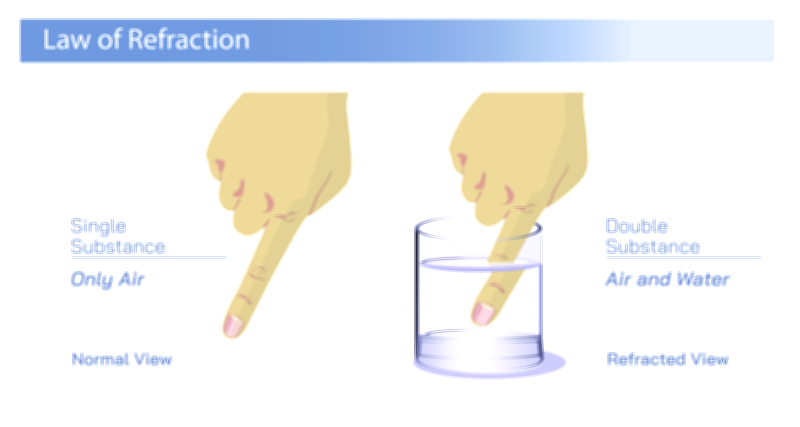
Transparent materials behave differently from both opaque and translucent ones because they allow light to pass through almost completely without scattering. In transparent objects, light travels in a straight path, making it possible to see clearly through them. Clean glass, pure water, and some plastics like acrylic are examples of transparent materials. When a person looks through a window, reads a watch face protected by a crystal-clear covering, or peers into an aquarium, they are interacting with transparency. The clarity of vision through transparent objects depends on how little the light bends or scatters while traveling through. Distortions occur only when impurities or irregularities interfere with the passage of light. Transparency plays a crucial role in science, technology, and everyday convenience, enabling inventions such as lenses, eyeglasses, microscopes, telescopes, cameras, and smartphone screens—tools that expand human vision far beyond natural limits. Transparent materials are not simply objects one can see through; they are gateways that allow interpretation of the world with precision and detail.
Though opaque, translucent, and transparent objects are often taught as three separate categories, they exist along a continuum rather than as fixed boundaries. Many materials fall between classifications depending on thickness, texture, purity, and illumination. A piece of glass that is normally transparent becomes translucent when it is frosted or scratched, and it becomes opaque if it is painted or covered with dirt. Paper that appears opaque in a dark room may look translucent when held against sunlight, and thin fabrics can change appearance depending on the intensity and angle of light. Even water—transparent by nature—becomes opaque when mixed with mud or becomes translucent when filled with microscopic particles like bubbles or minerals. Understanding this continuum makes it clear that transparency is not only a property of the material but also a relationship between the material, the thickness, and the light that interacts with it.
Each category also influences emotional and psychological experience. Opaque barriers give a sense of security, enclosure, and privacy because they mark boundaries and prevent visibility. Translucent materials create softness, warmth, and comfort by spreading light gently without exposing personal space. Transparent materials symbolize openness, clarity, freedom, and connection, making people feel visually linked to their surroundings even while protected behind a barrier. Modern architecture uses this emotional effect by combining transparent windows for connection with outdoor spaces, translucent partitions for balance, and opaque walls for strength. Artists and designers also play with translucency and opacity to send visual messages and build atmosphere. The way light behaves around objects shapes not only physical spaces but also human moods and perceptions.
The natural world also displays this spectrum of light behavior. The human cornea is transparent to allow light to enter the eye, while the iris is opaque to control how much light passes through the pupil. Leaves on trees are translucent, transmitting sunlight in a diffused way that gives forests their glowing ambience. Stones like obsidian and coal are opaque, forming shadows and grounding landscapes. Ice shows the complete spectrum—transparent in pure blocks, translucent when filled with air bubbles, and opaque when covered in frost. Even the atmosphere behaves differently under different conditions: clear air becomes transparent, hazy air becomes translucent, and dust storms or thick fog can make the atmosphere almost opaque. Light and matter interact constantly, shaping how much of the world becomes visible to us at any given moment.
The ability to classify materials by their interaction with light has been essential in scientific understanding and technological development. Transparent materials made high-precision optical instruments possible, revolutionizing astronomy and medicine. Translucent materials enabled photography lighting, architectural mood design, and energy-efficient daylight systems. Opaque materials formed the basis of building structures, transportation, clothing, and protective equipment. These categories are not only optical curiosities; they are part of the framework of human progress.
With this understanding, opaque, translucent, and transparent are more than simple terms. They are keys to understanding how vision works, how materials shape perception, and how light reveals and hides the world. They help explain why certain objects provide privacy while others offer clarity, why some surfaces cast shadows while others glow, and why some materials conceal what lies behind them while others open portals to observation. The way materials interact with light influences the way humans interact with the environment, build spaces, communicate emotions, and see life itself.