Adrenal Gland Anatomy Showing Structure, Hormone Regions, and Endocrine Function Above Kidneys
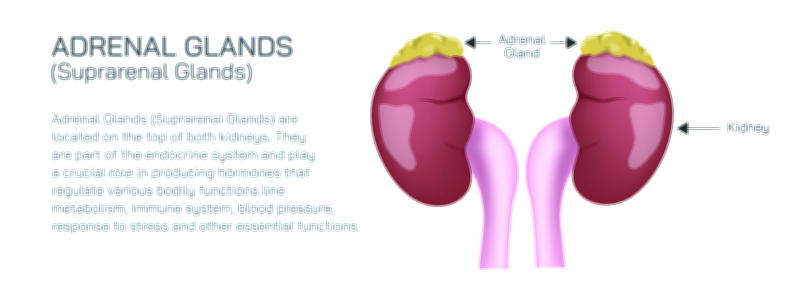
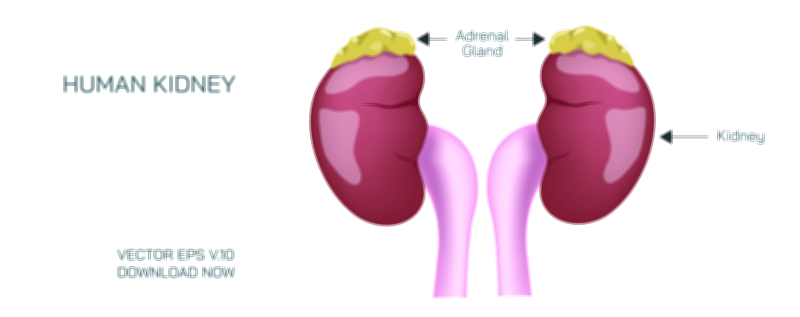
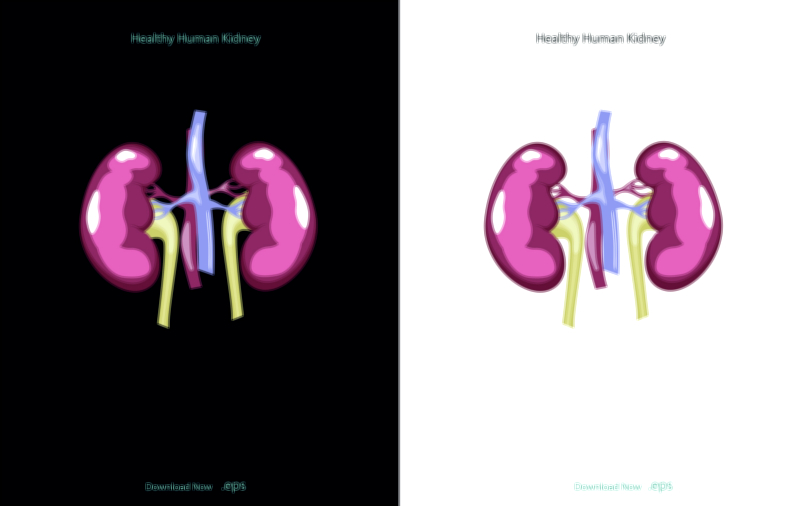
The adrenal glands are two small but profoundly influential endocrine organs that sit like triangular caps on top of each kidney, and a detailed exploration of their internal anatomy reveals how much control they exert over the body’s ability to adapt, survive, and maintain equilibrium. Although each gland weighs only a few grams, they function as biological command centers for hormonal regulation, linking the brain, metabolism, immune response, and stress systems into a tightly coordinated network. Their structure is divided into distinct layers—each producing its own category of hormones—and this separation is not accidental but rather a highly organized arrangement that ensures rapid response during danger, steady maintenance of metabolism, fluid balance, and long-term regulation of fundamental physiological states. When the adrenal glands are displayed in anatomical diagrams, their position above the kidneys serves as a visual reminder of their close relationship to circulation, filtration, and regulation of electrolytes, but it is their deeper microscopic structure that reveals how they function as the body’s biochemical shock absorbers and hormonal guardians.
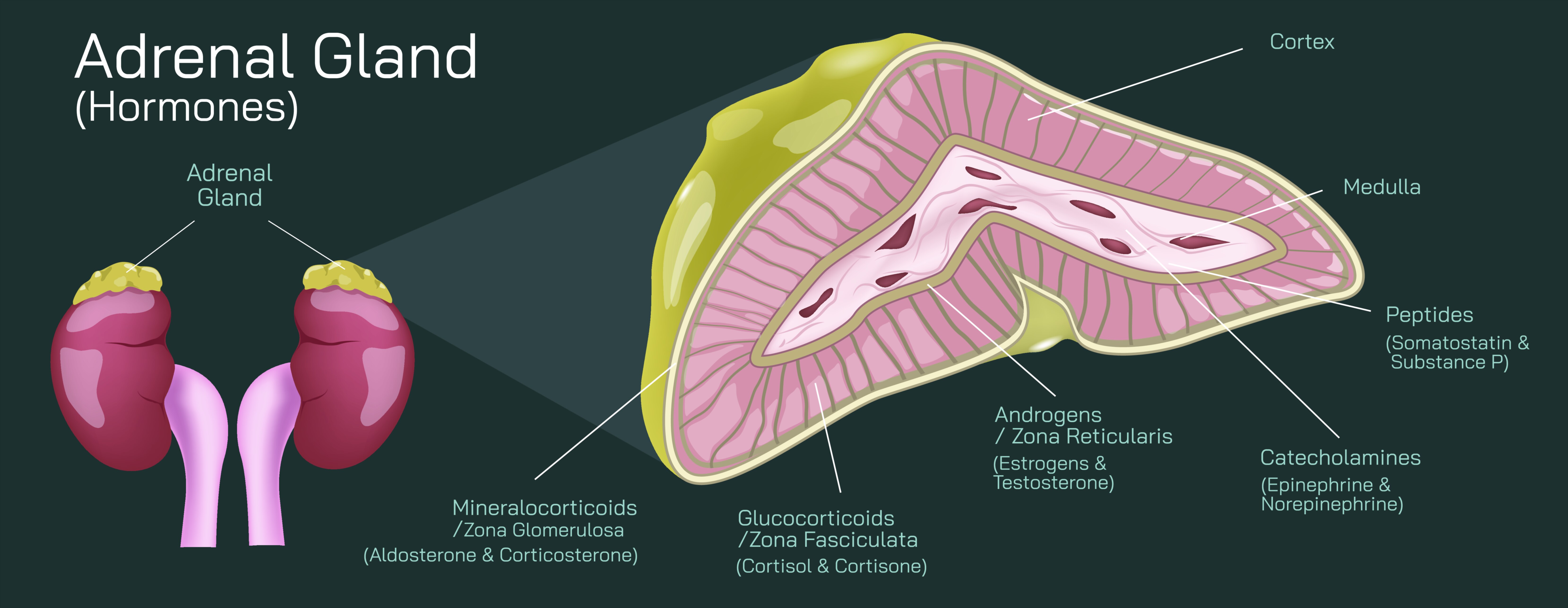
The anatomy of each adrenal gland begins with its outer protective layer, the capsule, but the real specialization lies beneath it in the cortex and medulla, two very different tissues with different embryological origins and completely different physiological purposes. The adrenal cortex forms the thick outer region and is itself subdivided into three concentric zones that can be clearly seen under magnification and are often highlighted in endocrine diagrams by contrasting colors or textures to reflect their distinct responsibilities. The outermost layer, the zona glomerulosa, synthesizes mineralocorticoids, primarily aldosterone, which plays a crucial role in regulating sodium and potassium balance, blood volume, and ultimately blood pressure. Just within this region lies the zona fasciculata, the thickest portion of the cortex, responsible for producing glucocorticoids such as cortisol, a hormone that supports glucose metabolism, moderates inflammation, influences immune system activity, and prepares the body for physical or psychological stress. The innermost cortical layer, the zona reticularis, produces adrenal androgens, including DHEA, which serve as precursors for sex hormones and contribute subtly but meaningfully to reproductive function, mood, and energy levels. The adrenal cortex therefore operates as a layered production facility, where each anatomical band specializes in one branch of endocrine chemistry and together contributes to long-term balance and survival.
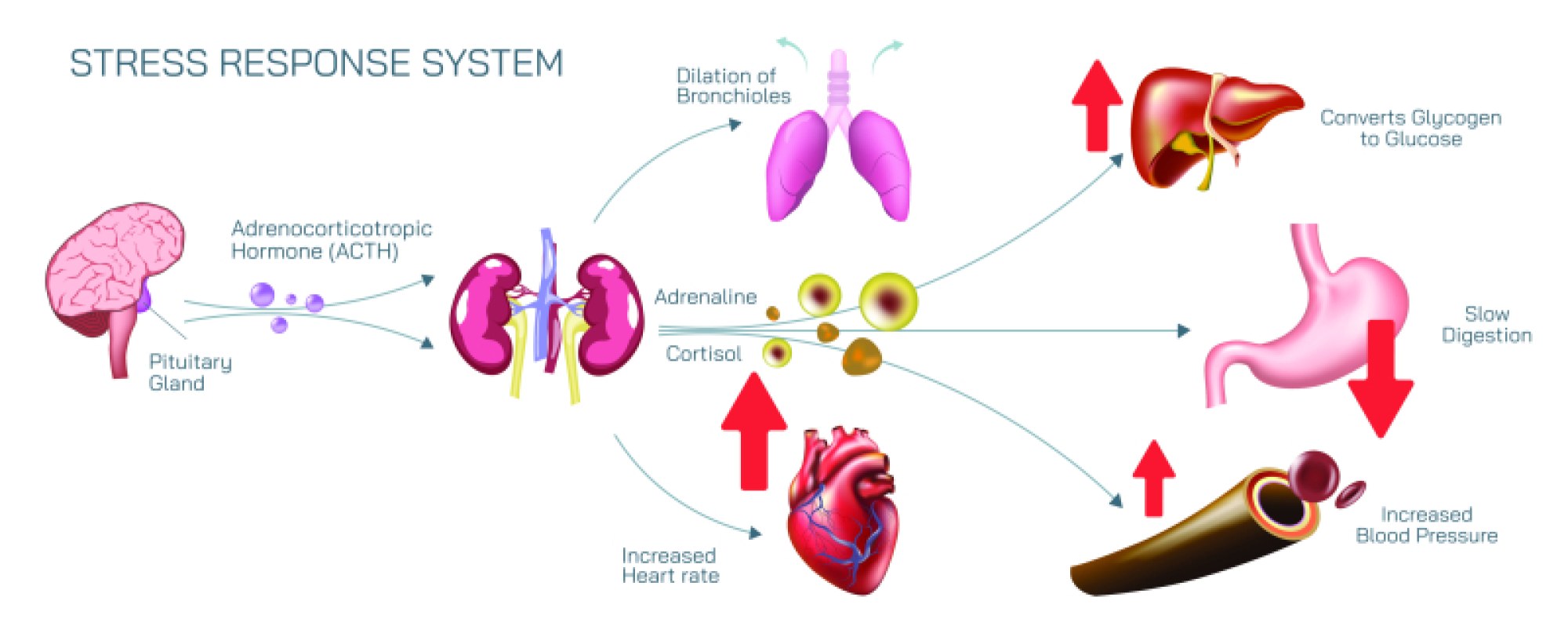
At the core of the adrenal gland lies the adrenal medulla, a completely different type of tissue that behaves more like a neurological relay station than a classic endocrine gland. Originating from neural crest cells during development, the medulla is part of the sympathetic nervous system and releases catecholamines—adrenaline (epinephrine) and noradrenaline (norepinephrine)—directly into the bloodstream. These hormones trigger the famous fight-or-flight response by increasing heart rate, dilating airways to enhance oxygen intake, mobilizing glucose for immediate energy, sharpening focus, and redirecting blood flow toward skeletal muscles and away from non-urgent processes like digestion. This distinction between the cortex and medulla explains why adrenal anatomy is always shown in two contrasting layers: the cortex manages long-term metabolic and physiological regulation, while the medulla is built for instant emergency response. Even though these hormones differ dramatically in their effects, they do not work in isolation; their interactions allow the body to allocate energy resources intelligently during both stressful episodes and periods of recovery.
The position of the adrenal glands above the kidneys is important for more than just proximity. With blood supply entering from multiple arteries and flowing inward toward the medulla before exiting through the central vein, the outward-to-inward circulation pattern ensures that cortisol released by the cortex reaches chromaffin cells of the medulla, amplifying or modulating stress signaling when necessary. This anatomical design means that the cortex not only regulates general metabolism and inflammation but also influences the intensity of the medulla’s rapid-response system. At the same time, aldosterone produced in the zona glomerulosa influences kidney function directly, enabling fine control over sodium retention, potassium excretion, and water balance—crucial processes for maintaining blood volume and cardiovascular stability. Through this combination of structural design and functional interdependence, the adrenal glands act as master regulators that convert biological signals into immediate action or long-range adaptation depending on what the internal environment demands.
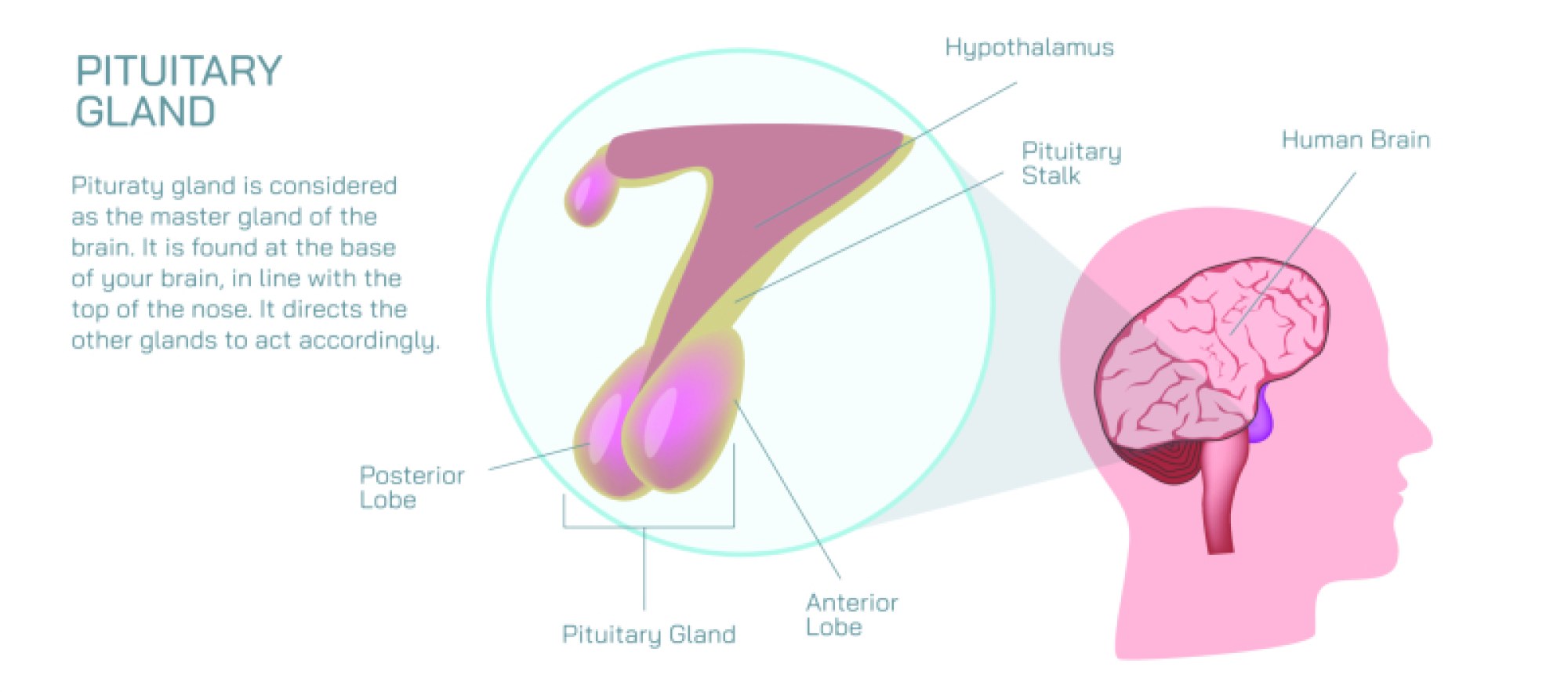
The adrenal glands respond primarily to signals from the brain rather than operating independently, and this connection is often emphasized in endocrine illustrations as a feedback loop. The hypothalamic-pituitary-adrenal (HPA) axis drives cortisol production through a cascading process in which the hypothalamus releases CRH, prompting the pituitary to release ACTH, which in turn stimulates the adrenal cortex to produce glucocorticoids. When cortisol levels rise sufficiently, the brain reduces CRH and ACTH output to prevent excess. This feedback loop highlights the fact that emotional stress, trauma, sleep patterns, infection, physical exertion, and nutritional status all influence adrenal activity. The medulla operates through a different network—the sympathetic nervous system—which activates adrenaline release almost instantly in response to perceived danger. By combining these two pathways—the fast neurotransmitter-based system of the medulla and the slower hormone-based system of the cortex—the adrenal glands exert total-body influence across seconds, minutes, and hours of stress and recovery.
Because each hormone produced in the adrenal gland serves a specific regulatory mission, the effects of adrenal imbalance ripple throughout nearly every organ and metabolic pathway. Too little aldosterone can cause dehydration, salt cravings, low blood pressure, weakness, and disorientation, while too much can elevate blood pressure and cause fluid retention. Cortisol deficiency may lead to fatigue, low blood sugar, poor stress tolerance, and chronic inflammation, whereas excess cortisol can produce muscle wasting, impaired immune response, weight gain, disturbed sleep, and mood changes. Medulla dysfunction can manifest through abnormal surges or deficits in adrenaline and noradrenaline, leading to irregular heart rhythms, anxiety-like symptoms, or difficulty sustaining alertness. These patterns of imbalance illustrate why the adrenal glands are sometimes described as the body’s internal stabilizers—when their function falters, both physical and emotional systems struggle to maintain balance.
In everyday life, the adrenal glands constantly adjust to environmental demands, even when we do not notice. They respond to waking and sleeping cycles, varying energy needs throughout the day, internal inflammatory signals, infections, temperature changes, and psychological experiences. Whether supporting resilience during illness, maintaining blood pressure during physical exertion, restoring normal physiological function after stress, or enabling the sense of calm that follows tension, the adrenal glands are deeply involved in how the body adapts moment to moment. Despite their small size, their capacity to influence metabolism, immunity, cardiovascular performance, sexual health, stress adaptation, and emotional balance makes them central to endocrine physiology.
A visual representation of adrenal gland anatomy—showing the cortex divided into three hormone-producing layers surrounding the medulla at the center, all positioned above the kidneys—communicates this complexity more effectively than words alone. It demonstrates how structure and function are intertwined, how the architecture of the adrenal gland supports its mission, and how multiple biological systems converge within these small triangular organs. By emphasizing their layered tissue patterns, their integrated hormone systems, and their role as a bridge between neurological signals and endocrine regulation, such an illustration provides a clear window into why the adrenal glands are vital for sustaining health, managing stress, and maintaining the delicate internal balance on which life depends.