Stress Response System: Understanding Body Reactions to Stress and Hormonal Regulation Explained
The stress response system is one of the most deeply rooted survival mechanisms in the human body, designed to detect threats, mobilize resources, and protect life when danger arises. Although modern stress triggers often differ greatly from those experienced by early humans, the biological machinery that governs the response has remained remarkably consistent. When the brain perceives a challenge, whether physical, emotional, social, or psychological, it initiates a cascade of responses that involve the nervous system, the endocrine system, and multiple internal organs. This coordination allows the body to shift immediately from a state of rest to a state of heightened readiness, enhancing vigilance, strength, speed, and memory while temporarily shutting down functions not essential for immediate survival. To understand this transformation, it is necessary to examine the combined roles of the sympathetic nervous system, the hypothalamus–pituitary–adrenal (HPA) axis, and the hormones that orchestrate the stress response.
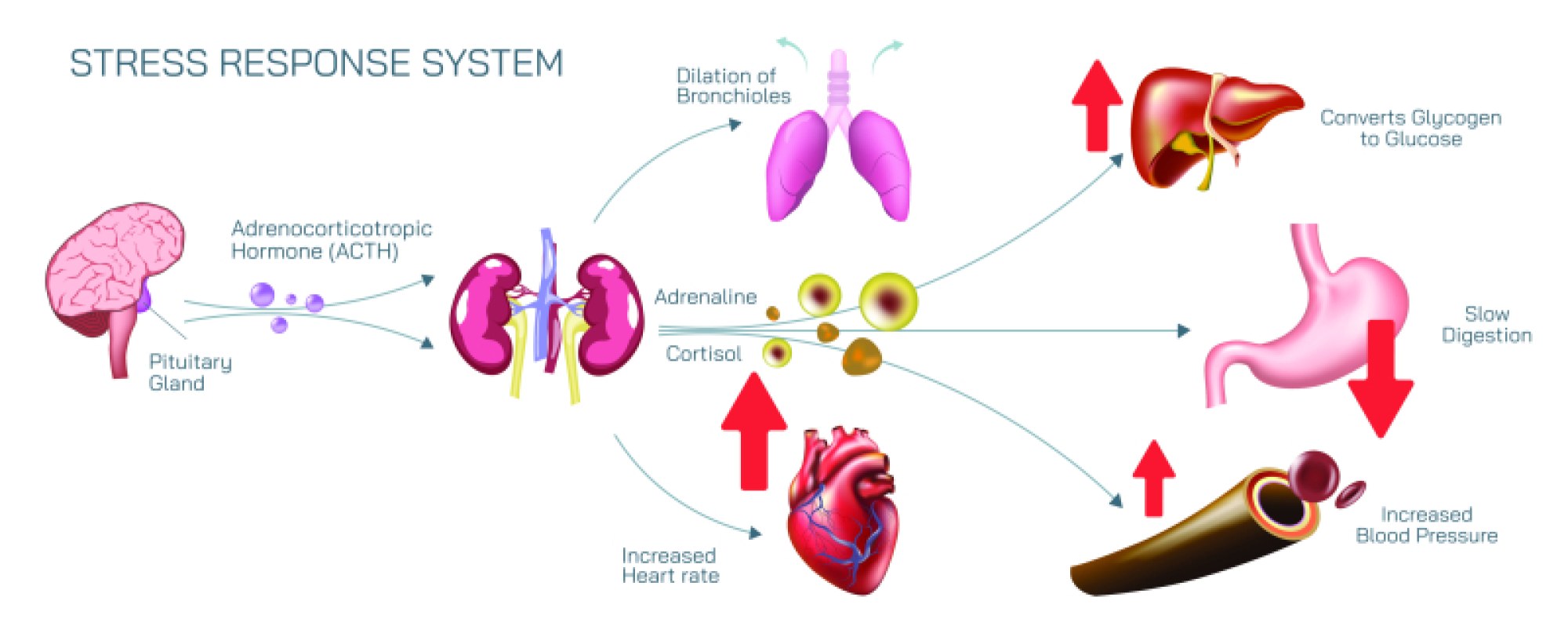
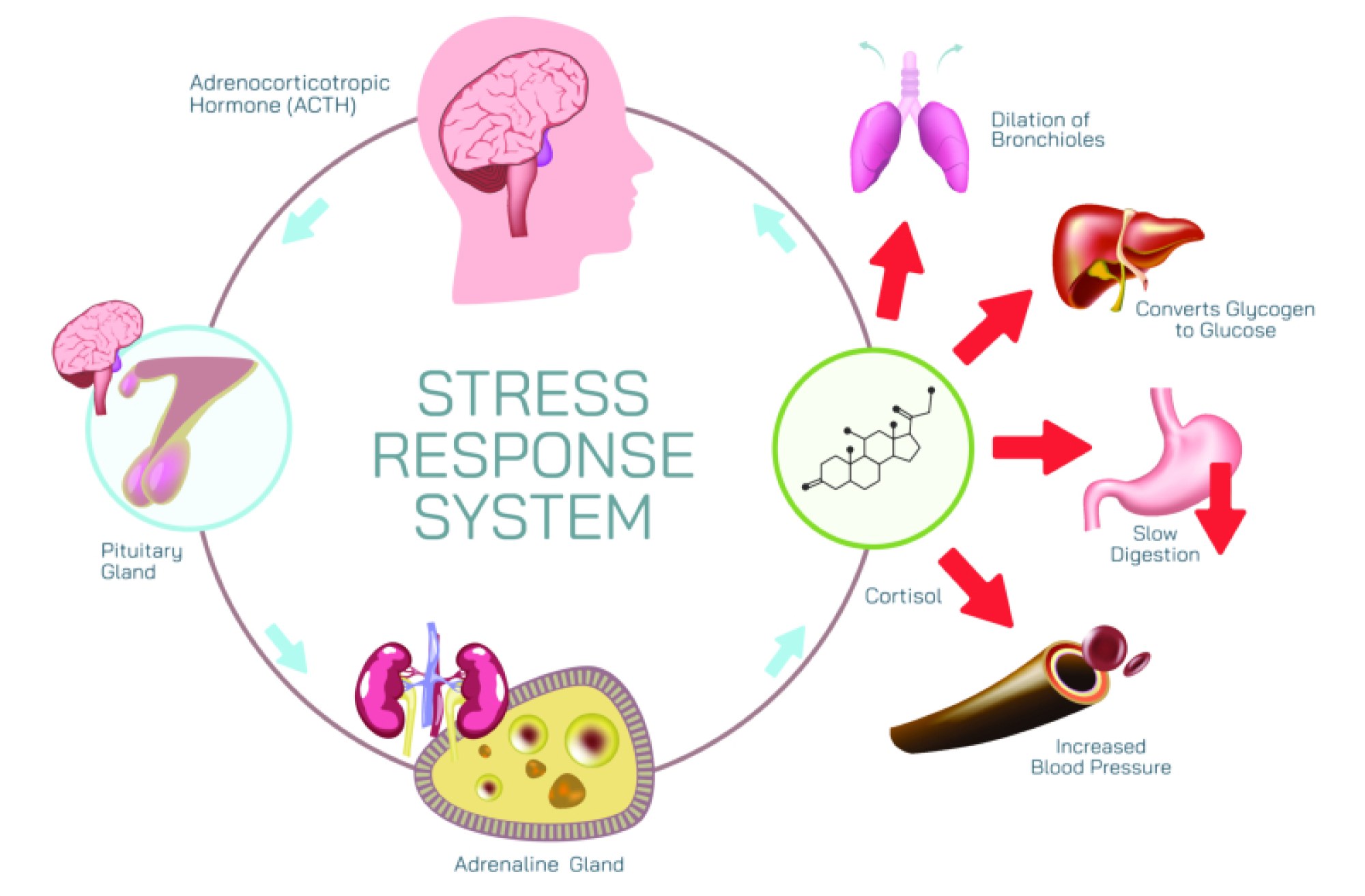
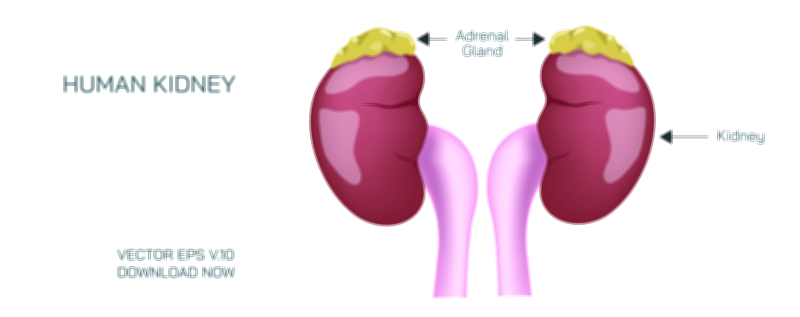
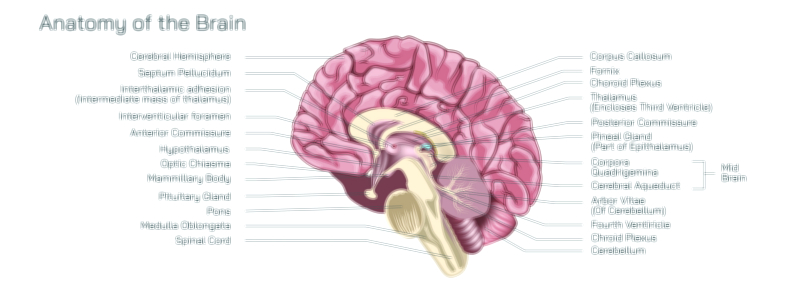
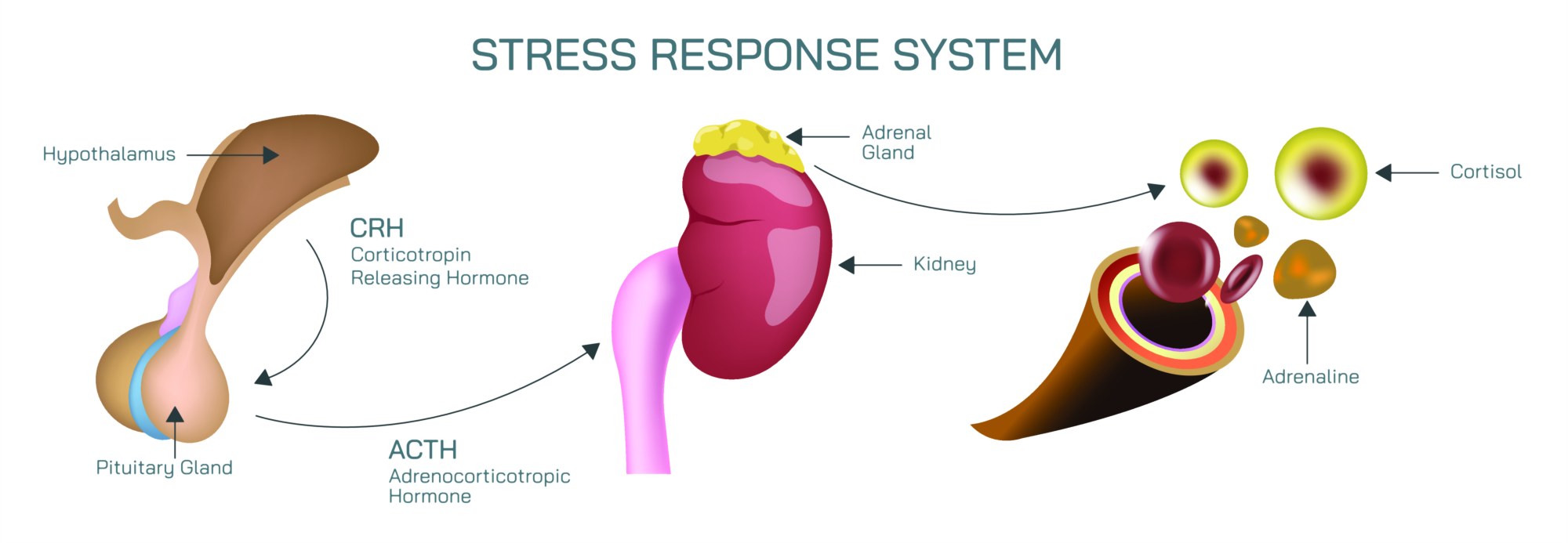
The first component to activate during stress is the sympathetic nervous system, which reacts almost instantly when the brain senses danger. The amygdala, a part of the brain involved in threat detection and emotional processing, sends rapid alarm signals to the hypothalamus, which functions as the central control hub for stress physiology. The hypothalamus then triggers the sympathetic branch of the autonomic nervous system, leading to the release of adrenaline and noradrenaline from the adrenal medulla. These hormones circulate throughout the body within seconds, producing immediate physiological changes known collectively as the “fight-or-flight” response. Heart rate and blood pressure rise to boost circulation, pupils dilate to sharpen vision, respiratory rate increases to supply more oxygen, and blood flow is redirected away from digestion and toward major muscle groups. Glucose and stored fats are rapidly mobilized to fuel quick action. Even the immune system shifts into a temporary alert state, increasing inflammation and antimicrobial activity in anticipation of possible injury. This quick phase of stress response is meant for short bursts of challenge and recovery.
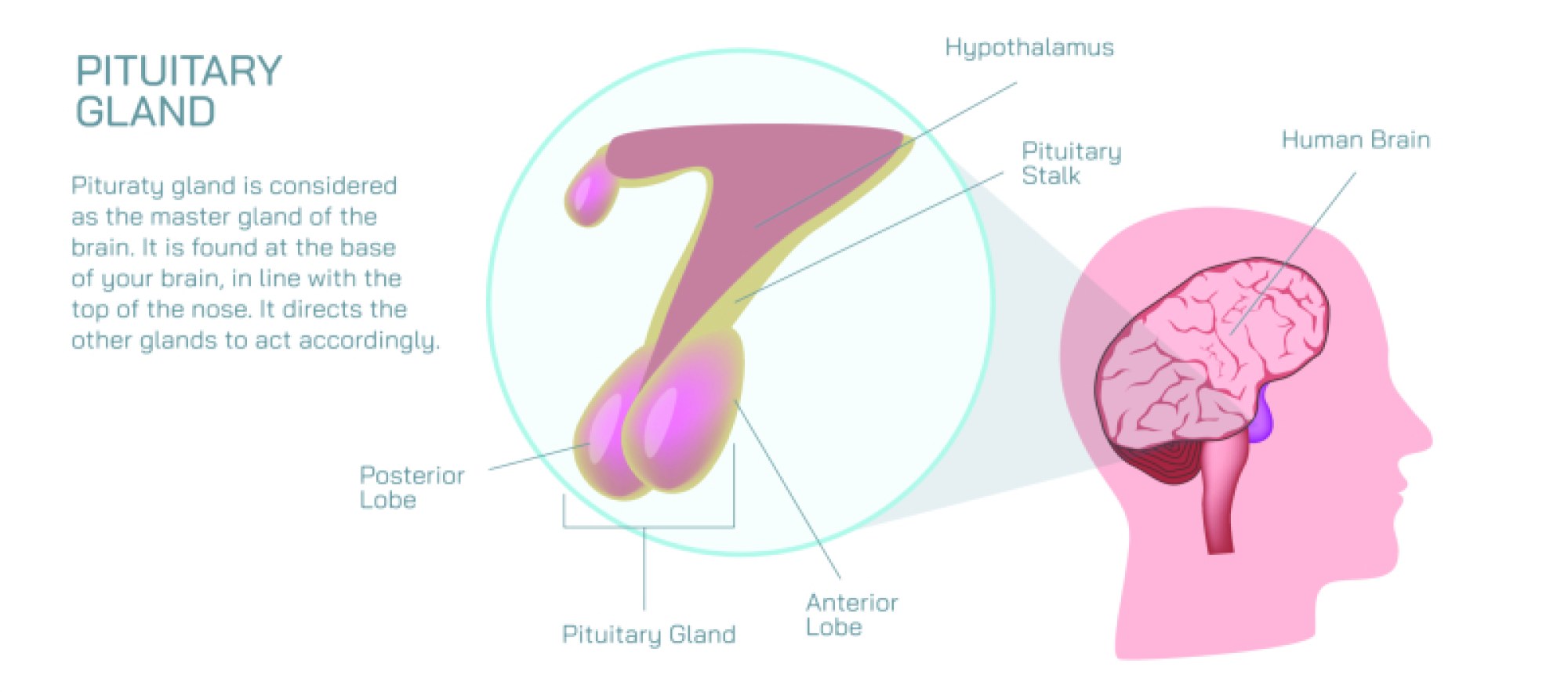
If the stressor persists, the body transitions to a slower but sustained hormonal response through the hypothalamus–pituitary–adrenal (HPA) axis. At this stage, the hypothalamus releases corticotropin-releasing hormone (CRH), prompting the pituitary gland to secrete adrenocorticotropic hormone (ACTH), which then stimulates the adrenal cortex to produce cortisol, often called the primary stress hormone. Cortisol plays a critical regulatory role by maintaining energy availability over time rather than in short explosive bursts. It increases glucose in the bloodstream, promotes the breakdown of fats and proteins for fuel, regulates blood vessel tone to keep blood pressure stable, and modulates immune and inflammatory responses. Cortisol also influences the brain, particularly areas responsible for memory, focus, emotion, and motivation. In controlled amounts, it sharpens attention, improves reaction speed, and enhances problem-solving during stressful situations. In this way, cortisol supports the body through prolonged challenges rather than the immediate threats addressed by adrenaline.
The stress response is intended to be temporary, and once danger passes, the body activates counter-regulatory systems that restore equilibrium. The parasympathetic branch of the autonomic nervous system gradually slows the heart, stimulates digestion, and relaxes muscles, reversing many of the changes created by the sympathetic surge. The HPA axis lowers cortisol production through a negative feedback loop, in which rising levels of cortisol signal the hypothalamus and pituitary to reduce CRH and ACTH output. When everything functions properly, the body returns to baseline, energy systems recover, hormones stabilize, and tissues repair any stress-related wear. This return to homeostasis allows the stress system to remain balanced, protecting health while maintaining the ability to respond quickly to future challenges.
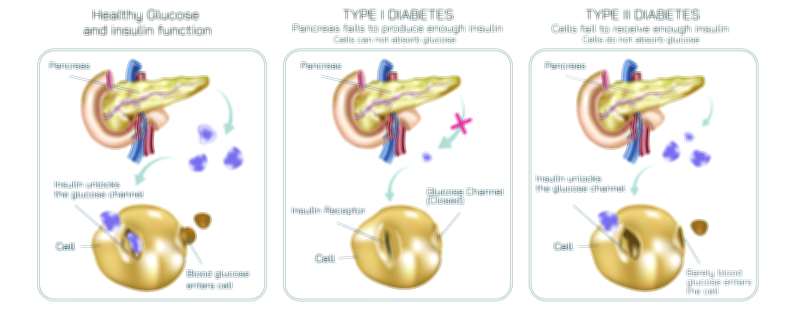
Problems arise when stress is not short-lived. The stress response system evolved to handle brief and intense threats such as predators or physical hazards, not persistent pressure from work, finances, relationships, trauma, societal expectations, or ongoing uncertainty. When stress becomes chronic, the body stays in a prolonged state of activation, and what once supported survival begins to erode health. Constant sympathetic stimulation keeps heart rate and blood pressure elevated, increasing the risk of hypertension and cardiovascular disease. Chronically high cortisol disrupts immune function, leaving the body more vulnerable to infections while simultaneously fueling inappropriate inflammation, which contributes to disorders such as arthritis, metabolic disease, and autoimmune conditions. In the brain, long-term cortisol exposure can interfere with memory formation, reduce neuroplasticity, and disrupt neurotransmitter balance, increasing the risk of anxiety, depression, irritability, and sleep disturbance. In metabolic pathways, prolonged stress promotes fat accumulation — particularly in the abdominal area — while impairing insulin sensitivity and appetite regulation. Over time, chronic stress can disturb almost every system in the body because the mechanisms designed for short-term survival become harmful when activated continuously.
Despite these risks, the stress response system is not inherently negative; it is adaptive and essential when its activation and deactivation follow a healthy rhythm. People experience positive forms of stress, known as eustress, during challenging but meaningful situations — performing in sports, tackling academic goals, preparing for creative work, or undergoing major life transitions like starting a new job or becoming a parent. In these contexts, stress increases motivation, sharpens focus, and supports resilience. The difference between helpful and harmful stress lies not in the intensity of the physiological response but in whether there is time for recovery afterward and whether the brain interprets the stressor as controllable, temporary, and meaningful rather than unpredictable, prolonged, and overwhelming.
The modern understanding of stress emphasizes not only physiological mechanisms but also how the brain interprets and responds to experiences. Perception is central: two individuals exposed to the same event may experience vastly different stress responses depending on their sense of control, past experiences, coping strategies, and emotional support. The brain effectively decides whether something is threatening before the body reacts. Positive social bonds, physical activity, predictable routines, adequate sleep, fulfilling goals, and supportive environments all dampen stress system activation, while isolation, unpredictability, trauma, fatigue, and chronic strain intensify it. In this sense, the stress response system is not simply a biological reflex but also a psychological and social phenomenon.
The stresses of life cannot be eliminated entirely, and the goal of managing stress is not to suppress the stress response but to ensure that activation is followed by recovery. Practices such as deep breathing, mindfulness, exercise, restful sleep, and supportive social interaction activate the parasympathetic nervous system and restore hormonal balance. These behaviors strengthen the body's ability to exit the fight-or-flight state and return to equilibrium more quickly. Over time, the stress response system becomes more adaptive, allowing individuals to face challenges without remaining trapped in chronic physiological activation.
Ultimately, the stress response system represents one of the most complex intersections between the brain, body, and environment. It reveals how our biology is constantly preparing us to survive, how hormones translate perception into physical reaction, and how emotional experience becomes a physiological state. The same mechanisms that once protected early humans from predators now determine how modern humans navigate work, relationships, uncertainty, and change. The comparison between short-term and long-term stress demonstrates the dual nature of this system: it is both life-preserving and potentially harmful, depending entirely on its balance. By understanding how the stress response operates — the rapid activation of the sympathetic system, the sustained hormonal regulation through cortisol, and the restorative influence of the parasympathetic system — we gain insight not only into human survival but also into human wellbeing. The stress response system reveals that resilience is not the absence of stress but the capacity to return to stability after adversity, to cycle between activation and recovery, and to maintain harmony between the challenges of life and the biological systems that support us.