Average Male Body Composition Showing Muscle Mass, Fat Percentage, Water Content, and Bone Density
The composition of the human male body reflects a balanced integration of four major biological components—muscle mass, body fat, water content, and bone density—and understanding how these elements coexist provides a broad picture of health, strength, performance, and physiology. Although every individual differs based on genetics, age, diet, lifestyle, hormones, and training habits, the concept of “average male body composition” offers a meaningful reference point for picturing how these tissues are distributed inside the body and how they shape the external appearance and internal function. When examining body composition in a scientific context rather than simply observing external physical features, each component contributes to its own set of roles, interactions, and metabolic consequences, revealing that the human form is not simply an outward shell but a dynamic biological engine in which every tissue type supports the others in movement, structure, survival, and homeostasis.
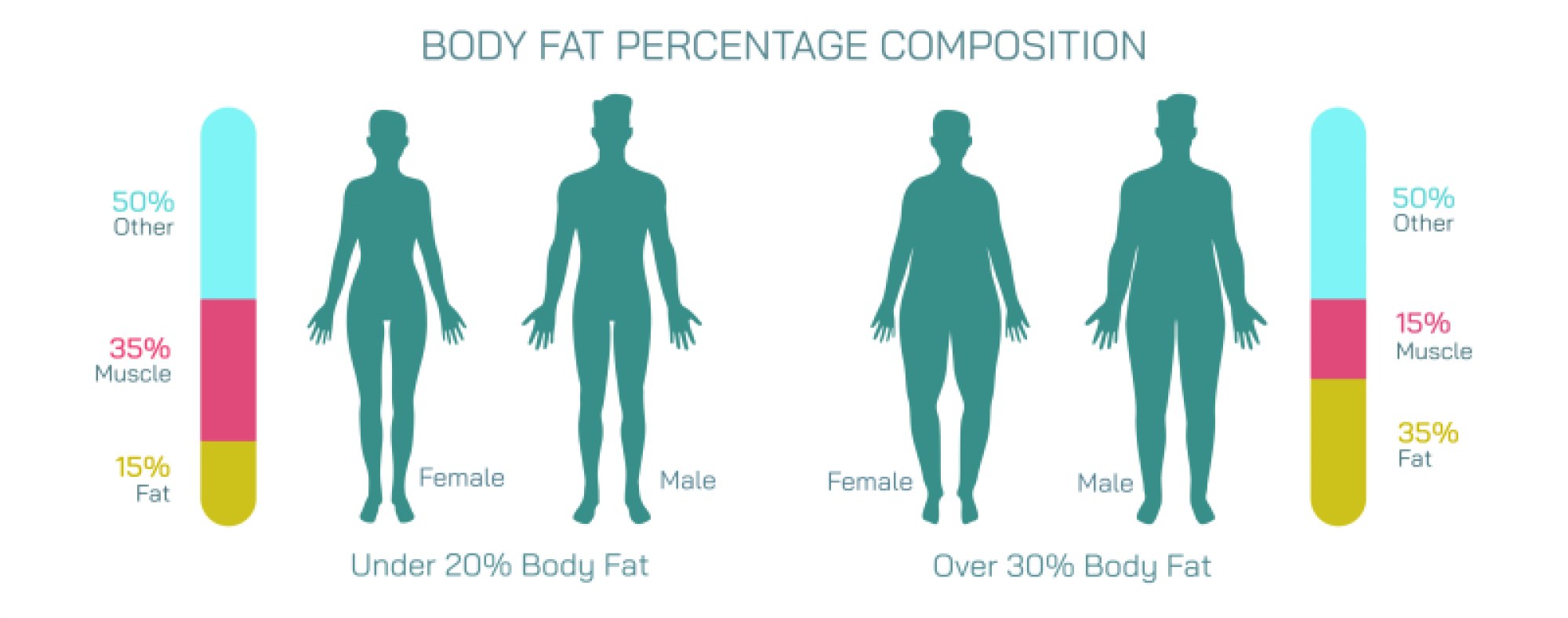
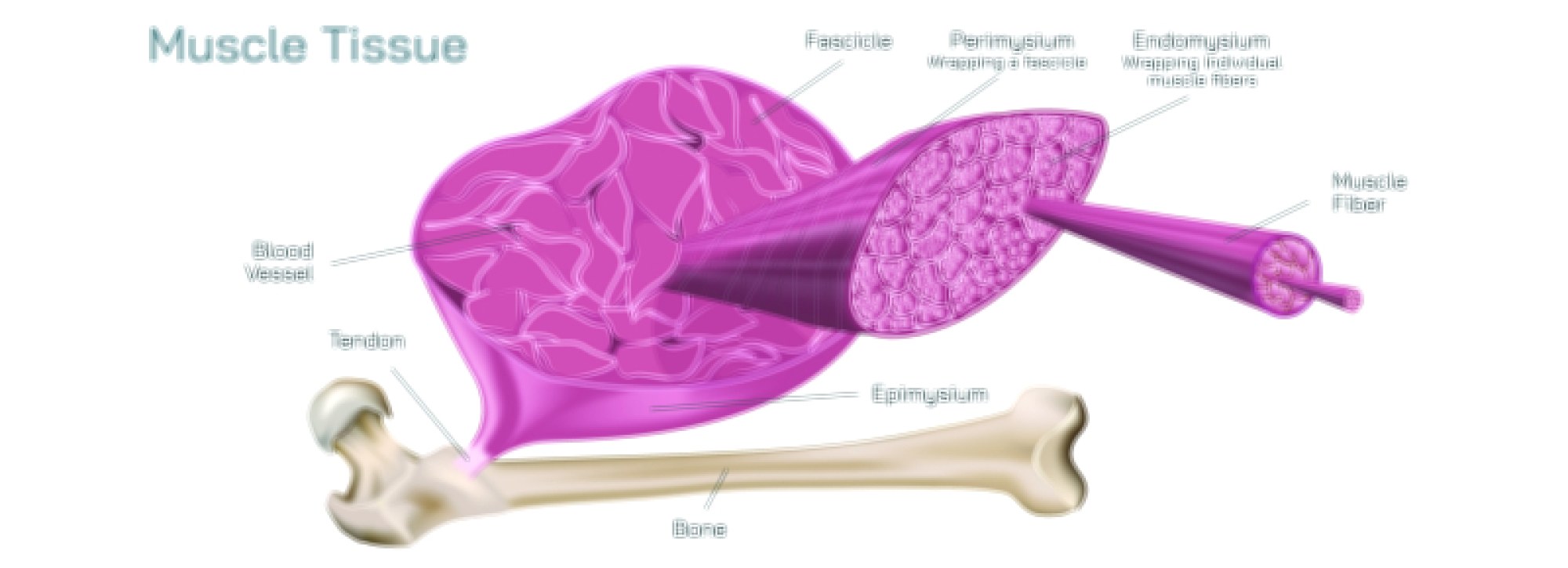
Skeletal muscle mass is one of the most defining features of male physiology. On average, men carry a higher percentage of muscle than women due to the influence of testosterone, growth hormone, and androgen receptor distribution during puberty and adulthood. In a typical healthy adult male, muscle makes up roughly 40–50% of total body weight, though this value can shift dramatically depending on age and physical activity. In youth and early adulthood, muscle fibers tend to be thicker, more hydrated, and better supplied with mitochondria, contributing to strength, stamina, and functional mobility. Well-trained males often build pronounced muscle density in the shoulders, chest, back, and legs due to the natural distribution of fast-twitch and slow-twitch muscle fibers. However, even those with average fitness levels still rely on muscle tissue for everyday actions such as walking, lifting, posture control, balance, and temperature regulation. The metabolic activity of muscle is equally important; it continually consumes energy, even at rest, which is why individuals with more lean mass generally have higher basal metabolic rates and more efficient glucose management. This aspect of body composition becomes increasingly valuable with age, as muscle tends to decline without resistance training, shifting body balance toward fat accumulation and reduced metabolic resilience.
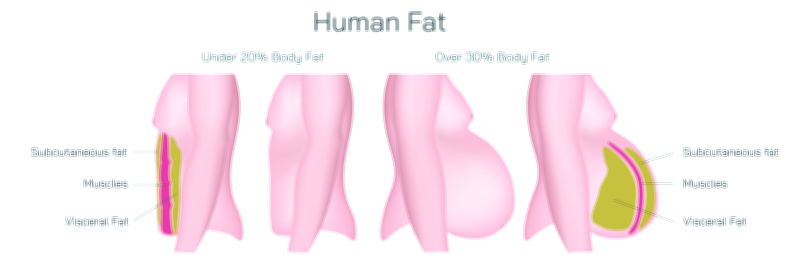
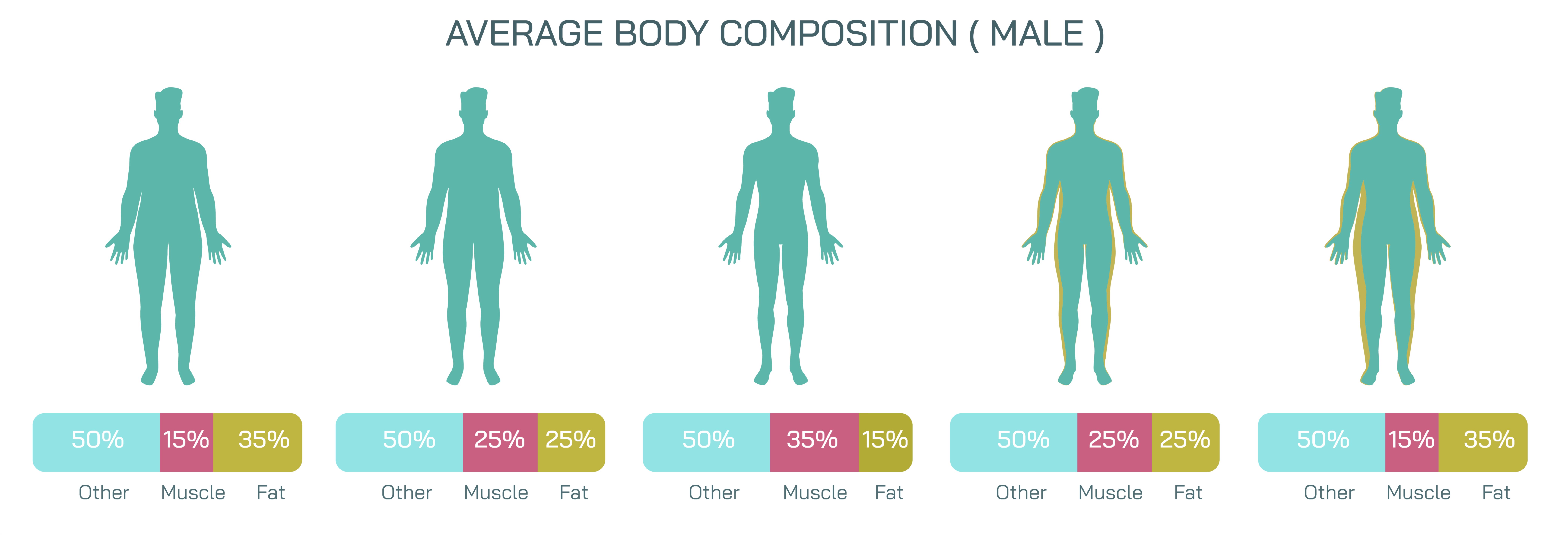
Body fat, while often discussed in cosmetic terms, is a vital tissue that performs multiple physiological functions. In the average male, body fat typically ranges between 18% and 24%, though this varies by age and lifestyle. Fat stores serve as long-term energy reserves, protecting the body during times of low calorie intake and supporting hormonal balance, including the regulation of testosterone and cortisol. Subcutaneous fat, located beneath the skin, provides insulation and mechanical cushioning, while visceral fat surrounds internal organs and influences metabolism more intensely. At healthy levels, both types of fat play constructive roles; however, as fat percentage increases beyond the average range, visceral fat begins to dominate and alters metabolic signals in ways that may eventually contribute to insulin resistance, systemic inflammation, and cardiovascular stress. In diagrams comparing body composition, average body fat levels show enough adipose tissue to provide softness and stored energy without dramatically obscuring muscular shape. The body appears balanced—neither sharply defined nor overly rounded—reflecting a stable energy equilibrium where intake and expenditure align reasonably well.
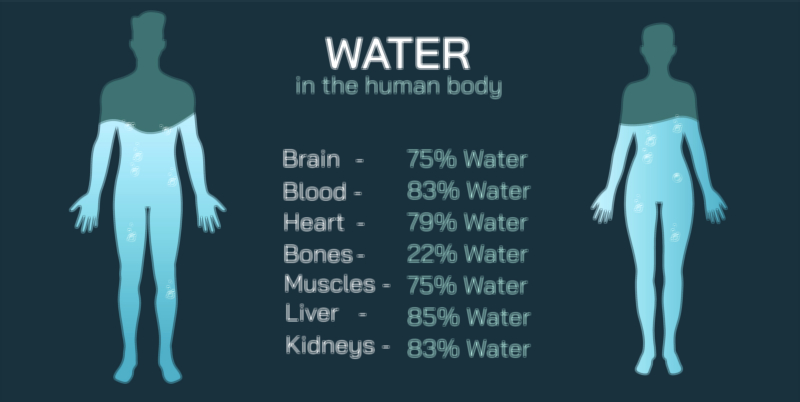
Water content constitutes the largest proportion of the male body and plays a central role in every biological process. The average adult male is approximately 55–65% water by weight, with the percentage trending toward the higher end in young, muscular males due to muscle tissue’s high water concentration. Water has a markedly lower presence in fat tissue, so as body fat increases, total water percentage decreases correspondingly. The distribution of water depends on internal compartments: intracellular fluid inside the cells, extracellular fluid circulating in blood plasma and interstitial spaces among tissues. Adequate hydration supports thermoregulation, blood pressure stability, nutrient transport, joint lubrication, digestion, and waste removal. Even mild dehydration can lead to fatigue, cognitive slowing, muscle cramps, and impaired performance. In the context of body composition, water is not simply a passive component; it influences muscle fullness, skin elasticity, circulation, digestion, and recovery from exercise. Variations in water retention can cause temporary fluctuations in body weight, leading many individuals to misinterpret changes on the scale that are unrelated to fat or muscle levels. Thus, when interpreting body composition, water must be viewed not as static content but as a dynamically regulated factor tied to sodium intake, carbohydrate storage, hormonal balance, environmental temperature, and physical activity.
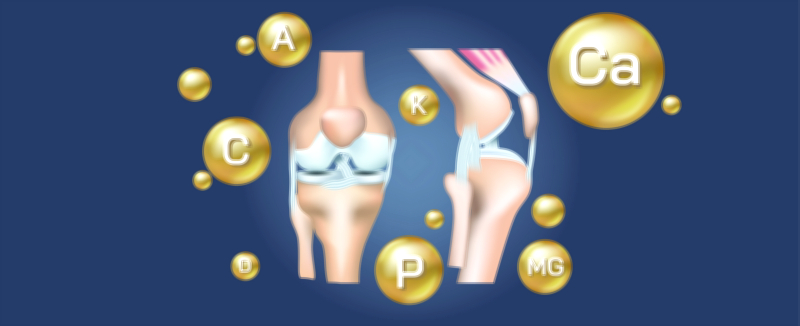
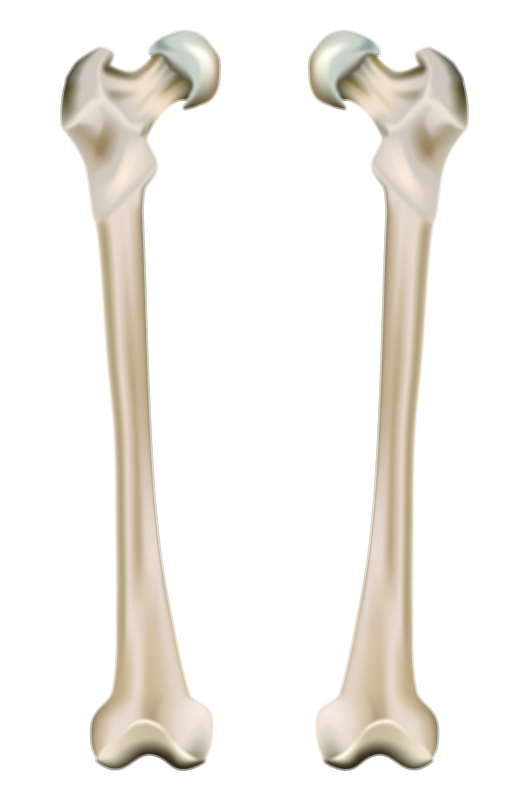
30. After that point, without weight-bearing exercise and adequate nutrition—including calcium, vitamin D, magnesium, and protein—bone density gradually declines. Although this change progresses more slowly in men than in women, it is still a crucial factor in long-term musculoskeletal health. In average body composition, the skeletal system silently supports all movements, bearing weight and absorbing impact from daily tasks without allowing structural instability or collapse.
These four components—muscle, fat, water, and bone—do not exist independently; instead, they influence one another through complex biological relationships. High lean muscle mass tends to support lower fat mass by elevating metabolism and improving insulin sensitivity, whereas lower muscle mass tends to promote fat accumulation over time because the body becomes less metabolically active. Fat tissue influences hydration balance and endocrine signaling, particularly through leptin, adiponectin, and cortisol pathways. Water content supports muscle contraction and nutrient transport, while bone integrity depends on the loading forces generated by muscle and body weight. When these components exist in harmony, the body functions with dependable strength, stable metabolism, injury resistance, and good cardiovascular support.
An illustration showing average male body composition often highlights the proportional distribution of these components across the body. Muscle mass concentrates in the thighs, glutes, back, abdomen, and arms, creating a balanced and functional structure. Body fat appears more thickly in the abdomen, chest, and lower waist for most males, while water is dispersed throughout tissues and not visually apparent. Bone density is implied beneath the surface, reinforcing alignment and posture. Compared with extremely lean or overweight body types, the average composition produces a moderate build—neither sharply defined through visible musculature nor heavily rounded through excessive fat storage. This visual representation mirrors a biological middle ground, where daily energy intake and expenditure are broadly aligned, hormonal signals are generally stable, and musculoskeletal integrity allows a full range of normal activities without excessive strain.
While the “average” body composition describes a statistical midpoint rather than an ideal benchmark, it provides a meaningful framework for understanding how the body is built and how the major tissue types interact. Improving body composition does not require obsessing over numbers on a scale; rather, it involves nurturing each biological component to support the others—building and preserving muscle, managing fat levels, maintaining hydration, and supporting strong bones through movement, nutrition, and rest. When these systems stay in balance, the male body becomes not only structurally strong but metabolically resilient, capable of adapting to physical demands, aging with stability, and sustaining long-term health through an integrated, interconnected physiological foundation.