Propane – Chemical Structure, Formula, Molecular Behavior, Physical and Combustion Properties, Storage Characteristics, and Industrial and Household Uses of This Versatile Hydrocarbon Fuel
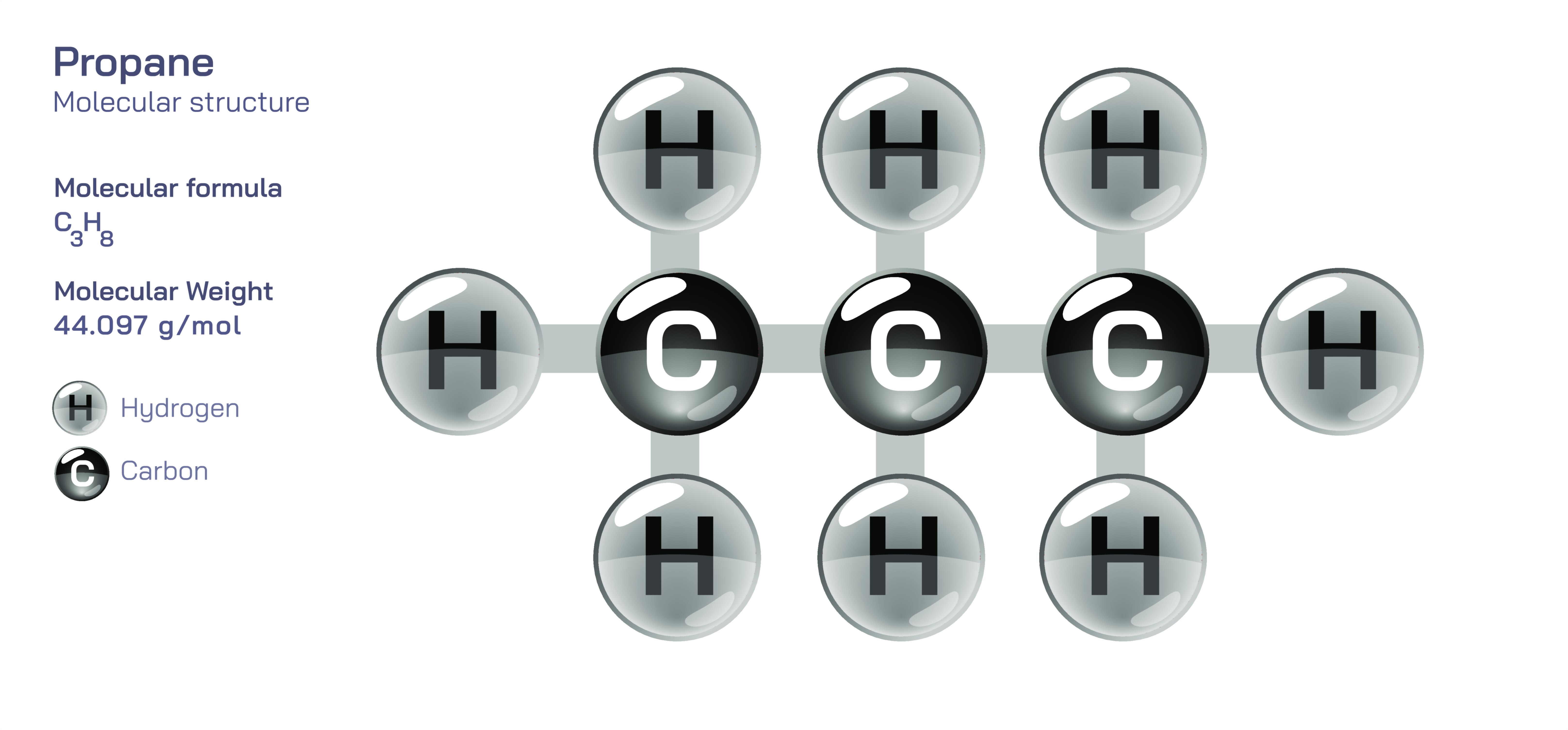
Propane is one of the simplest and most important hydrocarbons used in modern society, functioning as both an energy source and a raw material for chemical manufacturing. With the chemical formula C₃H₈, propane belongs to the alkane family and is composed solely of carbon and hydrogen atoms. Its structure reflects the core patterns of organic chemistry: a chain of three carbon atoms bonded to each other by single covalent bonds, with each carbon surrounded by hydrogen atoms to complete the stable configuration of four bonds per carbon atom. The structural arrangement may be represented linearly as CH₃–CH₂–CH₃, with the central carbon linking the two end carbons to form a compact, non-branched chain. Because propane is fully saturated — meaning all bonds between carbon atoms are single bonds — it exhibits the typical characteristics of alkanes, such as chemical stability, nonpolarity, and predictable combustion behavior. Despite its molecular simplicity, propane plays a powerful role in energy production, heating systems, transportation fuel, industrial processes, chemical synthesis, and residential applications, making it a cornerstone of modern energy infrastructure.
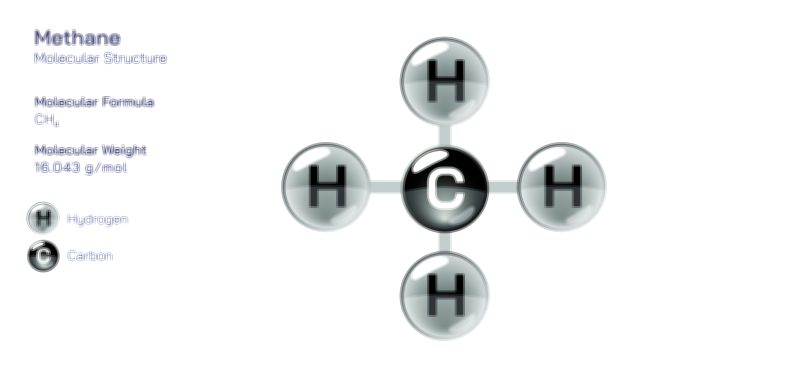
Propane is a gas at standard temperature and pressure, but it can be easily liquefied under moderate pressure or low temperatures. This property distinguishes propane from gases such as methane, which require far more extreme pressure or cryogenic cooling for liquefaction. Propane’s ability to exist as a liquid at relatively mild storage conditions allows it to be stored compactly in pressurized steel cylinders and transported safely across long distances. When the pressure decreases upon release from a storage tank, the liquid rapidly vaporizes and becomes gaseous again, allowing clean combustion in stoves, heaters, grills, engines, and industrial burners. The transformation between liquid and gas phases without requiring complex cooling makes propane one of the most convenient portable fuels ever developed. This convenience is a major reason why propane storage cylinders, sometimes called LPG cylinders, are used widely in rural regions where natural gas pipelines are unavailable.
One of propane’s most distinctive properties is its ability to burn cleanly and efficiently. Combustion of propane produces heat, carbon dioxide, and water vapor, releasing significant energy without producing soot when oxygen supply is adequate. Because of its high energy content per unit mass and reduction of particulate emissions compared with coal, kerosene, or wood, propane is considered a clean-burning fuel within the family of fossil hydrocarbons. This efficiency makes it ideal for heating homes, powering stoves and water heaters, running industrial furnaces, and fueling portable generators. In rural and off-grid communities, propane is often the primary household energy source for cooking and heating, providing a reliable alternative when electricity is unstable or expensive. Propane-powered space heaters and water heaters operate efficiently because the combustion process releases high thermal output while minimizing harmful emissions relative to heavier fuels.
Propane also operates as a major alternative transportation fuel. When used in engines, it is known as autogas or liquefied petroleum gas (LPG). Vehicles designed or converted to run on propane experience cleaner combustion compared with gasoline or diesel, leading to lower emissions of carbon monoxide, nitrogen oxides, and particulates. Many taxi fleets, school buses, forklifts, municipal vehicles, and airport ground equipment use propane engines to reduce both operating costs and environmental impact. Beyond transportation, propane’s clean burn makes it suitable for indoor-powered machinery such as warehouse forklifts, where diesel fumes would create unsafe working environments. In agricultural applications, propane powers crop dryers, greenhouse heating systems, irrigation engines, and weed burners, demonstrating its utility across diverse industries.
Another crucial aspect of propane lies in its role as a petrochemical feedstock. Although propane is well known for its fuel use, its contribution to the manufacturing of consumer products is equally vital. Propane undergoes chemical conversion through processes such as steam cracking to produce propylene, one of the most important building blocks of the plastics industry. Propylene is polymerized into polypropylene, a polymer used in packaging materials, household storage containers, automotive components, medical devices, textiles, and thousands of everyday objects. Propane is also used to produce acrylic materials, solvents, surfactants, synthetic rubber, and specialty chemicals. These applications highlight that propane is not only an energy carrier but a raw material essential to the production sector. Its dual identity — fuel and chemical feedstock — ensures its importance across both energy and industrial supply chains.
The behavior of propane under temperature and pressure adds to its versatility. Because propane boils at approximately –42°C, it remains gaseous under most natural outdoor conditions but liquefies easily under compression. This property enables high energy density per volume when stored as a liquid, making it extremely convenient for portable tanks and bulk delivery systems. At the same time, propane gas is heavier than air, and safety protocols are essential in enclosed spaces because leaking propane can settle low to the ground and displace oxygen. To ensure leak detection, propane is intentionally mixed with a strong-smelling odorant — typically ethyl mercaptan — so that even very small leaks can be identified quickly. These safety mechanisms allow propane to be used in homes, businesses, and factories with confidence when proper ventilation and equipment maintenance are followed.
Propane’s performance also extends to seasonal heating and recreational life. In cold regions, propane powers home furnaces, gas fireplaces, and space heaters, supplying warmth during harsh winters. Outdoor recreation sectors rely on propane heavily — campers, hikers, RV travelers, and outdoor cooks use propane cylinders to fuel camping stoves, lanterns, barbecue grills, and portable heaters. On construction sites, propane heaters keep workspaces warm and adaptable during winter building conditions. In hospitality and events, patio heaters powered by propane extend outdoor dining seasons. These applications demonstrate propane’s everyday presence in environments where mobility and convenience matter just as much as power and heat.
In commercial and manufacturing environments, propane supports processes requiring high, controllable heat. Metal fabrication industries use propane torches for soldering, brazing, and light cutting. Asphalt and roofing contractors use propane burners to heat tar and seal roofing materials. In food processing, propane powers industrial ovens, bakery burners, grain dryers, and commercial kitchens. In quarrying and agriculture, propane is used for flame-based weed control and controlled burns that reduce chemical pesticide requirements. Waste treatment facilities use propane for thermal destruction of organic contaminants, while automotive repair shops use propane-based heat tools to release frozen bolts and rusted parts. These industrial activities reinforce that propane is not simply a household fuel — it is a practical energy source embedded in diverse sectors of the economy.
Even refrigeration and cooling technology derive benefit from propane through indirect but important roles. In earlier generations of refrigeration, propane itself was used as a refrigerant before safer formulations and equipment emerged. With modern safety and engineering advances, propane is once again being revisited as a refrigerant in high-efficiency cooling systems due to its minimal environmental impact compared with older chlorofluorocarbon and hydrofluorocarbon refrigerants. This shift reflects a broader transition toward environmentally responsible cooling and energy solutions, in which propane is uniquely positioned as a lower-impact alternative.
Propane’s importance becomes especially clear when viewed in emergency and disaster scenarios. When electric grids fail during hurricanes, ice storms, or natural disasters, propane continues to power generators, heaters, and cooking appliances without requiring network connections or long-start ignition times. Military field operations and emergency responders rely on propane because it can be stockpiled safely and deployed rapidly, ensuring reliable energy in unpredictable conditions. In hospitals, remote clinics, and rural schools, propane ensures uninterrupted energy access where electricity may not always be secure. These emergency-readiness characteristics highlight that propane is not only a convenience fuel but a resilience fuel.
The widespread presence of propane across industries, households, energy grids, and chemical manufacturing shows that a molecule as small as C₃H₈ can have a tremendous impact on daily life and technological progress. Its structure — a simple chain of three carbon atoms with full hydrogen saturation — gives it stability, clean combustion, and predictable physical behavior. Those molecular characteristics explain why propane can be transported safely, converted into industrial chemicals, stored compactly as a liquid, and burned efficiently as a gas. From winter home heating to factory equipment, from cooking stoves to agricultural engines, from emergency generators to petrochemical production, propane remains one of the most versatile hydrocarbons available.
In summary, propane illustrates the profound principle that the characteristics of a molecule determine its relevance in the world. A straightforward hydrocarbon with only three carbon atoms has become indispensable in modern civilization due to the way its structure supports practical storage, ideal combustion, safety-controlled distribution, and valuable industrial reactivity. Whether it powers everyday tools or fuels the global petrochemical industry, propane continues to play a vital role in ensuring comfort, productivity, mobility, and technological advancement across the planet.