Symmetry – Understanding the Concept in Mathematics, Science, Nature, Human Perception, Physical Laws, and Educational Insight into Patterns and Balance
Symmetry is one of the most foundational and unifying concepts shared across mathematics and science, and it plays a remarkable role in how humans understand structure, beauty, and order in the world. At its core, symmetry refers to a balanced and harmonious arrangement in which a shape, object, pattern, or system appears unchanged after some type of transformation, whether that transformation is reflection, rotation, translation, or another act of repositioning. Yet symmetry is far more than a visual attribute; it represents an idea of invariance—something remains the same even when perspective, orientation, or space change. This notion of invariance is essential in mathematics and equally indispensable in physics, chemistry, biology, art, architecture, and psychology. When students learn the concept of symmetry early in their education, they often begin by identifying mirror images and regular shapes, but as they advance, they discover that symmetry describes the behavior of molecules, the structure of living organisms, the laws of energy, and even fundamental forces of nature. For this reason, symmetry is a cornerstone idea that links abstract theory to patterns observed in the real world.
In mathematics, the concept of symmetry begins with shapes and geometric figures. If a shape can be divided into two parts that perfectly match each other, the shape is said to exhibit reflection symmetry. This type of symmetry helps learners recognize how lines of reflection divide figures such as squares, rectangles, circles, polygons, and even natural objects like leaves or butterflies. In another way, rotation symmetry becomes visible when an object can be turned around a central point and still appear identical to its original form. A triangle with equal sides, for example, looks the same after a fractional turn around its center. Translation symmetry occurs when an object or pattern can slide to a new position without rotation or flipping yet remain visually unchanged, such as in repeating wall patterns or tiling. At first glance, these forms of symmetry are visual, but educationally they represent deeper mathematical thinking: they help students understand transformations, pattern recognition, and abstract reasoning beyond calculation alone. Symmetry allows geometry, algebra, and coordinate systems to be connected by showing that mathematical motions—turning, flipping, shifting—can preserve essential attributes.
Symmetry also provides a universal language for classification and prediction. When a mathematical object displays symmetry, it becomes easier to analyze, describe, and derive properties from it. A symmetric function or shape behaves predictably under transformation, making it easier to model, visualize, and compute. Even the earliest lessons about symmetry train students to identify invariants, which later supports learning in advanced areas such as group theory, crystallography, and mathematical physics. In more complex mathematics, symmetry is not limited to physical spatial transformations but also includes invariance under changes of variables, swapping of components, and more abstract operations. This connection shows that symmetry is not only visual or structural but also logical and algebraic, reinforcing its role as a central theme in mathematical thinking.
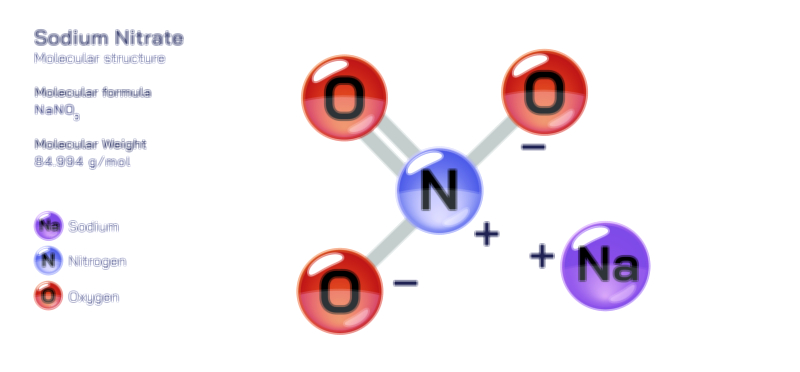
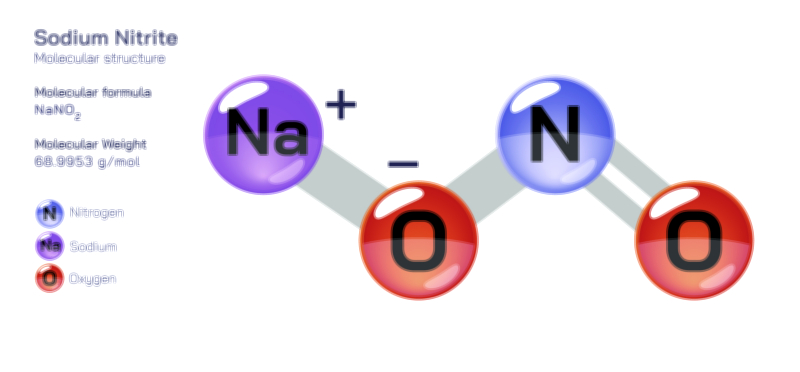
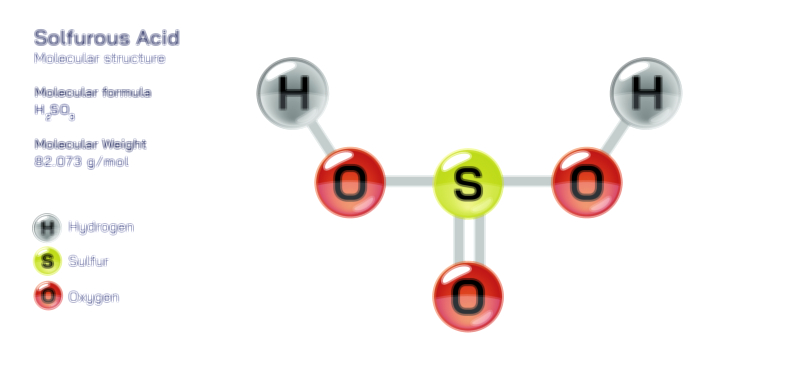
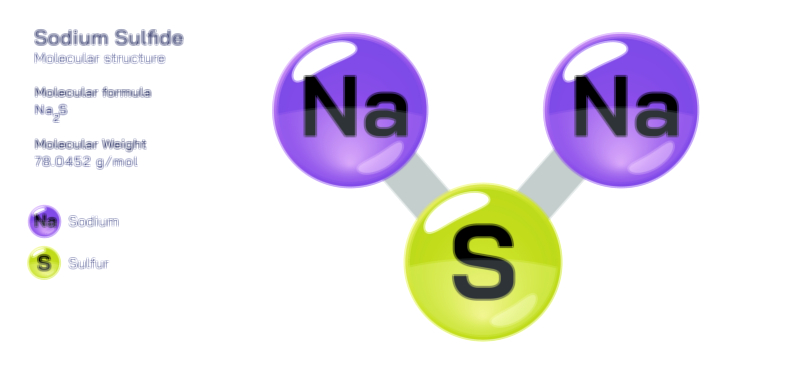
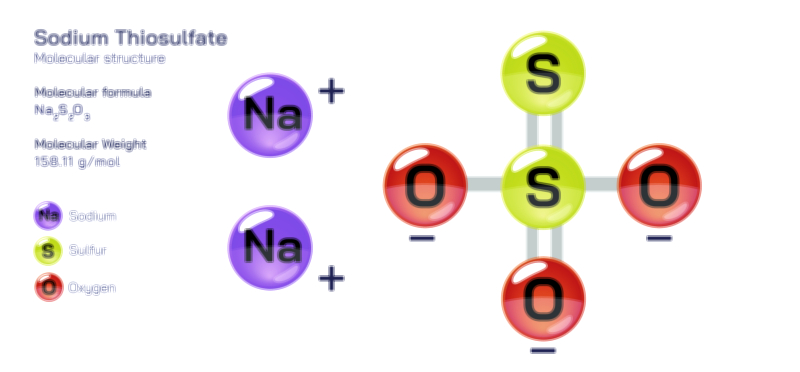
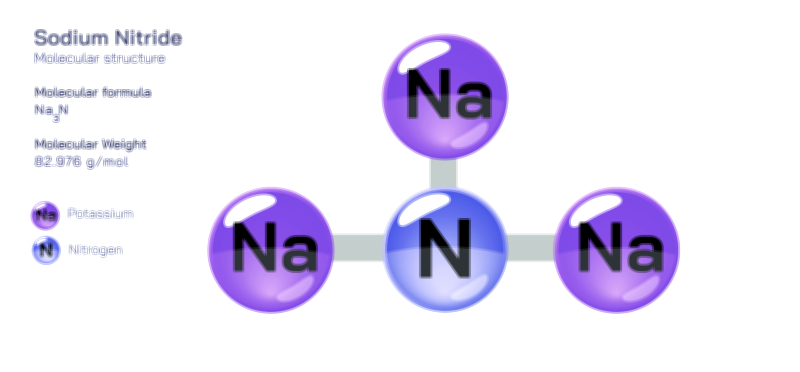
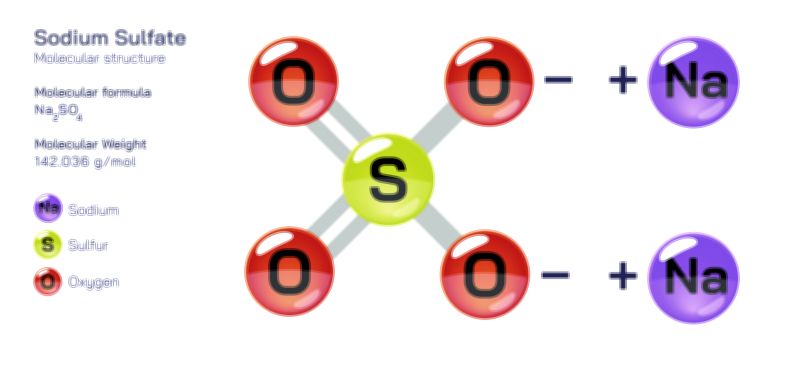
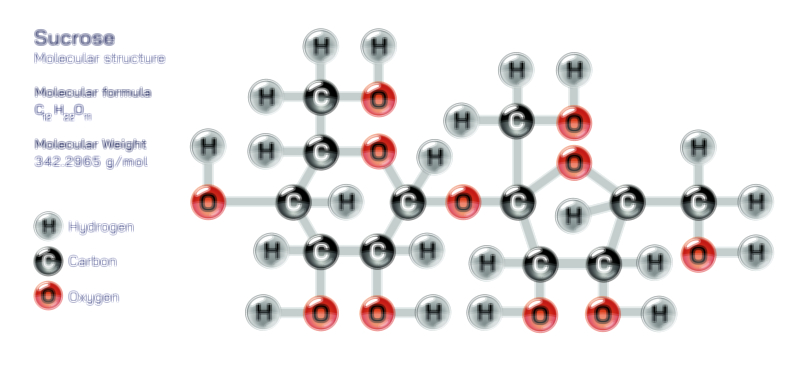
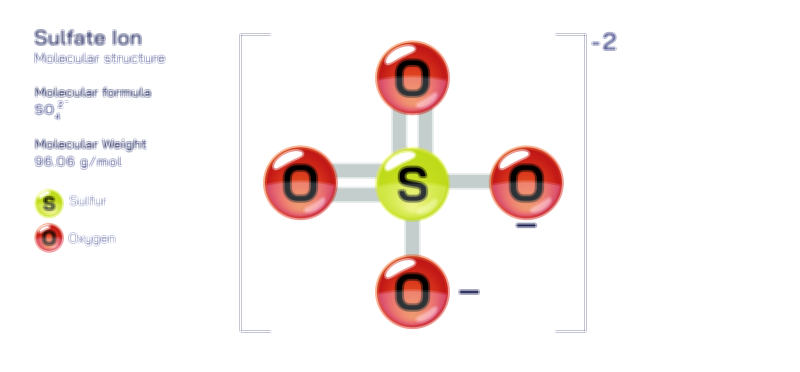
In science, symmetry takes on deeper meanings that extend beyond geometry into the structure of matter and the laws of the universe. In chemistry, the shapes of atoms and molecules depend on symmetry in the arrangement of electrons and atoms. Molecules with balanced spatial distribution are often more stable, and scientists use symmetry to predict molecular vibrations, polarity, and reactivity. The recognition that the shape of water, methane, benzene, or sulfate can be analyzed using symmetry principles makes chemical understanding more intuitive. In biology, symmetry is a guiding principle in the structure of living organisms. Most animals show bilateral symmetry, meaning their left and right sides reflect each other, a pattern closely linked to movement, environmental interaction, and evolutionary development. Other organisms display radial symmetry, such as starfish or certain flowers, allowing them to interact equally with their surroundings in all directions. Even at the microscopic level, viruses often adopt symmetrical structures that allow maximum strength with minimal genetic instruction. These examples demonstrate that symmetry is not an artistic overlay on living forms but a functional strategy through which nature builds complexity efficiently.
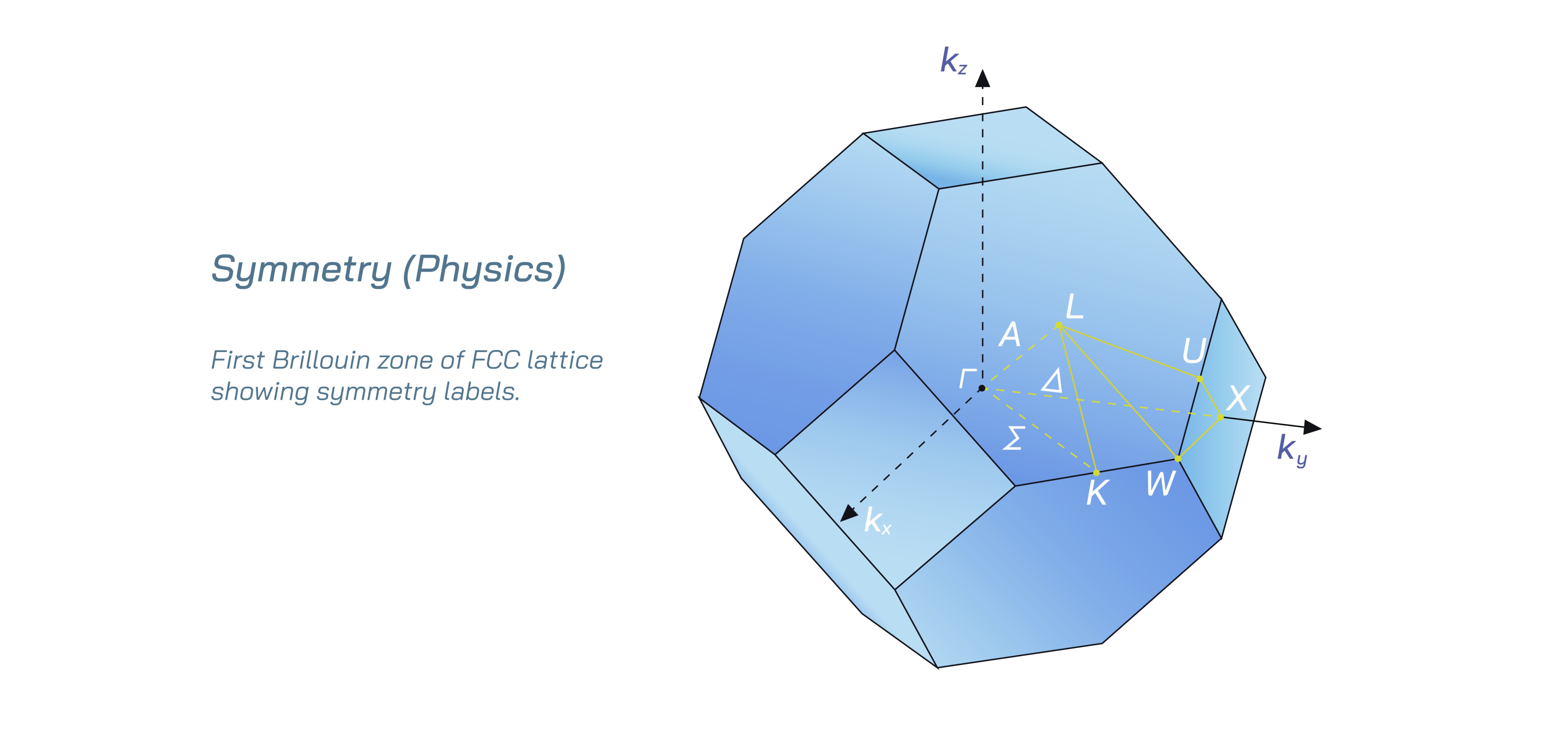
Physics elevates symmetry to an even more profound level because symmetry helps define the laws that govern the universe. When a physical system remains unchanged under transformation—whether shifting position, rotating in space, or advancing through time—that invariance reflects a conserved quantity. This connection between symmetry and conservation underlies many of the most fundamental principles in physics. The idea that energy, momentum, and electric charge are conserved across time and space arises from the symmetrical nature of physical laws. Symmetry in physical systems therefore helps identify what does not change, even when everything else around it may change. This idea becomes powerful because it means that symmetry can predict behavior before it is observed. The understanding of particles and forces in quantum physics is built on symmetry as well; elementary particles belong to symmetry groups that categorize how they transform under fundamental interactions. Though these notions extend far beyond the elementary classroom, they ultimately connect back to the child who recognizes that a shape looks the same after being flipped or rotated. The intuition that “something remains unchanged even though something else has changed” becomes a lifelong analytical tool.
Symmetry also plays a striking role in human perception, design, and cultural expression. The human mind is drawn to symmetry because it signals order, balance, and stability. Architectural structures—from ancient temples to modern skyscrapers—use symmetry to ensure structural balance and aesthetic harmony. Music incorporates symmetrical patterns of rhythm, tone, and melody to evoke emotional resonance. Human facial recognition is partly based on detecting symmetry, which the brain instinctively associates with health and attractiveness. In art and visual communication, symmetry can communicate strength, formality, or serenity, while asymmetry in controlled contrast can express tension, dynamism, or uniqueness. In nature, the presence of symmetry can be both functional and symbolic: the perfect radial geometry of snowflakes, the spirals of shells, the petals of flowers, and the symmetry of animal bodies are not accidental—they reveal deep interconnections among growth, evolution, survival, and beauty.
One of the most important educational values of symmetry is that it teaches students to look for structure beneath appearances. Whether a learner studies equations, architectural patterns, animal anatomy, or molecular modeling, symmetry trains the eye and the mind to identify relationships and transformations rather than isolated parts. It encourages pattern recognition, classification, and creative reasoning. It shows how balance and invariance can be achieved even in complex systems and how the same principle can appear across very different contexts. When students learn symmetry across mathematics and science, they refine their ability to generalize—an essential step toward deeper intellectual development.
Symmetry also provides a bridge between mathematical certainty and natural diversity. By recognizing symmetric patterns, learners gain a sense of order, yet by appreciating when symmetry is absent or broken, they understand that asymmetry also plays a role in how structures evolve and adapt. Breaking symmetry can initiate motion, change, or difference. For example, in biology, perfect symmetry may signal a parasite-free organism, but slight asymmetry can indicate growth or differentiation. In physics, broken symmetry can give rise to phase changes and particle masses. In art, intentional asymmetry can express individuality and creativity. Thus, understanding symmetry empowers learners not only to recognize harmony and balance but also to appreciate variation and transformation.
Ultimately, the concept of symmetry stands as one of the most enduring intellectual tools shared across disciplines. It begins with the simple act of recognizing that two sides of a picture match and evolves into an essential reasoning framework for understanding shapes, systems, forces, and laws. When learners reflect on symmetry, they discover that order, repetition, invariance, and transformation are woven into the structure of the world around them. The greatest value of symmetry in education lies not only in identifying patterns but in understanding that patterns reveal meaning—and through symmetry, the hidden organization of nature, mathematics, and the universe becomes visible to the human mind.