𝐒𝐨𝐝𝐢𝐮𝐦 𝐒𝐢𝐥𝐢𝐜𝐚𝐭𝐞 — 𝐌𝐨𝐥𝐞𝐜𝐮𝐥𝐚𝐫 𝐒𝐭𝐫𝐮𝐜𝐭𝐮𝐫𝐞, 𝐈𝐨𝐧𝐢𝐜–𝐂𝐨𝐯𝐚𝐥𝐞𝐧𝐭 𝐁𝐨𝐧𝐝𝐢𝐧𝐠, 𝐒𝐢𝐥𝐢𝐜𝐚𝐭𝐞 𝐍𝐞𝐭𝐰𝐨𝐫𝐤 𝐀𝐫𝐜𝐡𝐢𝐭𝐞𝐜𝐭𝐮𝐫𝐞, 𝐑𝐞𝐚𝐜𝐭𝐢𝐯𝐢𝐭𝐲 𝐢𝐧 𝐖𝐚𝐭𝐞𝐫, 𝐏𝐨𝐥𝐲𝐦𝐞𝐫𝐢𝐳𝐚𝐭𝐢𝐨𝐧 𝐁𝐞𝐡𝐚𝐯𝐢𝐨𝐮𝐫 𝐚𝐧𝐝 𝐀𝐝𝐯𝐚𝐧𝐜𝐞𝐝 𝐂𝐡𝐞𝐦𝐢𝐬𝐭𝐫𝐲 𝐄𝐝𝐮𝐜𝐚𝐭𝐢𝐨𝐧𝐚𝐥 𝐒𝐮𝐦𝐦𝐚𝐫𝐲.
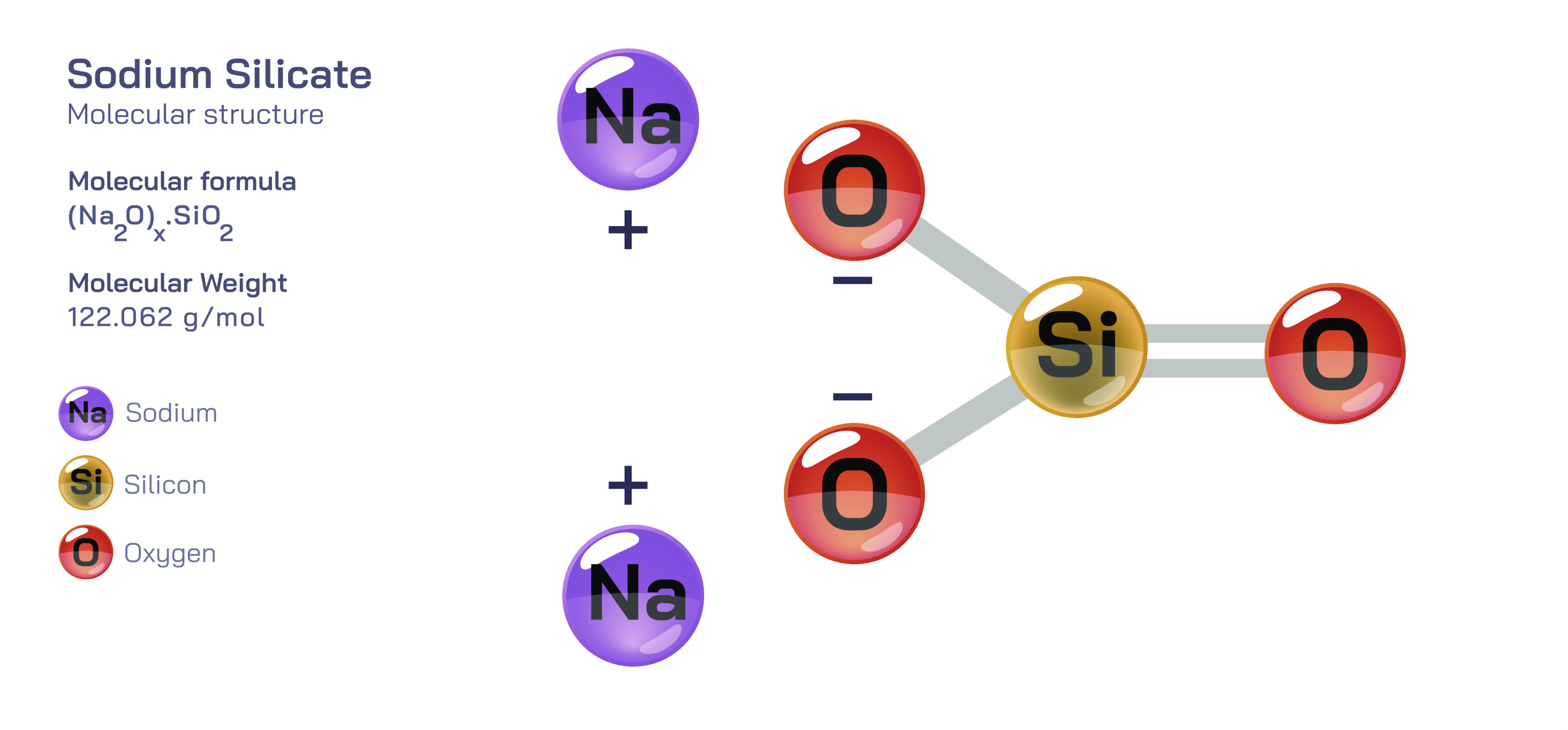
Sodium silicate, commonly represented by the empirical formula Na₂SiO₃, is not a single fixed compound but rather a family of materials composed of sodium cations and silicate anions in various ratios. Commercially it is often referred to as waterglass, reflecting its ability to form adhesive, glass-like films when it dries from solution. What makes sodium silicate especially fascinating from an educational perspective is that it bridges inorganic electrolyte chemistry, mineral-like covalent network chemistry and polymerization behaviour in solution. It is a door into understanding how microscopic atomic structures can become extended frameworks that determine the physical properties of everyday materials such as glasses, ceramics, cements, detergents, adhesives and sealants.
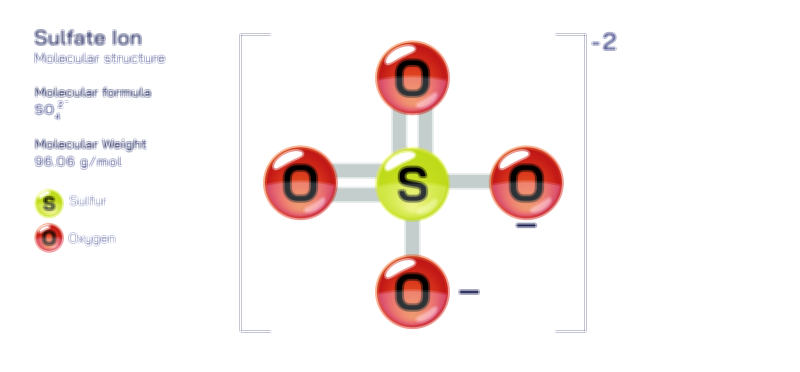
At the molecular level, sodium silicate is built from silicate anions, which follow the structural logic of silicon–oxygen tetrahedra. Silicon, a Group 14 element, forms four covalent bonds arranged tetrahedrally, and oxygen atoms occupy the four corners of the tetrahedron. In silicate chemistry, these tetrahedra do not remain as isolated species. Instead, oxygen atoms often serve as bridging atoms, linking silicon centers together to form extended networks. The simplest silicate anion in sodium silicate solutions is the orthosilicate ion (SiO₄⁴⁻), but as silicon concentration increases, tetrahedra polymerize to form chain silicates, ring silicates, layered silicates and three-dimensional silicate frameworks. For this reason, sodium silicate should not be imagined as a fixed Na₂SiO₃ molecule; it is a dynamic equilibrium of silicate structures that join and separate depending on pH, temperature and concentration.
The role of sodium in sodium silicate is largely ionic and structural rather than chemically directive. Sodium atoms lose their valence electrons to become Na⁺ cations, which balance the negative charge of silicate anions. They do not control the connectivity within the silicate network but stabilize the structure through electrostatic attraction. The dual character of the compound — covalent bonding inside the silicate network and ionic bonding between the silicate backbone and sodium ions — makes sodium silicate a key example of inorganic polymers that extend the idea of covalent connectivity beyond discrete molecules.
In the solid crystalline or glassy state, the silicate network becomes continuous. Silicon–oxygen tetrahedra connect in open or dense configurations depending on composition, and sodium ions occupy interstitial positions to maintain charge neutrality. This arrangement produces a rigid, high–melting structure with resistance to thermal shock and chemical attack. The use of the word “glassy” is not metaphorical: the dried material resembles glass because its silicon–oxygen framework is structurally similar to that of conventional silicate glass. Yet sodium silicate is usually more soluble than window glass due to the presence of sodium ions, which act as network modifiers, weakening the full density of the silica network and allowing water to break it apart.
When sodium silicate is added to water, the behaviour changes drastically. The solid dissolves to yield a strongly alkaline solution containing Na⁺ ions, hydroxide ions and various silicate ions. The solution is not static — silicate tetrahedra continuously assemble and disassemble. At high pH and high dilution, monomeric silicate species dominate. As the solution becomes more concentrated or as pH decreases, silicate units polymerize, forming long chains, sheets or three-dimensional networks. The gradual formation of polymeric silicates is the underlying mechanism of gelation and hardening in sodium silicate adhesives, cements and fireproofing substances. Thus, the microscopic condensation of Si–O–Si bridges becomes a macroscopic change from fluid to solid.
When sodium silicate is acidified, a crucial chemical transformation occurs. The hydroxide ions in solution become protonated, lowering the pH and reducing silicate solubility. Under these conditions, silicate units undergo dehydration and condensation, eventually forming an amorphous silica gel — a continuous network of SiO₂·nH₂O. This transformation forms the basis of silica gel production, sealing agents, desiccants, casting molds and industrial chemical catalysts. The chemistry demonstrates a core principle: solution composition and proton concentration can force a compound to shift from solvated ions to polymeric networks and ultimately to solid frameworks.
The reactivity of sodium silicate toward metal ions is another instructive phenomenon. Silicate ions can bind to metal cations through oxygen atoms, forming insoluble metal silicate phases. This reactivity is relevant in geology — especially the formation of silicate minerals — and in water treatment, where sodium silicate can capture dissolved heavy metals. The fact that silicate ions can form strong coordinate bonds teaches the important concept that inorganic ions also behave as ligands, not just as electrolytes.
Sodium silicate also provides vivid examples of acid–base chemistry in inorganic materials. Because silicate ions act as strong Brønsted bases, they react quickly with acidic molecules, forming silicic acid and then silica networks. This reaction is not only a neutralization reaction but a structural transformation, showing that an acid–base reaction can create irreversible polymer formation rather than a simple salt-and-water outcome. This instructional feature highlights that chemical reactivity depends as much on the structural consequences of proton transfer as on the proton transfer itself.
In industrial and technological applications, sodium silicate is used in detergents, water softening, passive fire protection, cardboard strength enhancers, cement bonding, ceramic processing and corrosion inhibitors. Its detergent behaviour originates from alkalinity, emulsifying capability and dispersion of particulate matter, all rooted in the charged and hydrated nature of silicate ions. In cements, sodium silicate forms chemical bridges across mineral particles, reinforcing structure through condensation reactions. In fireproofing, swelling and hardening of sodium silicate in high temperature environments produce insulating ceramic layers that protect underlying materials.
Thermally, sodium silicate does not decompose easily. Instead, heating drives it toward progressively more condensed silicate phases, forming glassy materials and eventually sodium–aluminosilicate ceramics when alumina is present. This progression demonstrates that inorganic polymers evolve structurally under heat rather than volatilizing, underscoring the crucial role of silicon–oxygen bonding in refractory materials.
From an educational standpoint, sodium silicate is an exceptional example because it embodies diverse and fundamental chemical principles, including:
ionic bonding between sodium and silicate units,
covalent bonding within silicon–oxygen frameworks,
tetrahedral geometry and network polymerization,
acid–base reactions leading to solid-phase condensation,
reversible and irreversible structural changes in aqueous media,
long-range lattice behavior and material properties.
Ultimately, sodium silicate demonstrates the core law of chemistry: structure determines behaviour. The extended silicon–oxygen network gives the compound its ability to form glass-like solids, while sodium ions grant solubility and solution alkalinity. Polymerization governs gelation and hardening, while protonation triggers condensation into silica. Through sodium silicate, chemistry reveals how microscopic electronic geometry can be programmed to yield macroscopic materials, proving that the architecture of atoms dictates the physical world we depend on.