𝐏𝐨𝐭𝐚𝐬𝐬𝐢𝐮𝐦 𝐁𝐫𝐨𝐦𝐢𝐝𝐞 𝐂𝐡𝐞𝐦𝐢𝐜𝐚𝐥 𝐒𝐭𝐫𝐮𝐜𝐭𝐮𝐫𝐞 𝐚𝐧𝐝 𝐌𝐞𝐝𝐢𝐜𝐚𝐥 𝐀𝐩𝐩𝐥𝐢𝐜𝐚𝐭𝐢𝐨𝐧𝐬
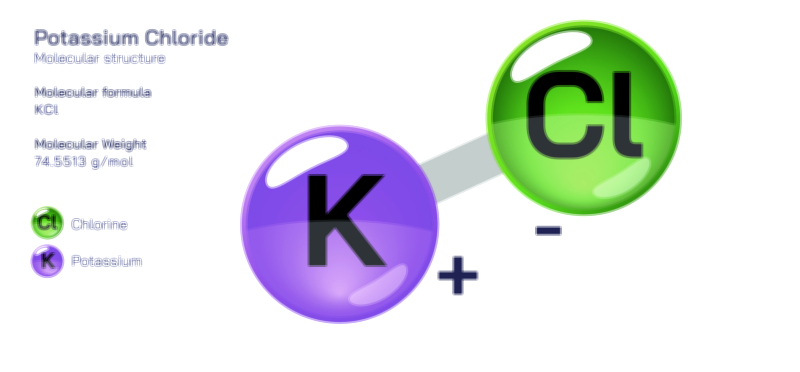
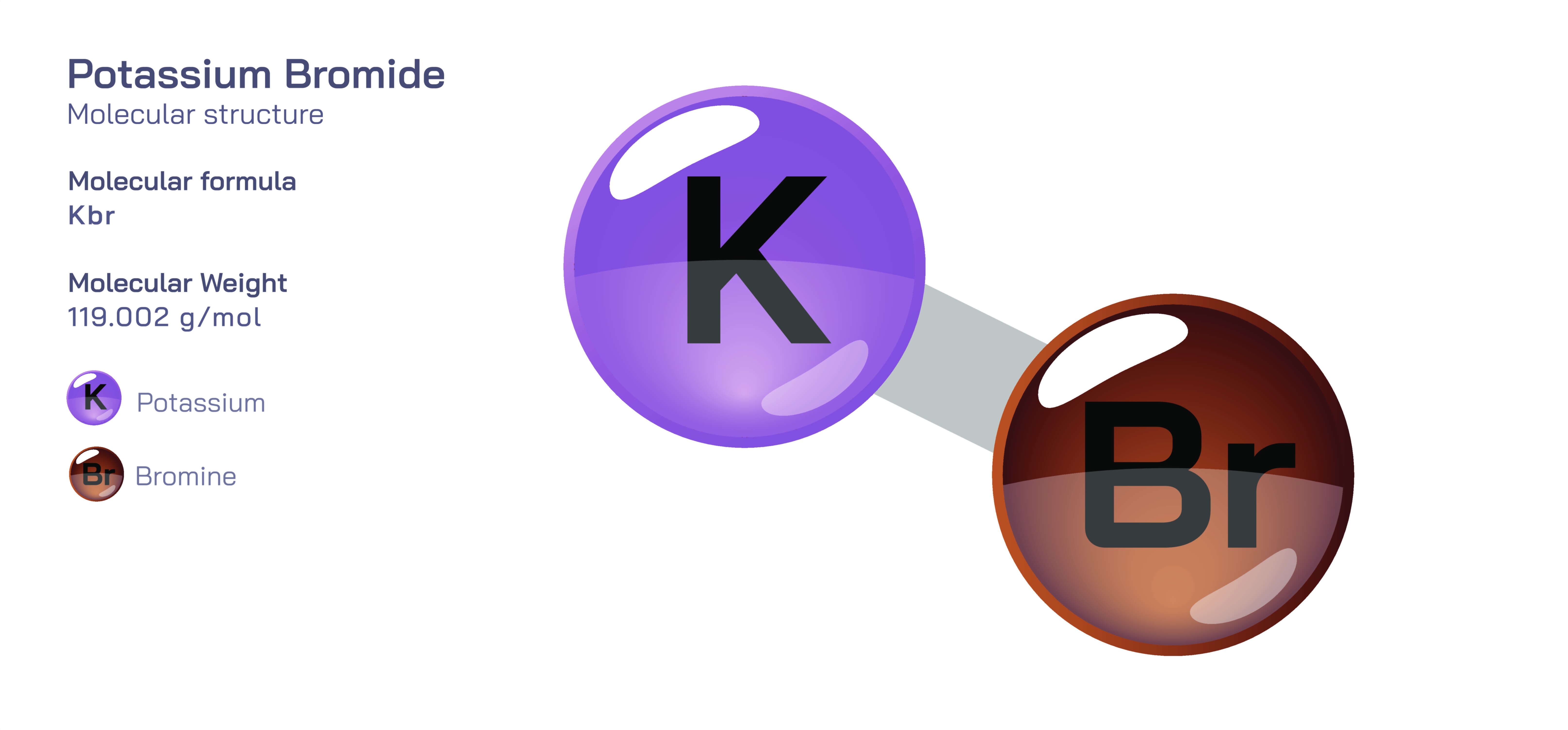
Potassium bromide is a simple but historically important inorganic salt composed of potassium ions and bromide ions, forming a stable, crystalline compound that dissolves readily in water. At the chemical level, its structure is ionic—positively charged potassium ions (K⁺) are held together with negatively charged bromide ions (Br⁻) through strong electrostatic attraction. This arrangement results in a solid material that appears as white, odourless crystals or granular powder. When dissolved in water, potassium bromide separates completely into free ions, creating a physiologically active solution because bromide ions interact with the nervous system and influence signal transmission. The salt’s solubility and gentle dissociation make it easy to administer in formulations, and historically it became one of the earliest pharmaceutical compounds used to manage neurological conditions. Although simple in composition, potassium bromide demonstrates how a basic ionic structure can have profound effects on brain activity, clinical therapy, and medical science.
The medical importance of potassium bromide originates from the unique behaviour of bromide ions in the central nervous system. Bromide acts as a depressant on neuronal activity by stabilizing nerve membranes and reducing the excitation of brain cells. When absorbed into the bloodstream, bromide ions distribute throughout the body and gradually equilibrate with the brain’s extracellular fluid, modulating neuronal firing in a steady and long-lasting manner. This effect was discovered in the 19th century and led to potassium bromide becoming the first widely used antiepileptic drug. For many decades, physicians relied on potassium bromide to control seizures in patients with epilepsy, particularly those experiencing generalized or tonic–clonic seizures. The drug reduced seizure frequency by raising the threshold needed for neurons to fire uncontrollably. Its long duration of action was beneficial because therapeutic concentrations could be maintained without frequent dosing. Although antiepileptic drug technology has advanced dramatically since then, potassium bromide still stands as a milestone in the history of neurology because it showed that chemical compounds could influence brain activity and treat chronic neurological disorders.
Even today, potassium bromide retains medical significance, especially in veterinary medicine. While safer and more targeted medications have largely replaced bromide for routine treatment in human patients, it remains a standard therapy for chronic epilepsy in dogs—either as a primary drug or in combination with other antiepileptics such as phenobarbital. Dogs metabolize bromide differently compared to humans, making it safer, highly effective, and well tolerated over long-term use. Veterinary formulations are typically given orally in the form of a liquid or capsules, and the slow elimination of bromide allows blood concentrations to remain stable, which is essential for seizure control. When managing canine epilepsy, veterinarians monitor bromide levels over time because the therapeutic range must be maintained carefully to avoid sedation, behavioral changes, or gastrointestinal upset. Potassium bromide’s continued success in veterinary neurology illustrates how a long-established drug can remain clinically relevant when applied in species and contexts where safety and efficacy align.
Beyond seizure management, potassium bromide has appeared in other medical and scientific applications due to its chemical stability and optical clarity. In diagnostic imaging and spectroscopy, potassium bromide is used to prepare optical windows and transparent pellets for infrared spectroscopic analysis. Its transparency across a wide infrared spectrum allows scientists to study chemical compounds without interference from the window material. In pharmaceutical formulation laboratories, potassium bromide occasionally serves as a reference standard, diluent, or inactive carrier in analytical procedures because of its predictable behaviour and consistent purity. These applications highlight how structural stability and optical properties extend potassium bromide’s value beyond neurology into research and diagnostics.
Although potassium bromide once played a major role in treating psychiatric and sleep disorders, it is no longer recommended for these uses due to advancements in safer and more selective medications. Extended bromide exposure can accumulate in the body and lead to a condition known as bromism, characterized by fatigue, neurological slowdown, dermatological reactions, and impaired cognition. Modern medicine moved away from bromides in humans partly because of these side effects and partly because newer antiepileptic drugs offer greater precision and fewer long-term risks. Today, human medical use of potassium bromide is highly limited and strictly controlled, whereas veterinary neurology remains its primary active clinical application.
Even though its role has shifted, potassium bromide remains historically influential in neuroscience, pharmacology, and analytical chemistry. Its ionic structure illustrates how the simplest chemical bonds can impact complex nervous system pathways, leading researchers to develop the field of modern antiepileptic therapy. Its use in spectroscopy supports scientific discovery across chemistry, pharmaceutical development, and materials research. And its continued veterinary value ensures that potassium bromide remains part of therapeutic practice, offering seizure relief and improved quality of life for animals living with chronic epilepsy.
Potassium bromide ultimately serves as an important reminder that not all impactful medical substances are chemically complex. Sometimes, the most significant breakthroughs arise from simple ionic arrangements that interface directly with biological systems. From the early days of epilepsy treatment to modern veterinary practice and advanced infrared optical analysis, potassium bromide demonstrates how chemistry and medicine intersect and how the properties of a single compound can influence health, science, and technology across generations.