Blood Glucose Level Monitoring and Diabetes Control — Understanding the Physiology of Blood Sugar, the Role of Self-Monitoring, Lifestyle Regulation, and Long-Term Protection of the Body’s Vital Systems
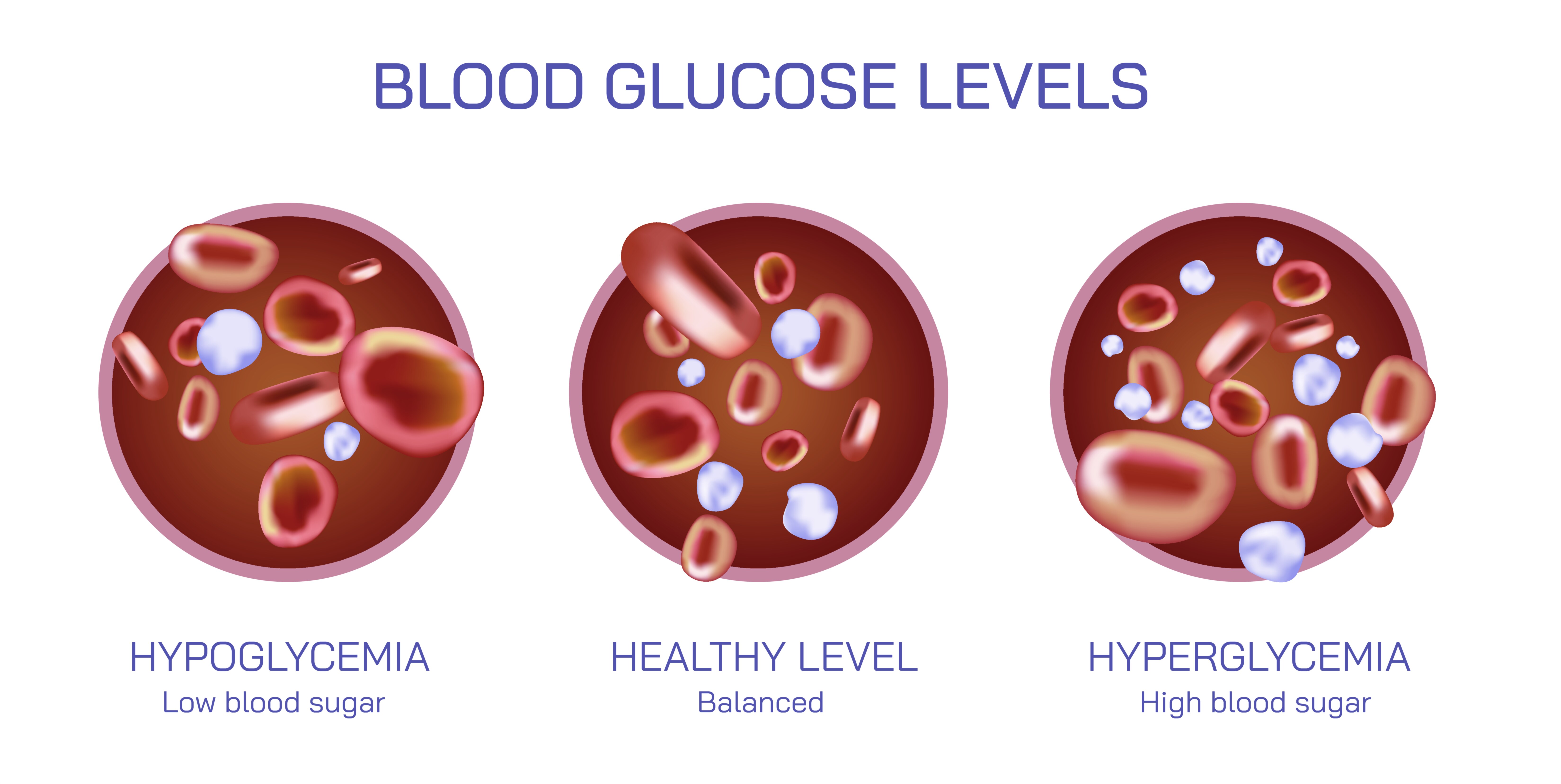
Blood glucose level monitoring is not simply a medical routine reserved for people living with diabetes — it is a crucial process that reveals how the body converts food into energy, how efficiently cells absorb glucose, and how well the metabolic system responds to daily habits, stress, and hormonal cycles. Glucose is the fundamental fuel for nearly every cell in the human body, but it must remain within a narrow range in the bloodstream to sustain life without causing damage. When glucose rises too high (hyperglycemia) or drops too low (hypoglycemia), immediate symptoms and long-term consequences can follow. For individuals living with diabetes — whether Type 1, Type 2, gestational diabetes, or prediabetes — blood glucose monitoring serves as a guiding map that connects behavior to biology, allowing early corrections before complications develop. Instead of functioning as a punishment or restriction, monitoring becomes a tool that empowers people to understand how their body responds to food, exercise, sleep, insulin, oral medication, hormones, and stress, transforming diabetes management into a science-guided lifestyle of stability and control.
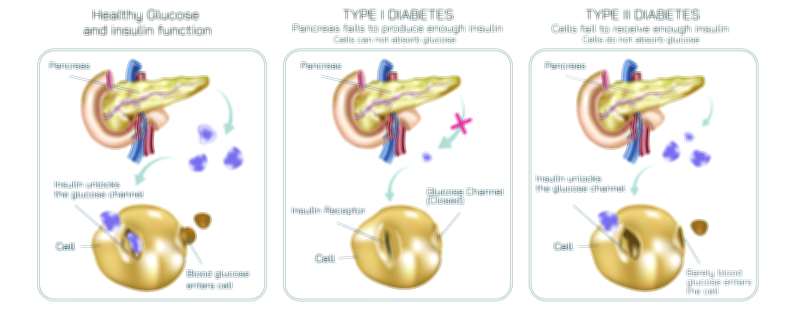
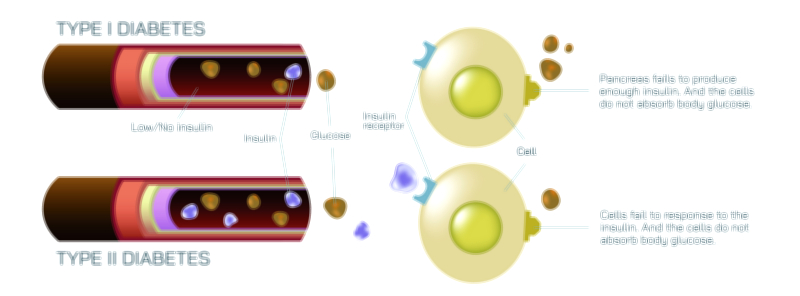
At the heart of glucose regulation lies the hormone insulin, produced by the pancreas, which functions like a key that unlocks cells and allows glucose to enter. In Type 1 diabetes, the body’s immune system mistakenly destroys the insulin-producing beta cells of the pancreas, leaving the body unable to make insulin. In Type 2 diabetes, the body still produces insulin, but cells become resistant to it, forcing the pancreas to produce higher amounts until it eventually becomes exhausted. In gestational diabetes, hormonal shifts during pregnancy interfere with the body’s insulin response, sometimes revealing an underlying vulnerability to glucose dysregulation. In prediabetes, blood sugar remains elevated but not high enough to meet the diagnostic threshold for diabetes. Regardless of the type, the root challenge remains the same: glucose cannot enter the cells effectively, leaving the bloodstream overloaded with sugar while tissues remain starved for energy. This imbalance influences not only physical energy but also cognition, mood, circulation, organ health, and immune function.
Blood glucose monitoring provides real-time insight into this dynamic. By measuring glucose throughout the day — often before meals, after meals, and before bedtime — individuals and healthcare providers can identify patterns that go unnoticed through symptoms alone. For example, a meal high in refined carbohydrates may cause a rapid glucose spike, while a balanced meal rich in fiber, protein, and healthy fats may maintain stable levels. Lack of sleep may unexpectedly raise blood sugar the following morning because stress hormones such as cortisol increase insulin resistance. A brisk walk after dinner may lower glucose more effectively than medication alone, demonstrating the unique interplay between physical activity and sugar uptake. Stressful days may elevate glucose even without additional food intake because emotional tension triggers the release of glucose into the bloodstream as part of the body’s survival response. Through monitoring, each individual learns the personalized factors that affect their glucose levels, because diabetes is not only a disease of numbers but a disease of patterns.
Modern diabetes management has evolved through an increasing variety of monitoring methods. Traditional blood glucose meters involve small finger-prick blood samples analyzed instantly by a portable device. These devices are reliable, portable, and simple, making them accessible for both adults and children. Continuous glucose monitoring (CGM) systems represent an advancement in which a tiny sensor placed under the skin measures glucose in real time, sending data to a smartphone or insulin pump every few minutes. CGM provides alerts before levels become too high or too low, transforming monitoring into a proactive tool rather than a reactive one. For individuals who use insulin therapy — including multiple daily injections or insulin pumps — such monitoring is essential because accurate dosing depends on understanding current glucose trends, meal timing, and physical activity. Rather than creating fear or anxiety, these monitoring systems help individuals feel safer, more independent, and more in control of their daily routines.
Diabetes control extends beyond glucose measurement; it is the result of a daily interaction between nutrition, physical activity, sleep, medication, stress management, and hydration. Food is not the enemy — it is fuel whose effect depends on timing, type, and balance. Balanced meals rich in vegetables, whole grains, protein, healthful fats, and fiber release glucose slowly, preventing spikes and allowing steady energy throughout the day. Highly refined sugars and processed carbohydrates rapidly elevate glucose, which the body struggles to process in the absence of sufficient insulin or insulin sensitivity. Meal planning does not require deprivation; rather, it requires awareness and pairing — combining carbohydrates with protein or fat slows glucose absorption and reduces post-meal surges. Physical activity enhances glucose control by increasing insulin sensitivity and helping muscles absorb glucose directly without requiring large insulin doses. Even short walks after meals can have measurable benefits. Sleep is equally important — insufficient sleep increases hunger hormones, raises cortisol, and worsens glucose regulation. Hydration supports kidney function and helps remove excess glucose from the body through urine. Stress management techniques such as deep breathing, meditation, journaling, and adequate downtime lower glucose-raising hormones and protect metabolic balance.
Medication is another pillar of diabetes control, but it is most effective when integrated with lifestyle practices rather than used alone. Individuals with Type 1 diabetes require insulin because their bodies cannot produce it independently. Those with Type 2 diabetes may use oral medications that increase insulin sensitivity, reduce liver glucose release, or enhance glucose excretion through urine. Some people also use insulin injections or insulin pumps if the pancreas is unable to keep up with metabolic demands. Medication is not a sign of failure — it is a scientifically validated tool that protects organs from damage. When combined with thoughtful monitoring and lifestyle support, medication establishes a three-way partnership between individual effort, biological processes, and modern medical science.
The importance of blood glucose control goes far beyond moment-to-moment symptom relief. Chronically elevated glucose gradually damages the delicate tissues of the body. Over years of unmanaged diabetes, high sugar levels can weaken blood vessels, stiffen arteries, interfere with nerve signaling, slow circulation, hinder healing, and damage organs including the heart, kidneys, eyes, and brain. This does not happen suddenly — it accumulates silently in the background, which is why monitoring and early control are essential even when a person “feels fine.” Conversely, consistent glucose control protects the nervous system from neuropathy, prevents diabetic kidney disease, reduces the risk of heart attack and stroke, preserves eyesight, and strengthens immune defenses. The reward for glucose stability is long-term freedom — the freedom to remain active, independent, capable, mobile, and mentally sharp throughout life.
Blood glucose monitoring is also emotionally transformative. For many individuals, diabetes is overwhelming at first, not because of the diagnosis itself but because of the fear of losing control. Monitoring turns that fear into information — and information into empowerment. Numbers become signals rather than judgments. A high reading is not a failure; it is a message from the body about stress, timing, meals, hormones, or habits. A low reading is not a crisis; it is a reminder to nourish the body appropriately. Over time, individuals develop confidence in their ability to manage fluctuations, predict responses, adjust habits, and live life fully rather than cautiously. Families, caregivers, and partners become part of the support system that encourages accountability without blame, patience without pressure, and compassion without pity.
Ultimately, blood glucose level monitoring and diabetes control are about protecting quality of life — not restricting it. They allow individuals to live with energy, clarity, independence, and confidence, free from the fear of unpredictable symptoms or long-term complications. With knowledge of their glucose patterns, people discover that their bodies are not fragile but responsive; not failing but adaptable; not broken but capable of thriving when given support. Every measured value becomes a step toward safety rather than limitation. Every controlled day is an investment in a healthier future. And every moment of awareness protects the body’s most vital systems — the heart that beats, the brain that thinks, the nerves that feel, and the organs that sustain life.
Blood glucose monitoring is not simply a medical procedure; it is an act of self-protection, self-respect, and self-care. It reinforces a powerful truth: diabetes is not the absence of health, but a condition that demands understanding and partnership with the body. When that partnership is honored with knowledge, consistency, and compassion, life with diabetes becomes not a restriction — but a life of resilience, control, and long-term well-being.