World Heart Day Awareness – A Global Reminder to Protect Cardiovascular Health and Strengthen the Lifelong Rhythm of the Human Heart
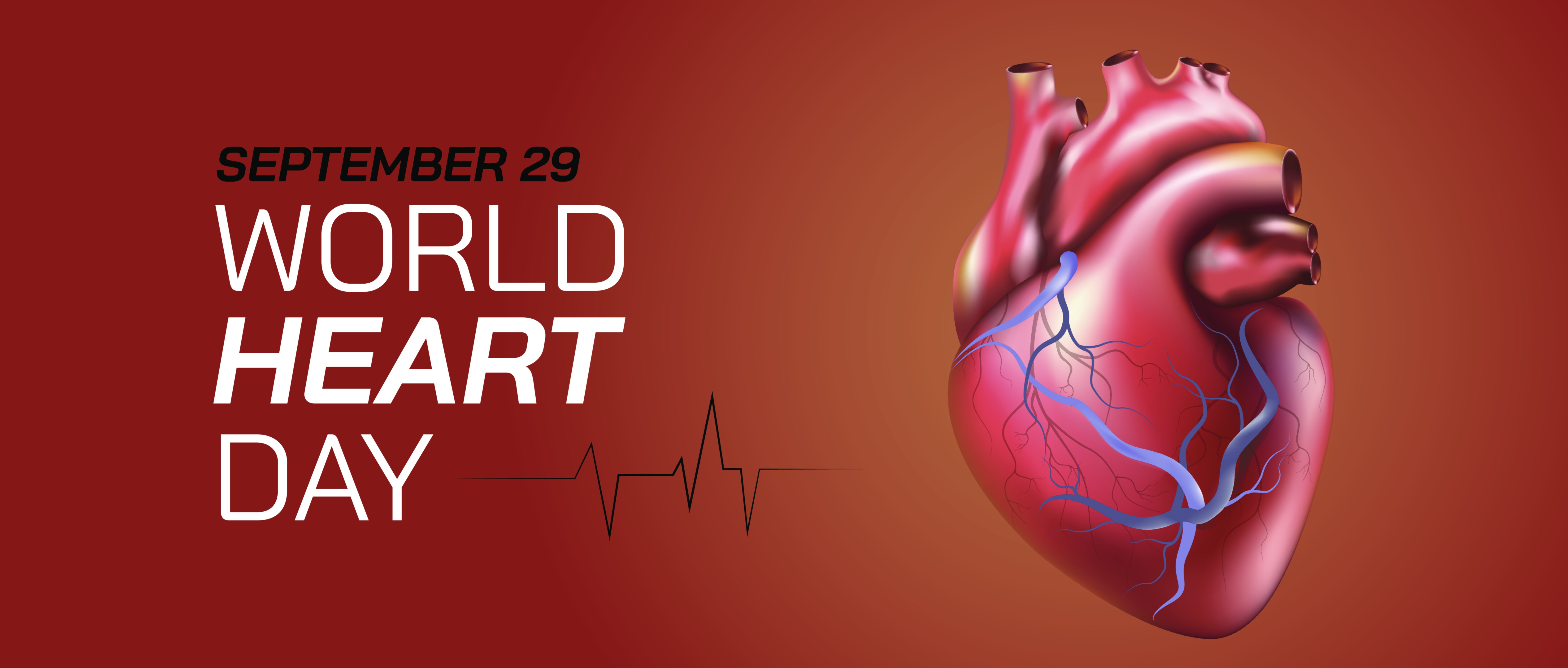
World Heart Day Awareness has become one of the most significant global health movements because it embodies the universal truth that the heart is the foundation of human life, and its well-being determines not just physical longevity but the quality of living itself. A World Heart Day Awareness Vector Illustration template often captures this message visually through powerful symbolism: a stylized anatomical heart or heart-shaped emblem surrounded by people walking, running, cycling, eating healthy meals, checking blood pressure, sharing support, and holding hands in unity. The minimalist vector lines, the bold red palette associated with vitality and circulation, and the clean geometric shapes ensure that the illustration communicates a life-saving message instantly — the heart must be protected, monitored, and valued every day, not only after illness appears. At a deeper level, the vector template is more than artwork; it becomes a visual call to action meant to raise awareness, encourage early diagnosis, promote lifestyle changes, and foster a collective sense of responsibility toward heart health across the world.
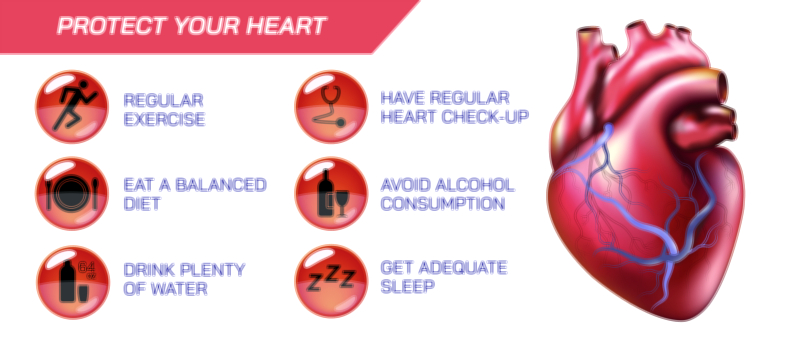
World Heart Day, recognized every year on September 29, was created to bring people together across cultures, borders, professions, and age groups with a single mission: preventing cardiovascular diseases before they begin. Cardiovascular conditions — including heart attacks, strokes, hypertension, arrhythmias, heart failure, and coronary artery disease — continue to be the leading cause of death worldwide, yet many of these conditions are preventable through timely awareness and lifestyle decisions. The vector illustration template reflects this prevention-focused mission by showing ordinary people making small but meaningful daily choices. Visual icons of exercise depict the importance of physical activity; fruits and vegetables signify healthy nutrition; water bottles imply hydration and reduced sugary beverage consumption; sneakers, bicycles, and heartbeat curves emphasize regular movement; and medical symbols highlight early diagnosis and routine checkups. Even without words, these images speak to every viewer: protecting your heart starts from the choices you make every day.
A key message represented in the illustration is that heart health is not just a medical issue but a social and emotional responsibility. Many vector templates show family members together — parents holding children, seniors walking hand in hand, friends cheering each other on — because cardiovascular well-being affects not just one individual but entire households and communities. A healthy heart means more years of shared memories, celebrations, and emotional bonds. This emotional theme blends beautifully with the anatomical context because the heartbeat is not only a biological rhythm but a rhythm of connection. Graphics that merge realistic heart shapes with symbolic heart icons highlight this dual nature — the heart as a vital organ and the heart as the center of love and life experience.
One of the strengths of World Heart Day branding is how simple visual symbols carry strong scientific messages. A single red pulse line reminds viewers that blood pressure, cholesterol levels, and glucose levels matter. A running silhouette communicates that even 30 minutes of walking can significantly reduce cardiovascular risk. A broken-cigarette icon embedded into the art alerts the audience that smoking and vaping greatly increase heart disease risk. Images of scales and measuring tapes quietly suggest that obesity must be addressed to lighten the burden on the heart. A stethoscope conveys the importance of regular check-ups. A glowing shield around the heart symbolizes protection — not through advanced surgery, but through awareness, knowledge, and consistent habits. In this way, the vector template becomes a universal language capable of teaching without intimidation.
The vector format itself enhances the educational purpose of the illustration. Because vector graphics rely on scalable mathematical paths rather than pixels, the artwork remains sharp and clean whether printed on a billboard in a city square, displayed on an educational poster in a school, used inside a hospital brochure, embedded in a social-media banner, or printed on a small awareness badge. Each viewer receives the same clarity: every icon, every shape, and every message remains legible without losing detail. This scalability matters because the impact of awareness depends on constant visibility, and vector illustration allows the same artwork to travel across streets, classrooms, smartphones, and community events without losing the strength of its message.
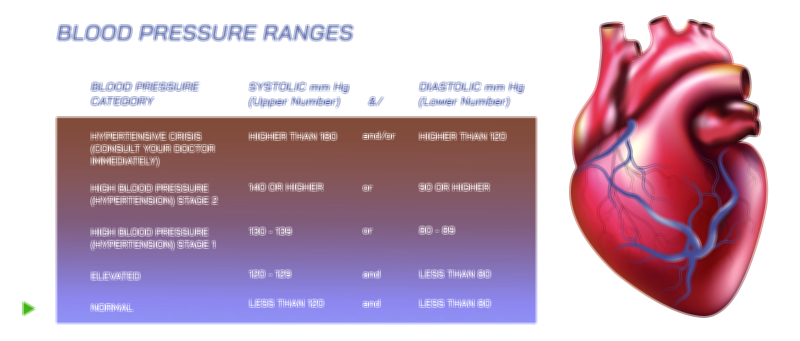
But the deeper significance of a World Heart Day Awareness template lies not only in conveying medical facts — it inspires behavioral change. The illustration encourages people to reflect on their daily routines and ask essential questions: Do I move enough every day? Do I eat more fresh foods than processed foods? Do I manage stress in constructive ways? Do I sleep adequately? Do I get my blood pressure, blood sugar, and cholesterol checked regularly? The artwork is designed to motivate rather than frighten. It reinforces empowerment by showing that heart health is not unreachable; rather, it is built step by step, habit by habit, over time. The visual tone of World Heart Day designs is intentionally uplifting because awareness becomes meaningful only when it leads to encouragement instead of fear or resignation.
On a global scale, the illustration also serves as a reminder of inequality in cardiovascular health. Many countries and communities still face barriers to heart-healthy living — lack of access to health care, financial limitations, cultural food practices high in salt and oil, lack of exercise spaces, stressful working conditions, or limited educational campaigns. The vector template often represents diverse groups — people of different ages, ethnicities, body types, and backgrounds — to emphasize that heart disease does not discriminate, and neither should prevention. Children, adults, seniors, athletes, patients recovering from surgery, and ordinary individuals can all appear within the same design, symbolizing unity and inclusivity.
In workplaces, schools, hospitals, sports centers, and community events, the template becomes an anchor for meaningful conversations — seminars on healthy food preparation, yoga and fitness initiatives, free blood-pressure screenings, marathons and cycling events, educational presentations, and donation drives for heart-disease research. When the design is posted, people recognize the symbol and understand the purpose instantly. This familiarity strengthens year after year, creating a rhythm of awareness that mirrors the rhythm of the heartbeat.
Ultimately, a World Heart Day Awareness Vector Illustration template embodies a pledge: a promise to protect life by protecting the heart. It conveys that cardiovascular health is not a distant medical subject but something deeply connected to the way people live, eat, work, rest, and love. It reminds every viewer that early action is easier than late treatment, that prevention is kinder than cure, and that caring for the heart is an act of self-respect and compassion. The image becomes a yearly invitation to pause, breathe, and evaluate personal health choices, not as a restriction but as an investment in future wellness, strength, happiness, and longevity.
By translating medical understanding into simple, relatable visuals, World Heart Day artwork turns awareness into clarity, clarity into intention, and intention into action. Through this combination of science, emotion, hope, and unity, the vector template helps build a world where fewer lives are lost to preventable cardiovascular diseases — a world where hearts beat longer, stronger, and together.