Healthy Lips vs Bleeding Lips — Understanding Structural Barrier Integrity, Damage Progression, Painful Tissue Breakdown, and the Healing and Protection Process for Long-Term Lip Comfort and Resilience
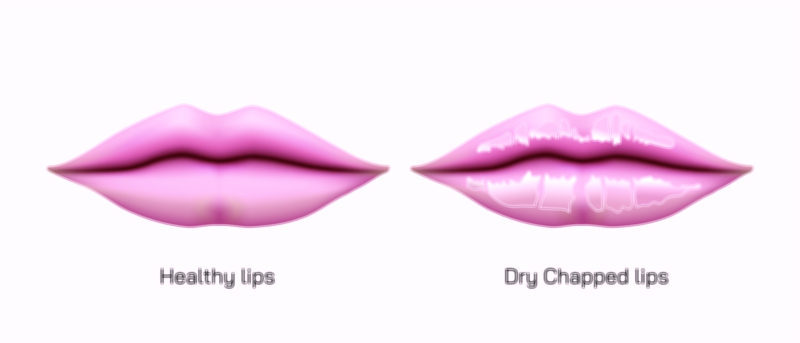
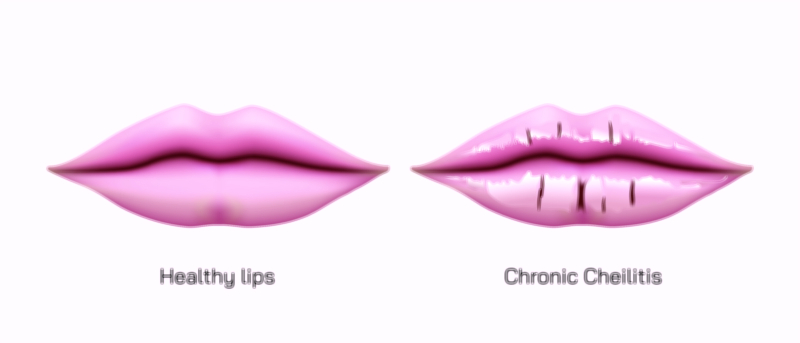
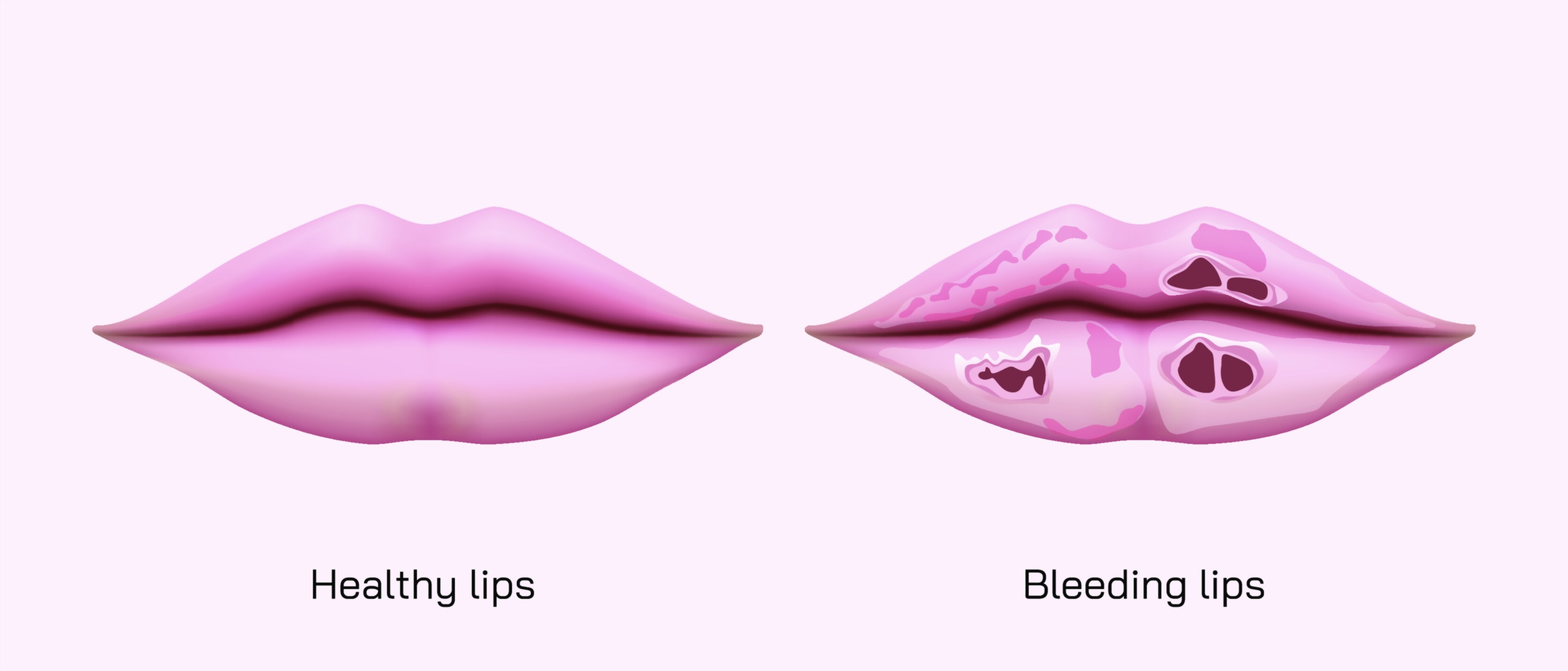
Healthy lips represent the ideal condition of skin structure, moisture balance, and barrier protection, where the tissue remains soft, smooth, and flexible without discomfort during everyday activities such as talking, smiling, or eating. In this state, the outermost skin layer of the lips — already thinner than the rest of the body — maintains a stable balance of water and natural oils that prevent dehydration. The microscopic surface remains intact and functions like a seal that protects deeper tissues from friction, saliva, food acidity, wind, dryness, and temperature extremes. Healthy lips do not peel, sting, crack, or tighten because the lipid barrier prevents moisture from evaporating and keeps the surface elastic. This resilience remains visible in the even color of healthy lips and tangible in their comfort, allowing expression and speech without sensitivity. Healthy lips do not require excessive product application to remain moisturized; their biological infrastructure is supported naturally by sufficient hydration, gentle care, and protective habits that preserve their delicate physiology.
Bleeding lips, on the other hand, represent a stage in which damage has progressed far beyond dryness and reached actual tissue breakdown. The protective barrier has become so compromised that the outer layer tears under minimal stress, leaving raw skin exposed. Bleeding occurs when cracks extend deep enough to disrupt tiny blood vessels near the lip surface, meaning that the tissue has split rather than merely dehydrated. This damage does not emerge suddenly but follows a predictable progression: the lips first lose moisture and become tight, then rough texture appears, then peeling begins, then cracks deepen, and finally the splitting turns into open wounds that bleed. At this stage, daily movements such as smiling, eating, brushing teeth, or speaking can reopen the wounds repeatedly, preventing healing and trapping the individual in a cycle of pain and irritation. Even a light brush of the tongue, a sip of acidic drink, or exposure to cold air can trigger burning and stinging because raw nerve endings are exposed at the site of the split. The lips also become highly vulnerable to infection because the natural barrier no longer exists to keep bacteria, irritants, and saliva from entering damaged tissue.
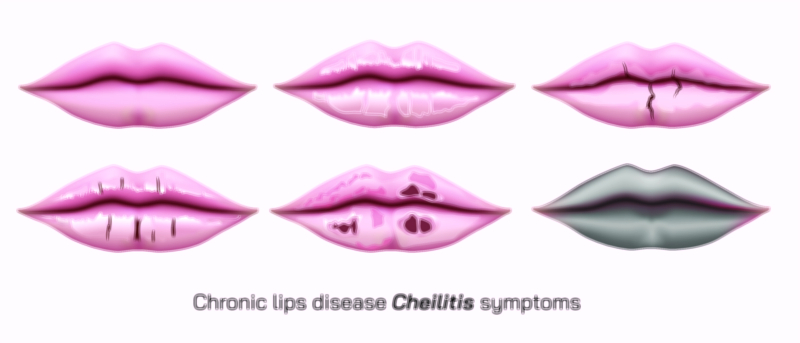
The visual and sensory differences between healthy lips and bleeding lips show how far the tissue has deteriorated. Healthy lips present a uniform tone and velvety softness with no loose skin, cuts, or patches, while bleeding lips may show deep fissures, lifted or torn skin segments, cracked corners, scabs, darkened or reddened patches, swelling, and fluid oozing at the injury site. Bleeding may appear as pinpoint spots during micro-tears or as streaks when a deeper crack opens across the lip. The corners of the mouth may split during wide expressions due to extreme tightness of the skin. Cold weather, dehydration, irritant lip products, aggressive licking, or even repeated wiping with tissues can further tear the surface. Bleeding lips are not merely an extension of chapping; they are a sign that the tissue has reached a level of breakdown similar to a wound, requiring care that focuses on healing rather than ordinary moisturization.
The causes of bleeding lips originate from a combination of external triggers and internal vulnerabilities. Major external triggers include dry, cold, or windy weather, low humidity, and direct sun exposure without SPF protection. Indoor heating systems and air conditioning can reduce moisture levels in the air dramatically, causing lips to dry out even while indoors. Habit-based triggers, especially lip licking, greatly accelerate damage. Although licking may feel soothing temporarily, saliva evaporates rapidly and leaves the lips even drier, creating an escalating cycle of cracking. Toothpaste ingredients like sodium lauryl sulfate, mint oils, and whitening agents can irritate lips, making them more vulnerable to bleeding. Glosses and lipsticks with strong fragrances, flavors, or drying alcohols amplify surface sensitivity. Physical abrasion from biting or picking at flakes causes repeated trauma, often leading to wounds that bleed.
Internal contributors also play a critical role. Dehydration reduces internal moisture reserves, weakening lip tissue from within. Deficiencies in vitamins such as B-complex, iron, and zinc can slow skin repair and increase susceptibility to cracking. Underlying conditions such as eczema, psoriasis, diabetes, or immune imbalances can push the lips into chronic damage states if care is not tailored to their needs. Medications such as isotretinoin (often used for acne) are known to severely dry out the lips and can easily trigger cracks that bleed. Because the causes can be layered — environmental, behavioral, nutritional, and medical — healing bleeding lips requires addressing multiple influences rather than assuming a single factor is responsible.
The care needs for bleeding lips differ dramatically from those for ordinary dryness. Many people instinctively apply regular lip balm continuously, hoping to soothe the problem, but generic balm alone cannot heal bleeding lips. Ordinary balms provide slip and moisture, but they do not seal open wounds, restore the protective barrier, or stop irritation from recurring. For bleeding lips, treatment begins with wound care principles. This means avoiding any exfoliation until the bleeding stops and the lips regenerate new surface tissue. Even gentle scrubbing can worsen the damage because exfoliation removes protective healing cells, delaying recovery and causing fresh cracks. Healing must begin with calming and sealing the injured surface using ointments that create a protective layer over the wounds. Thick, occlusive formulas such as petroleum jelly, lanolin, ceramide-rich healing ointments, and medical-grade barrier creams prevent moisture from escaping and shield the damaged tissue from friction, saliva, food acids, and environmental exposure. These products do not simply moisturize — they form a physical film that allows the lips to heal beneath in a moist and protected environment, preventing repeated tearing every time the lips move.
Once the bleeding is controlled and the cracks begin to close, the next phase of care focuses on restoring the natural moisture–lipid barrier so that the skin can return to its normal function instead of depending on emergency care. Hydrating humectants like hyaluronic acid, honey, and aloe help draw moisture into the tissue, while occlusives like beeswax, shea butter, and petrolatum seal it in. If nutritional deficiencies play a role, dietary support or supplementation may be needed. If toothpaste, lipstick, fragrance, or irritant-prone balm ingredients triggered the breakdown, they must be fully eliminated. If chronic dryness is driven by sleep habits such as breathing through the mouth, lips must be protected overnight with an occlusive layer to prevent evaporation while healing continues. During the repair phase, the lips must also be shielded from sun exposure using SPF lip balm daily because UV damage slows healing and worsens inflammation.
Complete healing also requires an emotionally supportive mindset. Bleeding lips are painful, frustrating, and deeply uncomfortable because the lips are central to communication and identity. People experiencing bleeding lips may feel embarrassed to talk or smile, avoid eating flavorful foods because of stinging, or withdraw socially because of visible wounds. These reactions are not superficial; the lips are part of expression, and damage affects confidence. The healing process is therefore both physical and emotional. Patience and kindness toward the body replace the urge to scrub, peel, or punish the damaged skin. Every day of gentle consistency — sealing the lips at night, avoiding irritants, hydrating adequately, and protecting the tissue — becomes an investment in restoring comfort and self-assurance.
Ultimately, the difference between healthy lips and bleeding lips is the difference between protection and breakdown. Healthy lips have a functioning barrier that retains moisture and resists irritation, while bleeding lips have lost that barrier and entered a state of injury that requires wound-care level support. Healing depends not on force but on protection. The lips must be allowed to rebuild the layer that nature originally designed to be their shield. With the right care — sealing open wounds, eliminating irritants, restoring hydration, protecting from environmental triggers, and supporting long-term maintenance — lips can transition once again from painful bleeding to comfort, softness, and resilience. Instead of being a constant source of discomfort and insecurity, they become an effortless extension of daily expression and confidence, proving that healing is not only possible but lasting when the body’s needs are finally heard and respected.