How to Protect Your Heart Health — A Complete Lifestyle Blueprint for Strengthening Cardiovascular Wellness and Preventing Long-Term Disease
A vector illustration designed around the theme How to Protect Your Heart Health communicates visually what medical science has repeatedly proven: that the heart is not simply an organ existing beneath the ribs but the central engine of life, constantly working to circulate oxygen, nutrients, and energy to every cell of the body. Protecting the heart means protecting the entire human system, because every thought, every movement, every breath depends on the uninterrupted rhythm of blood flow. A well-structured illustration on this subject often blends clean shapes, wellness icons, red color palettes, and smooth directional curves to represent healthy living habits, and even without text it expresses the essential lesson that heart health is both biological and behavioral. When translated into a deeply educational format, the artwork becomes a visual strategy guide that encourages people not to wait until illness appears but to take proactive steps to keep their hearts strong, resilient, and efficient across the span of their lives.
The core message embedded in such an illustration begins with daily physical activity, often depicted through icons of walking, running, swimming, cycling, and stretching. Movement strengthens the heart just as training strengthens a muscle, gradually lowering resting blood pressure, improving circulation, and enhancing oxygen delivery efficiency. In a world where sedentary lifestyles have become increasingly common due to desk work and digital entertainment, the image acts as a reminder that even small changes like brisk walking, taking stairs instead of elevators, and scheduled exercise sessions can dramatically reduce cardiovascular risk. The heart thrives on consistency rather than intensity; sustained moderate movement can offer more protection than occasional bursts of extreme effort. People are often unaware that the cardiovascular system begins to weaken silently when physical inactivity becomes a habit, and the visual symbolism of fitness silhouettes helps counteract this oversight by reminding viewers that the body depends on motion to preserve vitality.
A second element frequently featured in this illustration is heart-healthy nutrition, communicated through fruits, vegetables, whole grains, nuts, lean proteins, hydration symbols, and images of colorful balanced plates. Diet shapes the chemistry of the bloodstream: foods high in antioxidants, fiber, vitamins, and healthy fats strengthen arteries and reduce inflammation, while excessive sugar, trans fats, sodium, and processed ingredients contribute to plaque buildup, high blood pressure, and arterial stiffness. The intention of the template is not to shame or restrict but to guide behavior gently — when viewers see appetizing natural foods presented attractively, the brain interprets healthy eating not as sacrifice but as nourishment and self-care. The template highlights the timeless idea that protecting the heart begins in the kitchen, and that every meal can be either a step toward health or a step toward risk.
Another essential protective factor represented is stress management, often depicted through calm breathing symbols, meditation poses, yoga silhouettes, healthy sleep icons, and peaceful scenes of nature. Emotional stress affects the heart not metaphorically but chemically, causing spikes in hormones like cortisol and adrenaline that elevate blood pressure, cause inflammation, and strain the cardiovascular system. A heart health illustration acknowledges that preventing heart disease is not merely about physical choices but about protecting mental peace. It visually encourages practices such as mindfulness, hobbies, deep breathing, self-kindness, meaningful social connection, and time spent with loved ones. The message is that external stressors cannot always be controlled, but internal responses can be shaped, and doing so directly benefits the heart’s workload. In this sense, emotional hygiene becomes as important as physical activity and diet.
In addition to lifestyle improvements, eliminating harmful habits appears in many heart health visuals, often shown through crossed-out cigarette icons, reduced alcohol symbols, and warnings about drug abuse. Smoking remains one of the most powerful independent risk factors for heart disease because it damages arterial walls, depletes oxygen, and accelerates blood clot formation. Similarly, excessive alcohol weakens the heart muscle, disrupts heart rhythm, and raises blood pressure. The purpose of the illustration is not to judge individuals but to demonstrate scientifically that these substances place a chronic burden on the cardiovascular system. The imagery encourages substitution rather than deprivation — water replacing sugary drinks, tea replacing alcohol in some social settings, stress-relief techniques replacing smoking triggers — and through positive symbolic design rather than fear-based messaging, it guides viewers toward decisions that lighten the heart’s lifetime workload.
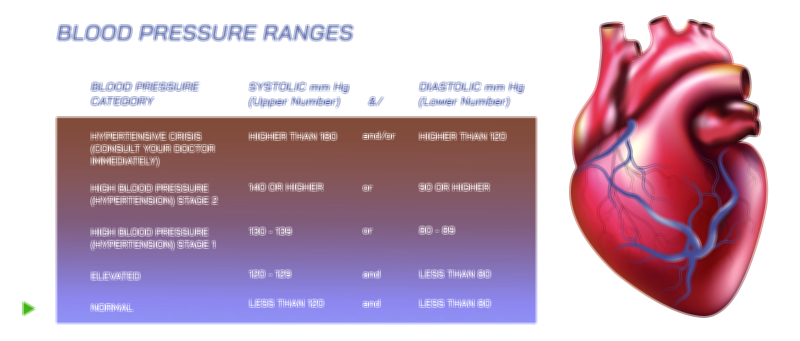
Another dimension often included in the artwork is medical monitoring and preventive checkups, illustrated through stethoscopes, blood pressure cuffs, heart rate monitors, and clinic icons. Because heart disease often develops silently for years, early diagnosis becomes one of the most powerful forms of protection. Measuring blood pressure, cholesterol, triglycerides, and glucose levels allows risk prediction long before symptoms appear. The illustration sends the message that visiting a doctor should not be reserved for illness but embraced as a form of self-investment. Many people fear medical results because they associate them with bad news, yet monitoring is actually empowering: the earlier abnormalities are identified, the more reversible they become, and the more freedom individuals retain over their bodies and futures. In this way, the visual template dissolves stigma around checkups and reframes health monitoring as an expression of responsibility, maturity, and self-respect.
Sleep quality also appears increasingly in modern heart health graphics because research shows that chronically insufficient sleep can elevate blood pressure, increase inflammation, disrupt metabolism, and reduce cardiovascular resilience. Illustrations might show nighttime icons, comfortable beds, moon symbols, and relaxed breathing lines to reinforce that rest is not passive time but active recovery. In the modern world, productivity is often prioritized over sleep, yet the human heart depends on nightly restoration to regulate hormones, stabilize vascular tone, and repair microscopic damage accumulated throughout the day. A vector template brings this overlooked component to the forefront by linking sleep to heart health visually rather than intellectually, reminding viewers that self-care includes allowing the body to recover.
The broader philosophical message of the vector illustration is that heart protection is not a one-time task but a lifelong practice, built through small choices repeated consistently rather than dramatic resolutions pursued briefly. Every heart has different genetic risk factors, yet behavior can modify the impact of those risks. A family history of cardiovascular disease does not make heart problems inevitable, and good habits developed early can delay or prevent serious complications later. Conversely, a lack of symptoms does not guarantee heart safety; disease can begin silently even in young people. The illustration communicates this truth through a universal visual language: reducing risk is not reserved for the elderly or the sick — it is relevant to everyone from youth to adulthood and into senior years.
What makes a How to Protect Your Heart Health Vector Illustration especially meaningful is that it blends biology with human compassion. It shows that protecting the heart is not merely about preventing disease but about protecting the future — the ability to travel, laugh, love, learn, raise children, build dreams, and enjoy long years of activity and connection. A strong heart makes life richer, more energetic, and more fulfilling. The artwork thus becomes both educational and emotional, reminding viewers that every decision supporting cardiovascular health is also a decision supporting joy, freedom, and longevity. When presented across hospitals, community centers, schools, workplaces, fitness clubs, and social media platforms, the message becomes clearer with each encounter: hearts are not invincible, but they are protectable, and caring for them begins today.
By translating medical science into a hopeful and motivating visual format, the illustration encourages people not to fear heart disease but to take confident, informed steps to prevent it. It reframes health protection as an empowering journey rather than a burden, and through vivid icons and relatable symbolism, it calls viewers to adopt daily habits that allow their hearts to beat strongly, rhythmically, and peacefully for as many years as possible.