Healthy Lips vs Cheilitis Lips Inflammation — Understanding the Difference Between Normal Lip Barrier Function and Chronic Irritation, Cracking, Redness, and Inflammatory Damage
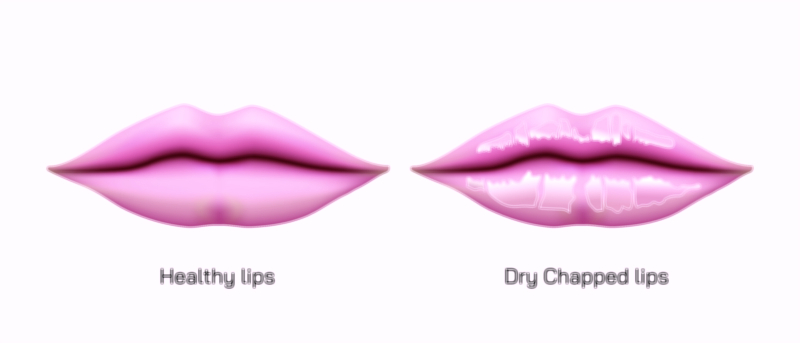
Lips are one of the most sensitive structures of the human body because their skin is uniquely thin, has no sweat glands, and possesses only a very limited number of oil glands to maintain moisture. Healthy lips therefore rely heavily on an intact protective barrier composed of natural lipids that prevent water loss and shield the delicate tissue beneath from environmental irritation. When this barrier is strong, lips appear smooth, soft, evenly colored, and comfortable. The surface holds moisture without peeling or cracking, and everyday expressions such as smiling, talking, and eating cause no soreness at all. In contrast, cheilitis represents a condition in which this delicate structure becomes inflamed. Instead of temporary dryness or mild chapping, cheilitis is defined by redness, burning, cracking, stinging, and persistent irritation that may spread beyond the boundaries of the lips themselves. While people sometimes confuse cheilitis with chapped lips, the two conditions are fundamentally different in their severity, causes, symptoms, and treatment requirements.
The biological difference between healthy lips and cheilitis begins with the condition of the lip barrier. In healthy lips, the barrier is intact and protects the inner layers from irritants, allergens, and dehydration. Moisture stays locked inside, and the lip tissue renews itself at a normal rate without interruption. In cheilitis, the protective barrier has collapsed entirely. This collapse makes the lips unable to retain hydration and unable to defend themselves from friction, environmental triggers, microorganisms, or chemical irritants. Water evaporates rapidly from the exposed tissue, leading to a cycle of dryness and cracking that deepens inflammation. Once the skin is damaged, the immune system responds aggressively, and the inflammation becomes more than a matter of dryness — it becomes a persistent wound-like state. This is why cheilitis does not simply feel uncomfortable; it is painful and can interfere with quality of life.
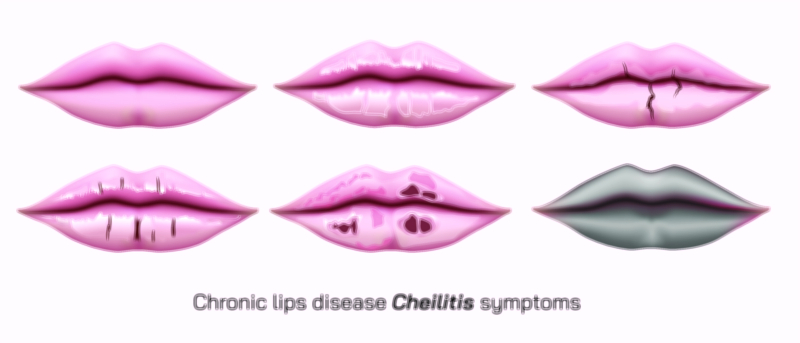
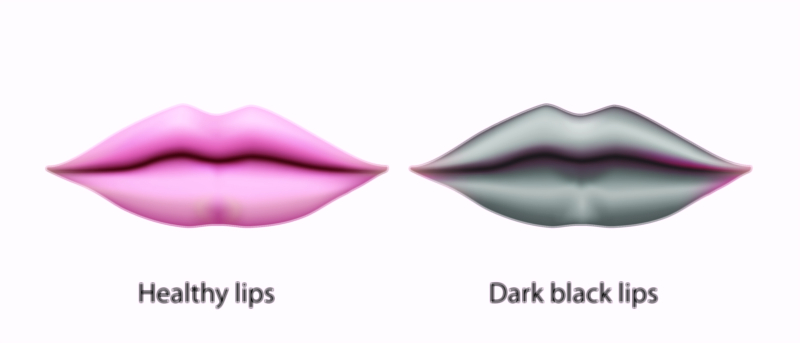
Cheilitis also differs from routine dryness in its appearance and distribution. Healthy lips have a stable, even-toned surface with no patches, splits, or discoloration. In contrast, cheilitis often presents as red or darkened lips with peeling, fissures, sores, and swollen or inflamed edges. In angular cheilitis, the condition appears at the corners of the mouth where saliva collects, creating painful cracks that take a long time to heal. In allergic or irritant cheilitis, redness may extend onto the skin surrounding the lips, forming a ring-like rash known as lip dermatitis. Some forms of cheilitis create a thick crusting layer, while others cause raw, shiny patches that feel constantly sore or burning. These inflammatory signs do not disappear quickly and often worsen when exposed to spicy food, acidic food, toothpaste ingredients, fragrances, lip licking, or certain cosmetic products, revealing that the skin’s vulnerabilities go deeper than dryness alone.
The causes underlying healthy lips and cheilitis demonstrate yet another contrast. Healthy lips remain stable when hydration, natural oils, and environmental protection are in balance. Cheilitis, however, can arise from numerous triggers, including allergic reactions to lip products, toothpaste, metals from dental appliances, certain foods, or fragrances. Irritant cheilitis may come from substances that disrupt the lipid barrier, such as menthol, camphor, salicylic acid, or drying alcohols commonly found in low-quality lip balms marketed as “minty” or “cooling.” Angular cheilitis often occurs when saliva constantly pools at the corners of the mouth, which can be caused by lip licking, dentures, malocclusion, nutritional deficiencies, or fungal and bacterial overgrowth. Systemic conditions such as eczema, psoriasis, atopic dermatitis, diabetes, or immune dysregulation may trigger chronic cheilitis in some individuals. Unlike routine chapping, cheilitis tends to persist or worsen unless the underlying trigger is identified and removed — moisturizing alone often brings little relief because the inflammatory cycle continues beneath the surface.
Healthy lips and cheilitis also differ profoundly in the experience and feeling of the condition. Healthy lips feel comfortable and flexible, allowing effortless speech and facial expression. Chapped lips may feel tight and mildly sore but usually respond quickly to hydration and protective care. Cheilitis, however, causes sharp pain with even small movements like smiling or eating because the inflamed tissue is repeatedly stretched and cracked. In severe cases, the lips may bleed spontaneously or sting when exposed to everyday activities such as brushing teeth or drinking citrus juice. The emotional impact becomes significant: constant discomfort and visible inflammation can affect confidence and self-image. People with cheilitis may feel frustrated because traditional lip balms do not help or may even worsen the problem, reinforcing the sense that their lips are chronically damaged.
The care and healing strategy for healthy lips involves maintenance, hydration, and protection, while cheilitis requires a corrective and medical-style approach. Healthy lips benefit from routine support through gentle exfoliation, hydration with humectants, and moisture sealing with ceramides, shea butter, lanolin, beeswax, or petroleum jelly. This routine maintains barrier integrity and prevents occasional dryness from turning into damage. Cheilitis, however, requires first identifying and eliminating the trigger. If the trigger is an irritant in lip balm, toothpaste, lipstick, or mouthwash, those products must be discontinued completely. If saliva exposure is responsible, habits like lip licking must be addressed, and moisture-repelling ointments must be applied to the corners of the mouth. If the cause is allergic, avoidance of the allergen is essential, sometimes confirmed through patch testing. Antifungal or antibacterial ointments may be needed when infection plays a role, especially in angular cheilitis. Topical steroids or anti-inflammatory creams may help reduce swelling, redness, and pain, but they must be used with medical guidance to avoid long-term thinning of the skin. Moisturizers alone cannot heal cheilitis without removing the source of inflammation — this is the key distinction that determines whether recovery happens quickly or the cycle persists.
The long-term difference between healthy lips and cheilitis demonstrates the importance of the lip barrier as the first line of defense. Healthy lips remain comfortable when protected consistently from sun, cold, dryness, harsh ingredients, and dehydration. Cheilitis develops when that protective system is repeatedly overwhelmed, ignored, irritated, or damaged, leaving the lips vulnerable to chronic inflammation. Once healed, lips can return to softness and normal function, but prevention becomes essential because the skin may be more reactive after a prolonged flare-up. People who have experienced cheilitis often learn that gentle products, minimal fragrance exposure, protective lip balms with SPF, and nighttime lip sealing are not luxuries — they are necessities for long-term stability.
Emotionally, cheilitis teaches an additional lesson: discomfort on the lips affects more than appearance. It influences speaking, smiling, eating, confidence, and daily comfort. Healing therefore becomes not just an act of skin care but a restoration of ease, expression, and self-assurance. Healthy lips represent comfort and protection; cheilitis represents inflammation and vulnerability. Returning to health requires recognition of the body’s signals and a commitment to supporting the barrier rather than fighting the skin with harsh or reactive habits.
In the end, the difference between healthy lips and cheilitis is the difference between equilibrium and inflammation. Healthy lips retain moisture, resist environmental stressors, and remain comfortable because their biological defenses are intact. Cheilitis erupts when those defenses are disrupted and inflammation replaces stability. The path to recovery is not aggressive treatment but barrier repair, trigger identification, and sustained care. When the lips receive what their biology needs — hydration, protection, anti-inflammatory support, and relief from irritants — the transformation from cheilitis to health becomes not only possible but lasting, restoring both comfort and confidence in everyday life.