𝐂𝐡𝐫𝐨𝐧𝐢𝐜 𝐋𝐢𝐩𝐬 𝐃𝐢𝐬𝐞𝐚𝐬𝐞𝐬 𝐒𝐲𝐦𝐩𝐭𝐨𝐦𝐬 𝐚𝐧𝐝 𝐓𝐫𝐞𝐚𝐭𝐦𝐞𝐧𝐭 𝐀𝐰𝐚𝐫𝐞𝐧𝐞𝐬𝐬
Chronic lip diseases represent prolonged and persistent disorders affecting the structure, function, appearance, and comfort of the lips. Unlike temporary dryness or irritation that resolves quickly with simple care, chronic lip conditions last for weeks, months, or even years and often return when not treated properly. The lips are one of the most delicate and sensitive tissues of the body, with extremely thin skin, dense nerve endings, high vascularity, and an absence of oil glands, making them highly vulnerable to environmental triggers, infections, inflammatory diseases, allergies, and autoimmune conditions. Chronic lip problems can significantly affect daily life by causing pain, cracking, burning sensations, bleeding, visible discoloration, constant dryness, swelling, or repeated flare-ups. Many individuals ignore early signals like mild cracking or infection, but over time, small untreated symptoms may progress into long-term disorders that require medical intervention. Increasing awareness about the symptoms, causes, and treatment options is essential not only for recovery but also for preventing permanent lip damage and scarring.
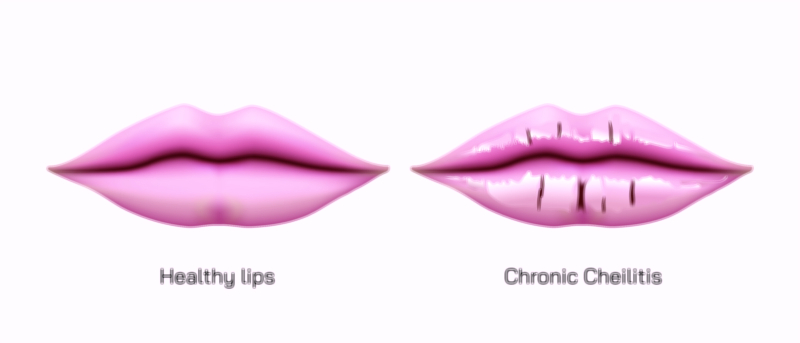
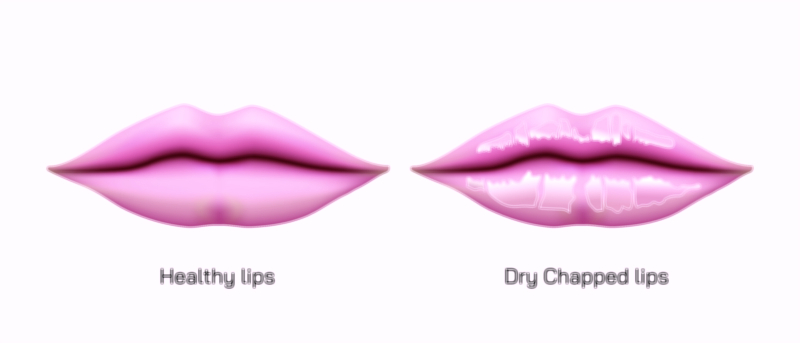
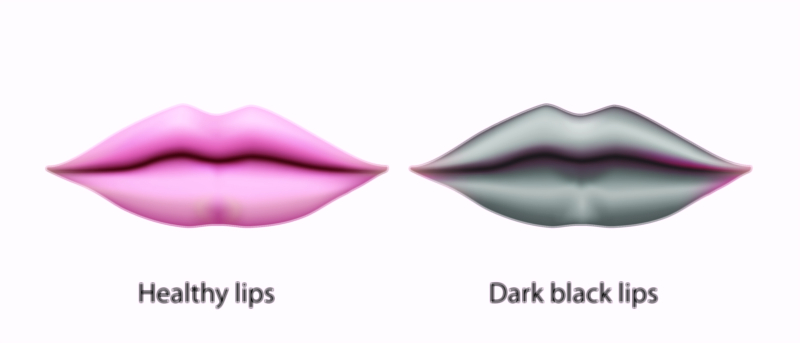
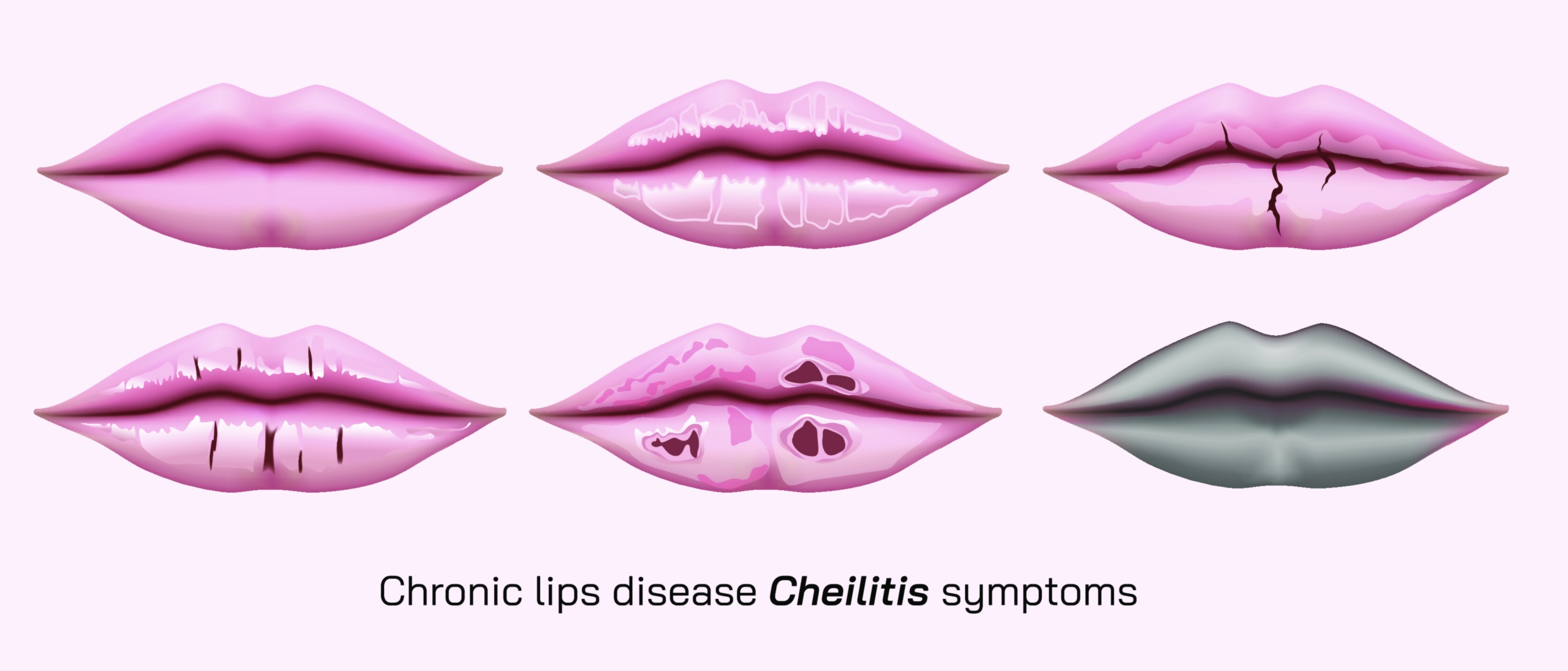
Identifying symptoms accurately is one of the most important steps in understanding chronic lip disorders. Persistent dryness that does not improve with moisturizers may indicate cheilitis, an inflammatory condition that damages the surface of the lips and the corners of the mouth. Cracking at the corners, medically known as angular cheilitis, often causes pain while opening the mouth, speaking, yawning, or eating, and is typically due to fungal or bacterial overgrowth combined with moisture retention and nutritional deficiencies. Some chronic lip conditions involve constant peeling of the surface skin, where layers shed repeatedly, leaving raw, sensitive areas that are often misdiagnosed as simple dehydration. Swelling of the lips, especially when recurring, can indicate allergic reactions or autoimmune responses, which should never be ignored. Pigmentation disorders are also common in chronic lip disease, where lips gradually or unevenly darken due to inflammation, sun exposure, hormonal imbalance, or medication effects. Burning sensation, tingling, numbness, or pain after eating certain foods, using cosmetics, or being exposed to weather changes may signal chronic inflammatory or allergic sensitivity. White or red patches that persist for long periods and do not heal naturally should be taken seriously, as they can be precancerous or signs of chronic infections requiring urgent medical evaluation.
The causes of chronic lip diseases can be multifactorial and vary from lifestyle habits to biological and systemic medical conditions. Environmental triggers such as cold climates, dry air, excessive heat, and high UV exposure continuously dry and irritate the lips, leading to chronic inflammation. Habitual lip licking is one of the most frequent but unnoticed causes, because saliva strips away the protective barrier of the lips, causing irritation and enabling microbes to grow. Allergens in lip balms, lipsticks, perfumes, toothpaste, and dental materials can trigger chronic contact dermatitis, causing persistent swelling, redness, dryness, and itching. Tobacco and smoking are among the most destructive influences, reducing oxygen supply to lip tissues and intensifying inflammation and pigmentation, which can worsen into chronic damage if continued. Deficiencies in vitamins like B2, B3, B12, iron, and zinc weaken tissue repair and immune function, making acute cracking develop into chronic cheilitis. Infections by bacteria, viruses, and fungi are another major concern because once established, they may cycle repeatedly, creating months of discomfort without medical treatment. Autoimmune diseases and systemic inflammatory disorders like lupus and Crohn’s disease can also affect the lips, making them sensitive to sunlight, prone to ulcers, swelling, and persistent inflammation.
Treatment of chronic lip diseases requires a structured and carefully monitored approach, since the improper use of creams, steroids, or exfoliants without diagnosis can worsen symptoms. The first step in healing is identifying the underlying trigger and eliminating it completely, whether it is an irritant product, smoking habit, infection, or deficiency. Medical creams for chronic inflammatory or fungal lip disorders must be dermatologist-approved and used exactly as prescribed because incorrect usage may delay healing. In cases of persistent dryness, switching to medical-grade emollients and barrier-repair formulations is essential to restore the outer skin layer. When nutritional deficiencies are involved, supplementation under professional guidance plays a key role in improving lip structure and reducing recurrence. If allergies are suspected, patch testing helps determine which cosmetic or chemical ingredient is triggering reactions, allowing individuals to avoid harmful products. For chronic peeling or cheilitis, gentle hydration, anti-inflammatory treatment, and avoiding harsh scrubbing are crucial to prevent deep cracks from forming. Autoimmune-related chronic lip disease requires specialized medical treatment to manage inflammation and protect tissues from long-term damage. Early diagnosis of precancerous patches ensures safe and timely intervention while reducing associated risks.
Long-term awareness and prevention remain the most powerful tools to protect the lips from chronic diseases. Consistent use of SPF lip balm prevents UV-induced inflammation and reduces the risk of pigmentation, dryness, and precancerous lesions. Choosing dermatologically safe lip products without fragrances, parabens, or allergens is vital for people with sensitive lips. Hydration, both internally and externally, supports healthy tissue recovery and strengthens the lip barrier. Avoiding excessive exfoliation, flavoured lip balms, and habitual lip licking reduces irritation, while quitting smoking significantly improves blood flow and tissue repair. A balanced diet rich in vitamins, antioxidants, and minerals supports the healing of lip tissue and protects against recurring infections. Routine care and early attention to symptoms can prevent small issues from developing into chronic problems.
Chronic lip diseases do not merely affect physical comfort; they can influence emotional well-being, self-esteem, and social interactions due to their visibility and persistent nature. Awareness of symptoms and early treatment ensures that long-term damage is avoided, healing becomes faster, and recurrence significantly decreases. With proper diagnosis, healthy lifestyle choices, consistent protection, and informed treatment, chronic lip disorders can be controlled and often fully resolved. Understanding the vulnerability of the lips encourages all individuals to treat them with the same level of care given to other vital parts of the body, fostering long-term lip health and overall comfort.