Stomach Issues and Problems – Understanding Digestive Health, Causes of Discomfort, Body Signals, and Educational Insight for Awareness and Prevention
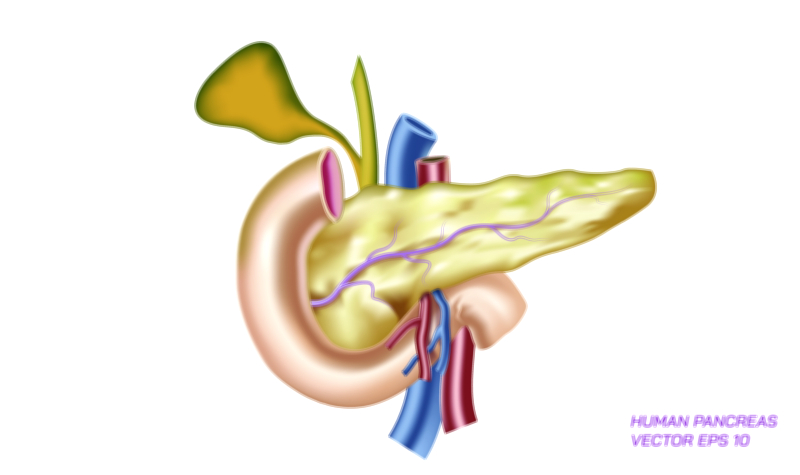
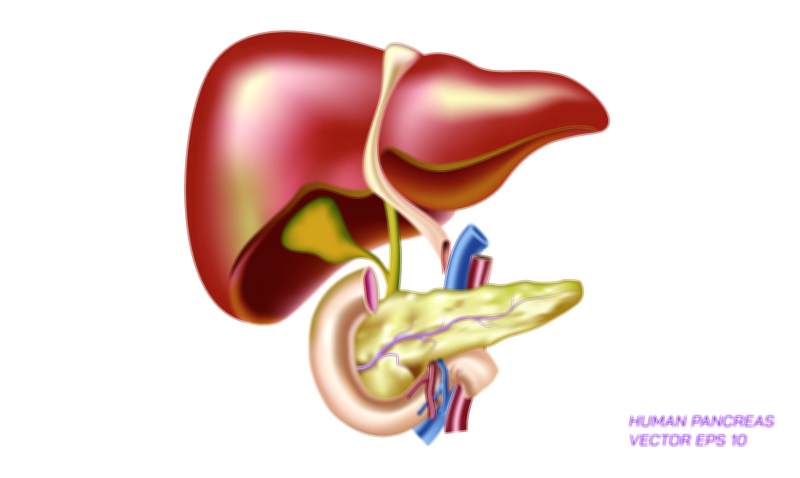
Stomach issues and problems are among the most common health concerns people experience, yet they are also among the most widely misunderstood. Many individuals use the word “stomach” to describe any discomfort in the abdomen, even though the abdominal region contains multiple organs involved in digestion and metabolism, including the stomach, intestines, liver, gallbladder, pancreas, and spleen. Because of this complexity, stomach issues can emerge from many different sources, and symptoms often overlap. Some problems develop slowly due to everyday habits, while others appear suddenly due to infection or inflammation. Learning about stomach issues from an educational perspective helps individuals interpret the messages their bodies send before symptoms become severe. Rather than treating digestive discomfort as an unpredictable nuisance, understanding stomach problems reveals predictable patterns related to diet, hydration, stress, physical activity, medication use, and underlying medical conditions. When people gain this awareness, they become better equipped to make healthy decisions, describe their symptoms accurately, and seek medical guidance at the right time.
Most stomach issues begin with irritation of the stomach lining or the intestine, and this irritation can produce a range of symptoms including pain, burning, cramping, nausea, bloating, and altered bowel habits. Many of these disturbances are initially functional rather than structural, meaning they arise from temporary imbalance rather than permanent damage. For example, eating too quickly, consuming spicy or fatty foods, skipping meals, overeating, or consuming excessive caffeine can all stress the digestive system and cause discomfort. Similarly, stress and anxiety can strongly affect digestion through the gut–brain connection, altering stomach acid production, slowing or accelerating bowel movement, and triggering nausea or loss of appetite. These everyday influences show that stomach issues are not always a sign of disease but often a reflection of how the body adapts to internal and external conditions. Educational understanding encourages individuals to view their symptoms not only as discomfort but also as biological feedback that helps reshape habits for better digestive health.
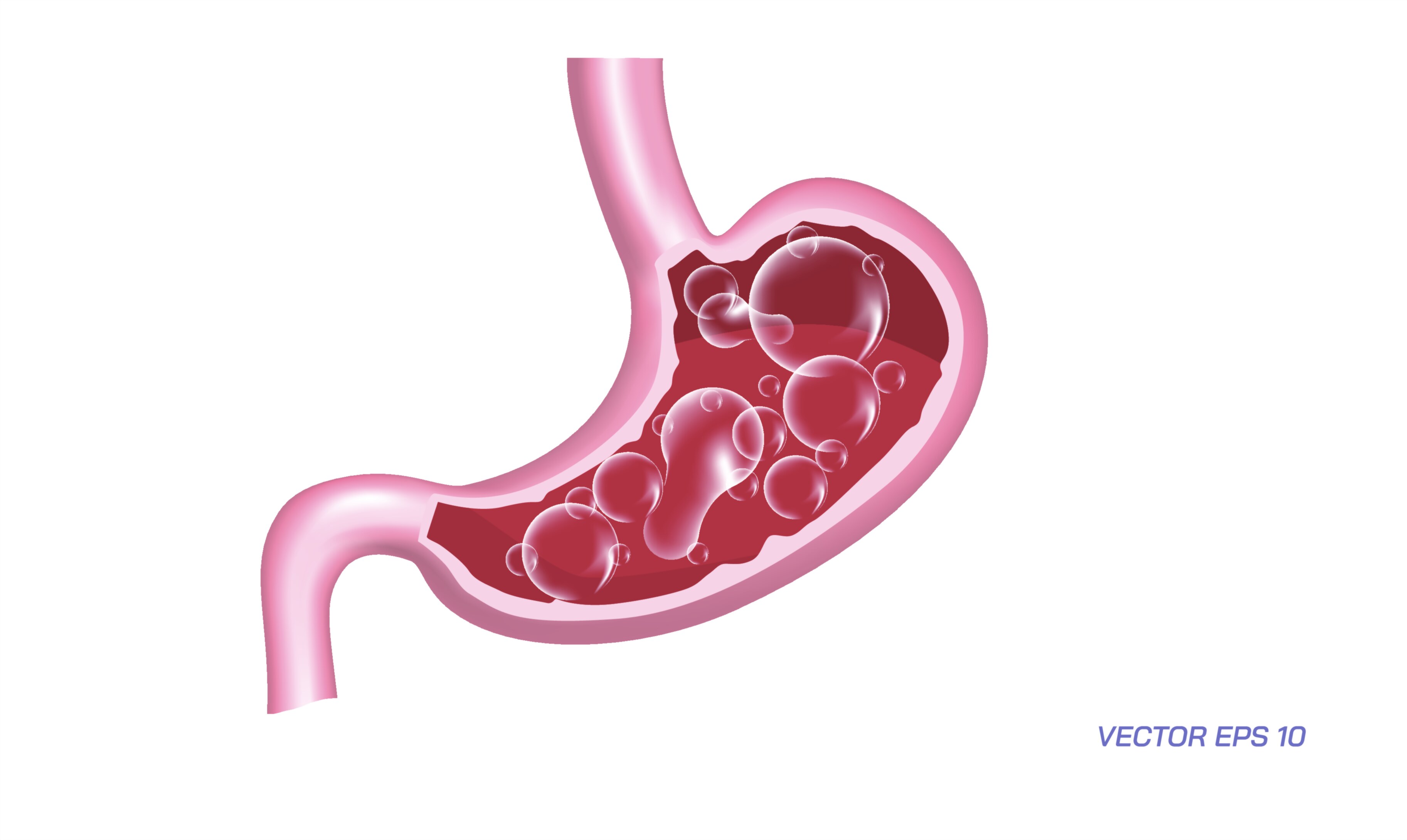
One common category of stomach issues involves stomach acid imbalance. The stomach naturally uses acid to break down food, but when acid levels become too high or irritate the stomach lining, symptoms such as burning pain, heartburn, sour taste, nausea, and upper abdominal discomfort develop. Acid reflux occurs when stomach acid travels upward into the esophagus, often after heavy meals, lying down soon after eating, or consuming trigger foods such as fried meals, caffeine, citrus, alcohol, or chocolate. In some people, the lining of the stomach becomes inflamed, leading to gastritis, which produces similar symptoms along with feelings of fullness and reduced appetite. These acid-related issues illustrate how essential balance is in digestive function: acid is necessary for digestion but harmful when improperly regulated. Educational awareness helps individuals identify triggers, make dietary modifications, adjust meal timing, and seek medical evaluation when symptoms become chronic or interfere with nutrition and sleep.
Another major category of stomach problems relates to intestinal movement and bowel habits. When the intestines move food too quickly, diarrhea develops; when movement is too slow, constipation results. Diarrhea may be caused by infection, contaminated food, medication effects, stress, or food intolerance, and while it is often self-limited, prolonged diarrhea risks dehydration and nutritional deficiency. Constipation, on the other hand, may arise from insufficient fiber, lack of hydration, low physical activity, delaying bowel movement, or medication effects. Both extremes reveal how important water regulation, muscle coordination, and dietary balance are for digestive health. Many individuals experience alternating episodes of diarrhea and constipation during times of stress or major diet changes, showing how closely emotional and lifestyle conditions influence the digestive system. Persistent irregularity, especially when accompanied by weight loss, abdominal pain, or fatigue, can signal deeper medical issues and should not be ignored. Learning to monitor bowel patterns is a powerful form of body awareness because early changes often appear long before more serious disease develops.
Gas, bloating, and abdominal distention represent another frequent digestive concern, and while unpleasant, these symptoms are common signs of how the gut responds to fermentation, digestion speed, and swallowed air. Foods high in fiber, lactose, or certain fermentable carbohydrates may lead to increased gas as intestinal bacteria break down undigested components. Eating too quickly, drinking carbonated beverages, chewing gum, or smoking increases air swallowed during meals, often contributing to excessive bloating. For some individuals, gas and bloating are sporadic and harmless, but for others, persistent swelling after meals can indicate lactose intolerance, irritable bowel tendencies, gluten sensitivity, or bacterial imbalance in the gut. Educating individuals on common triggers and patterns helps reduce discomfort and prevents unnecessary worry. When people learn how different foods and habits influence their digestive system, they can adjust their lifestyle instead of feeling confused or distressed by recurring bloating.
Nausea and vomiting also fall into the wide spectrum of stomach problems and highlight how digestion is strongly influenced by the brain. Nausea can occur with infections, migraines, motion sickness, emotional stress, pregnancy, stomach irritation, or medication side effects. Vomiting is the body’s protective reflex to eliminate harmful substances or restore balance, yet persistent vomiting can rapidly lead to dehydration. In many cases, nausea resolves with rest, hydration, and gentle meals. However, vomiting that continues for long periods, includes blood, or is accompanied by severe abdominal pain requires medical attention. These symptoms remind individuals that digestive distress often affects and is affected by mental state, hormonal fluctuations, and external triggers. When viewed educationally, nausea becomes a meaningful indicator rather than a random unpleasant sensation.
Food intolerance and sensitivity also represent important contributors to stomach problems. Lactose intolerance prevents proper digestion of dairy sugars and often produces cramping, gas, and diarrhea. Gluten-related sensitivities cause bloating, fatigue, and digestive upset when wheat-based foods are consumed. Fatty foods may cause discomfort in individuals with gallbladder issues, while high-acid foods can aggravate individuals prone to reflux. These patterns show that stomach issues are not always signs of infection or disease but often reflections of unique digestive profiles. Learning personal triggers helps eliminate guessing and anxiety, supporting smoother digestion and more confident food choices.
Infections of the stomach and intestines are another frequent cause of digestive issues, especially when symptoms begin suddenly. Viral infections, commonly known as stomach flu, often cause nausea, vomiting, diarrhea, low appetite, and fatigue. Bacterial infections from contaminated food can produce similar symptoms and may include fever or severe cramping. While most infections resolve on their own, hydration and rest are crucial to recovery. Educational insight here is valuable, because many individuals mistakenly seek antibiotics for viral stomach infections even though antibiotics do not relieve viral illness and may worsen gut bacteria imbalance. Learning the difference between viral and bacterial causes helps individuals manage symptoms responsibly and understand when emergency care is required.
More persistent stomach problems may stem from underlying conditions such as ulcers, gallstones, irritable bowel syndrome, inflammatory bowel disease, or pancreatitis. Although these problems share symptoms with mild digestive disturbances, they involve deeper changes requiring medical diagnosis and treatment. The distinction between temporary functional issues and chronic structural or inflammatory conditions becomes clear when symptoms do not improve with routine self-care, become more frequent or intense, or accompany concerning features such as unexplained weight loss, blood in stool, persistent vomiting, or fever. Educational awareness empowers individuals to recognize when stomach problems are no longer mild and temporary but instead signals of something requiring professional attention.
Across all categories—from mild irritation to complex disease—the most meaningful educational message is that stomach problems are not random and can be understood through observation and awareness. Patterns involving timing, triggers, duration, and associated symptoms provide insight into whether discomfort reflects temporary imbalance, lifestyle influences, or deeper medical concerns. Understanding these digestive signals helps individuals confidently manage mild symptoms, adjust habits to support health, and recognize early warning signs when medical care is needed. This knowledge reduces panic, minimizes unnecessary treatments, and promotes proactive health decisions.
Ultimately, learning about stomach issues and problems is not just an academic exercise but a form of lifelong body literacy. When people understand how the digestive system responds to stress, food, sleep, hydration, medication, and infection, they become better partners in their own healthcare. Rather than ignoring discomfort or fearing the worst, they can interpret symptoms realistically and compassionately, supporting both prevention and timely treatment. Through education, individuals gain the clarity to care for their digestive system with respect and attention, ensuring that stomach issues are addressed early, managed wisely, and never allowed to silently undermine overall well-being.