Biotin (Vitamin B7) — Nourishment for Hair, Skin, and Nails Through Metabolic Strength, Cellular Renewal, and the Biology of Beauty from Within
Biotin, also known as Vitamin B7 or Vitamin H, holds a distinctive place in human nutrition because it bridges physical wellness with visible external vitality, supporting hair growth, skin clarity, and nail strength while fueling deeper biochemical functions responsible for metabolism and nervous system stability. Although it is often marketed primarily as a “beauty vitamin,” the truth of Biotin’s importance is far more sophisticated and meaningful. It participates in core metabolic processes that convert food into usable energy, supports the production of fatty acids and amino acids, and assists in cell renewal across tissues. The health of hair follicles, skin cells, and nail beds depends on these internal processes; therefore, the beauty benefits associated with Biotin are the outer reflection of strong structural biology rather than superficial cosmetic enhancement. When the body receives adequate Biotin, cell turnover becomes efficient, keratin production increases, and the protective structures of hair and skin become stronger and more resilient. When Biotin is deficient, the body redirects nutrients toward more vital internal organs first, and tissues with fast turnover—especially hair, skin, and nails—begin to show visible signs of nutritional stress.
The connection between Biotin and hair health emerges from its role in the synthesis of keratin, the protein that forms the structural backbone of hair strands. Every follicle relies on steady keratin production to lengthen and thicken hair fibers, and because keratin is produced continuously, deficiency in Biotin can slow growth or weaken strands as they emerge from the scalp. People experiencing brittle, thinning, or easily breakable hair sometimes discover that low Biotin levels contribute to the issue. Inadequate Biotin can also affect scalp skin, making it dry, flaky, or irritated due to impaired lipid metabolism. When Biotin is restored, the follicle environment becomes healthier, and many individuals notice improved hair fullness and reduced shedding over several months. What appears externally as new hair growth is actually the result of improved cell metabolism deep beneath the scalp, where Biotin supports the enzymes required to build robust keratin structures.
Equally important is Biotin’s role in skin nourishment, which goes beyond surface-level improvements. Skin cells regenerate rapidly, and their membranes depend on lipids that require Biotin for synthesis. When Biotin levels are healthy, cell renewal happens efficiently, and the skin maintains elasticity, hydration, smoothness, and an even complexion. When Biotin is deficient, the body struggles to maintain the outer barrier of the skin, leading to dryness, redness, fine flaking, irritation, or patches that take longer to heal. Although Biotin is not a universal cure for all skin conditions, it fortifies the biological structure that supports moisture retention and resilience. Biotin’s participation in fatty acid metabolism indirectly sustains sebum balance—helping the skin produce enough natural oils without excessive buildup. This is why people with balanced Biotin intake often report skin that looks and feels healthier even without topical products: the improvement originates inside the cells rather than on the surface.
The third major expression of Biotin’s influence is strong nail formation. Just like hair strands, nails are composed largely of keratin, which requires Biotin-supported enzyme activity to form properly. When Biotin levels fall, nails tend to become soft, brittle, or prone to peeling and splitting because the keratin layers do not bond firmly. Supplementation and nutritional support can gradually strengthen nail plates by enhancing keratin infrastructure and supporting healthier growth from the nail matrix. Because nails grow slowly, visible results can take several months, yet the gradual thickening and improved resilience are signs of internal biochemical health rather than temporary surface changes.
Even though Biotin is best known for its external benefits, its internal functions are equally essential. Biotin helps enzymes break down carbohydrates, proteins, and fats into usable energy. It supports the nervous system by assisting with neurotransmitter formation and nerve signal transmission. This metabolic power is the reason individuals who are low in Biotin may experience fatigue, low mood, muscle weakness, tingling or numbness, or difficulty concentrating. When Biotin restores metabolic efficiency, the body regains clarity and vitality that often manifests as improved motivation, steadier energy, and better stress tolerance. It also influences blood sugar stability by participating in glucose metabolism, helping the body maintain balanced energy rather than sudden highs and lows. These deep physiological effects clarify why Biotin is not merely a hair-and-nails supplement; instead, it is a nutrient woven into the biochemical patterns of everyday life.
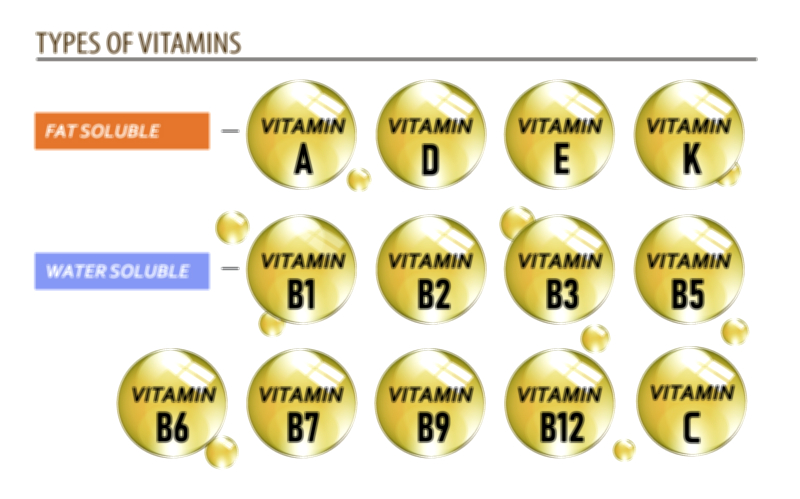
Diet remains the most natural source of Biotin, and individuals who consume balanced meals rarely become deficient. Foods especially rich in Biotin include eggs (particularly the yolk), salmon, sardines, tuna, liver, poultry, and dairy products. For plant-based eaters, almonds, walnuts, peanuts, sunflower seeds, nutritional yeast, legumes, chickpeas, lentils, green leafy vegetables, whole grains, bananas, sweet potatoes, tomatoes, mushrooms, and oats contribute valuable levels of Biotin. Because Biotin is water-soluble, the body does not store it for long, meaning regular dietary intake is necessary to maintain optimal levels. However, modern habits can reduce Biotin availability: highly processed diets, restrictive dieting, long-term use of raw egg whites (which contain avidin, a protein that binds to Biotin), chronic stress, digestive issues, and pregnancy can increase nutritional demand or reduce absorption. In these cases, supplementation may become helpful under professional guidance, especially for individuals experiencing symptoms associated with low Biotin.
Visible beauty results linked to Biotin are always gradual and natural, emerging as the body repairs tissues from the inside rather than forcing artificial changes. Hair follicles need time to rebuild keratin supply, nails need time to grow their full length from root to tip, and skin needs time to renew its cells across multiple cycles. When Biotin is supplied consistently—through nutrient-rich meals or supplements—changes begin deep in tissue structure and surface improvements follow. This is why Biotin supplementation works best when paired with balanced nutrition, hydration, adequate protein intake, healthy fats, sleep, and stress management. Beauty becomes a reflection of health, not a separate pursuit from it.
A deeper appreciation of Biotin reveals an empowering truth: strength, glow, and resilience are not cosmetic accidents—they are biological outcomes of nourishment. Hair is stronger when follicles have what they need. Skin is clearer when cells regenerate efficiently. Nails are tougher when keratin formation is stable. Energy is brighter when metabolism runs smoothly. Mood is steadier when neurotransmitter pathways are supported. These improvements do not arrive from shortcuts or perfectionism but from caring for the body in long-term, sustainable ways.
In this sense, Biotin is not just a nutrient — it is a reminder that the body is always working to build, repair, and renew itself when it is supported with the right tools. There is no single food or capsule that replaces rest, hydration, or whole nutrition, but Biotin provides a crucial pillar of that foundation. Healthy hair, glowing skin, and strong nails are not vanity — they are signs that the body is functioning well on the inside. When Biotin intake is consistent, the benefits accumulate quietly, building a long-lasting structure of health rather than offering quick, temporary results.
Ultimately, Vitamin B7 teaches that beauty, strength, and well-being begin at the cellular level, not in the mirror. When nourishment is aligned with biological needs, the body expresses that care visibly — in the shine of hair, the resilience of nails, the balance of skin, and the energy felt throughout daily life. Biotin’s true power lies in supporting this harmony, allowing the body to reflect health inside and out.