Omega Types and Benefits for Heart and Brain Health — Understanding the Roles of Omega-3, Omega-6, and Omega-9 Fatty Acids in Cardiovascular Strength, Cognitive Performance, Inflammation Balance, and Lifelong Wellness
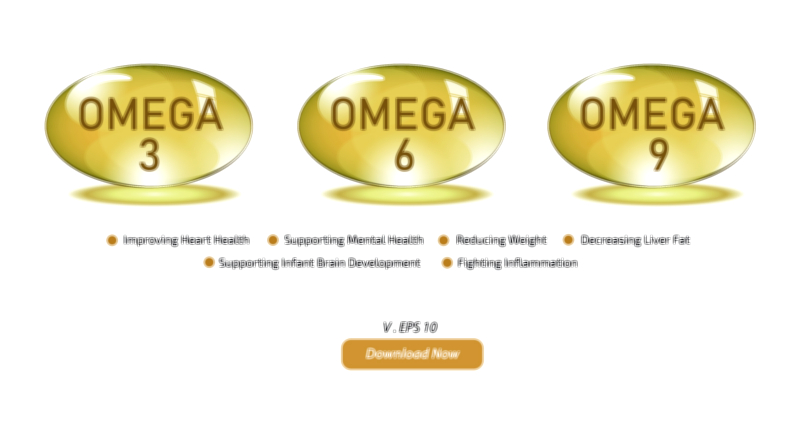
Omega fatty acids have become one of the most widely discussed nutritional topics in wellness, yet their true significance goes far deeper than their popularity in supplements or diet trends. They are structural and functional components of human biology that influence the performance of the brain, the strength and flexibility of the cardiovascular system, the regulation of inflammation, the resilience of cell membranes, and the stability of emotional and cognitive balance. To understand how omega fatty acids affect heart health and brain function, it is necessary to recognize that they are not a single nutrient but an entire group composed of Omega-3, Omega-6, and Omega-9, each with distinct origins, roles, and physiological effects. These fatty acids are involved in membrane fluidity, hormone signaling, neural communication, and metabolic pathways that determine how the body responds to stress, inflammation, and cellular damage. Their presence determines how well cells communicate, how efficiently blood flows, how protective the immune response becomes, and how effectively the brain processes memory, attention, and emotional regulation. When omega intake is balanced and sufficient, the body maintains harmony; when it is lacking or imbalanced, the risk of chronic disease increases, cognition becomes strained, and overall resilience declines.
Omega-3 fatty acids are considered the most crucial of the omega family because the body cannot produce them on its own and must obtain them through diet. They include ALA (alpha-linolenic acid), EPA (eicosapentaenoic acid), and DHA (docosahexaenoic acid). ALA is found predominantly in plant sources such as flaxseed, chia seeds, walnuts, hemp seeds, and certain plant oils, while EPA and DHA are concentrated in fatty fish such as salmon, tuna, mackerel, sardines, herring, and trout, as well as in algae-based sources that serve as vital vegan and vegetarian alternatives. Once inside the body, Omega-3s support the fluidity and flexibility of cell membranes, allowing nutrients to enter and waste to exit cells more efficiently. In the cardiovascular system, Omega-3s help maintain healthy triglyceride levels, improve blood circulation, reduce arterial stiffness, and decrease the risk of plaque buildup. They act as anti-inflammatory agents, which is particularly important because chronic inflammation contributes significantly to the development of heart disease. In the brain, DHA becomes part of the very structure of neurons, influencing how quickly and accurately they communicate. EPA supports mood stability by participating in neurotransmitter regulation and helping decrease inflammatory signaling in the brain. Adequate Omega-3 intake is therefore associated with improved memory, attention, emotional well-being, and protection against age-related cognitive decline.
Omega-6 fatty acids are also essential, meaning the body cannot synthesize them, yet they occupy a different physiological role from Omega-3s. The most common Omega-6 fatty acid is linoleic acid, found in plant oils such as sunflower, safflower, corn, soybean, peanut, and sesame oils, as well as in nuts and seeds. Omega-6 supports growth, hormonal balance, brain function, and immune response. However, its relationship with inflammation is more complex. Omega-6 fatty acids contribute to pro-inflammatory signaling, which is not inherently harmful; inflammation is a protective biological response when the body is injured or fighting infection. The problem occurs when Omega-6 intake becomes disproportionately high compared to Omega-3 intake — a common pattern in modern diets dominated by processed foods and excessive seed oils. In this situation, inflammation can become chronic rather than temporary, stressing the cardiovascular system, increasing oxidative damage, and affecting metabolic health. Thus, Omega-6 is necessary for survival, but its benefits appear when consumption is balanced rather than excessive. A diet with a proportional Omega-3 to Omega-6 ratio supports immunity without overstimulation, allowing both systems to work harmoniously in support of heart and brain performance.
Omega-9 fatty acids are monounsaturated fats that the body can produce from unsaturated fat intake, meaning they are not considered essential in the same way Omega-3 and Omega-6 are. However, consuming Omega-9-rich foods still provides significant wellness benefits, especially for the heart. Oleic acid, the most well-known Omega-9, is abundant in olive oil, avocados, almonds, peanuts, cashews, and other nuts and seeds. Omega-9 fatty acids help improve cholesterol profiles by increasing HDL (the “good” cholesterol) and reducing LDL (the “bad” cholesterol), thereby supporting healthier blood lipid balance. They assist in stabilizing energy levels by supporting insulin sensitivity and glucose metabolism, which reduces stress on the cardiovascular system and helps protect against metabolic syndrome. Omega-9 also contributes to brain cell communication and emotional stability by supporting neuronal membrane structure and reducing oxidative stress. Although the body can produce Omega-9, dietary sources enhance the anti-inflammatory and cardioprotective network created by Omega-3 and Omega-6 when consumed mindfully.
The true key to heart and brain health is balance among Omega-3, Omega-6, and Omega-9, rather than isolated intake of any one type. Historically, human diets maintained a natural Omega-3 to Omega-6 ratio because foods were minimally processed, and plant diversity was broad. Modern diets, however, often provide a heavy excess of Omega-6 and insufficient Omega-3, leading to inflammation and cardiovascular strain. When Omega-3 intake rises — especially EPA and DHA — inflammation becomes regulated, blood vessels relax more easily, and brain cells communicate with greater clarity. Omega-9 further supports this equilibrium by reducing oxidative stress and improving lipid balance. When all three omega types support one another, the cardiovascular system benefits from improved blood pressure, smoother circulation, stable cholesterol levels, and decreased risk of clot formation. The brain benefits from stronger memory circuits, improved emotional regulation, reduced mental fatigue, and slowed cognitive aging.
The psychological implications of omega balance are often underestimated but profoundly meaningful. Individuals low in Omega-3 often describe symptoms such as difficulty concentrating, brain fog, irritability, or low mood — not because of emotional weakness, but because neurotransmitter pathways and neuronal membranes are not sufficiently supported nutritionally. When Omega-3 levels are restored consistently, emotional steadiness, clarity of thought, and mental resilience gradually improve. This biological effect enhances daily performance, motivation, problem-solving, and stress tolerance. In the cardiovascular domain, people often feel more energy, lighter breathing, and improved stamina as blood flow becomes more efficient and oxygen reaches tissues more effectively. The impact is not sudden and dramatic, but subtle, steady, and structural — the kind of transformation that improves long-term health more than temporary boosts ever could.
9. A balanced diet that includes both plant- and sea-derived Omega-3 sources offers the greatest benefit for brain and cardiovascular support. For individuals who do not consume fish or have limited dietary diversity, algae-based DHA and EPA supplements can serve as a meaningful alternative. For those with diets high in Omega-6 through processed oils, even small changes — such as switching to olive or avocado oil, increasing Omega-3-rich foods, and reducing deep-fried or industrially refined products — can radically improve the inflammatory profile of the body. Supplements may be useful when diets, lifestyles, or medical conditions limit natural intake, but they work best when they complement nutrition rather than replace it.
Ultimately, the story of Omega fatty acids demonstrates that heart and brain health are the result of daily biological support, not luck. Omega-3 protects and energizes neuronal and cardiovascular tissue; Omega-6 supports immune and hormonal signaling when consumed in balance; Omega-9 stabilizes inflammation and strengthens metabolic and circulatory harmony. Together, they influence how the body feels, thinks, moves, ages, and heals. When omega intake is balanced and consistent, wellness becomes more sustainable — energy stabilizes, cognition brightens, cardiovascular function remains strong, and the risk of chronic disease declines. The body expresses this internal harmony in subtle but powerful ways: steadier mood, sharper focus, calmer heart rhythms, easier breathing, better sleep, and greater emotional presence.
In its full meaning, the science of omega fatty acids teaches a deeply uplifting truth: the heart and the brain thrive when nourishment meets balance. Nutrition becomes a form of protection rather than correction. Health becomes something supported daily rather than pursued only when symptoms appear. And vitality becomes a long-term companion rather than a temporary peak. When omega intake reflects care, awareness, and balance, the body responds with clarity of mind and strength of heart — the two foundations of a full, capable, and meaningful life.