Stomach Disease and Complications – Understanding Causes, Symptoms, Digestive Damage, Long-Term Risks, Diagnosis, Treatment, and Educational Insight for Protecting Stomach Health
Stomach disease and complications form an important part of digestive system education because the stomach is one of the most active and exposed organs in the body, constantly handling food, acid, enzymes, bacteria, medications, and emotional influences. When functioning normally, the stomach performs an astonishingly coordinated role: it receives food, stores it temporarily, mixes it with acid and enzymes, protects the body from pathogens, and gradually releases partially digested nutrients into the intestine. Its lining is designed to withstand extreme acidity, but only when the protective barrier remains intact and the muscular and chemical processes remain balanced. Stomach disease occurs when any part of this balance collapses—whether because of infection, inflammation, acid imbalance, medication effects, weakened blood supply, or malfunction of protective mucus. Complications arise when these disturbances persist long enough to damage tissue or interfere with digestion, and although many stomach diseases begin silently, the body gives repeated signals through discomfort, heaviness, lack of appetite, nausea, reflux, indigestion, or bleeding. Understanding these patterns reinforces a powerful educational message: early attention to stomach symptoms prevents long-term complications and restores the digestive system before damage becomes difficult to reverse.
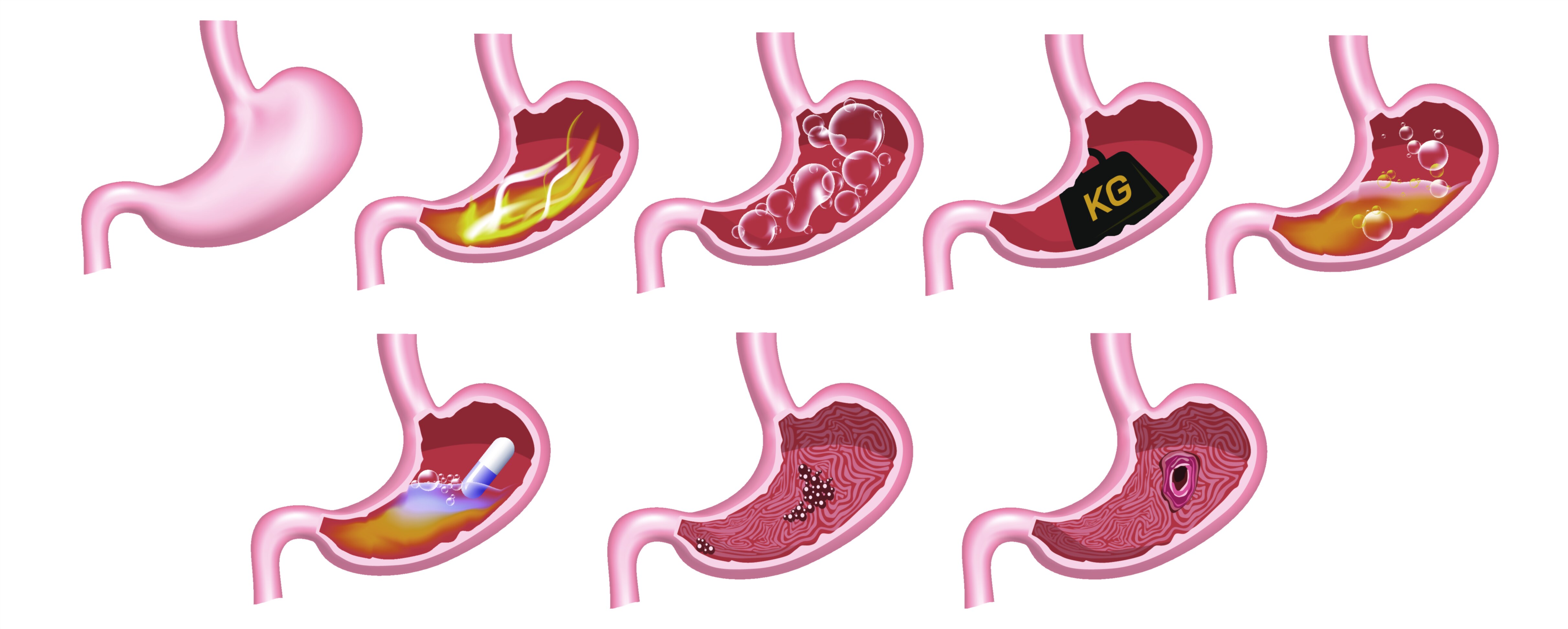
One of the most common stomach diseases is gastritis, meaning inflammation of the stomach lining. Gastritis can be acute or chronic and can develop from Helicobacter pylori infection, long-term use of painkillers such as ibuprofen or aspirin, excessive stress, alcohol intake, spicy meals, or persistent reflux. When the stomach lining becomes inflamed, its ability to protect deeper tissue weakens, allowing acid to irritate nerve endings and create persistent discomfort. Many individuals with gastritis describe burning pain, heaviness after meals, nausea, early fullness, loss of appetite, or bloating. If ignored long enough, chronic inflammation can progress into ulcer formation or scarring, illustrating how a seemingly mild stomach disease can lead to more serious structural change when neglected. Education teaches that gastritis is not simply “gas” or “acidity”; it is tissue injury that requires healing rather than temporary suppression of symptoms.
Another major stomach complication is peptic ulcer disease, a deeper form of tissue breakdown where inflammation progresses to the point of creating an open sore in the stomach lining or upper intestine. While gastritis weakens the surface layer, ulcers affect deeper tissue and can cause significant pain or bleeding if left untreated. The two leading causes of ulcer disease are H. pylori infection and prolonged NSAID painkiller use. Ulcers demonstrate how multiple risk factors compound: an individual experiencing chronic stress, smoking, poor meal patterns, and regular painkiller use is far more vulnerable to ulcer formation than someone exposed to only one risk. Typical ulcer symptoms include burning pain in the upper abdomen, pain that improves or worsens with eating, loss of appetite, nausea, nighttime discomfort, or unexplained weight loss. When stomach ulcers remain untreated, they can lead to complications such as bleeding, perforation (a hole through the stomach wall), or obstruction near the stomach exit. Understanding which symptoms are safe to monitor and which require urgent medical attention gives individuals control over their digestive health rather than fear of unknown danger.
Stomach acid imbalance represents another important source of disease and complication. The stomach needs strong acid to break down proteins and kill bacteria, but disease occurs when acid escapes upward or becomes excessive relative to the stomach’s protective barriers. Gastroesophageal reflux disease (GERD) develops when acid repeatedly backs up into the esophagus, creating burning pain, throat irritation, chronic cough, sour taste, or difficulty swallowing. Although GERD is a disorder involving both the stomach and esophagus, its root cause lies in the dysfunction of the stomach valve mechanism and the chemical dynamics of acid. If untreated, chronic reflux can lead to complications such as esophagitis, narrowing of the esophagus, or changes in esophageal tissue. In the opposite direction, low stomach acid can also disrupt digestion and lead to complications by impairing protein breakdown, reducing absorption of nutrients such as iron and vitamin B12, and permitting bacterial overgrowth in the upper digestive tract. These contrasting conditions show that stomach disease is not simply about too much acid or too little acid but about the correct level of acid at the correct place and time.
Another category of stomach complications relates to stomach motility, the muscular movement that churns food and pushes it forward through the digestive tract. When stomach emptying slows significantly, the condition known as gastroparesis may develop, causing persistent fullness, severe bloating, vomiting, unpredictable appetite, and fluctuating weight. Gastroparesis can result from diabetes, certain surgeries, nerve damage, medications, or chronic stress affecting the gut–brain connection. Delayed gastric emptying sets the stage for more complications, including bacterial buildup, bezoar (stomach stone) formation, and nutritional imbalance. This disease reinforces the principle that digestion is not only chemical but also mechanical, requiring muscular coordination and nerve signaling to function smoothly.
One of the most overlooked contributors to stomach complications is the gut–brain interaction. Strong emotional stress, chronic anxiety, grief, fear, or trauma can dramatically alter stomach function without causing visible tissue damage. Stress hormones change acid secretion, slow or accelerate stomach contraction, and influence appetite and sensitivity to pain. Many individuals experience stomach symptoms long before emotional stress is consciously recognized. Although these symptoms are not imagined, they can become persistent if only the stomach is treated while the emotional component remains unaddressed. Education helps people understand that mental health and digestive health are interconnected systems rather than separate worlds.
Complications of stomach disease can take many forms depending on duration and severity. Chronic inflammation may change the structure of the stomach lining over time, sometimes increasing the risk of precancerous tissue changes if never treated. Internal bleeding from ulcers or erosions may appear as black stool, vomiting blood, dizziness, or chronic anemia. Obstruction caused by swelling, scarring, or mass formation can interfere with the passage of food and create vomiting after meals or severe fullness after small amounts of eating. Severe dehydration and malnutrition can result when nausea and vomiting prevent adequate intake. These complications are not meant to frighten but to demonstrate how the stomach consistently warns individuals long before serious outcomes occur. Nearly every complication is preventable when symptoms are addressed early.
Diagnosis of stomach disease typically begins with careful history, physical evaluation, and observation of symptom patterns. Diagnostic tools may include endoscopy, H. pylori tests, blood studies, stool tests, pH monitoring for reflux, and imaging when obstruction or complications are suspected. The purpose of diagnosis is not only to confirm disease but also to determine the exact cause so that treatment is matched rather than generalized. This distinction is vital: medications for reflux cannot cure H. pylori–induced inflammation, and antacids cannot solve motility disorders. When diagnosis reveals the root of the problem, treatment becomes highly effective and often leads to full recovery.
Medical treatment of stomach disease depends entirely on the underlying mechanism because each disorder affects the stomach differently. Gastritis may be treated with acid-reducing medications and lifestyle adjustments. Ulcers caused by H. pylori require antibiotic therapy in addition to acid suppression. NSAID-related ulcers require modification of pain management approaches. GERD is treated through acid control and behavioral changes such as avoiding late-night meals, reducing trigger foods, and elevating the head during sleep. Gastroparesis requires strategies that improve motility, smaller meals, and, in some cases, specialized medications. Stress-related stomach disorders often improve through a combination of medical support and mental health care. The great educational truth is that treatment success depends less on the intensity of the medicine and more on the correctness of the diagnosis.
Prevention is one of the most empowering aspects of understanding stomach disease. Small habits make a major difference: eating meals at regular intervals, chewing thoroughly, avoiding overeating, limiting alcohol and smoking, using painkillers responsibly, staying hydrated, managing stress, maintaining physical activity, and paying attention to persistent digestive discomfort. Many serious stomach complications develop from repeated minor irritation rather than sudden catastrophic change. When people learn to listen to early symptoms rather than dismiss them, they protect the stomach before damage escalates.
Ultimately, stomach disease and complications represent not only biological malfunction but also communication. The stomach signals distress long before it reaches a crisis point, and education teaches individuals how to interpret those signals calmly and intelligently. When people understand why symptoms occur and how they relate to underlying processes, fear decreases and control increases. The major educational message is that stomach diseases are highly manageable and often fully reversible—especially when addressed early with precise diagnosis, appropriate treatment, and supportive lifestyle habits. Through awareness, individuals learn not to ignore digestive distress, not to guess with medications, and not to wait for complications. Instead, they develop a lifelong skill of recognizing the body’s messages, protecting stomach health, and supporting overall well-being through informed and proactive care.