Stomach Stones – Understanding Gastric Bezoars, Causes, Symptoms, Formation Mechanisms, Diagnosis, and Educational Insight into Prevention and Treatment
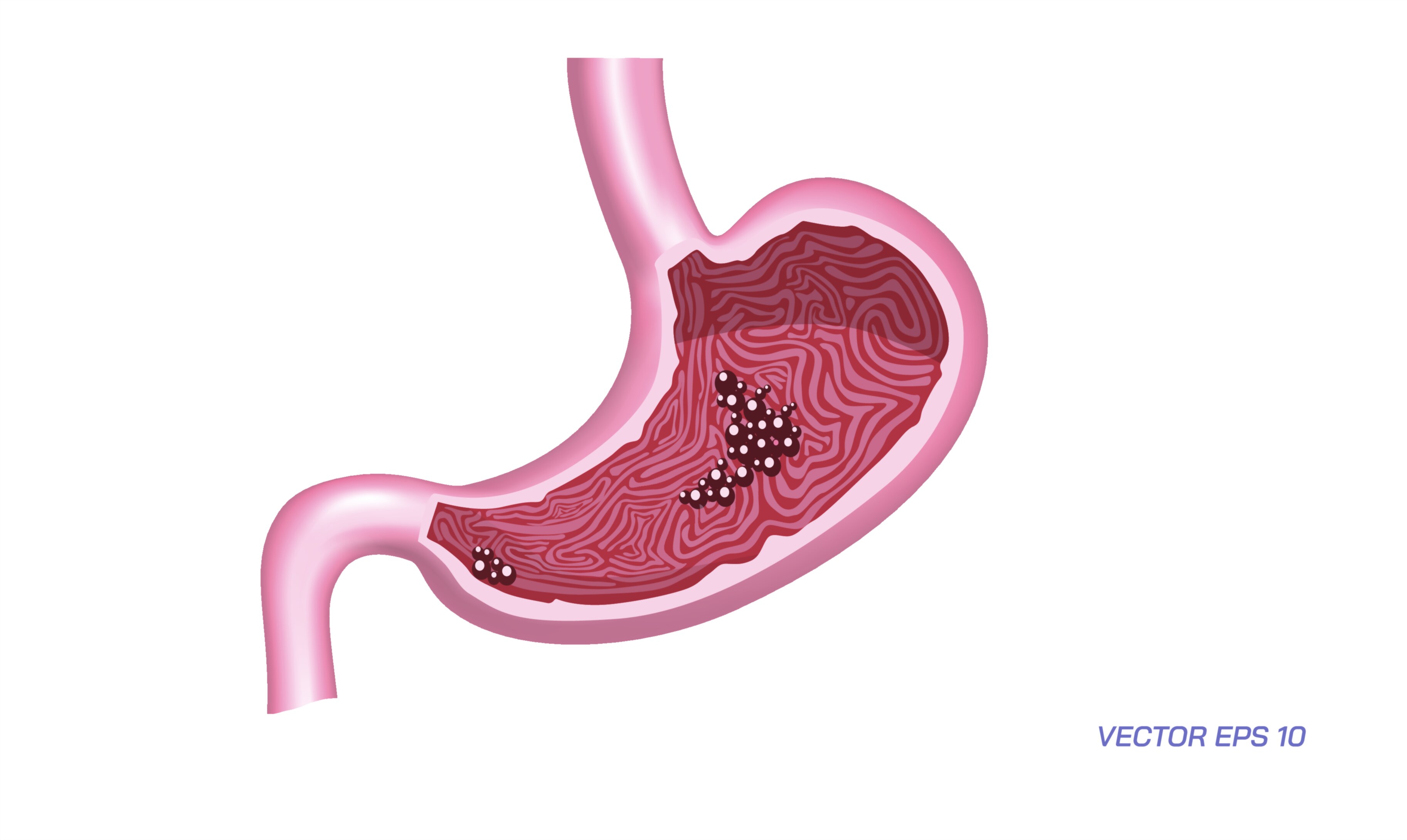
Stomach stones, medically known as gastric bezoars, are abnormal masses of undigested material that accumulate inside the stomach and sometimes continue into the intestine. Although the term “stone” may suggest a mineral object similar to kidney or gallbladder stones, stomach stones form in a completely different way. They are not made of crystallized salts but of poorly digested substances that clump together gradually until they become solid enough to interfere with normal digestion. Educational awareness of stomach stones is important because many people are unfamiliar with their existence, and symptoms are often mistaken for ordinary stomach upset, indigestion, or gastritis. Understanding how these stones form, why they occur, and how they can be prevented and treated helps individuals recognize that the digestive system relies not only on acid and enzymes but also on proper diet, eating habits, and natural stomach movement to break down food effectively.
The stomach continuously churns food using muscular contractions and digestive secretions. Normally, everything that enters the stomach is softened, liquified, and eventually released into the small intestine. However, when the stomach receives substances that are difficult to digest—whether because they are physically tough, chemically resistant, or consumed in unusually large quantities—the stomach’s mechanical and chemical breakdown may not be enough. Over time, indigestible material begins to accumulate in layers rather than passing smoothly through the digestive tract. With repeated exposure to the same trigger, these undigested fragments compress together and bind, forming a dense mass known as a bezoar. Because the stomach does not dissolve such masses efficiently, they can remain trapped inside the digestive tract, growing larger and heavier while obstructing the normal flow of gastric contents. This phenomenon becomes even more likely when stomach mobility is slowed due to certain medical conditions, surgeries, or emotional stress, meaning that bezoars form not only from what a person eats but also from how the stomach functions.
Gastric bezoars are categorized based on what they are made of, offering insight into how diverse materials can create digestive blockages. The most common category is phytobezoars, which form from undigested plant fibers such as cellulose, seeds, fruit peels, or vegetables containing high amounts of indigestible fiber. Individuals who regularly consume persimmons, pumpkins, celery, or other fibrous foods in large quantities without sufficient chewing are at higher risk. Another type is trichobezoars, formed from the ingestion of hair—more common in individuals with psychological conditions such as trichotillomania or pica. Over time, hair clumps inside the stomach because it does not dissolve in gastric acid. Lactobezoars occur mainly in infants who receive overly concentrated milk formulas or low fluid intake, while pharmacobezoars form from undissolved medication tablets or capsules in the stomach. Each type highlights the connection between diet, swallowing habits, metabolic health, and the physical environment of the stomach.
The symptoms of stomach stones initially resemble common digestive disturbances, making diagnosis tricky without awareness. As bezoars interfere with the stomach’s ability to churn and empty food properly, individuals may experience persistent fullness after small meals, abdominal heaviness, belching, nausea, loss of appetite, indigestion, or unexplained discomfort in the upper abdomen. Some describe a dull but constant pressure beneath the ribs or a feeling that food “does not go down properly.” When bezoars become large, more severe symptoms may emerge, including repeated vomiting, weight loss, difficulty swallowing (if the bezoar is near the stomach outlet), or signs of intestinal obstruction if the mass migrates into the small bowel. Educational understanding is crucial because early symptoms can be mild for months before complications develop. Often people attribute these experiences to acidity, minor infection, or temporary digestive imbalance without realizing that a structural blockage is growing.
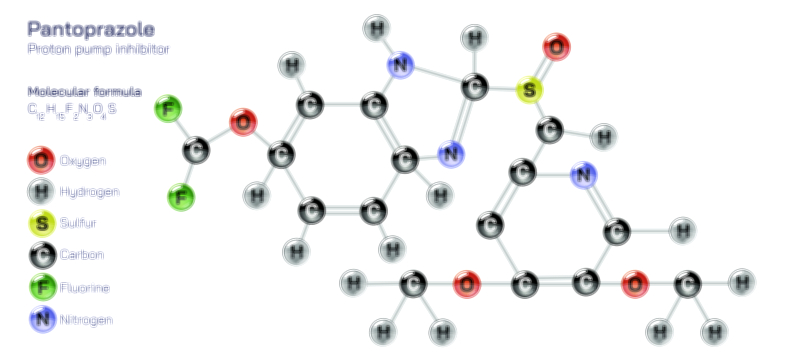
Certain risk factors increase the likelihood of stomach stone formation, and learning about them helps individuals identify whether they are vulnerable. People who eat large quantities of high-fiber raw vegetables or persimmons without thorough chewing are at higher risk of phytobezoars. Individuals with reduced stomach acid due to long-term proton pump inhibitor use may digest fibrous foods more slowly, giving these foods more opportunity to clump. Likewise, people who have undergone stomach surgery—such as gastric bypass or ulcer surgery—may experience slower gastric emptying, increasing bezoar risk. Diabetes-related nerve damage in the digestive tract can reduce stomach motility, facilitating bezoar formation. In children and adolescents, hair ingestion associated with emotional distress or compulsive behavior can silently lead to trichobezoars. Recognizing these risk factors early gives individuals and caregivers the opportunity to prevent complications rather than waiting for symptoms to escalate.
Diagnosing stomach stones involves imaging tools that visualize the interior of the digestive tract. Endoscopy is the most direct method, allowing physicians to see the bezoar inside the stomach and evaluate its size and texture. X-rays, CT scans, or ultrasound may also reveal bezoars when visualization is needed beyond the stomach or when obstruction is suspected. Diagnosis offers clarity to individuals who have long experienced unexplained digestive distress—often creating relief simply by identifying the true cause. Treatment depends on the size and composition of the bezoar. Small phytobezoars may be dissolved using medications or enzyme treatments that soften plant fibers and allow them to pass naturally. Some bezoars can be broken apart endoscopically using specialized medical instruments. Large trichobezoars or bezoars causing intestinal obstruction may require surgery. Importantly, treatment always includes addressing the cause to prevent recurrence—whether through diet modification, improved chewing habits, psychological support, or better management of underlying motility disorders.
Prevention is one of the most educationally empowering aspects of stomach stone awareness and emphasizes the importance of simple lifestyle and eating habits. Chewing food thoroughly before swallowing reduces the chance of large fiber fragments accumulating. Drinking adequate water with meals supports the breakdown and smooth passage of food. Individuals prone to bezoars should moderate excessive consumption of highly fibrous raw foods, especially persimmons, if not well tolerated. For individuals with delayed stomach emptying, smaller and more frequent meals may reduce the risk of retained food. For infants, proper formula preparation and hydration prevent lactobezoars. For those prone to hair ingestion, psychological treatment and behavioral support are essential not only for mental health but also for digestive safety. For medication-related bezoars, reviewing prescriptions to ensure tablets dissolve adequately in the stomach can protect against buildup.
Ultimately, the most meaningful educational lesson about stomach stones—gastric bezoars—is that they are highly preventable. They form slowly, giving the digestive system multiple opportunities to signal that something is not right. Persistent heaviness after meals, unexplained fullness, chronic indigestion, or abrupt loss of appetite are not random sensations but important clues. The stomach, unlike other organs, cannot verbalize distress, so it communicates through pressure, nausea, delayed satisfaction, or disrupted bowel movement. When individuals learn to interpret these symptoms instead of minimizing or ignoring them, they gain the ability to prevent bezoars before they develop and identify early signs that warrant medical evaluation.
Stomach stones reveal something fundamental about digestion: the stomach is not simply a container for food but an active organ that depends on harmony between chewing, fluid intake, gastric acid, muscle movement, and mental well-being. When this balance is disrupted repeatedly, physical masses can accumulate—yet when balance is restored through thoughtful eating and self-care, the stomach works smoothly again. By understanding bezoars through education rather than fear, individuals learn how to support their digestive health, prevent complications, and respond wisely if symptoms arise.