Sarcopenia Muscle Loss – Causes, Underlying Biological Mechanisms, Early Symptoms, Risk Factors, and Evidence-Based Prevention Methods for Lifelong Strength and Healthy Aging
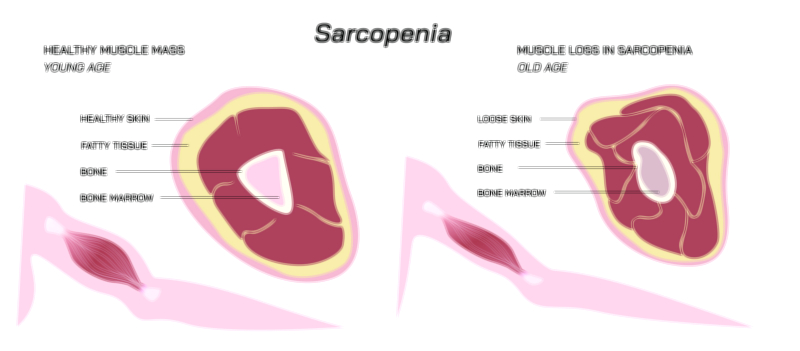
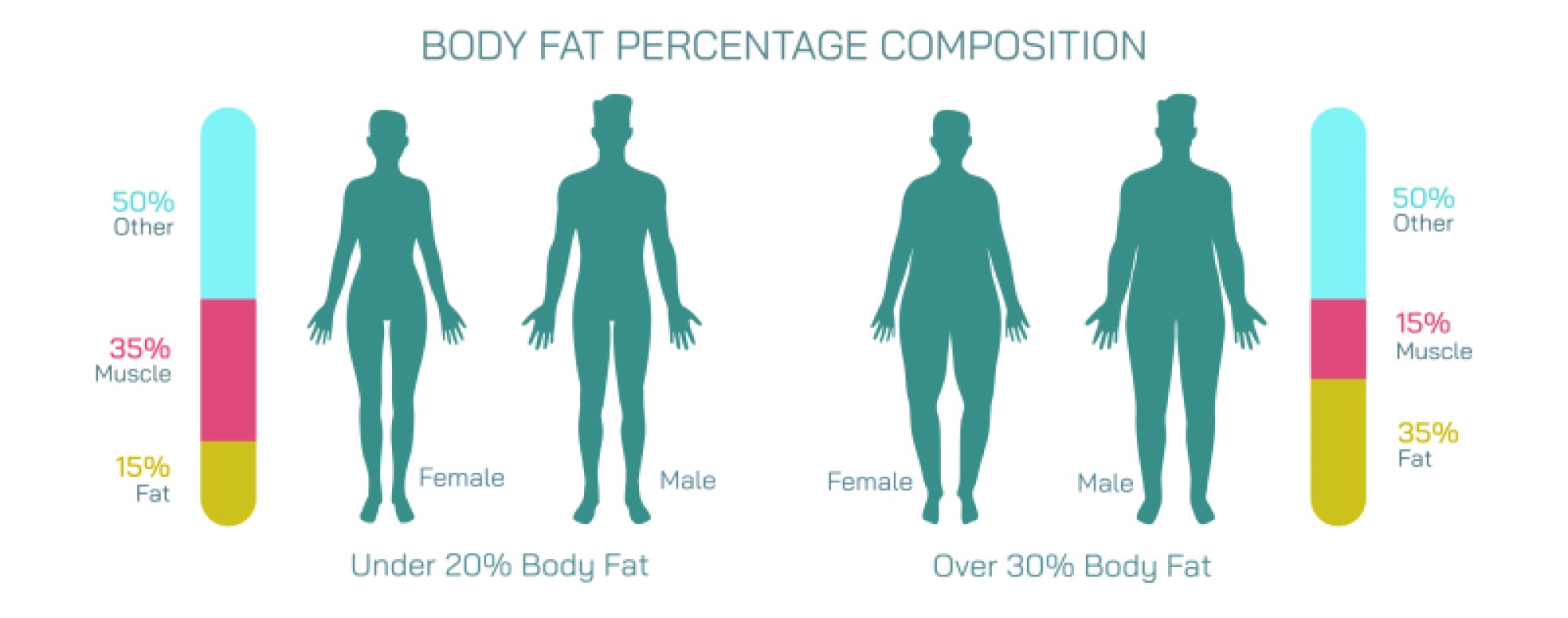
Sarcopenia is a progressive form of muscle loss that affects both muscle mass and muscle strength, and although it is most widely associated with old age, its roots can begin much earlier in life. The condition represents not only a physical decline but also a shift in the body’s internal metabolism, hormone regulation, cellular activity, and activity patterns. Human muscles reach peak size and strength during early adulthood, typically in the 20s or early 30s, after which the body shows a gradual reduction in muscle protein synthesis. In the beginning this decline is subtle and almost unnoticed, but over time — especially after the age of fifty — the process accelerates. Without active intervention, muscle fibers begin shrinking, body composition shifts toward increased fat storage and decreased lean tissue, and physical endurance weakens. Sarcopenia is not a sudden condition that appears overnight; it develops silently over many years, shaped by lifestyle routines, genetics, medical conditions, nutrition, and long periods of sedentary behavior. Because skeletal muscle influences movement, metabolism, bone strength, posture, balance, and independence, sarcopenia directly affects the overall quality of life and long-term health.
The causes of sarcopenia arise from a combination of biological processes and behavioral patterns that occur throughout adult life. One of the most important causes is reduced physical activity, especially the absence of resistance-based movement. Muscles are biologically designed to respond to mechanical stress — when stress decreases, muscle tissue is gradually broken down because the body interprets unused muscle as unnecessary energy expenditure. This decline may happen slowly due to years of low activity or suddenly following periods of bed rest, hospitalization, or injury. Another major cause is the age-related decline in muscle-supporting hormones, including testosterone, estrogen, growth hormone, and insulin-like growth factor-1 (IGF-1). These hormones are essential for supporting muscle repair and protein synthesis, and when they decrease, muscles become more vulnerable to shrinking. Chronic low-grade inflammation, a process that increases naturally with age, also interferes with muscle regeneration because inflammatory molecules disrupt the balance between muscle building and muscle breakdown. In many individuals, poor nutrition contributes to sarcopenia, particularly low protein intake, inadequate vitamin D levels, insufficient omega-3 fatty acids, and diets that fail to meet overall caloric needs. Muscles require continuous access to building blocks for repair, and when nutrition is inadequate, muscle tissue becomes one of the first resources the body sacrifices. In addition to these factors, neuromuscular aging, which weakens the communication pathways between nerves and muscle fibers, reduces the ability of muscles to activate and contract effectively. Medical conditions such as diabetes, heart disease, kidney disease, liver disease, chronic lung problems, gastrointestinal disorders that interfere with nutrient absorption, cancer, and autoimmune conditions also accelerate muscle deterioration. Medications such as long-term corticosteroids and physical factors such as smoking, excessive alcohol, and chronic stress further increase the risk of muscle loss throughout adulthood.
The symptoms of sarcopenia often progress gradually and can easily be mistaken for normal aging or fatigue, which delays recognition. One of the earliest signs is declining muscle strength, often noticed as difficulty lifting everyday objects, opening jars, walking long distances, or climbing stairs without strain. Individuals may observe that activities once performed easily require noticeably more effort. Another common symptom is a visible reduction in muscle size, especially in the arms, thighs, and calves, even when body weight remains unchanged. Because fat mass can increase as muscle decreases, many people do not detect sarcopenia through weight changes. Slower walking speed, poor balance, and reduced coordination are also important indicators, increasing the risk of stumbling and falls. Tasks like rising from a chair, carrying groceries, or bending down may require more time or cause fatigue much earlier than before. People often feel persistent tiredness during physical activities, because weaker muscles demand greater metabolic effort to perform the same tasks. Over time, the condition may contribute to a cycle of reduced mobility — when physical tasks feel difficult, individuals do less, which further accelerates muscle loss. In the most advanced stages, sarcopenia increases the risk of fractures, disability, frailty, hospitalization, and loss of independence, making early awareness and prevention crucial.
Prevention of sarcopenia is grounded in lifestyle interventions that stimulate muscle growth, support cellular regeneration, and maintain metabolic balance. The single most powerful prevention method is resistance training and strength-based exercise, which triggers muscle fibers to grow and rebuild. Strength training applies controlled mechanical stress to the muscles, which activates muscle satellite cells responsible for tissue repair. Unlike aerobic exercises, which support cardiovascular health, resistance exercises directly build muscle mass and strength. These exercises include body-weight movements such as squats, lunges, push-ups, planks, and step-ups; free-weight training using dumbbells and barbells; resistance-band exercises; and weight-machine training in gyms. Even older adults who have never exercised before can significantly rebuild muscle with consistent training, and research shows that individuals in their 70s, 80s, and 90s can regain strength and function through progressive resistance exercise. In addition to strength training, balance and functional movement exercises — such as heel-to-toe walks, one-leg stands, yoga, and Tai Chi — strengthen stabilizing muscles and reduce fall risk. Aerobic exercises such as brisk walking, swimming, jogging, or cycling do not directly rebuild muscle mass but increase oxygen delivery to tissues, improve mitochondrial efficiency, and complement strength work by enhancing endurance and metabolic health.
Nutrition is equally essential for sarcopenia prevention because muscles require constant supplies of amino acids to support protein synthesis and repair. Adequate protein intake distributed throughout the day helps stimulate muscle building and prevents muscle breakdown. Foods such as eggs, lean meats, poultry, fish, dairy products, legumes, lentils, tofu, nuts, and seeds contain the amino acids required for optimal muscle synthesis. The amino acid leucine is especially important because it activates a signaling pathway called mTOR, which initiates muscle protein synthesis. Alongside protein, vitamin D supports muscle contraction, coordination, and balance, and low vitamin D levels are strongly associated with weak muscles and increased fall risk. Omega-3 fatty acids, obtained from fatty fish like salmon or plant sources such as flaxseeds and walnuts, improve muscle regeneration by reducing inflammation and supporting cell membrane function. Other supportive nutrients include magnesium, calcium, potassium, and B-vitamins, which assist in muscle contraction and energy production. Hydration plays a critical role as well, because dehydration impairs muscle performance and increases fatigue during physical activity.
Beyond exercise and diet, prevention of sarcopenia depends on adopting long-term behavioral habits that maintain muscular health across decades. Sedentary lifestyles accelerate muscle loss by reducing metabolic stimulation, whereas regular movement throughout the day — stretching, walking breaks, climbing stairs, and avoiding prolonged sitting — protects muscle physiology. Sleep is a major foundation for muscle growth because growth hormone release peaks during deep sleep, supporting tissue repair and recovery. Chronic sleep deprivation disrupts hormones such as cortisol and reduces muscle-building capacity. Managing chronic stress also plays a vital role because high stress levels elevate muscle-breaking hormones while reducing positive anabolic signals. Another factor is avoiding rapid weight loss diets, which can cause the body to break down muscle tissue when caloric restriction is severe. Sustainable weight management that preserves lean muscle through strength exercise and sufficient protein is far more protective for long-term health.
One of the most hopeful truths about sarcopenia is that it is not irreversible. Even after muscle loss has begun, substantial improvement is possible with consistent lifestyle interventions. Older adults who engage in strength training multiple times a week commonly regain significant muscle mass and strength, improve mobility and balance, reduce fall risk, and enhance energy and quality of life. When combined with proper nutrition and healthy daily movement, resistance exercise becomes not only a treatment but a long-term protective shield against aging-related decline. Strengthening muscles delivers benefits far beyond movement: it supports healthy blood sugar control, improves immune function, protects bones by increasing skeletal loading, stabilizes posture, preserves cognitive health through improved circulation, and enhances emotional well-being through hormonal balance and self-efficacy.
In summary, sarcopenia represents a gradual decline of muscle mass and strength rooted in biological changes, reduced physical activity, hormonal shifts, inflammation, inadequate nutrition, and chronic illness. The condition progresses silently at first, later revealing itself through weakness, fatigue, slower walking speed, balance issues, and reduced physical independence. Yet sarcopenia is not a predetermined outcome of aging — it is a preventable and manageable condition. The most effective protection comes from combining regular strength-training, balanced nutrition rich in protein and vitamin D, consistent daily physical movement, restorative sleep, and long-term healthy lifestyle habits. By adopting these strategies early and maintaining them through adulthood, individuals can preserve muscle strength, mobility, confidence, and overall health well into later life. Muscle health is not just a measure of physical power; it is a cornerstone of longevity, independence, and life satisfaction.