No Parking Sign — Road Safety and Vehicle Restriction Symbol
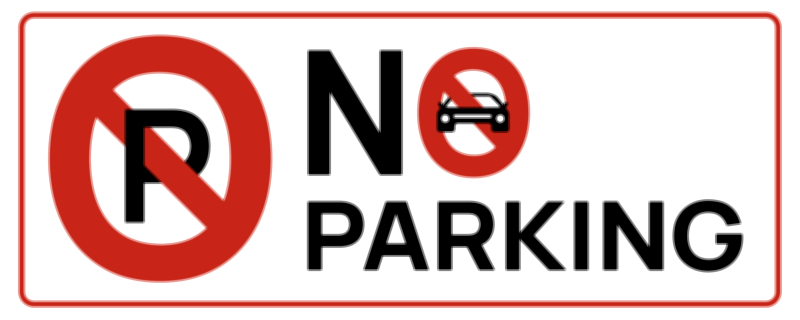
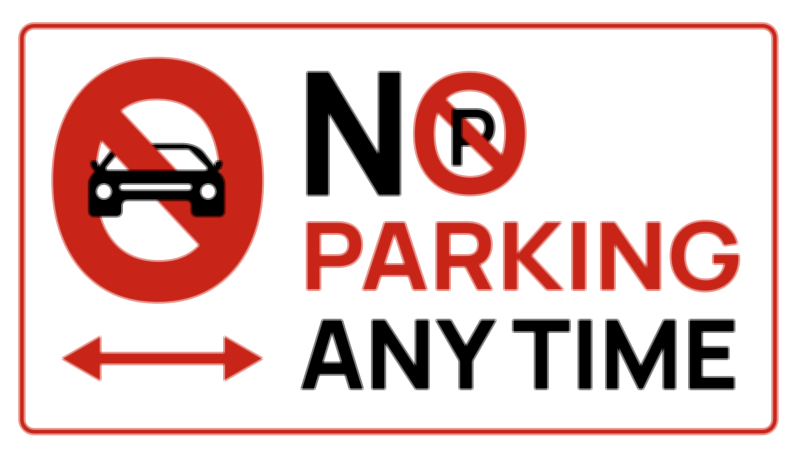
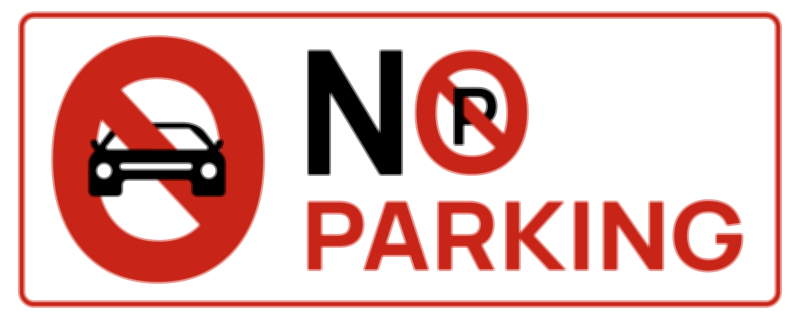
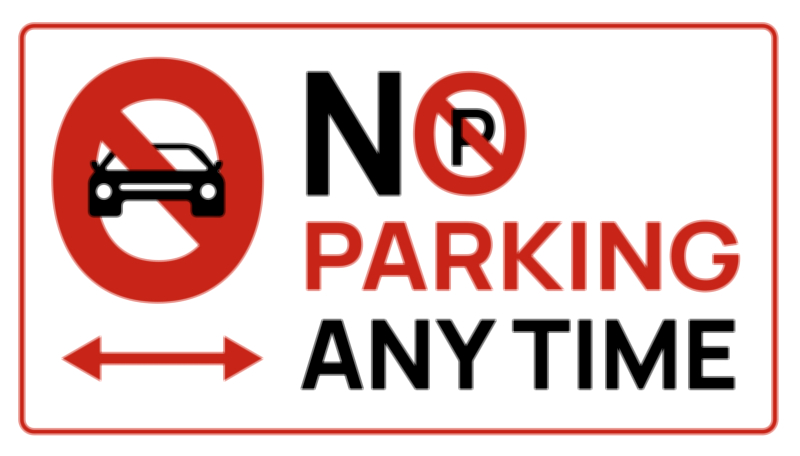
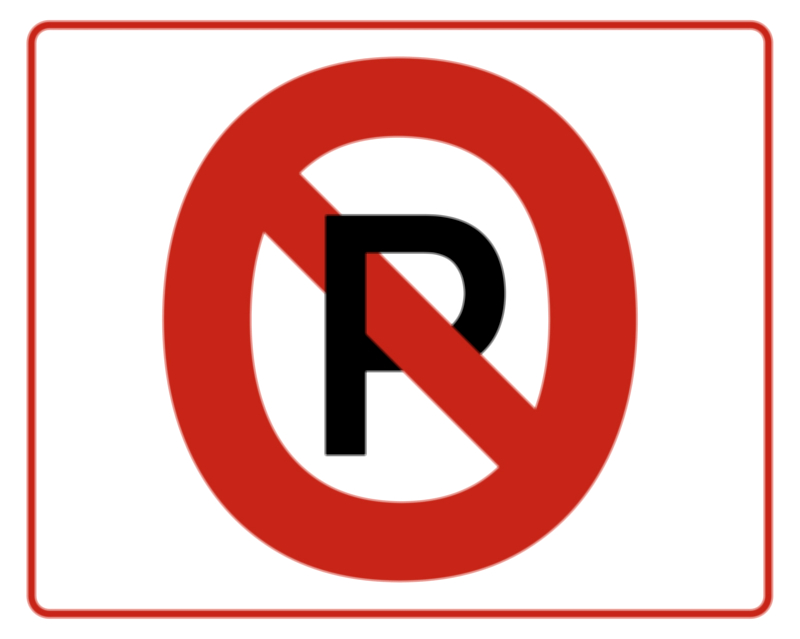
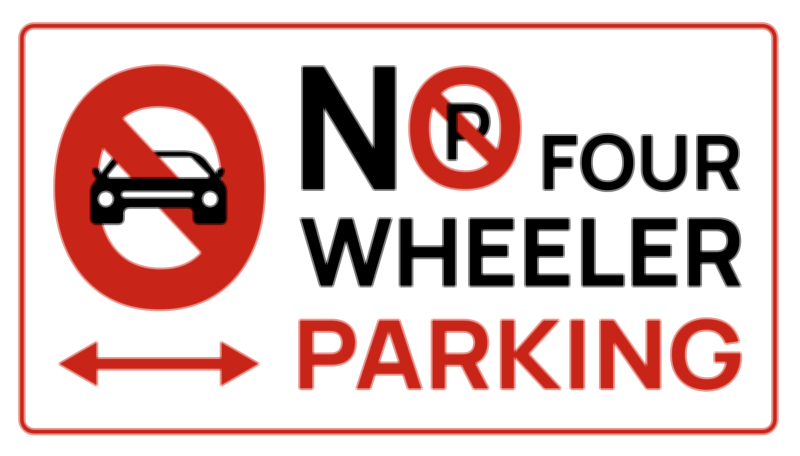
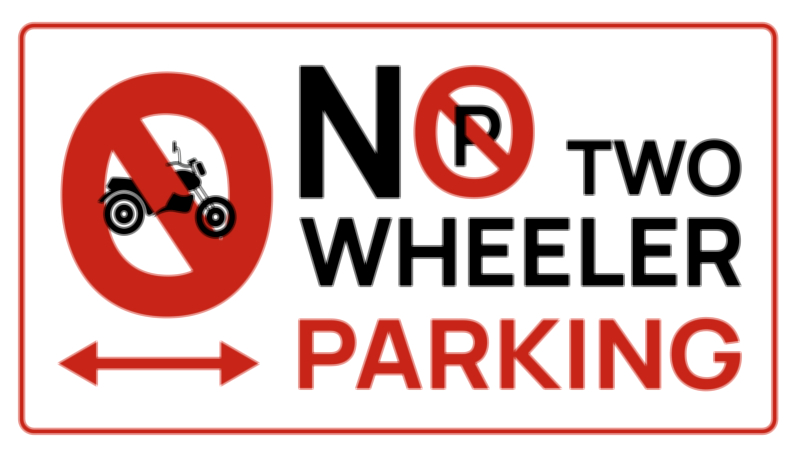
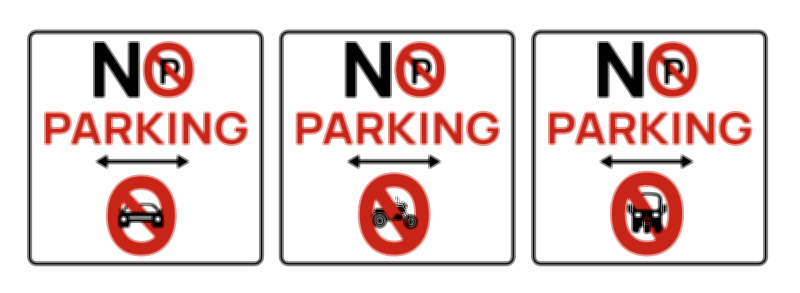
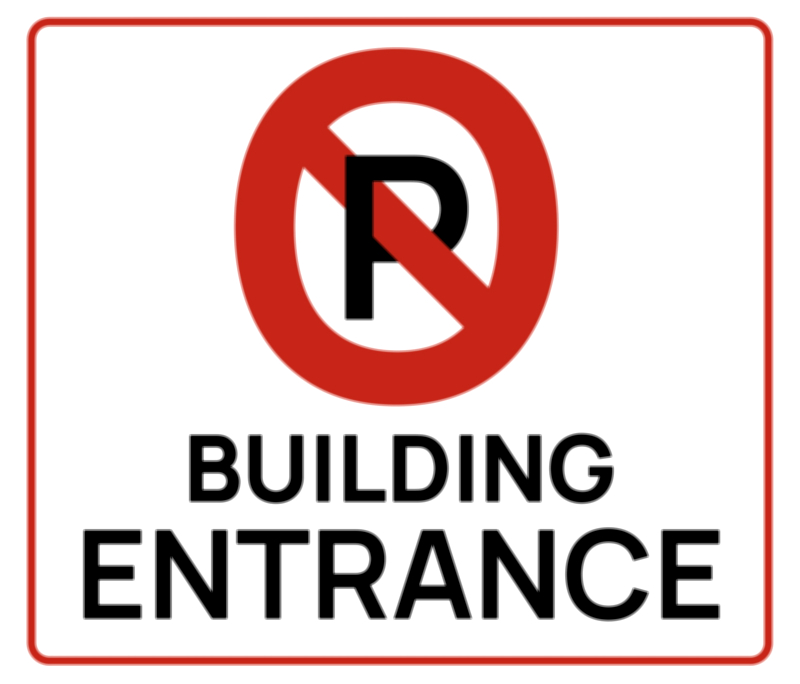
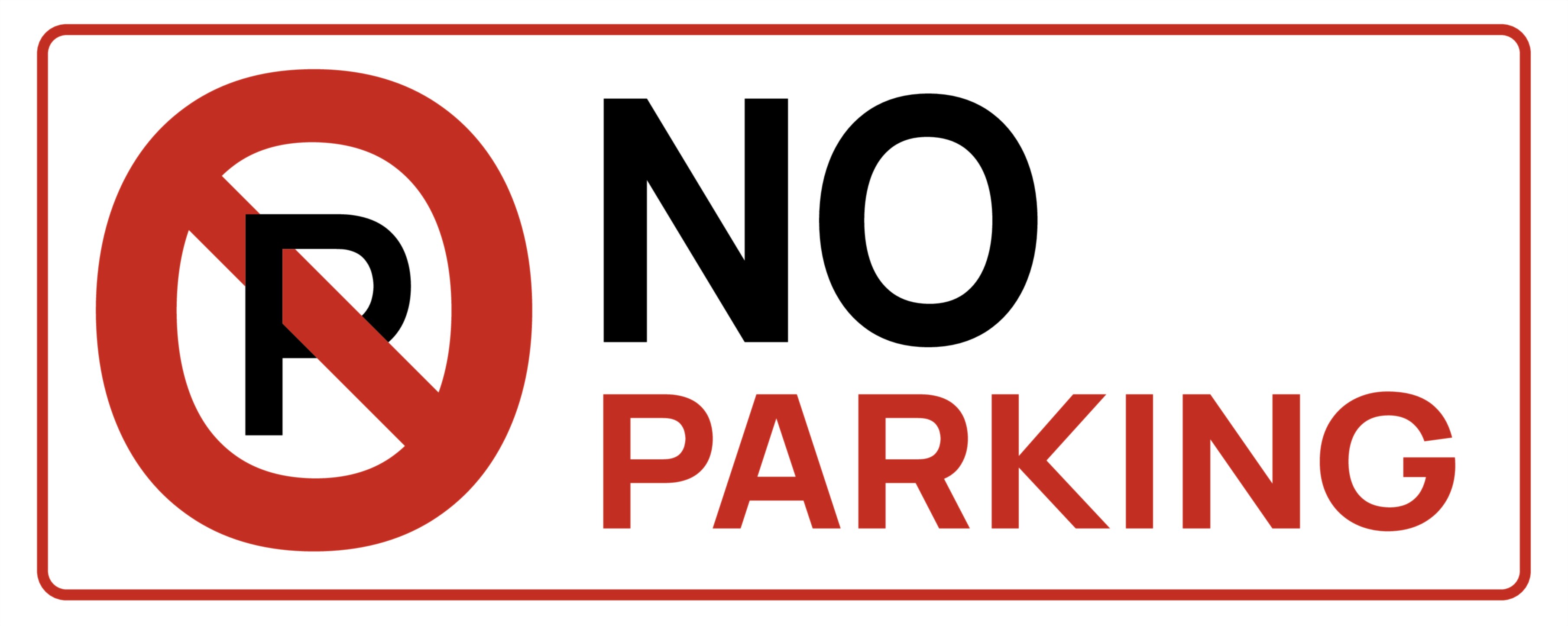
The No Parking sign stands as one of the most universally recognized symbols in traffic control, and although its meaning appears simple on the surface, its purpose reaches into the deeper structure of public safety, mobility planning, emergency access, pedestrian protection, and traffic efficiency. When represented in a vector illustration, the sign typically features the globally accepted visual format of a bold red circular border with a diagonal slash cutting across the letter “P,” or a crossed-out vehicle icon placed on a consistent field of contrasting background color. This visual composition is not a product of casual artistic style but the result of decades of safety engineering and international standardization, aimed at ensuring that drivers receive immediate, unambiguous instruction without the need for text or translation. The red border communicates restriction, the circle conveys regulatory authority, and the slash signifies prohibition, forming a visual language so intuitive that even those unfamiliar with local road rules can easily interpret it. The clarity and geometry of a vector illustration ensure that every element of the sign retains its precision across physical signboards, printed manuals, road safety textbooks, driving license examinations, parking management systems, and digital navigation platforms, making the symbol one of the most important anchors in global transportation communication.
The underlying importance of this sign begins with its contribution to road safety. Parking may appear to be a harmless act, yet when a vehicle stops in places not designed for it, the consequences can expand rapidly into hazardous conditions. A car left in a restricted zone can obstruct visibility for other drivers, reduce space for maneuvering, create blind spots that endanger pedestrians, and impede the smooth rhythm of traffic flow. In crowded urban environments, stopping at the wrong place can force larger vehicles such as buses and trucks to cross into opposing lanes or make sudden braking decisions that increase collision risk. Even in quieter residential areas, a poorly parked car near a crosswalk, school entrance, or narrow bend can hide children and the elderly from the view of approaching vehicles, creating danger in spaces where safety should be guaranteed. The No Parking sign prevents these scenarios by marking specific zones where the presence of stationary vehicles would create unacceptable levels of risk and disruption. The simplicity of the symbol belies the complexity of the safety calculations that determine its placement; behind every sign stands a sophisticated assessment of sight angles, turning radii, typical speeds, pedestrian volumes, peak-hour conditions, and historical accident patterns.
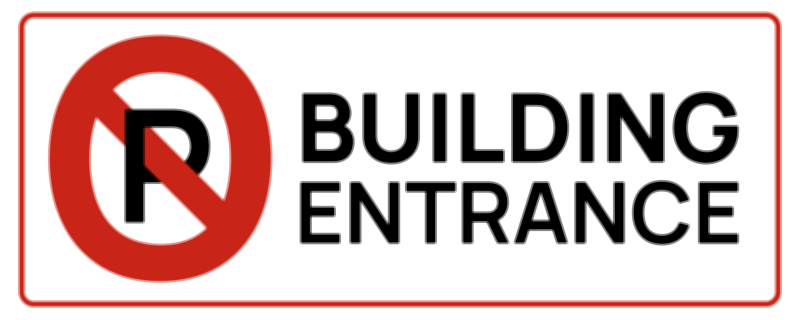
A critical dimension of the No Parking sign’s value lies in its role in emergency and lifesaving access. Fire trucks, ambulances, and rescue vehicles require clear pathways to reach people in danger, and even a short delay caused by a blocked curb, driveway, or building entrance can mean the difference between life and death. When a No Parking sign is installed near hydrants, emergency gates, hospitals, clinics, or building exits, it is because that space forms a vital component of emergency protocols. Firefighters may need immediate access to hydrant valves without losing seconds navigating around parked vehicles. Paramedics must be able to transport patients directly to medical facilities without detouring around obstructions. In large residential and commercial buildings, evacuation routes depend on keeping designated pickup zones completely clear, and the No Parking symbol provides the crucial visual reinforcement of those life safety standards. What might appear to be a simple roadside instruction is, in fact, a safeguard built into the framework of disaster readiness.
Traffic efficiency is another reason the No Parking sign has become indispensable. The movement capacity of a road is not determined solely by the number of lanes it contains but by how continuously those lanes remain free for traffic flow. When unauthorized parking occurs in undesignated zones, the continuous forward motion that transportation systems depend on becomes fragmented. Cars back up behind the obstruction, travel times increase, fuel consumption rises due to stop-and-start driving, and frustration spreads among drivers, leading to risky overtaking and lane-changing behavior. This ripple effect travels outward into adjacent intersections and side streets, compounding delays far beyond the immediate location of the obstruction. In cities with dense commercial and business activity, the No Parking sign ensures that customers, employees, and logistics services can access their destinations without unnecessary congestion. In transportation corridors with public buses, dedicated loading zones must be kept clear to ensure that passenger boarding occurs safely and efficiently. By prohibiting stationary vehicles in the wrong areas, the sign indirectly supports economic productivity, commuter reliability, and citywide traffic harmony.
Another vital aspect of the No Parking sign is its role in pedestrian protection and urban walkability. Modern transportation planning increasingly emphasizes the rights and safety of pedestrians, cyclists, and mobility-impaired individuals, and clear curbside space is essential to make cities welcoming to all. When vehicles park illegally near sidewalks, crossing zones, or bike lanes, they force vulnerable road users into unsafe conditions. A child walking to school may need to step into a driving lane to get around a parked car. A person using a wheelchair or walker may find themselves blocked altogether. Cyclists may be pushed into fast-moving traffic. The No Parking sign helps prevent these situations by ensuring that curbside access remains predictable and unobstructed. Pedestrian crossings remain visible, accessibility ramps remain usable, stroller and wheelchair pathways remain continuous, and senior citizens can walk without fear of hidden hazards. A single sign, when respected, protects an entire chain of road users who may not possess the speed, strength, or visibility that drivers of motor vehicles enjoy.
Commercial logistics and public service operations also depend on the order that this symbol helps sustain. Many buildings rely on scheduled deliveries, waste removal, maintenance visits, and passenger pick-up services, and these routines break down when unauthorized vehicles occupy protected curb spaces. When the No Parking symbol is ignored in front of shops, warehouses, or service entrances, workers are forced to carry equipment or shipments over long distances, deliveries fall behind schedule, and businesses experience avoidable disruption. In hospitality spaces such as hotels and event venues, blocked curbs create a chain of customer dissatisfaction and operational disorder. In densely populated residential areas, parking in restricted spaces can spark community conflict and prevent residents from safely accessing driveways, entrances, or pedestrian passageways. The No Parking sign becomes a mediator between different groups who share the same physical space, ensuring that each user has access when and where they need it.
The digital transformation of mobility has expanded the role of the No Parking sign beyond physical posts. With the rise of smart navigation systems, parking sensors, and autonomous vehicle technologies, visual symbols from roadside infrastructure now function in software ecosystems as well. The clean precision of vector illustrations enables these signs to appear accurately in GPS guidance tools, alerting drivers when they approach restricted curb zones and reducing violations through timely information. For semi-autonomous and autonomous vehicles, the symbol becomes a dataset component that informs machine decision-making regarding legal stopping points. Modern smart city systems even use digital triggers connected to No Parking zones to monitor compliance through cameras, sensors, and automated ticketing. The purpose remains unchanged — the sign preserves safety and clear access — but the scope of its influence now reaches from the physical world into the digital command networks that will guide the future of transportation.
Social responsibility is another layer of meaning embodied in the No Parking sign. It represents an agreement that drivers must respect shared public space for the benefit of others. Obeying the sign may require momentary inconvenience for a motorist, but disobeying it shifts the cost of convenience onto other people — onto the emergency responder delayed by a blocked hydrant, the pedestrian forced into traffic, the person in a wheelchair unable to reach an entrance, the busload of passengers delayed at a crowded stop, or the child crossing the street who cannot be seen in time by an oncoming driver. Penalties attached to violations — towing, fines, or citations — are intended not to punish but to discourage behavior that jeopardizes collective safety. When the sign is respected widely, a city functions smoothly; when it is disregarded, safety and quality of life decline for everyone.
The No Parking sign therefore represents not only a traffic rule but a compact between individuals and society. Its vector illustration might contain only a circle, a slash, and a letter, yet that visual code governs complex interactions among mobility, safety, accessibility, emergency response, logistics, public space equity, and civic responsibility. The symbol prevents chaos where order is needed most, preserves access where seconds can matter, and protects road users who are most vulnerable. It embodies the principle that smooth and safe movement through the urban environment depends on cooperation rather than competition, and that the convenience of one driver cannot come at the expense of the safety and freedom of many. Through its silent presence along roadsides and digital dashboards alike, the No Parking sign continues to serve as one of the most important guardians of road safety and urban functionality, reminding every driver that responsible decisions sustain the safety of all who share the space around it.