No Parking Sign — Road Safety and Traffic Control Symbol
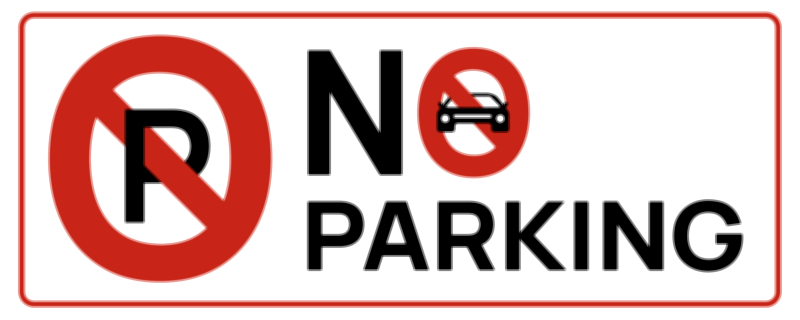
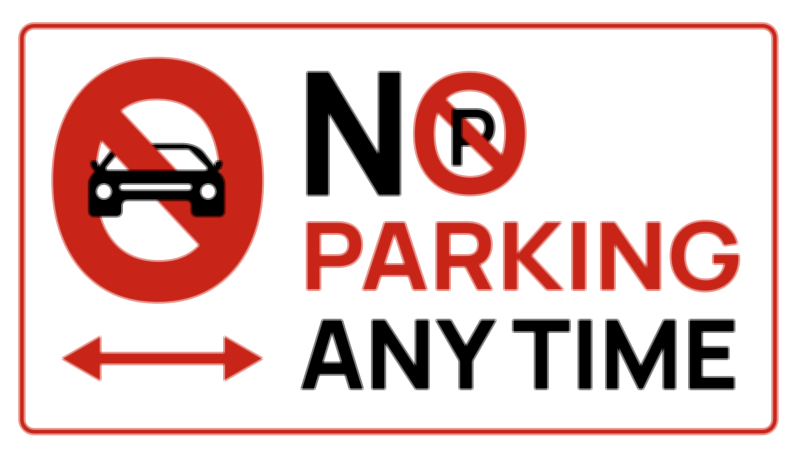
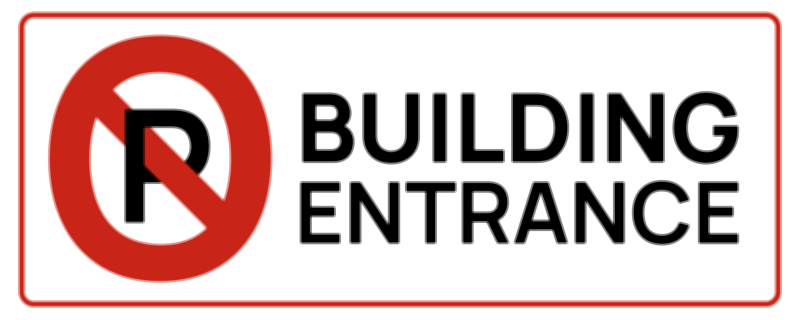
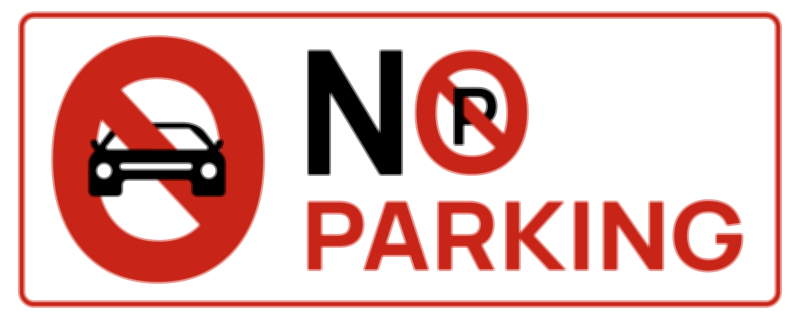
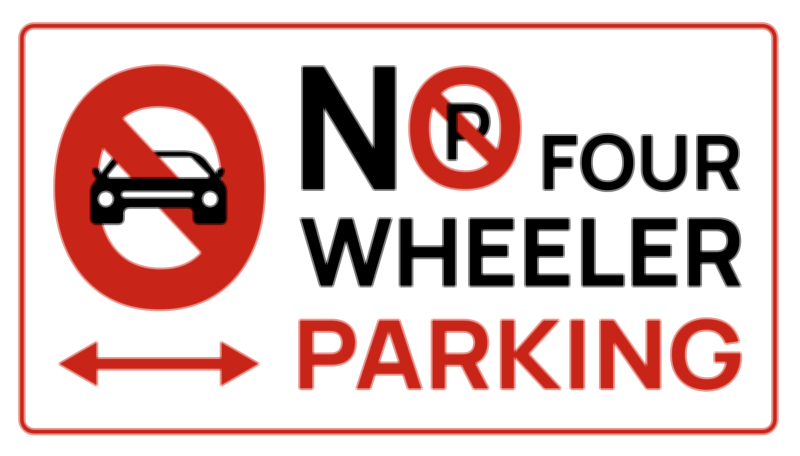
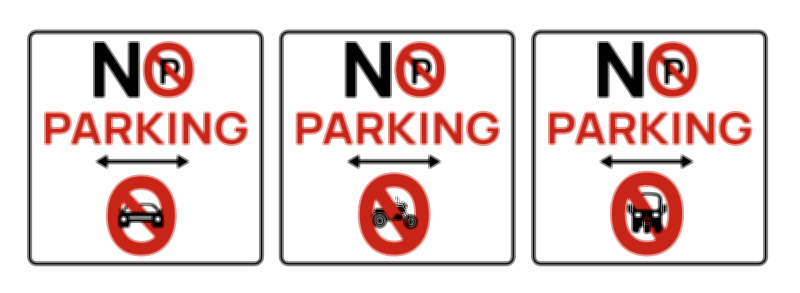
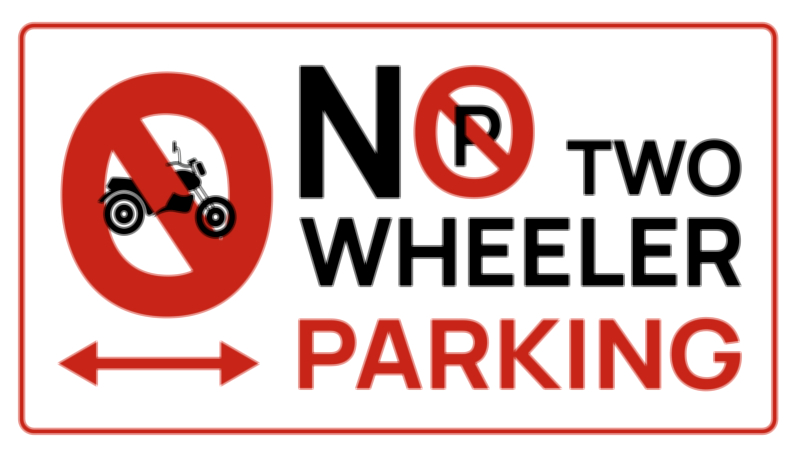
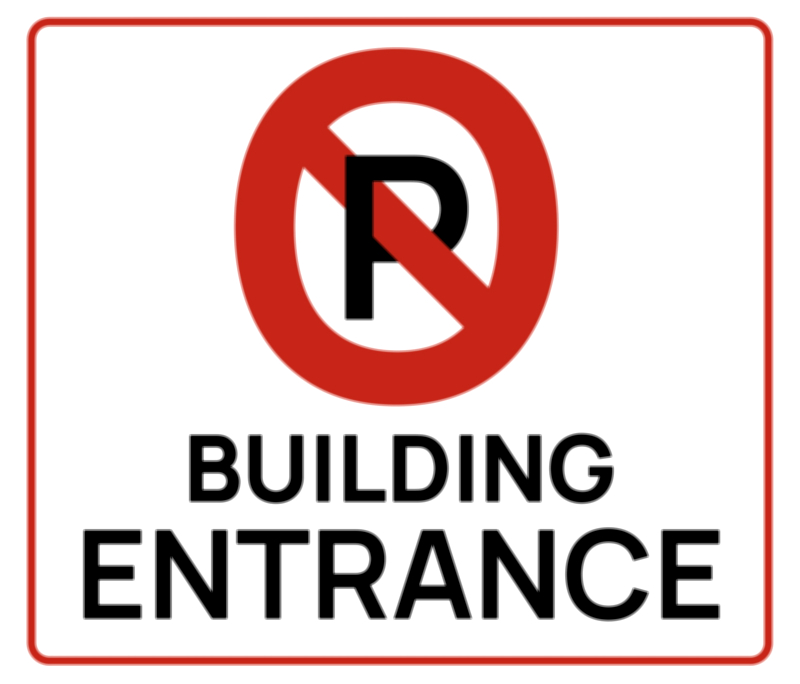
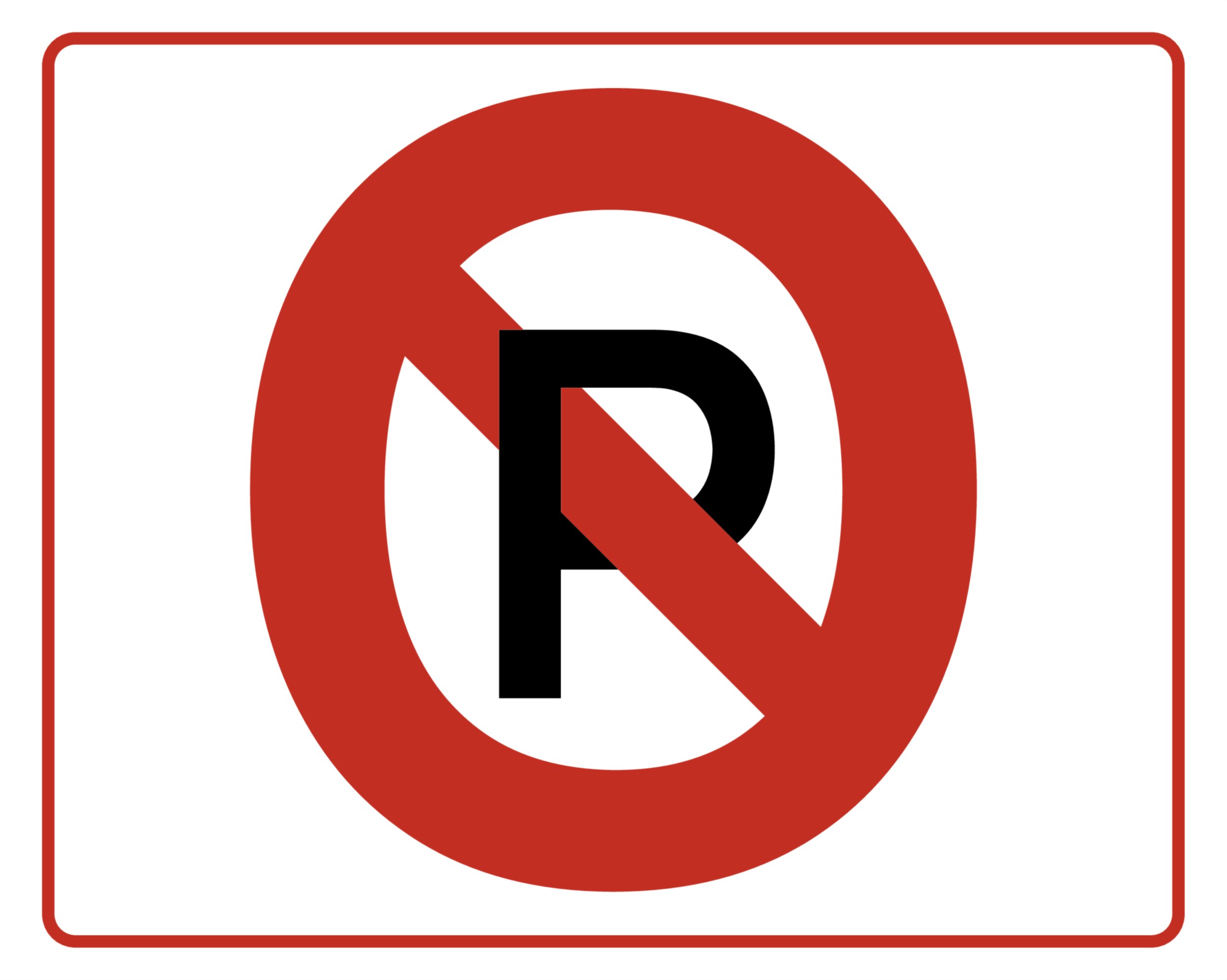
The No Parking sign is one of the most universally recognized road safety symbols, and despite the simplicity of its visual appearance, it carries deep significance in the structure, discipline, and efficiency of modern traffic systems. A typical vector illustration of the No Parking sign features a bold red circular border with a diagonal slash crossing through the letter “P” or in some regions a red slash over a blue circular field, and this visual format is designed with intention to instantly communicate prohibition without relying on words or language comprehension. The circular shape indicates a regulatory command, the red color signals restriction or danger, and the diagonal line represents denial of an action. When these elements combine, the sign becomes a single compact symbol that instructs drivers that parking their vehicles in the designated area is not permitted. The value of this visual encoding lies in its ability to convey meaning within milliseconds to drivers traveling at various speeds, ensuring that reaction time is preserved and compliance becomes effortless. The design has remained nearly unchanged for decades because its clarity has been proven repeatedly across cultures, continents, and road systems, illustrating how thoughtful symbol engineering enables safe and predictable movement across shared public spaces.
The presence of a No Parking sign in any street setting is not arbitrary but based on engineering studies that analyze traffic flow, pedestrian movements, sight distances, road width, emergency requirements, and accident history. When a vehicle stops and remains parked in a location where movement is expected or sightlines are crucial, the parked vehicle becomes an obstruction that disrupts the structural rhythm of the road. In dense urban areas, when cars park along narrow streets, buses and trucks may become forced to swerve or stop abruptly, creating traffic bottlenecks and increasing the probability of side-swipe collisions. Near intersections, a parked vehicle can block the view of drivers approaching the junction, making it harder to notice crossing traffic or pedestrians, particularly children who are shorter and more easily hidden behind vehicles. In school zones, the absence of No Parking control near gates and crossings increases crash risk dramatically because vehicles parked close to the curb eliminate the visual corridor that allows drivers and pedestrians to observe one another. Even a short visibility obstruction can become the deciding factor in whether a pedestrian crossing remains safe. Thus, the No Parking sign is not merely a procedural regulation but a field-tested intervention rooted in accident prevention and public protection.
Emergency access is another major purpose behind the placement of No Parking signs. Fire hydrants, ambulance entrances, emergency exits, and hospital vicinity lanes rely on unobstructed curb space to allow rapid movement in life-critical situations. A single illegally parked vehicle in front of an emergency gate can delay a fire truck by seconds that could determine the outcome of a rescue operation. For this reason, certain No Parking zones impose stricter enforcement or tow-away penalties because the risk associated with obstruction is not merely inconvenient but potentially life-threatening. Wide red curbs, frequent sign repetition, and high-contrast lettering reinforce awareness in these zones because the margin for error is negligible. A driver who ignores the sign in one moment may unknowingly jeopardize access for emergency responders in the next, making public respect for the sign not simply a matter of legal compliance but an act of responsibility toward community safety.
Traffic management systems also rely heavily on No Parking controls to maintain steady vehicular flow. Road capacity is determined not only by lane count and width but by how consistently the lanes remain free of fixed obstacles. In business districts, logistics hubs, public transport corridors, and airport terminals, even a single parked vehicle can cause ripple effects that delay hundreds of drivers. When pickup and drop-off behavior is not regulated through signage, vehicles can pile up unpredictably, compounding congestion and increasing emissions from idling engines. No Parking signage solves this by assigning order: vehicles may pass through freely, stop only where allowed, and load or unload in designated bays instead of obstructing through lanes. This improves not only travel time but fuel efficiency, commuting predictability, and economic productivity by keeping transport pipelines unobstructed. The No Parking sign therefore functions as a form of urban organization that supports society’s mobility infrastructure.
Public transport systems depend particularly strongly on No Parking restrictions. Buses require a clear bay for safe and smooth boarding of passengers, and any obstruction pushes them away from the curb, forcing passengers to enter the traffic lane to board, which is dangerous and illegal in many jurisdictions. At train stations, metro stops, and tram platforms, No Parking zones ensure that private vehicles do not block the flow of passengers transitioning between different transport modes. When vehicles wrongly occupy these zones, the effect is not merely an inconvenience but a breakdown in the chain of multimodal transport efficiency. Mobility ecosystems work only when each part supports the next, and No Parking signs provide the barriers and permissions that allow these parts to integrate seamlessly. The sign thereby contributes to the reliability of buses, shuttles, and rail systems by protecting the shared spaces they depend on.
Commercial operations also benefit from the implementation of No Parking signage. Delivery trucks and loading vehicles require timed and dedicated spaces to pick up or drop off goods, and if these areas are occupied by private parked cars, delivery schedules collapse and businesses suffer financial loss. In wholesale markets, warehouses, and restaurant supply streets, No Parking signs ensure that logistics cycles run without obstruction and that goods reach vendors and consumers efficiently. Even in residential communities, these signs prevent vehicles from blocking apartment entrances, driveways, and neighborhood access routes, helping maintain fairness among residents and visitors. When signage is ignored, frustration escalates and conflicts arise; when signage is respected, harmony and predictability emerge. This highlights the role of the No Parking sign not only as a traffic tool but as a mediator of social cooperation in densely shared public environments.
Pedestrian safety is further reinforced by the restrictions represented by No Parking signage. When a roadway segment near a crosswalk remains free of stationary vehicles, pedestrians stepping onto the street are visible to approaching drivers, and drivers have time to slow down. This affects not just traffic flow but urban confidence — clear curbs make pedestrians feel safer, which encourages walking and cycling, benefiting public health and reducing dependence on motor vehicles. Many walkable cities depend heavily on precise placement of No Parking signs to ensure that vehicles do not encroach on pedestrian crossings, school walkways, or cycling lanes. The sign helps safeguard the road space required for varied, inclusive mobility rather than privileging only motor vehicle storage.
Digital technology has expanded the role of the No Parking sign into the virtual world. Navigation apps, smart parking systems, and autonomous vehicle platforms now detect and map No Parking zones digitally. The vector illustration of the sign is visually rendered on dashboards and mobile screens to guide drivers before they reach a zone, lowering the risk of violations and improving spontaneous navigation decisions. With the rise of smart cities, sensors and cameras may detect obstructions in No Parking zones automatically, and enforcement takes place in real time to support traffic precision. These advancements demonstrate how the symbolic power of the No Parking sign has evolved from physical posts to digital communication, yet the essence of its purpose remains unchanged: to protect shared mobility space.
Enforcement of No Parking regulations through signage also relies on shared public understanding and a sense of mutual responsibility. Drivers who obey the signage help preserve roads that remain functional for everyone, and violators risk fines or towing not as punishment but as a deterrent against harmful actions. The sign thus represents an agreement between community members acknowledging that roads serve multiple users — drivers, passengers, pedestrians, cyclists, freight operators, and emergency responders — and that all rely on each other’s cooperation. The respect given to the sign is ultimately respect given to the safety and freedom of others.
While a vector illustration of the No Parking sign is visually simple, it encodes layers of meaning: prohibition, protection, fairness, efficiency, and shared responsibility. It symbolizes the boundary between convenience for an individual and safety for the collective. It protects lives by keeping emergency access clear, keeps cities functioning by preventing bottlenecks, protects pedestrians by safeguarding visibility, supports commerce by facilitating unhindered logistics, and promotes respect between drivers. In doing so, the sign becomes far more than an icon — it becomes a silent traffic manager whose presence ensures order in environments where chaos would otherwise emerge. Understanding the importance of this symbol reminds us that road safety is not shaped only by laws and infrastructure, but by the small choices drivers make every time they approach a curb, and by the shared commitment to maintain roads that are safe and accessible for everyone who depends on them.