No Parking — Traffic Sign Design and Road Safety Awareness
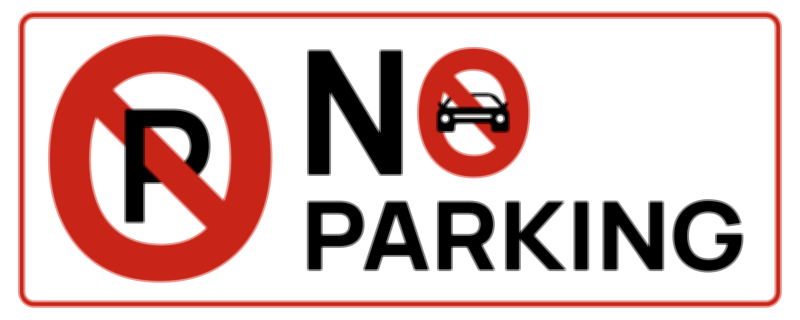
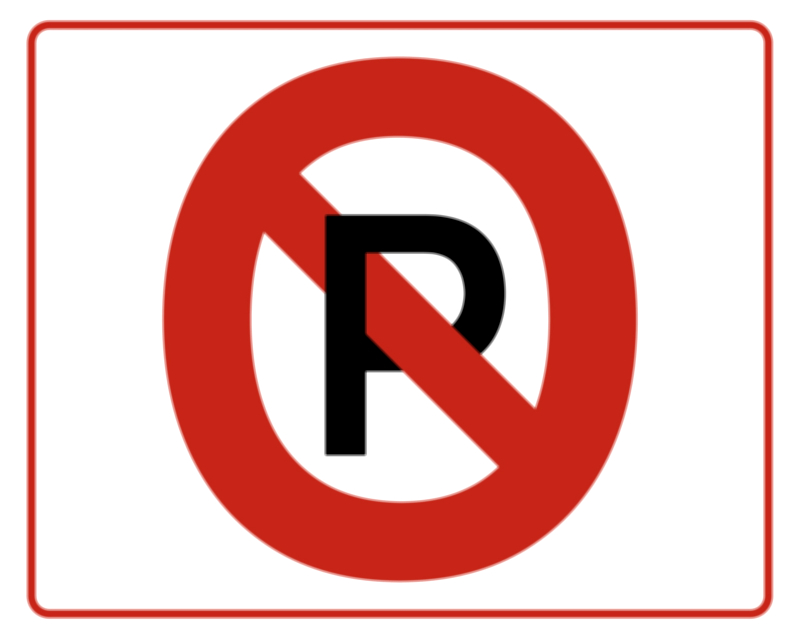
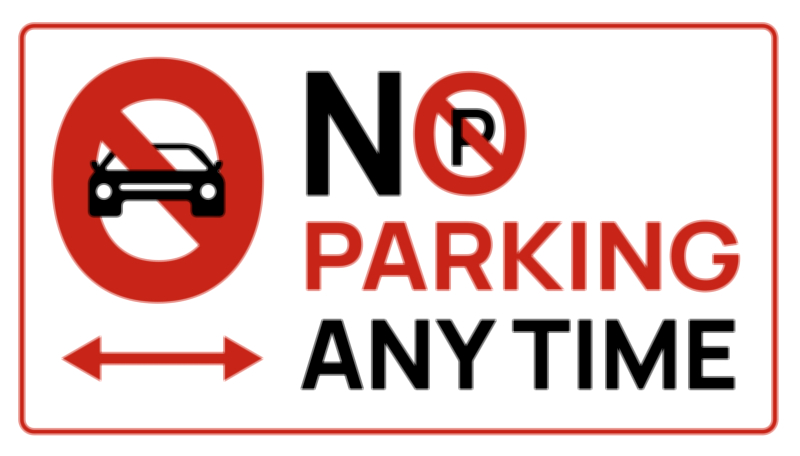
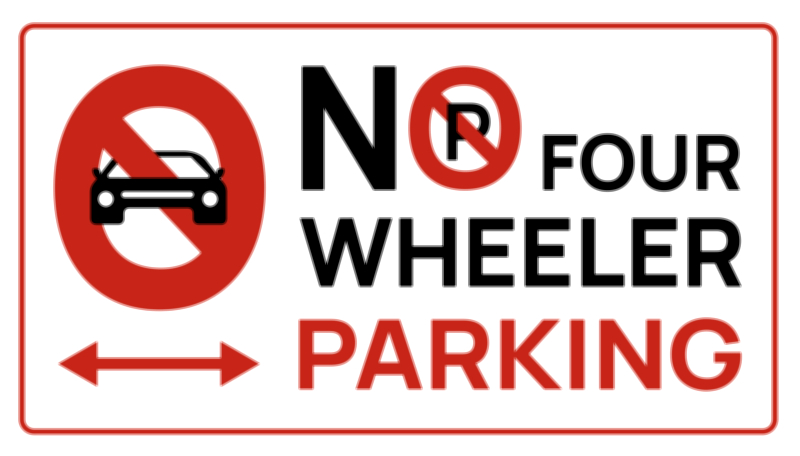
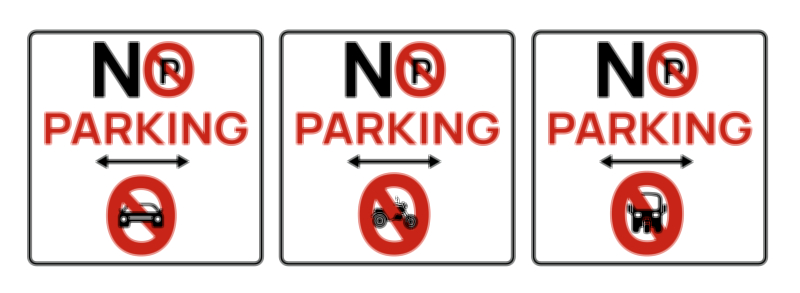
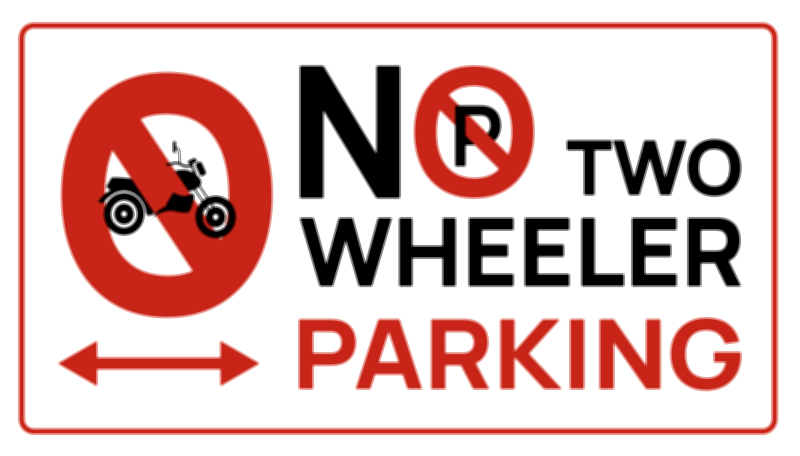
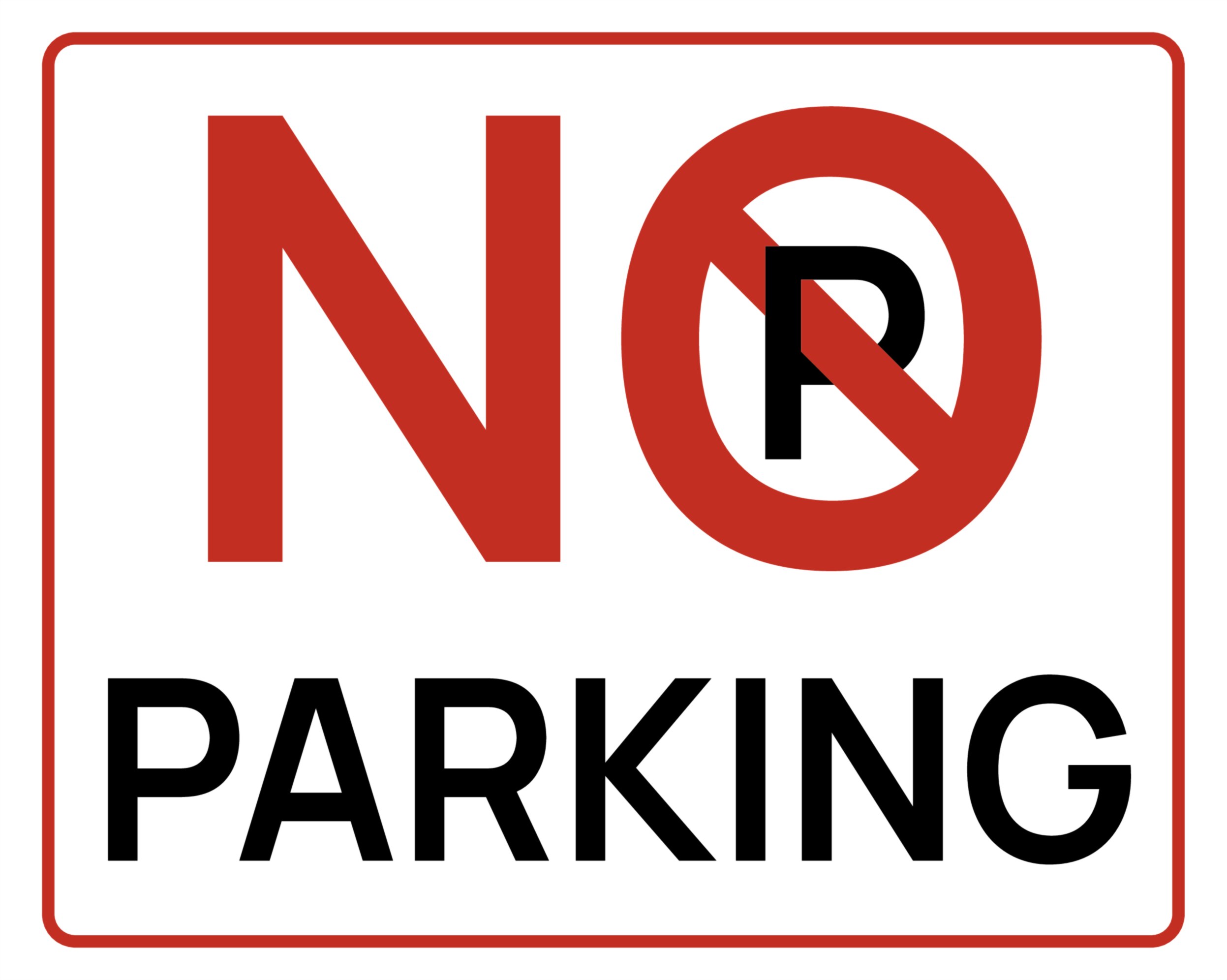
The “No Parking” traffic sign is one of the most recognizable regulatory symbols on public roads, yet its importance reaches far beyond the immediate instruction printed on the sign. At first glance, a vector illustration of this sign may appear to be simply a circle with a bold slash and lettering or a stylized depiction of the letter “P” crossed out, but the design reflects a long history of standardized road communication developed to support safety, traffic efficiency, and predictable vehicle movement in shared public spaces. The essential purpose of the No Parking sign is to prohibit drivers from leaving their vehicles stationary in a designated area, allowing only brief stops in special cases such as loading or unloading passengers if local rules permit. The graphical design is engineered to convey this prohibition instantaneously, regardless of the driver’s language, literacy level, or familiarity with the area. A typical vector illustration shows a red circular border surrounding a blue or white field with a bold diagonal slash passing across a letter “P,” tying the visual identity of the sign to globally recognized safety symbolism, where red indicates restriction and a slash indicates prohibition. This visual encoding ensures that even without words the meaning remains unmistakable, and it speaks to the power of standardized signage as an international language of road safety.
The effectiveness of a No Parking sign is not solely in its appearance but in the way it shapes driver behavior and supports the broader objectives of traffic management. Public roads are complex systems in which every stop, turn, and delay affects other vehicles, pedestrians, and the flow of transportation. When cars park in unauthorized areas, especially on narrow roads, pedestrian crossings, intersections, bus stops, school zones, or emergency vehicle lanes, they create bottlenecks and obstructions that disrupt visibility and movement. A single improperly parked vehicle near a junction can block turning vehicles, force buses to stop away from designated stations, or compress the usable road width so that larger vehicles cannot pass without risk. In areas with high pedestrian density, such as school zones, shopping districts, and residential streets, blocked sightlines caused by parked cars reduce the ability of drivers to see children or pedestrians stepping into the road. The No Parking sign is therefore not merely a regulation for convenience but a proven preventive measure that reduces crash likelihood by keeping sightlines open, controlling congestion, and removing unpredictable stopping patterns from the road environment.
The placement of No Parking signs is strategic because different environments present unique risks. Near fire hydrants and emergency service entrances, the restriction ensures that firefighters, paramedics, or other emergency responders can gain immediate access without delay. In front of hospitals and clinics, the rule maintains a clear path for ambulances transporting critical patients. On highways and bridges, No Parking zones prevent sudden obstacles that could cause high-speed collisions. In urban commercial areas, the sign helps keep bus stops clear so that public transport remains reliable and efficient. Even in neighborhoods, placement of the sign helps maintain fairness and prevents residents from blocking shared entrances, driveways, or community spaces. These decisions are made not only through law but through engineering analysis that includes traffic volume, sight distance, pedestrian risk, and accident history. The sign’s presence marks the outcome of that planning, sending a clear message that a stopping vehicle in that location creates danger or disruption that society has chosen to prevent in advance.
The design standardization of the No Parking sign also contributes to legal clarity and enforcement. Because the symbol is internationally consistent in shape, colors, and proportions, it reduces ambiguity in driver interpretation. Red borders signal regulatory authority, and the crossed-out imagery communicates prohibition at a glance. Police officers, parking authorities, and traffic patrol teams rely on this uniformity for enforcement because the sign represents a binding regulation rather than a suggestion. Modern vector illustration of the No Parking sign supports this clarity by maintaining the correct geometry, color contrast, and symbol proportions used in physical signage and digital navigation systems. With the increasing use of GPS and smart mapping applications, digital depictions of the No Parking symbol appear on maps to warn drivers about restricted stopping areas, ensuring that this regulatory guidance extends beyond roadside hardware into electronic transportation guidance.
Beyond traffic flow and emergency access, No Parking signage plays a preventive role in pedestrian safety. Children in particular are at risk in environments where illegally parked vehicles block views of the road. When the curbside zone alongside crosswalks and school gates is kept clear, drivers have direct visibility of approaching pedestrians, and pedestrians can observe oncoming vehicles before crossing. Research in road safety demonstrates that pedestrian collisions disproportionately occur in areas where visual obstruction is present, especially when parked cars conceal children stepping onto the street. No Parking zones near schools, playgrounds, senior centers, and transit hubs therefore become part of a larger safety ecosystem designed to give every road user predictable space in which to move. In this way, the sign enforces not just an abstract rule but a protective measure that saves lives by preserving visibility and safe passage.
Economic efficiency is another dimension of why No Parking regulations matter. When vehicles obstruct shops, warehouses, markets, and logistics access roads, deliveries are delayed, business activity is disrupted, and traffic jams cause financial strain due to wasted fuel and time. No Parking signage ensures that loading bays, service entrances, and drive-through areas remain free from obstruction so commercial operations run smoothly. The same holds true in public spaces such as airports and railway stations, where the presence of illegally parked vehicles can disrupt passenger flow and transportation schedules. A single unattended car left in a prohibited zone at an airport departure gate, for example, can cause congestion that affects hundreds of travelers in minutes. The signage system regulating where parking is allowed or disallowed becomes a foundation for community productivity and transportation reliability.
Accessibility considerations also shape the relevance of No Parking signs. In areas designated for differently-abled individuals, a No Parking sign secures the integrity of wheelchair ramps, tactile walkways, and mobility-restricted passenger access points. Blocking these access features does not only violate regulations but directly hinders people with disabilities from navigating safely and independently. Clear No Parking zones around ramps, building entrances, and specialized public transit vehicles ensure that accessibility infrastructure is functional at all times. Thus, the sign aligns with social values of inclusion, autonomy, and respect for all road users.
Despite its authoritative tone, the No Parking sign does not represent a rigid prohibition against stopping under all circumstances but rather a protective boundary. Drivers may be permitted to stop momentarily to drop off or pick up passengers if the area is marked specifically as “No Parking” rather than “No Stopping” or “No Standing,” and such distinctions vary by jurisdiction. This nuance demonstrates how traffic systems balance public necessity with regulation: rules are not punitive for their own sake but designed to maximize safety and fairness within shared public space. Understanding the meaning of the sign and its legal differences from related symbols is part of responsible and informed road usage.
When a vector illustration of the No Parking sign is created for digital design, educational materials, driving manuals, or safety campaigns, it carries the weight of this entire history of transportation planning, public safety policy, and global communication strategy. The bright contrast of red against blue or white, the bold diagonal slash, and the simple geometry make the icon legible on roadside posts, printed materials, vehicle dashboards, and mobile navigation displays. Its clarity respects the reality that drivers must recognize and understand the sign within a fraction of a second while navigating a busy and sometimes unpredictable environment. Because the sign communicates across languages and cultures, it becomes part of a universal visual system that supports orderly and safe coexistence on roads.
In the end, the No Parking sign is more than a directive; it is a visible symbol of a collective agreement that safety, accessibility, and mobility depend on shared respect for public space. Vehicles parked in prohibited areas can cause collisions, delay emergency services, obstruct visibility, endanger pedestrians, and disrupt community functioning. The standardized design of the sign ensures that its message reaches every driver clearly, whether through physical signage or digital interfaces, and encourages consistent behavior across diverse environments. Through its simple form, the No Parking sign demonstrates that road safety begins with clear communication, shared responsibility, and awareness that every individual action on the road affects the safety and convenience of others.