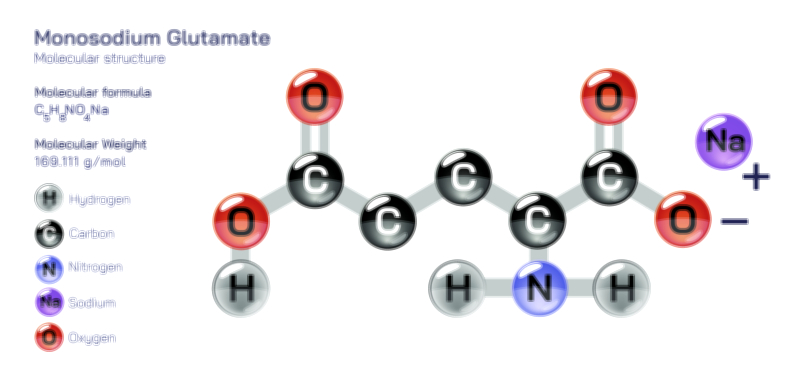
Magnesium Sulfide — Molecular Structure and Composition
Magnesium sulfide is an inorganic compound expressed by the chemical formula MgS, and its importance arises from a molecular structure in which a divalent magnesium cation interacts with a divalent sulfide anion to form a highly stable ionic lattice. At the most fundamental level, magnesium is an alkaline earth metal known for its strong tendency to lose two electrons and generate a +2 charge, while sulfur in its reduced state carries a –2 charge because of its high electron affinity when it occupies the sulfide form. The electrostatic attraction between these two oppositely charged ions produces a strong ionic bond that organizes into a robust crystalline arrangement. In its most common structural form, magnesium sulfide crystallizes into the rock-salt lattice type, a pattern in which each magnesium ion is surrounded by six sulfide ions and each sulfide ion is surrounded by six magnesium ions in a three-dimensional octahedral coordination. This geometric symmetry reflects the balance of ionic size, charge distribution, and lattice energy that stabilizes the structure across a wide range of environmental conditions. Although the formula appears simple, the compound’s behavior varies depending on particle size, defect concentration, and hydration susceptibility, and these subtle factors play a major role in determining its performance in industrial and scientific environments. One of the most recognizable characteristics of magnesium sulfide is its reactivity with moisture; when exposed to water or humid air it undergoes hydrolysis that yields hydrogen sulfide gas and magnesium hydroxide. This transformation provides insight into the thermodynamic tendencies of MgS and explains why handling precautions and controlled storage environments are essential in laboratory and industrial settings.
Magnesium sulfide does not occur abundantly in nature as a stable surface mineral because of its susceptibility to moisture, yet it forms in notable quantities under high-temperature and low-oxygen environments where sulfide chemistry dominates. Deep geological systems, reducing volcanic zones, and extraterrestrial bodies such as certain meteorites and interstellar dust clusters contain magnesium sulfide deposits that point to its broader significance in planetary formation and cosmic mineralogy. In industrial metallurgy, MgS appears frequently as an intermediate compound during the desulfurization of molten iron and steel. When magnesium is injected into molten metal, it reacts vigorously with sulfur impurities to form magnesium sulfide inclusions, which float to the surface and are subsequently removed. This reaction, though simple in concept, plays a central role in improving the structural and mechanical quality of steel by preventing brittle sulfide phases from forming during solidification. The ability of magnesium to bind sulfur in such an efficient and thermodynamically favorable manner makes the MgS system indispensable to modern metallurgy and demonstrates the practical consequences of ionic affinity and lattice formation at high temperatures. Although most MgS produced during steel purification is not harvested for reuse, growing interest in sustainable metallurgy has sparked research into repurposing magnesium sulfide as a precursor for chemical synthesis or energy-related applications.
The electronic properties of magnesium sulfide contribute to its emerging value in semiconductor and optoelectronic research. MgS exhibits direct wide-band-gap behavior, placing it in a class of materials that can interact with high-energy photons and ultraviolet radiation. The compound can be engineered into thin films, nanocrystalline powders, and doped semiconductor layers where its electronic structure becomes highly tunable. Because it combines a wide band gap with transparency in the ultraviolet range, magnesium sulfide is being explored for use in optical devices, ultraviolet photodetectors, electroluminescent components, and next-generation solid-state display technologies. When incorporated into multilayer heterostructures with other sulfide-based semiconductors such as zinc sulfide or cadmium sulfide, MgS can fine-tune energy barriers, improve carrier confinement, and enhance luminous output. These behaviors originate from the predictable way its crystal lattice accommodates impurities, vacancies, and compositional modifications, giving researchers a framework for designing materials with precisely calibrated optical signatures. Although these technologies remain largely in the research and development phase, magnesium sulfide has attracted attention as a relatively nontoxic alternative to heavy-metal sulfides traditionally used in optoelectronics.
In chemical synthesis and materials science, magnesium sulfide contributes to reactions that require a strong sulfide source capable of supplying S²⁻ ions in controlled ways. When processed under dry or inert atmosphere conditions, magnesium sulfide acts as a sulfiding agent that supports the formation of metal sulfides, organosulfur compounds, and catalytic intermediates used in petroleum refining, desulfurization chemistry, and surface modification of nanoscale metals. Research involving hydrogen production and sulfur recovery has also explored magnesium sulfide’s role in reversible sulfur cycles, where MgS participates in transformations that allow sulfur to be stored, transported, and released chemically without requiring elemental handling. In battery science and renewable-energy storage, magnesium sulfide has been studied as a potential component of metal–sulfur battery cathodes, where its structural stability and ability to host electron transfer reactions may support long-cycle performance under the right experimental conditions. While these technologies are still developing, they point toward a future in which magnesium sulfide may serve as a practical material beyond heavy industry, contributing to energy efficiency and sustainability initiatives.
Consumer and environmental interactions involving magnesium sulfide are more subtle because the compound is not widely used directly in household or biomedical products. However, its behavior indirectly influences a number of real-world applications. In municipal waste processing and anaerobic biological systems, magnesium ions can interact with sulfide ions naturally produced by microbial activity, forming magnesium sulfide precipitates that alter odor emission, equipment corrosion patterns, and biofilm formation. This intrinsic reactive tendency has inspired environmental engineering approaches that use magnesium-based additives to control sulfide gas production in sewage treatment, thereby improving air quality and reducing infrastructure damage. In soil chemistry and agriculture, magnesium sulfide itself is not commonly applied, but under reducing soil conditions it can form transiently during sulfur cycling processes and help release nutrients as it decomposes. The magnesium portion contributes to chlorophyll formation and energy conversion in plants, while the sulfur portion contributes to amino acid formation and enzyme activation, though this happens indirectly rather than through deliberate fertilizer applications. Because magnesium sulfide readily hydrolyzes to magnesium hydroxide and hydrogen sulfide in wet soil, its influence in agriculture is primarily chemical rather than commercial.
Although magnesium sulfide has significant usefulness across industries, proper handling and storage are essential to preserve both safety and functionality. The compound must be protected from moisture because hydrolysis generates hydrogen sulfide, a gas with a characteristic odor and toxic effects at elevated concentrations. Even though hydrogen sulfide release from small exposures is preventable with proper storage and ventilation, this behavior explains why MgS is not widely incorporated into consumer-level applications in its raw state. In high-temperature environments such as smelting and refractory processing, magnesium sulfide is handled safely within controlled systems that regulate gas emissions, chemical reactivity, and solidification behavior. In semiconductor and research laboratories, MgS is stored under inert gases such as nitrogen or argon to preserve its lattice structure and maintain purity for optoelectronic or catalytic experimentation. These controlled environments allow researchers to fully leverage the compound’s functional properties without interference from unintended hydrolysis reactions.
Overall, magnesium sulfide demonstrates how the interplay between ionic structure and chemical reactivity shapes a compound’s real-world identity. The highly stable bond between magnesium and sulfur produces a mineral that is resistant under high-temperature reducing conditions, yet reactive and transformative in the presence of water and oxidation. Its role in purifying steel, supporting high-performance optical materials, contributing to catalytic sulfide chemistry, and participating in advanced energy systems reflects a balance between structural rigidity and chemical responsiveness grounded in its rock-salt lattice framework. Whether forming and removing unwanted impurities from molten metal, enabling ultraviolet semiconductor design through its wide band-gap properties, contributing to sulfur-based catalytic cycles, or offering a pathway toward future battery and optoelectronic applications, magnesium sulfide stands as a compelling example of how molecular composition determines functionality. As material science continues to evolve and industrial processes move toward energy-efficient and environmentally responsible methods, the unique properties of MgS ensure that it will remain a subject of active scientific interest and technological potential across the coming decades.