Magnesium Hydroxide — Chemical Structure and Properties
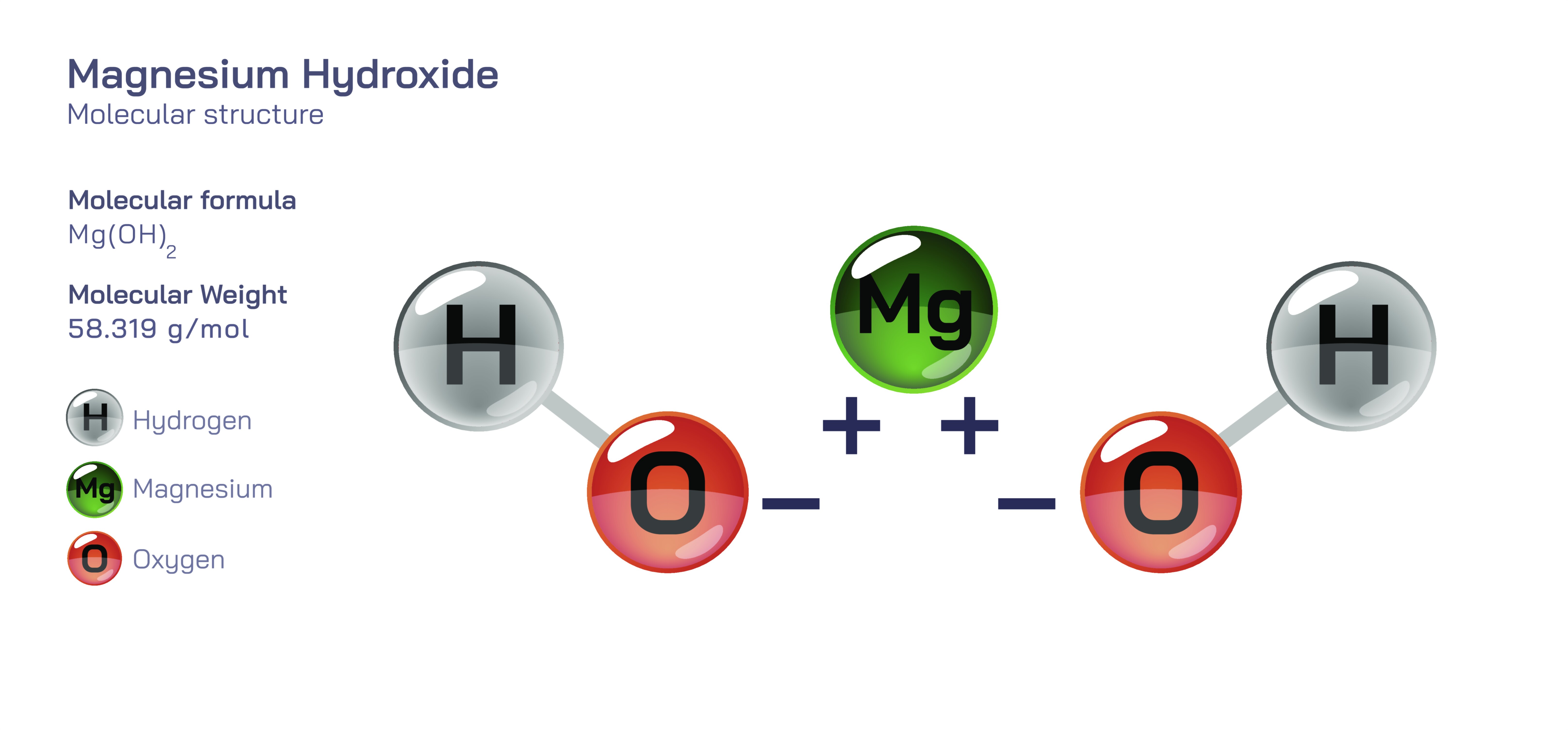
Magnesium hydroxide is a significant inorganic compound that has gained wide scientific and industrial attention because of its versatile physical, chemical, and biological characteristics. It has the formula commonly expressed as Mg(OH)₂, and though this notation appears simple, it represents a complex arrangement of magnesium ions bonded to hydroxide groups that creates a stable, slightly soluble compound with a unique blend of reactivity and stability. In the natural world, magnesium hydroxide occurs as the mineral brucite, which forms in layered sheets held by hydrogen bonding and ionic attraction. This crystalline arrangement makes magnesium hydroxide structurally firm yet chemically active under the right environmental conditions, allowing it to behave both as a gentle base and as a therapeutic agent. Its structure enables the slow release of hydroxide ions when exposed to water, leading to mild neutralizing effects that make it ideal for medical formulations that treat acidity without aggressive reaction. This balanced behavior between insolubility and controlled dissociation reflects the deeper chemical personality of magnesium hydroxide that distinguishes it from other alkaline compounds.
In medicinal applications, magnesium hydroxide has a central role as an antacid and osmotic laxative, and it has been widely used for decades because it works efficiently while maintaining a high safety profile. When introduced to the gastrointestinal tract, its mild alkalinity allows it to neutralize excess stomach acid, bringing relief from heartburn, indigestion, and gastric irritation without causing abrupt pH fluctuations. The same chemical characteristics also draw water into the intestines in a gentle manner, promoting bowel movement without harsh stimulation, which is why it is a primary component of products such as “milk of magnesia.” This dual function arises from the moderate solubility of magnesium hydroxide, which prevents sudden chemical shifts that can irritate the stomach or intestinal lining. Its long-standing reputation for reliability in digestive care stems from its ability to act predictably in the human body while minimizing discomfort or dependence, making it especially suitable for long-term use when guided properly.
In industrial and environmental contexts, magnesium hydroxide excels as a powerful yet safe neutralizing agent. Wastewater treatment plants rely on its base-forming properties to adjust acidity levels, enabling the safe handling of effluents before release into natural environments. Because it releases hydroxide ions more slowly and evenly than strong bases, it avoids the dangerous pH spikes that can result from compounds like sodium hydroxide, reducing stress on biological treatment systems and aquatic ecosystems. It is also used to precipitate heavy metals out of contaminated water through controlled pH adjustment, creating insoluble complexes that can be separated and processed instead of entering rivers and oceans. Environmental engineers appreciate that magnesium hydroxide offers these benefits with minimal corrosive impact on equipment, allowing processing facilities to achieve long-term operational reliability.
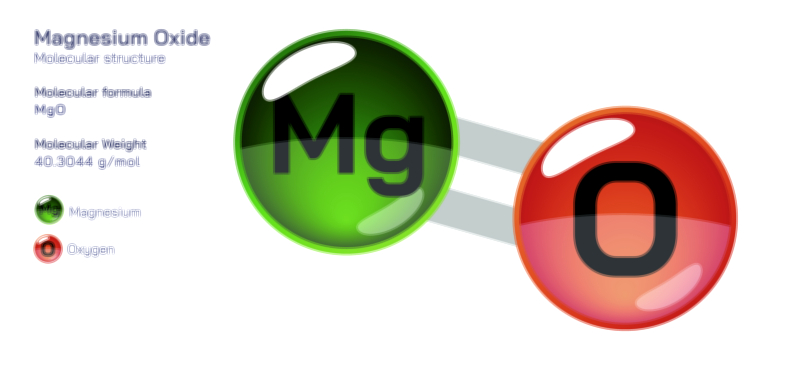
Another major scientific and commercial advantage of magnesium hydroxide lies in its role as a flame retardant. When exposed to high temperatures, it undergoes thermal decomposition that releases water vapor, producing a cooling effect that slows the spread of fire. At the same time, the compound transforms into magnesium oxide, a solid residue that acts as a protective barrier over the burning material. This combination of cooling and surface protection makes magnesium hydroxide a strategic additive in polymers, textiles, construction materials, and electrical insulation. It has become especially valuable in industries seeking alternatives to halogen-based flame retardants, which raise concerns about toxic gas emissions during combustion. Magnesium hydroxide enhances fire safety while helping to support healthier indoor environments and cleaner industrial processes.
The chemical structure of magnesium hydroxide also influences its mechanical and material properties in ways that extend into advanced scientific research. The crystalline layers characteristic of brucite create opportunities for modification at microscopic scales, such as interlayer substitution or exfoliation, potentially transforming magnesium hydroxide into functional nanomaterials. Researchers explore applications ranging from polymer reinforcement to catalytic systems and battery improvement, investigating how subtle changes in structure may lead to new breakthroughs. As global focus shifts toward sustainable materials, magnesium hydroxide is gaining popularity because it is abundant, non-toxic, and compatible with green chemistry principles, leading to new interest in technological fields that previously relied on synthetic or hazardous substances.
In personal care and consumer products, magnesium hydroxide provides benefits that reflect its gentle yet effective nature. It is used in deodorants to reduce odor through pH balancing rather than by blocking sweat ducts, making it attractive to individuals seeking alternatives to aluminum-based antiperspirants. Its mildness on skin allows manufacturers to include it in creams and lotions designed for sensitive individuals who cannot tolerate harsher alkaline agents. The compound’s ability to maintain a calm, stable pH without causing irritation or burning sensations plays a major role in its growing popularity in natural skin-care formulations. As awareness increases regarding ingredient safety, magnesium hydroxide continues to gain interest among formulators who need a dependable mineral compound that combines stability with biocompatibility.
Despite its favorable qualities, magnesium hydroxide presents certain considerations that add nuance to its handling across industries. Its low solubility is advantageous for gradual chemical reactions but can make mixing processes more demanding, requiring careful dispersion to avoid clumping. Additionally, in agricultural settings it may help raise soil pH when used carefully, but overapplication can lead to nutrient imbalance or interference with plant mineral uptake. Responsible dosage and environmental monitoring are therefore vital to preserve the benefits while preventing unintended consequences. Scientific literature consistently emphasizes that while magnesium hydroxide is highly safe and useful, its performance depends on thoughtful application tailored to specific environmental or biological systems.
Overall, magnesium hydroxide is a compound whose significance spans science, medicine, technology, and environmental engineering. It anchors its usefulness in a structural design that makes it both strong and gentle, insoluble yet active, stable yet responsive under suitable conditions. Whether providing comfort to millions through digestive relief, protecting infrastructure through wastewater treatment, enhancing fire resistance in essential materials, or supporting emerging innovations in sustainable technology, magnesium hydroxide demonstrates its value across diverse and evolving fields. As research continues to expand the understanding of mineral-based solutions for health and industry, magnesium hydroxide remains a prominent example of how fundamental chemistry can contribute directly to societal wellbeing, environmental responsibility, and long-term technological progress.