Hydrazine Chemical Structure — Toxic Nitrogen Hydride, Uses and Safety Explained
Hydrazine is a chemically powerful and biologically hazardous compound whose significance cannot be understood only by examining its formula; instead, it requires a deep look into its molecular architecture, its reactive properties, and the consequences of its interaction with living systems and industrial environments. Known scientifically as a nitrogen hydride, hydrazine is composed of two nitrogen atoms bonded together and surrounded by hydrogen atoms, forming a structure that resembles a highly reduced form of diatomic nitrogen. This arrangement gives the molecule unusual reactivity, positioning it at the crossroads of fuel chemistry, industrial synthesis, and toxicology. Its chemical structure carries stored potential energy due to the arrangement of nitrogen–nitrogen and nitrogen–hydrogen bonds, and while this stored energy makes hydrazine valuable in specialized applications, it also contributes to its dangers when handled without strict safety measures. To appreciate hydrazine fully, it is necessary to integrate the perspectives of structural chemistry, industrial use, environmental and biological impact, and the precautions required when humans or ecosystems encounter it.
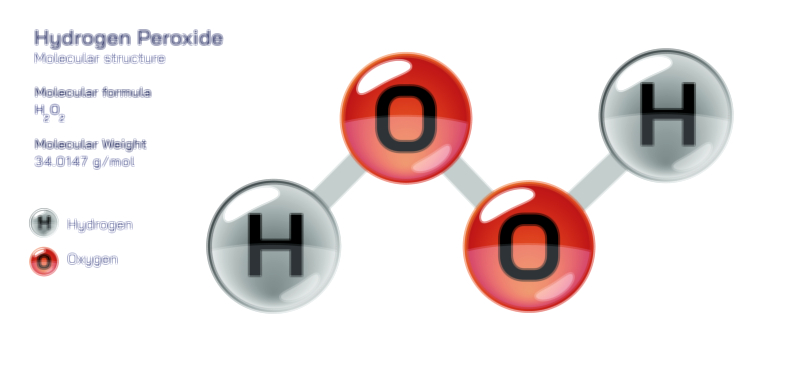
At the molecular level, hydrazine has the formula N₂H₄ and can be compared conceptually to ammonia, but with two interconnected nitrogen centers instead of one. Each nitrogen atom carries lone pairs and hydrogen atoms, causing hydrazine to adopt a non-linear geometry somewhat similar to the arrangement found in hydrogen peroxide. The nitrogen–nitrogen bond lies at the heart of the molecule’s behavior: it is strong enough to remain stable under controlled conditions yet reactive enough to break under energetic circumstances, liberating gaseous nitrogen and releasing energy in the form of heat. Because of this reactivity, hydrazine acts as both a reducing agent and a propellant, making it capable of transferring electrons to other substances and supporting combustion-like reactions without oxygen. Hydrazine’s instability is not chaotic but predictable; the molecule remains relatively calm in neutral environments yet becomes dangerously reactive when exposed to strong oxidizers, catalytic surfaces, elevated temperatures, or concentrated energy sources. This dual nature explains why hydrazine is valuable industrially but hazardous in ordinary biological or ecological settings.
Industrially, hydrazine plays a central role in several high-technology domains because of its ability to store and release energy. One of its most prominent uses is as a rocket and spacecraft propellant in aerospace engineering. Hydrazine decomposes rapidly into nitrogen gas and hydrogen when exposed to catalysts, producing intense thrust without requiring atmospheric oxygen. This property allows satellite orbit correction systems, interplanetary probes, and spacecraft thrusters to operate in the vacuum of space, where ordinary fuels would not ignite. Beyond aerospace applications, hydrazine is essential in power generation systems, where it is injected into boilers and steam turbines to scavenge dissolved oxygen from water and prevent corrosion of metal pipes. It is also employed in pharmaceutical synthesis, agricultural chemicals, polymer production, and blowing agents because of its strong reducing ability and capacity to react selectively with functional groups. In every case, the benefits arise from the same characteristic: hydrazine is chemically energetic and versatile, capable of transforming into other products with great efficiency.
This usefulness, however, stands alongside hydrazine’s severe toxicity. Hydrazine is classified as a highly toxic, carcinogenic, and dangerously reactive chemical, capable of harming living systems even at low concentrations. The same properties that make hydrazine a strong reducing agent and energetic fuel also allow it to interact aggressively with organic molecules inside human cells. Hydrazine can disrupt proteins, DNA, and cellular membranes by generating reactive intermediates during metabolism. Inhalation, ingestion, or skin absorption can lead to systemic poisoning, damaging the central nervous system, liver, kidneys, and lungs. Acute exposure symptoms include headaches, dizziness, nausea, respiratory distress, and seizures, while prolonged or repeated exposure is associated with cancer risk, organ failure, and chronic neurological impairment. Because of these risks, hydrazine is never handled casually in laboratory or industrial environments; it demands specialized training and robust protective protocols.
From a safety standpoint, hydrazine must be treated as both a chemical hazard and a health hazard. Its vapor is irritating and highly flammable, and even moderate temperatures can cause decomposition if the compound contacts catalysts or oxidizing contaminants. This instability means hydrazine must be stored in carefully controlled containers that prevent exposure to air impurities, heat sources, metal catalysts, and static electricity. Workers who handle hydrazine require respirators, chemical-resistant gloves, full-body protective suits, and ventilation systems specifically designed to neutralize accidental releases. Because the liquid and vapor forms are harmful, monitoring equipment is often installed to detect leaks in storage facilities and industrial pipelines. Hydrazine spills require immediate containment using inert absorbents, and disposal must follow strict hazardous waste regulations because of the compound’s toxicity to wildlife and aquatic environments, where it can damage cellular systems in organisms much as it does in humans.
Despite its hazards, hydrazine continues to be used because there are few substitutes that match its performance in critical applications such as aerospace propulsion and power plant corrosion control. However, its use comes with constant evaluation of alternatives that could provide similar benefits with reduced toxicity. Some modern spacecraft systems now rely on “green propellants,” and in industrial chemical production, research continues into safer reducing agents. Yet in many contexts hydrazine remains unmatched due to its unique balance of energy density, reactivity, and controllability under protected conditions. This tension — between utility and hazard — defines hydrazine’s place in science and industry: it is a compound that must be engaged with respect, precision, and awareness rather than familiarity or convenience.
Understanding hydrazine as a molecule demonstrates how a single chemical structure can become both indispensable and dangerous depending on context. Its nitrogen–nitrogen backbone and reactive hydrogen environment make it one of the most energetic nitrogen hydrides, allowing it to function as fuel and industrial reagent. The same energetic behavior that propels spacecraft or prevents metal corrosion also becomes biologically destructive when uncontrolled. Hydrazine therefore becomes a reminder that chemistry is not inherently good or bad; it reflects how humans direct chemical reactivity and whether the environment is engineered to control that reactivity safely. When handled responsibly, hydrazine supports aerospace exploration, industrial energy systems, and complex synthetic chemistry. When mishandled or released inappropriately, it becomes a significant health and environmental threat.
In the end, hydrazine’s identity cannot be separated from the balance between usefulness and danger. Its chemical structure is the source of its power and its risk; its industrial value is inseparable from the potential harm it can cause. To appreciate hydrazine is to recognize that chemistry is a tool that must be understood, respected, and controlled. The molecule symbolizes how technological advancement sometimes depends on substances that demand precision rather than familiarity, and how safety must always accompany innovation. Through its structure, applications, and hazards, hydrazine stands as a vivid example of how science can unlock extraordinary capability while also requiring responsibility, knowledge, and care to protect both humanity and the environment.