Frontend vs Backend Work in Programming and Development — A Deep, Holistic Explanation of Roles, Responsibilities, and How They Build Modern Digital Systems
Frontend and backend work in programming and development form two interconnected halves of the modern digital experience, each defined by its own responsibilities, skill sets, environments, and problem-solving approaches. Although these terms are sometimes simplified as “what users see” versus “what happens behind the scenes,” the real distinction is far richer and more profound. When explored in depth, it becomes clear that frontend and backend roles are not merely technical labels but represent two complementary philosophies within software creation: one centered on human interaction and sensory experience, and the other grounded in logic, data, structure, and hidden computational intelligence. Understanding these two realms through an expansive narrative helps reveal how modern applications function, how developers collaborate, how information flows through layers of a system, and how software evolves from design concepts into fully functioning products.
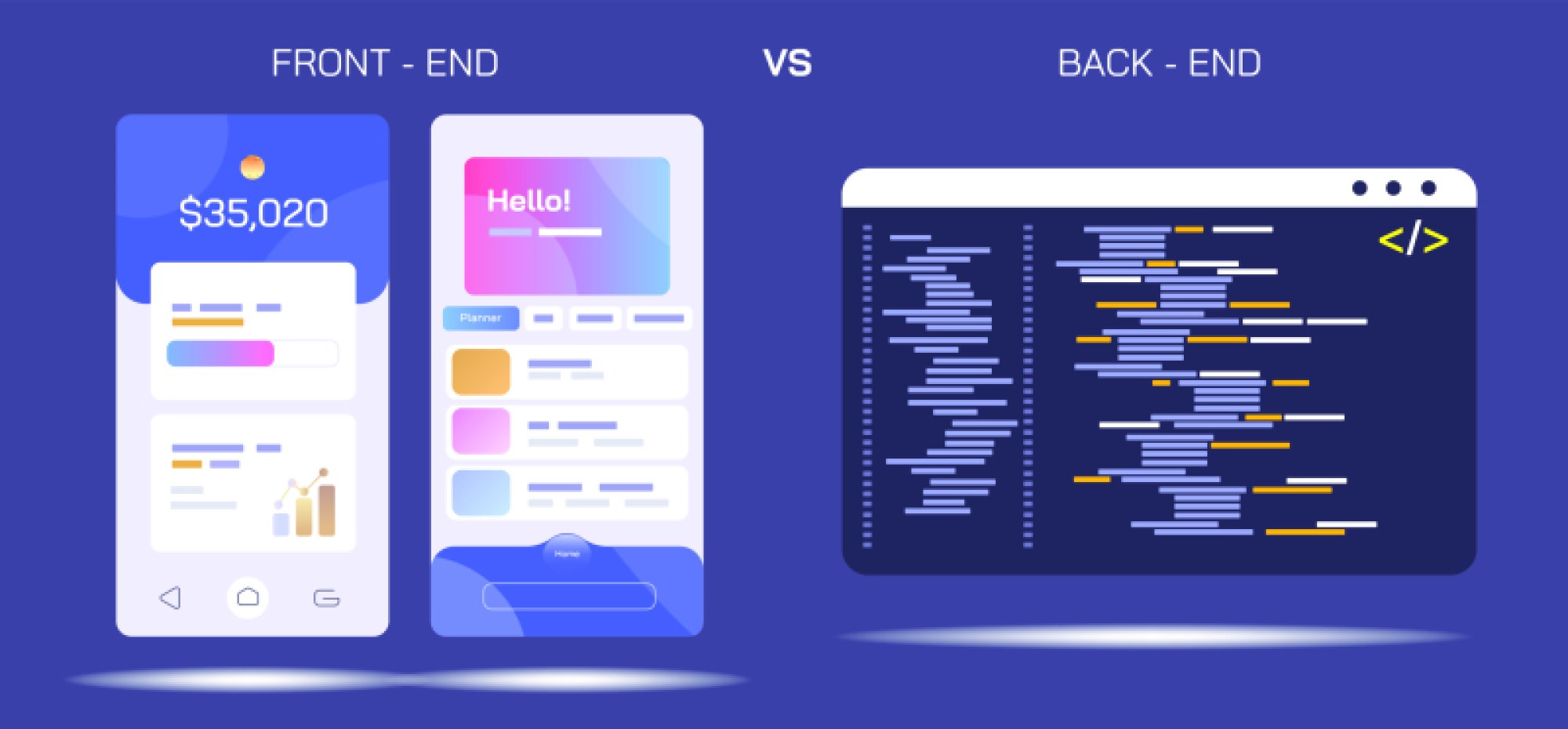
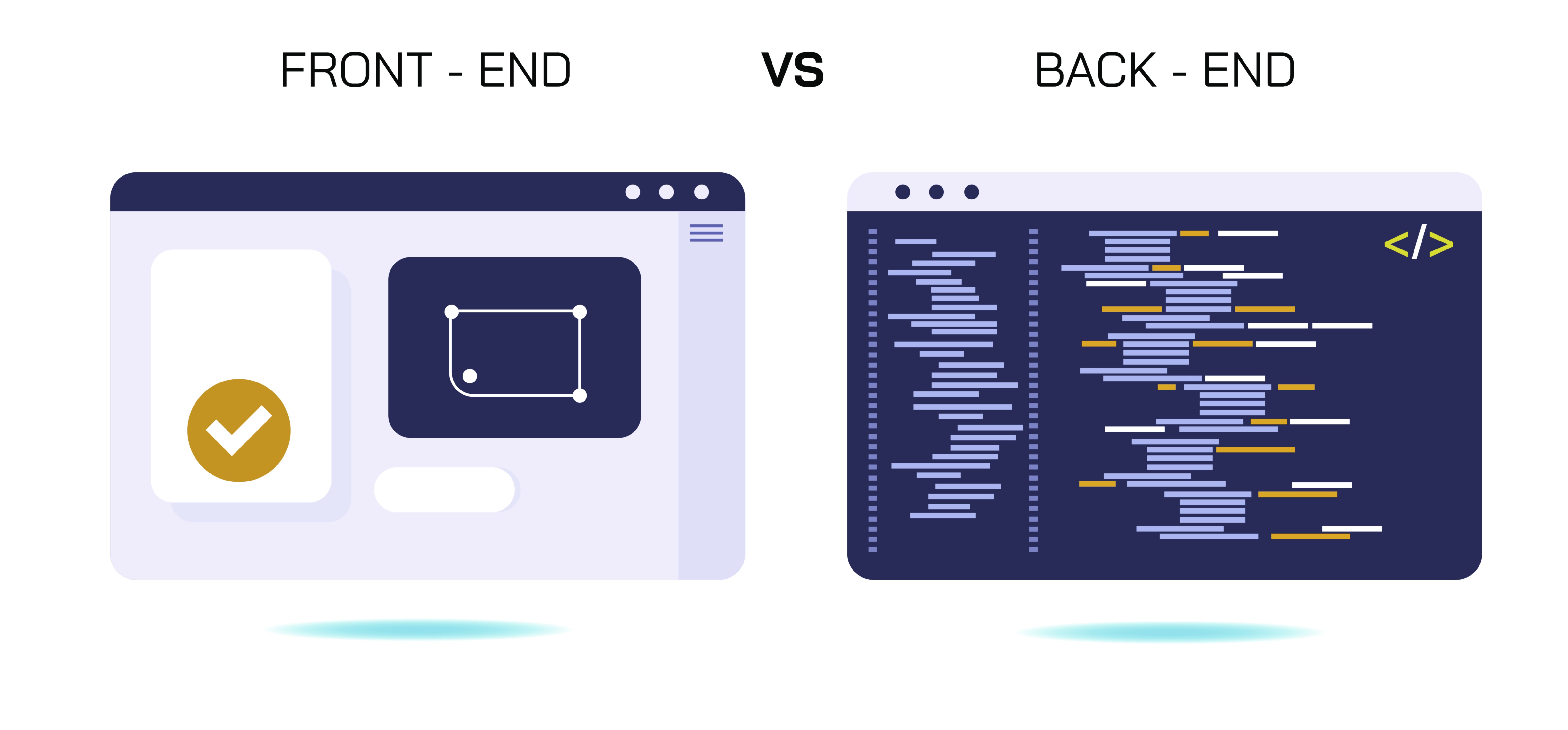
At the most surface level, frontend work focuses on everything a user can directly see, touch, hear, or interact with through a digital interface. It involves turning conceptual designs—such as layout sketches, wireframes, or UI prototypes—into functional, interactive components that users can intuitively navigate. A frontend developer translates visual and behavioral expectations into code that browsers render as structured pages, dynamic elements, animations, transitions, and reactive features. Their work determines how an application feels in the hands of a user: its clarity, smoothness, accessibility, responsiveness, and aesthetic quality. But beyond appearance, the frontend layer handles user input, processes interactions, communicates with backend systems through APIs, manages temporary data within the browser, and adapts the interface to different devices and screen sizes. This blend of design sensitivity and technical execution gives frontend its dual identity—part artistic, part logical—where the goal is to bridge human behavior with programmatic structure.
The frontend also deals with one of the biggest challenges in programming: ensuring that diverse devices, browsers, networks, and user conditions all produce a consistent experience. The same interface must work on desktops, laptops, tablets, and phones, each with varied screen sizes, processing capabilities, network speeds, and accessibility requirements. Frontend developers need to understand layout responsiveness, browser rendering engines, accessibility guidelines, semantic structuring, performance optimization, caching, and internationalization. They must ensure that a button reacts instantly when clicked, that a form validates inputs smoothly, that images load efficiently, and that content remains readable and usable under all conditions. This requires mastery of languages like HTML, CSS, and JavaScript, along with frameworks that structure modern interfaces in scalable ways. But beneath the technical details, the essence of frontend development lies in crafting an environment where users feel in control, confident, oriented, and supported as they navigate the application.
While the frontend serves as the user-facing layer, backend work handles the internal foundation that powers everything behind the scenes. It focuses on how data is stored, processed, secured, and delivered to the frontend. Backend developers operate in the domain of logic, algorithms, server behavior, system architecture, database design, authentication processes, and resource management. Whereas frontend developers ensure that a user can click a “Sign Up” button and fill out a registration form, backend developers ensure that the information is properly validated, securely stored, and processed according to the application’s rules. They build APIs that accept requests, retrieve data from databases, send structured responses back to the frontend, enforce security protocols, handle permissions and roles, track system events, and maintain the reliability of the entire system.
The backend world encompasses server environments, virtualization, cloud infrastructure, load balancing, data caching, logging, monitoring, and error recovery. It ensures that every request is processed efficiently, that data remains consistent even when accessed by many users simultaneously, and that sensitive information is protected against attacks. Backend developers think in terms of data models, business logic, concurrency control, server performance, and scalability. They write code that lives on servers rather than in a user’s browser, and this code forms the brain of an application—its reasoning, decision-making, and long-term memory. If a frontend is the face of a digital product, the backend is its nervous system and internal organs, keeping everything functioning beneath the surface.
One of the deepest differences between frontend and backend work lies in the environments in which they operate. Frontend code executes on the client’s browser, meaning it must contend with unpredictable conditions, such as outdated devices, inconsistent network connections, slow processors, or disabled features. Backend code runs on controlled servers or cloud platforms, where developers can optimize performance, enforce consistency, and maintain strict security measures. This difference shapes the mindset required for each role: frontend developers anticipate variability and user-centric challenges, while backend developers build stable, structured systems that respond consistently under pressure.
The two domains also differ in how they handle data. In the frontend, data often exists temporarily, used to display user-interface elements or allow interactions like filling out forms, navigating pages, or customizing settings. This data lives in memory within the browser and disappears when the session ends unless stored locally. In the backend, data is persistent, forming long-term records in databases that track user accounts, transactions, messages, inventories, documents, analytics, and other structured information. Backend developers design models that organize this data, determine relationships between records, and enforce rules that maintain accuracy. They use databases—both relational and non-relational—to ensure that data remains organized, accessible, and secure. Thus, the frontend manages the presentation of information while the backend manages the preservation of information.
Another conceptual difference lies in each layer’s approach to logic. Frontend logic is often reactive: it responds to events triggered by the user, such as clicks, scrolling, typing, or gestures. Backend logic is operational: it performs tasks required by the application’s purpose, such as checking whether a username exists, processing payments, generating reports, or applying rules to transactions. Even when both layers use the same programming language, their logic structures differ because their responsibilities differ.
Security is another domain where the distinction becomes clear. The frontend is responsible for preventing harmful input and avoiding unnecessary exposure of sensitive information. However, true security enforcement happens in the backend, where developers validate every request, authenticate users, implement encryption, and protect data storage. Backend work includes monitoring unauthorized attempts, blocking suspicious traffic, handling data privacy, and ensuring compliance with standards. Without strong backend security, even a flawless frontend becomes vulnerable.
Despite their differences, frontend and backend developers must collaborate closely. Modern systems require seamless communication between the layers, typically through APIs. The frontend sends requests; the backend responds with data. The quality of an application depends on how well these two layers communicate, align, and anticipate each other’s needs. The frontend must understand how the backend structures its endpoints, errors, and responses. The backend must understand what the frontend needs to display, trigger, or update. Together, they create a continuous loop of communication, allowing actions and data to move fluidly through the system.
This intersection of roles leads to full-stack development, where a single developer works across both domains, understanding how interfaces connect to server logic and how data flows end-to-end. The full-stack perspective highlights the complementary nature of both roles: frontend focuses on people, backend focuses on processes, and together they generate the complete digital experience.
Ultimately, frontend and backend work in programming and development differ not only in technical responsibilities but also in mindset and purpose. Frontend work interprets human expectations into digital interactions. Backend work transforms those interactions into structured logic and data flow. One layer communicates with humans; the other communicates with machines. One shapes the experience; the other shapes the system. Both are essential, interconnected, and inseparable in creating the seamless digital products we use every day. Through a detailed conceptual understanding of these roles, the architecture of modern programming becomes clearer: it is a collaboration between the art of presentation and the science of computation, united in building functional, dynamic, and meaningful technological experiences.