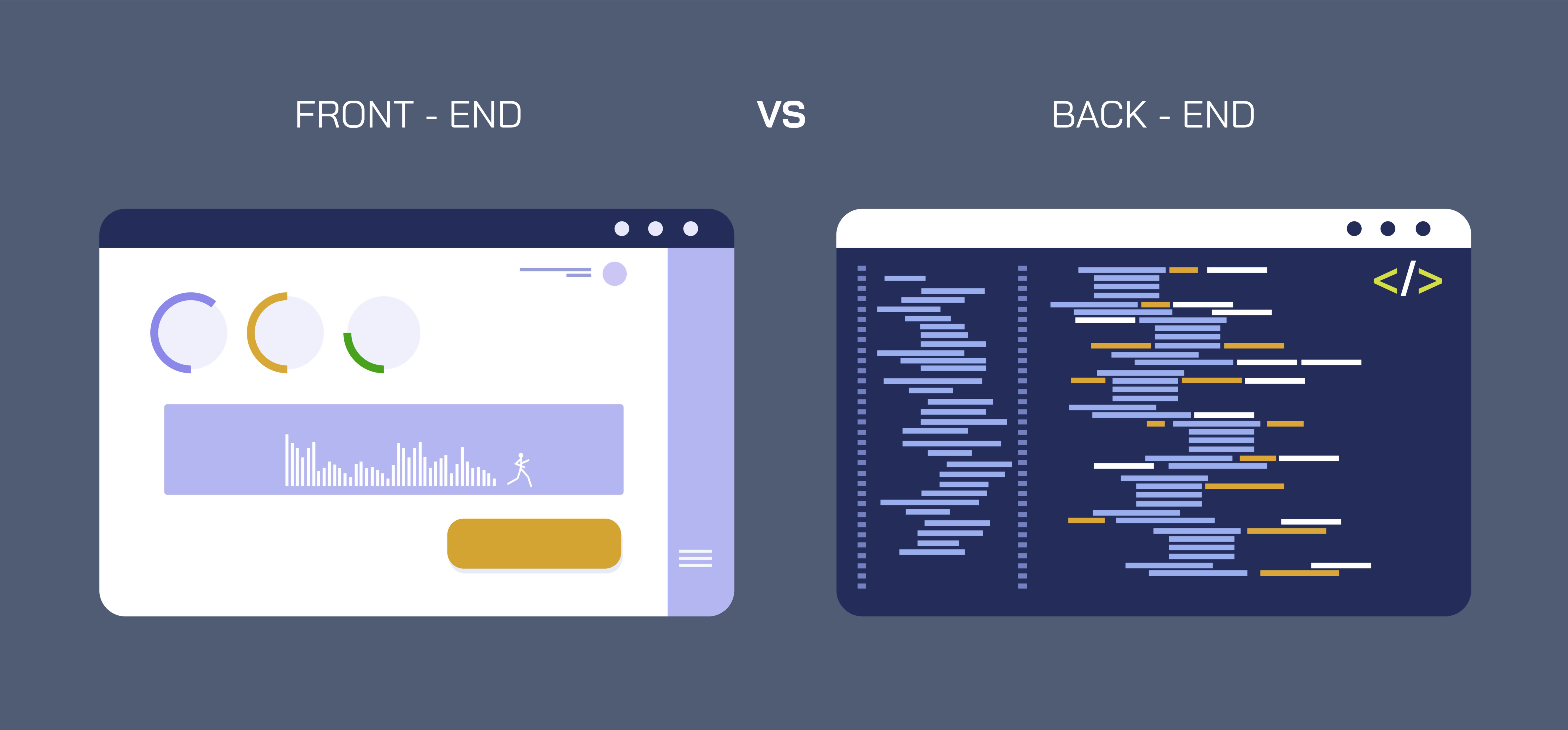
Frontend vs Backend Comparison — Web Development Roles, Technologies, and Responsibilities
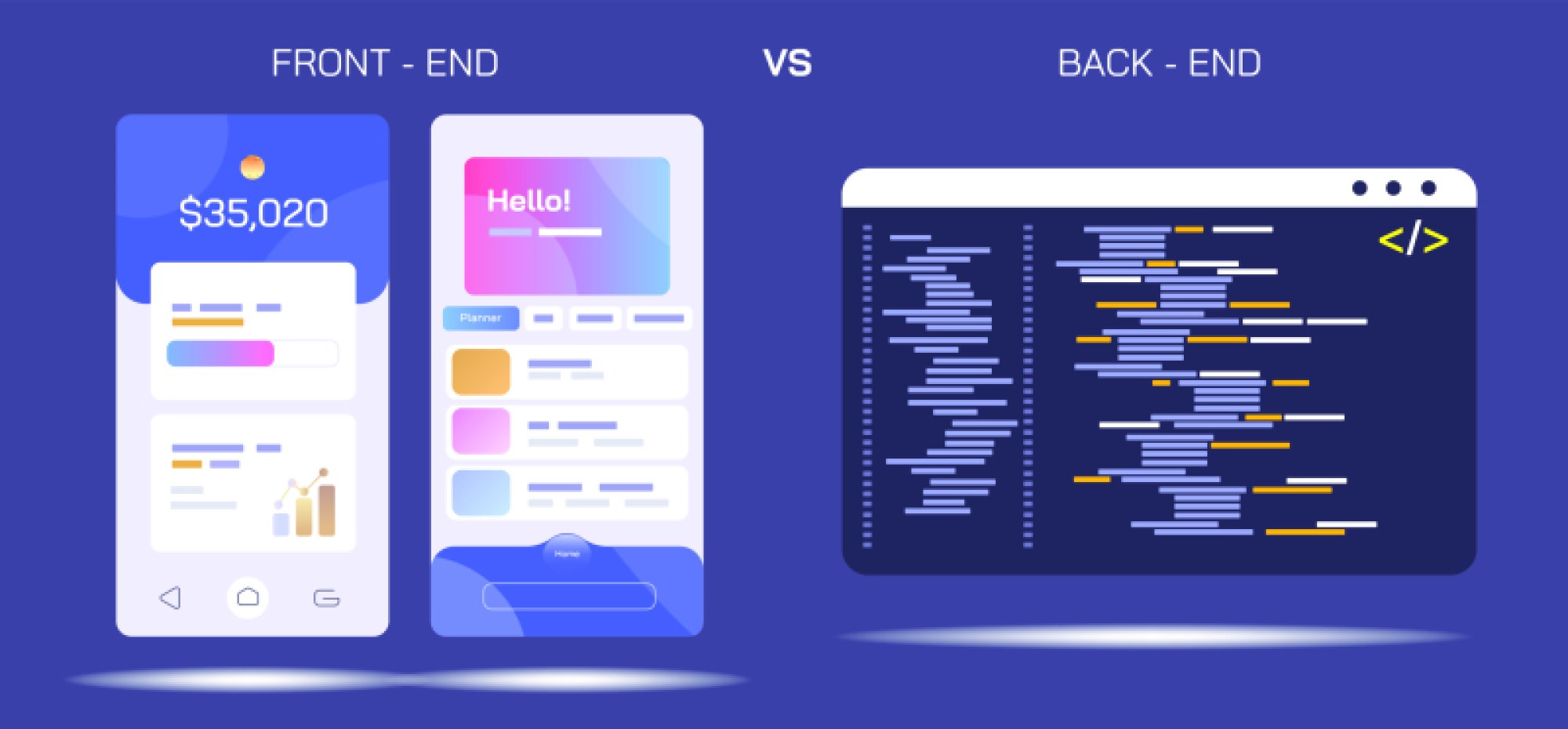
In the world of web development, the contrast between frontend and backend reveals how two different areas of expertise collaborate to build digital experiences that users interact with every day. A modern website or web application is not simply a collection of visual components nor solely a system of computations happening behind the scenes; rather, it is a seamless fusion of design, structure, logic, and data connectivity. The frontend represents the client-facing portion of a digital product — the interface that users see, touch, and interact with directly through screens, buttons, forms, and animations. The backend represents everything that happens underneath the surface to make that interface functional, responsive, secure, and integrated with real-time information. Understanding how these two areas relate to one another is essential not only for aspiring developers but also for businesses, product designers, and learners who want to appreciate how digital infrastructure is built and maintained at scale. Even though both domains work toward a single goal — building reliable and engaging digital experiences — their approaches, tools, environments, and development challenges differ significantly.
The frontend focuses on the browser environment where all interactions with users take place. This area of development emphasizes visuals, design translation, accessibility, responsiveness, and performance on the client side. Every button click, dropdown menu, hover animation, or page transition is the result of careful frontend implementation. The structure of a webpage is built with HTML, its appearance shaped using CSS, and its dynamic behavior and interactivity programmed using JavaScript. Modern frontend development goes beyond static screen layouts and requires adaptation across devices ranging from phones to laptops, tablets, smart TVs, and even embedded displays inside vehicles and appliances. A frontend developer must interpret design mockups provided by UI/UX teams and transform them into fully functional, accessible screen experiences while ensuring fast load times and smooth performance. They must also develop an intuitive interaction logic so that users can navigate and accomplish tasks effortlessly. Frontend architecture often involves component-based approaches, where UI sections are broken into reusable blocks using frameworks such as React, Angular, and Vue. These tools allow developers to construct complex, interactive applications that respond to real-time user input, load data on demand, and update content without requiring full page reloads.
The backend takes responsibility for powering everything that frontend systems depend on. When a user logs in, posts a comment, purchases a product, loads analytics, or saves a document, the backend receives that request, processes the logic, interacts with databases, and returns the required response. Backend developers build and maintain application logic, data storage systems, server processes, user authentication, and APIs that connect application functions together. They work in environments that are not visible to end users but are fundamental for functionality and security. Popular backend programming languages include Python, Java, JavaScript (Node.js), PHP, Ruby, C#, and Go, each offering strengths for different types of applications. Databases are a core element of backend systems because applications need ways to store and retrieve information efficiently. Relational databases such as MySQL and PostgreSQL are widely used when structured data storage and relationships are required, while NoSQL databases like MongoDB or Redis are preferred in scenarios requiring flexibility, scalability, or distributed computing. Backend development also oversees security features such as encryption, authentication systems like OAuth, and measures protecting applications from threats such as SQL injection, cross-site scripting, or unauthorized access.
Although frontend and backend have different focus areas, they do not operate independently. Instead, they communicate constantly using web APIs, typically through standards such as REST or GraphQL. When a user interacts with a frontend form or interface element, the frontend sends a request to the backend, where validation and processing occur before a response is sent back. This back-and-forth exchange determines whether pages update instantly, whether interfaces feel smooth and intuitive, and whether user actions translate into meaningful outputs. The better frontend and backend communicate with each other, the more seamless and reliable the web application becomes. Performance and scalability also depend on both sides: frontend efficiency ensures quick rendering and loading times, while backend architecture ensures that heavy traffic, large datasets, and complex business logic remain responsive and stable.
Roles and responsibilities in these two domains reflect their unique characteristics. A frontend developer emphasizes UI/UX translation into code, cross-browser compatibility, mobile responsiveness, performance optimization, and accessibility compliance for users with disabilities. They must also be familiar with version control systems like Git, build tools such as Webpack or Vite, and testing frameworks that ensure visual consistency and interaction accuracy. On the backend side, responsibilities include designing scalable server-side functionality, structuring databases, protecting sensitive information, handling authentication and authorization, integrating external services, and maintaining deployment environments across cloud platforms such as AWS, Azure, or Google Cloud. Backend developers monitor performance, memory usage, and server load to ensure high reliability, particularly in applications that serve large volumes of users.
The evolution of web development has also produced a hybrid role: the full-stack developer. Full-stack professionals possess the capability to work on both frontend and backend, enabling them to build complete features autonomously from interface to database logic. Full-stack development can accelerate prototyping and problem solving in small teams or startups where engineers oversee multiple stages of the project. However, at enterprise scale, the distinction between frontend and backend often remains pronounced because complex applications require deep specialization in each area to achieve top-tier results. As digital systems grow more sophisticated, both domains continue to expand, requiring constant learning to keep up with shifting frameworks, cloud services, user interface paradigms, browser standards, and security best practices.
The differences between frontend and backend become especially clear when looking at how each environment approaches problem solving. A frontend issue might focus on whether a layout breaks on smaller screens, why an animation runs too slowly, or how to make navigation more intuitive. A backend issue might involve optimizing database queries, improving response time under heavy load, or enhancing cybersecurity measures to protect user data. Both areas demand creativity and logic but apply them to different types of challenges — one focused on human interaction, the other on computational efficiency. Because they work together to form a single system, communication and collaboration between frontend and backend teams are essential. Well-defined API contracts, documentation, consistent data structures, and shared development methodologies ensure that both sides work toward the same goal rather than building features in isolation.
Understanding the comparison between frontend and backend provides valuable perspective not only for aspiring developers but for anyone interested in digital product development. The responsiveness of a mobile app, the security of online transactions, the fluidity of game interfaces, and the stability of cloud-based services all depend on the combined strength of these two areas. Frontend channels creativity, design instincts, empathy for user needs, and performance tuning in the browser. Backend channels logic, algorithms, data science, and large-scale infrastructure management behind the scenes. Together, they create digital experiences that seem effortless for users, even though they are supported by highly complex engineering beneath the surface. This duality reflects the essence of web development — a complete ecosystem where visible interaction and hidden machinery operate in harmony to build the technology that shapes modern life.