Copper Sulfate — Inorganic Chemical Salt
Copper sulfate is one of the most important, versatile, and widely recognized inorganic salts, distinguished by its vivid blue color, diverse chemical behavior, and extensive applications across agriculture, industry, environmental science, biology, and materials research. It exists in several hydration states, the most common being the bright blue pentahydrate form, which has long served as a symbol of classical inorganic chemistry. Its striking appearance, ease of handling, and rich reactivity profile make copper sulfate both a practical industrial compound and an essential educational material for demonstrating chemical principles such as crystallization, hydration, precipitation, redox transformations, and coordination chemistry. Far beyond the laboratory, copper sulfate plays functional roles in controlling biological growth, treating water systems, supporting metal finishing operations, and contributing to scientific experimentation. Its adaptability and responsiveness to environmental conditions make it an ideal compound for showcasing how inorganic salts behave in the presence of different ions, temperatures, ligands, and chemical environments.
One of the most iconic features of copper sulfate is its intense blue coloration, which arises from the coordination of water molecules around the copper ions in the pentahydrate form. This hydration environment influences the arrangement of electrons within the copper ion’s d-orbitals, altering the wavelengths of light the compound absorbs and reflects. Even slight changes in the surrounding ligands—whether water, ammonia, chloride, or organic molecules—can dramatically shift the compound’s color, demonstrating how sensitive transition metal complexes are to ligand interactions. When copper sulfate crystals are gently heated, the compound releases its bound water in stages, transitioning from blue through paler shades and eventually becoming a white or grayish anhydrous form. This change in color illustrates the principle of hydration and dehydration in inorganic compounds and offers an accessible way for students to observe chemical transformation with clear visual signals. Reintroducing water to the anhydrous form restores the vivid blue hue, providing a reversible demonstration of coordination chemistry and the influence of solvent interactions on compound identity.
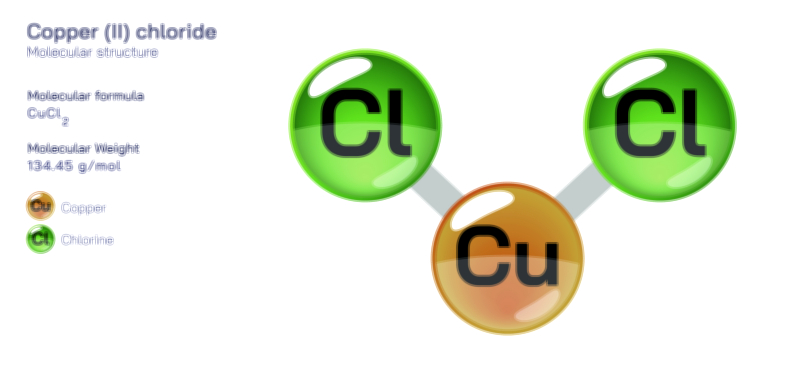
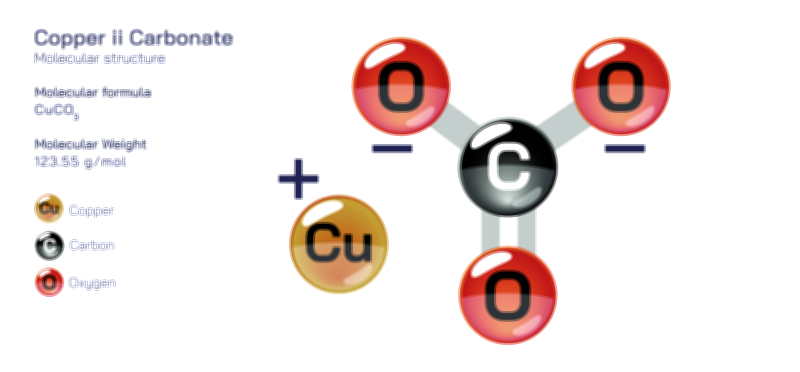
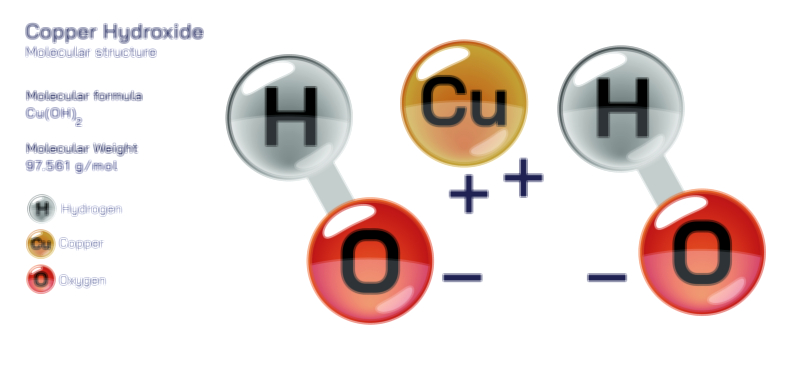
Chemically, copper sulfate is composed of copper ions in the +2 oxidation state paired with sulfate anions, forming a stable ionic network. In aqueous solution, this ionic lattice dissolves, releasing freely solvated copper ions that participate actively in a variety of reactions. These copper ions can form complex ions with ligands such as ammonia, chloride, or carbonate, and the resulting complexes often express distinct colors. For example, the deep blue complex formed with ammonia reflects strong ligand–metal interactions and serves as a hallmark demonstration of complex ion formation. These reactions highlight principles of equilibrium, ligand exchange, and coordination geometry, offering a clear glimpse into how transition metals interact with their surrounding molecules. Copper sulfate solutions also participate in precipitation reactions, producing characteristic compounds such as copper hydroxide or copper carbonate when exposed to corresponding anions. These transformations help illustrate solubility rules, ion exchange processes, and the relationship between pH and compound stability.
Among its many real-world applications, copper sulfate is perhaps most widely known for its use as a fungicide, algaecide, and pest control agent. In agriculture, it serves as an active ingredient in formulations designed to protect crops from fungal diseases, especially in vineyards, orchards, and vegetable production. One of the most famous formulations, Bordeaux mixture, combines copper sulfate with lime to create a protective coating that prevents fungal spores from germinating on plant surfaces. The antimicrobial activity of copper sulfate arises from copper’s ability to disrupt enzymatic processes, protein structures, and cellular membranes in microorganisms. When used responsibly, it can control a wide range of plant pathogens, though environmental considerations require careful management to prevent excessive accumulation of copper in soil. Similarly, in water systems, copper sulfate is used to manage algae growth in reservoirs, ponds, and irrigation channels. Its effectiveness in disrupting algal metabolism helps maintain water clarity and prevent harmful blooms, but ecological sensitivity is essential to avoid unintended effects on aquatic species.
In industry, copper sulfate plays a role in metal finishing, electroplating, and chemical manufacturing. During electroplating, copper sulfate acts as a reliable source of copper ions that deposit onto conductive surfaces when an electric current is applied. This process creates smooth, uniform copper coatings used in electronics, decorative items, and corrosion-resistant layers. In this context, the predictable behavior of copper sulfate in solution makes it ideal for controlling deposition rates, maintaining consistent ion availability, and producing high-quality metallic finishes. Additionally, copper sulfate serves as a catalyst or reactant in various organic and inorganic synthesis processes. Its ability to participate in oxidation and substitution reactions enables chemists to use it in fabric dyeing, wood preservation, and the production of pigments. Historically, copper sulfate contributed to blue and green pigments used in ceramics, textiles, and paints, although modern formulations now rely on more stable alternatives.
In environmental science, copper sulfate’s reactivity and mobility in water raise important considerations. While copper is an essential micronutrient for plants, animals, and microorganisms, excessive amounts can become toxic. Copper sulfate introduced into soils or aquatic ecosystems can accumulate over time and affect root development, microbial populations, and aquatic organisms. Understanding its solubility, complexation behavior, and how it interacts with organic matter and minerals is therefore crucial for evaluating environmental risks. Copper ions can bind strongly to soil particles, organic materials, and sediments, influencing their availability and transport. In many environmental remediation efforts, careful monitoring of copper sulfate use helps maintain balance between its beneficial applications and potential ecological impact. This duality reflects a broader theme in chemistry: substances that serve useful roles at certain concentrations can become harmful when mismanaged, illustrating the importance of environmental responsibility in chemical applications.
Copper sulfate also plays an interesting role in biological and biochemical contexts. At the cellular level, copper ions serve as cofactors for important enzymes involved in electron transport, catalytic reactions, and metabolic regulation. Copper sulfate is frequently used in laboratory experiments to study these biochemical pathways or to probe the effects of metal ions on biological systems. For example, it can be used in protein assays that capitalize on copper’s ability to form colored complexes with peptide bonds, enabling researchers to quantify protein concentrations. However, because copper can also induce oxidative stress when present in excessive amounts, studies involving copper sulfate help reveal how cells manage metal ions, control redox environments, and maintain metabolic balance. This makes copper sulfate relevant not only in inorganic chemistry but in fields such as biochemistry, toxicology, and molecular biology.
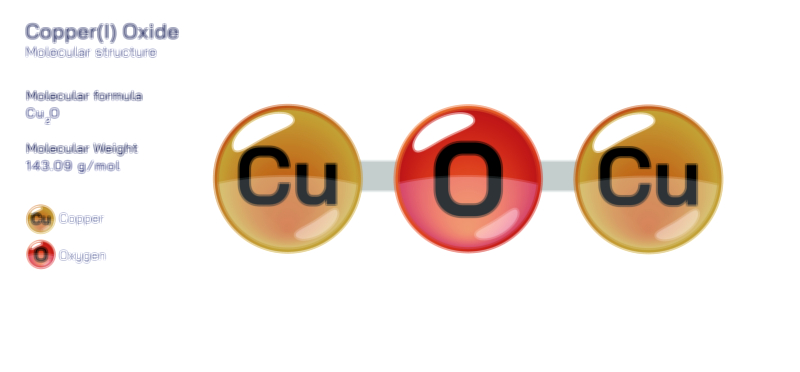
In materials science, copper sulfate continues to provide valuable pathways for synthesizing advanced materials. It can serve as a precursor to copper oxides, copper nanoparticles, and mixed-metal composites. Through controlled heating or reduction processes, copper sulfate transforms into copper oxide, which has growing applications in catalysts, semiconductors, sensors, and antimicrobial coatings. In nanoparticle synthesis, copper sulfate provides a reliable copper source that undergoes reduction under carefully controlled conditions, producing nanoscale materials with unique electronic, optical, or catalytic properties. By modifying reaction conditions—temperature, pH, reducing agent, stabilizers—scientists can tailor particle size, shape, and surface characteristics. These advanced uses reflect how a traditional inorganic salt can continue to contribute to cutting-edge technologies and research.
Educationally, copper sulfate remains one of the most important compounds used to teach fundamental principles of chemistry. Its brilliant crystals serve as prime examples of how ionic solids organize into lattice structures. Crystal-growing experiments using copper sulfate provide students with hands-on experience in dissolution, saturation, nucleation, and growth processes. These activities demonstrate how temperature, evaporation rate, and concentration influence crystal morphology. Copper sulfate also participates in classic displacement reactions, such as when an iron object is placed in copper sulfate solution and becomes coated with metallic copper. This demonstration visually captures redox principles and shows how a more reactive metal displaces a less reactive one, forming new products. The clear visual transformation from blue solution to deposited copper helps students understand electron transfer on a tangible level. Because of its varied colors, reversible hydration behavior, and broad reactivity, copper sulfate is a staple compound in academic settings, serving as an accessible window into deeper chemical ideas.
Copper sulfate has also been deeply entwined with human craft, art, and cultural heritage. Historically, copper compounds formed some of the earliest pigments used in ancient art and decoration. Though copper sulfate itself was not the primary historical pigment, it often played a role in producing precursor materials or interacting with other copper salts to create colored compounds. Its blue crystals were sometimes incorporated into mixtures for coloring textiles, ceramics, or glass. The connection between copper sulfate and human artistry persists today through its role in understanding pigment degradation, conservation science, and the chemistry of historical artifacts. Conservators studying the aging of artworks observe how copper salts interact with environmental conditions, leading to patina formation, mineral transformations, or color shifts. Copper sulfate serves as a reference point in understanding these processes and developing preservation strategies.
A less visible but equally important aspect of copper sulfate’s significance lies in its conceptual role in chemistry. It embodies the foundational ideas of ionic bonding, solubility, hydration, coordination, and redox behavior. It illustrates how a compound can change dramatically with variations in temperature, water content, or surrounding ligands. It demonstrates how an inorganic salt can influence biological pathways, environmental systems, industrial outputs, and educational demonstrations. Copper sulfate represents the interconnectedness of chemistry, revealing how a single substance can traverse natural, synthetic, biological, structural, and environmental domains. Its behavior reflects the deeper laws that govern material properties: how ions interact, how structures form, how energy flows, and how matter transforms under different conditions.
Ultimately, copper sulfate stands as a vivid, multifaceted example of inorganic chemistry in action. Whether crystallizing in brilliant blue forms, catalyzing industrial reactions, protecting crops, aiding scientific tests, shaping materials, or illustrating chemical principles in classrooms, it serves as a bridge between fundamental science and real-world application. Its ability to adapt to changing chemical environments, its broad influence across disciplines, and its rich historical and modern relevance make copper sulfate not just a simple inorganic salt but a window into the dynamic and interconnected nature of the material world.