Corrosion — Metal Degradation and Oxidation Process
Corrosion is one of the most pervasive, influential, and costly natural processes affecting materials, infrastructure, and technology across the modern world. At its core, corrosion represents the gradual deterioration or degradation of metals through chemical or electrochemical reactions with their surrounding environment. Although it is often described simply as “metal rusting,” corrosion encompasses a vast range of transformations that depend on environmental conditions, material composition, surface characteristics, and the presence of moisture, salts, oxygen, pollutants, and stresses in the material. Corrosion is not merely a surface problem but a complex interplay of atomic-level electron exchanges, environmental variables, and structural vulnerabilities. Its consequences range from aesthetic discoloration to catastrophic failure of bridges, pipelines, ships, vehicles, buildings, industrial equipment, and everyday household objects. Understanding corrosion means understanding the dynamic interaction between metals and their surroundings, revealing how natural forces continually act upon engineered materials and how human ingenuity seeks to mitigate or manage these changes.
The fundamental driving force behind corrosion lies in the natural tendency of metals to return to their more stable, lower-energy chemical states. Most metals used in construction, manufacturing, or engineering exist in refined forms created through energy-intensive processes that extract them from their ores. Once exposed to the environment, these metals tend to revert to oxide, hydroxide, or sulfide forms that resemble the ores from which they were originally derived. This spontaneous drive toward stability occurs through oxidation reactions wherein metal atoms lose electrons and react with environmental elements. The loss of electrons transforms metallic atoms into ions, enabling them to combine with oxygen, water, salts, or other reactive species. This process illustrates why corrosion is inevitable unless actively prevented; it reflects a fundamental principle of nature that seeks to restore equilibrium. In this sense, corrosion is both a chemical necessity and a practical challenge.
Corrosion often begins at the metal’s surface, where exposure to air and moisture sets the stage for deterioration. In many cases, corrosion proceeds through electrochemical mechanisms in which distinct microscopic regions of the metal surface act as anodes and cathodes. At the anode, metal atoms lose electrons, dissolving into their ionic forms, while at the cathode, oxygen or other oxidizing substances consume the electrons released from the anode. Moisture and electrolytes, such as dissolved salts, create pathways for ionic movement, accelerating the process. This electrochemical nature of corrosion is evident in rusting iron, pitting stainless steels, tarnishing copper, or weakening aluminum structures. While the specifics differ among metals, the overarching principle remains the same: corrosion represents an energetic exchange that depends on the metal’s inherent reactivity and the conditions surrounding it.
The severity and form of corrosion depend heavily on environmental conditions. Exposure to humid air promotes uniform surface rust, whereas immersion in saltwater dramatically accelerates corrosion by increasing electrical conductivity and facilitating ion movement. Industrial environments containing sulfur compounds, acidic gases, or chemical pollutants promote aggressive forms of corrosion, leading to rapid degradation of exposed metal structures. Marine environments are particularly corrosive due to the presence of chloride ions, which undermine protective oxide layers on metals like steel, aluminum, and stainless steel. Even natural soil conditions can induce corrosion because moisture content, pH levels, and microbial activity affect how buried metal pipes and foundations deteriorate over time. Understanding these environmental influences allows engineers and material scientists to predict corrosion patterns, select appropriate materials, and design structural systems that withstand long-term exposure.
Corrosion manifests in many forms, each with distinct causes and consequences. Uniform corrosion spreads evenly across a surface and is often predictable, making it easier to manage. More dangerous types include pitting corrosion, where localized attack forms tiny but deep pits that can penetrate metal walls; galvanic corrosion, which arises when two dissimilar metals come into contact in the presence of an electrolyte, causing one metal to corrode faster; and crevice corrosion, which occurs in shielded areas where stagnant moisture promotes aggressive chemical reactions. Stress corrosion and fatigue corrosion occur when metal under mechanical stress experiences accelerated deterioration due to environmental factors, often leading to unexpected structural failures. Intergranular corrosion attacks grain boundaries within metal structures, weakening them internally without visible signs on the surface. Each of these forms reflects a specific combination of chemical, electrochemical, and mechanical interactions that require careful evaluation to prevent serious damage.
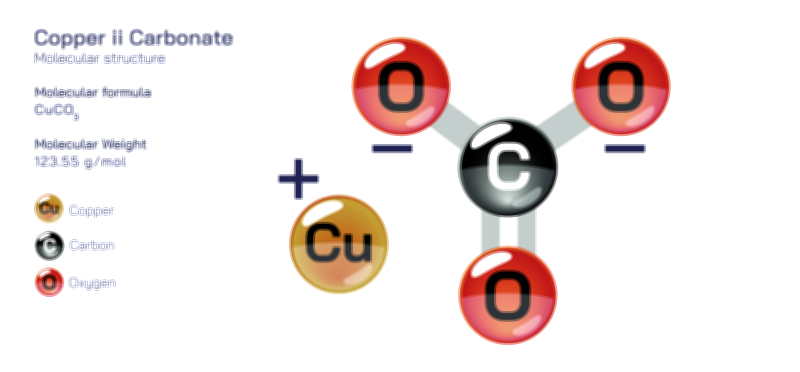
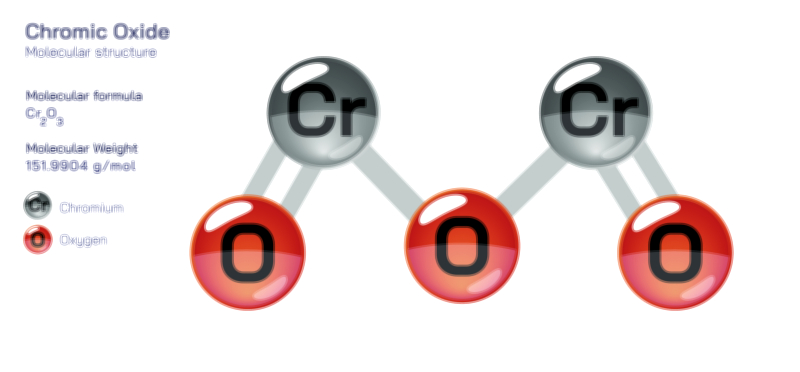
One of the most recognizable examples of corrosion is the rusting of iron and steel. When iron reacts with oxygen and moisture, it forms hydrated iron oxides that flake away from the metal surface, exposing fresh layers to further attack. This leads to progressive deterioration that, if left unchecked, can compromise the strength and safety of structures. Rusting is visible and often dramatic, but its visibility is both an advantage and a warning. Rust indicates active degradation, alerting owners or inspectors to the need for maintenance. Many other metals, however, corrode in more subtle ways. Aluminum forms a thin, protective oxide layer that slows further corrosion but can be compromised in salt-rich conditions. Copper develops a green patina that offers some protection but can be influenced by pollutants. Stainless steel relies on a passive chromium oxide layer, which can break down under chloride-rich environments, leading to pitting. These variations show that corrosion is not always a uniform process but depends on the metal’s chemical properties and environmental context.
Beyond aesthetic problems, corrosion has profound structural and economic implications. Globally, corrosion costs industries and governments billions of dollars annually in repairs, replacements, failures, and protective measures. Pipelines transporting oil, gas, and water require extensive corrosion protection systems because even small breaches can lead to leaks, environmental damage, operational shutdowns, and safety hazards. Bridges must be regularly inspected and maintained to prevent corrosion from weakening steel components that support heavy loads. Corrosion of reinforcing steel within concrete structures poses a significant threat because the expansion of corroded steel induces cracking, spalling, and loss of structural integrity. Ships, offshore platforms, aircraft, chemical storage tanks, and vehicles all face corrosion challenges that must be addressed throughout their service lives. The vast economic impact highlights the importance of understanding corrosion as both a materials problem and a societal one.
Corrosion control strategies reflect centuries of engineering innovation. Protective coatings, such as paints, epoxy layers, galvanization, and polymeric barriers, form physical shields that separate metal surfaces from corrosive environments. Galvanization in particular involves coating steel with a layer of zinc, which serves as a sacrificial metal that corrodes preferentially, preserving the steel beneath. Modern protective systems also include metallic plating, powder coatings, ceramic layers, and advanced nanocoatings that enhance corrosion resistance. Cathodic protection is another widely used method, especially in marine and underground structures. It involves supplying electrons to a metal structure, either through sacrificial anodes or impressed current systems, to prevent the metal itself from losing electrons and corroding. This technique effectively turns entire pipelines, ship hulls, and tanks into cathodes, slowing or preventing corrosion reactions.
Material selection forms another critical aspect of corrosion control. Engineers choose metals and alloys based on expected exposure, mechanical requirements, and cost considerations. Stainless steels, aluminum alloys, copper alloys, and high-performance materials such as titanium are selected for environments where corrosion resistance is essential. Even within a single material group, alloy composition can significantly influence corrosion performance. Chromium, molybdenum, nickel, and other alloying elements enhance resistance to different types of corrosion. Selecting the right alloy for the right environment can prevent failures that would otherwise occur due to inappropriate material use.
Designing structures with corrosion resistance in mind also plays a key role. Engineers incorporate drainage details to prevent water accumulation, avoid crevices that trap moisture, and minimize contact between dissimilar metals to reduce galvanic corrosion. Proper welding, sealing, spacing, and structural geometry help eliminate corrosion-prone zones. In reinforced concrete construction, maintaining adequate clear cover ensures that reinforcing bars remain protected from moisture and corrosive ions. Ventilation systems may be installed to reduce humidity, while coatings and insulation can prevent condensation on metal surfaces. These design considerations demonstrate that corrosion prevention is not only a chemical challenge but an engineering responsibility involving thoughtful planning.
Maintenance and monitoring are indispensable in managing corrosion throughout a structure’s life cycle. Regular inspections identify early signs of corrosion before they lead to severe damage. Techniques such as visual examination, ultrasonic testing, radiography, thermography, and electrochemical measurements help assess the condition of metal surfaces, welds, hidden components, and reinforcement embedded in concrete. Preventive maintenance, including cleaning, recoating, repairing protective systems, and replacing damaged components, extends the lifespan of structures and equipment. Corrosion monitoring systems, such as sensors embedded in pipelines or reinforced concrete, provide real-time data to prevent failures. This ongoing vigilance reflects the reality that corrosion cannot be completely eliminated but can be controlled through proactive efforts.
Environmental and safety considerations also shape corrosion management. The degradation of metal infrastructure can lead to leaks of hazardous chemicals, contamination of water supplies, or structural collapses that endanger lives. Marine corrosion threatens ships and offshore platforms, where structural failures can have catastrophic consequences. Corrosion in industrial plants may release toxic substances or compromise tanks containing flammable materials. Because corrosion contributes to environmental degradation, safety hazards, and economic losses, governments and regulatory bodies enforce standards for corrosion protection in industries ranging from transportation to water supply systems. These regulations ensure that corrosion prevention is treated as a matter of public welfare, not merely technical preference.
Recent developments in corrosion science emphasize sustainability and advanced materials. High-performance coatings with self-healing properties, corrosion-resistant composites, and environmentally friendly inhibitors reflect the shift toward greener corrosion control technologies. Nanomaterials offer promising improvements in protective behavior by creating dense, uniform layers that block oxygen and moisture more effectively. Researchers study microbial-induced corrosion, which affects underground pipelines and wastewater systems, to develop advanced biochemical solutions. These innovations show that corrosion science continues to evolve, adapting to modern needs and environmental priorities.
Ultimately, corrosion represents a profound intersection between natural chemistry and human engineering. It is a reminder that all materials exist within dynamic environments where forces act continuously, seeking equilibrium. Corrosion challenges engineers to design structures that endure, to maintain safety, and to manage materials responsibly over their full lifespan. Through careful analysis, material selection, protective systems, and ongoing maintenance, society can mitigate corrosion’s impact while embracing the scientific understanding of why metals degrade in the first place. The study and management of corrosion illuminate both the vulnerabilities of engineered materials and the ingenuity required to protect the structures that support modern civilization.