Cetirizine — Antihistamine Medical Compound
Cetirizine is a widely used antihistamine medical compound recognized for its effectiveness in relieving symptoms associated with allergic reactions, including sneezing, itching, watery eyes, runny nose, and certain forms of skin irritation. Although it is often taken casually as an over-the-counter remedy, cetirizine represents a significant advancement in pharmaceutical science because it was designed to target the body’s histamine pathways with greater precision and fewer sedative effects than older antihistamine drugs. Understanding cetirizine requires exploring not only its medical purpose but also the biological mechanisms behind allergic responses, the way this compound interacts with receptors in the body, and why it has become one of the most recommended medications for allergic conditions worldwide. Its role extends from seasonal allergies to chronic skin disorders, making it a cornerstone in modern allergy management.
Allergic reactions begin when the immune system mistakenly identifies harmless substances—such as pollen, dust mites, pet dander, or certain foods—as threats. In response, the body releases histamine, a natural chemical that helps coordinate inflammatory reactions. Histamine binds to specific receptors on cells found in the nose, eyes, skin, and respiratory pathways, triggering symptoms such as swelling, redness, itching, and increased mucus production. Cetirizine works by blocking these histamine receptors, preventing histamine from attaching and activating them. This inhibition does not stop histamine from being produced but stops the body from responding to it, resulting in relief from allergic symptoms. The effectiveness of cetirizine lies in its ability to remain selective for these receptors without crossing deeply into the brain, which helps reduce the drowsiness commonly associated with earlier antihistamines.
One of the reasons cetirizine has become a preferred medication is its predictable absorption and long-lasting effect. After ingestion, it is absorbed through the digestive system and begins working within an hour for most individuals. Its sustained activity throughout the day allows it to be taken once daily, offering convenience for those with chronic allergies or recurring symptoms. The drug's ability to maintain steady concentrations in the bloodstream makes it useful not only for sudden allergy flare-ups but also for prevention. Individuals who experience seasonal allergies often take cetirizine throughout high-pollen periods to reduce the severity of symptoms before they emerge. Its reliable duration of action also makes it valuable for managing chronic skin conditions such as hives, where histamine plays a central role in causing redness, itching, and raised areas on the skin.
Cetirizine’s benefits extend into respiratory health as well. Allergies affecting the nose and lungs can worsen symptoms of asthma or other breathing disorders. By minimizing histamine-driven inflammation in the nasal passages and upper airway, cetirizine indirectly supports clearer breathing and reduces the overall irritation that can trigger respiratory discomfort. While it is not considered a primary treatment for asthma, its ability to reduce allergic triggers makes it part of a broader plan for individuals whose asthma is aggravated by allergens. Doctors often recommend cetirizine during allergy seasons to help reduce complications that arise when allergic inflammation overlaps with existing respiratory conditions.
In dermatology, cetirizine is frequently used to treat chronic urticaria, a condition characterized by persistent or recurring hives. These itchy welts appear on the skin due to excessive activation of histamine receptors in the skin’s surface tissues. Cetirizine helps manage this condition by reducing the impact of histamine and lowering the frequency and severity of flare-ups. In many individuals, daily cetirizine use keeps symptoms under control, making it easier to maintain quality of life, sleep comfortably, and avoid constant discomfort. Some healthcare providers also use cetirizine as part of treatment strategies for eczema-related itching or other inflammatory skin reactions where histamine is a contributing factor.
Another important advantage of cetirizine is that it belongs to the class of “second-generation” antihistamines, which were specifically developed to minimize sedation. Earlier antihistamines, often called first-generation antihistamines, easily crossed into the brain and interfered with neural pathways, causing significant drowsiness. This made them less suitable for daytime use or for activities requiring alertness. Cetirizine, in contrast, has a reduced ability to cross the blood–brain barrier, meaning its action remains concentrated in the peripheral areas of the body where allergic symptoms occur. Although some individuals may still experience mild drowsiness, the effect is far less pronounced compared to older medications. This improvement not only increases comfort but also enhances safety, allowing people to go about daily activities without the impairment associated with earlier drugs.
However, like any medication, cetirizine must be used with awareness. Some individuals may experience side effects such as dry mouth, headache, or mild fatigue. While these effects are usually minimal, they highlight the importance of understanding how the body responds to medication. In rare cases, individuals may have sensitivity to cetirizine or experience interactions with other medications. This is why healthcare providers sometimes adjust dosages for children, older adults, or individuals with liver or kidney conditions. Such adjustments ensure the medication is processed properly and maintains its therapeutic benefits without strain on the body. Despite these considerations, cetirizine remains one of the safest and most well-tolerated antihistamines available.
Cetirizine’s widespread use also reflects the increasing prevalence of allergies worldwide. Environmental changes, lifestyle factors, urban pollution, and genetic predispositions have all contributed to rising rates of seasonal and chronic allergies. In this context, cetirizine serves as a reliable and accessible treatment that empowers individuals to manage symptoms without significant disruption to their daily routines. Its availability in tablet, liquid, and chewable forms makes it suitable for children and adults, and its long history of use provides a strong foundation of medical confidence. Many people rely on cetirizine throughout the year, not only during spring or autumn but also in environments where dust, mold, or pet dander are persistent triggers.
The compound also plays a significant role in preventive care. For example, individuals with known allergy sensitivities may take cetirizine before exposure to environments rich in allergens, such as parks during high-pollen days or homes with pets. By reducing histamine receptor activity ahead of time, the medication limits the severity of allergic responses, allowing individuals to participate more comfortably in daily life. This preventive use demonstrates how antihistamines like cetirizine are not confined to reactive treatment but serve as proactive tools in allergy management.
In the broader landscape of medicine, cetirizine represents the evolution of targeted pharmacology. Its development was a response to the need for allergy medications that provided relief without the burden of sedation. By designing molecules that selectively interact with specific receptors, researchers created a drug that is both potent and gentle in its action. This achievement not only advanced allergy care but also paved the way for continued innovation in antihistamine research. As newer compounds emerge, cetirizine remains a benchmark—valued for its balance of effectiveness, safety, and convenience.
Finally, cetirizine’s impact extends beyond symptom control. It supports sleep quality indirectly by reducing nighttime itching, nasal congestion, or sneezing that can interfere with rest. It improves productivity and daily functioning for individuals affected by environmental allergens or chronic skin conditions. It plays a role in pediatric care, offering relief for children with nasal allergies or recurrent hives. And most importantly, it enhances the overall well-being of millions of people by enabling them to live more comfortably in environments rich with natural and artificial allergens.
In essence, cetirizine embodies the intersection of biology, chemistry, and clinical need. It is a compound designed with purpose, refined through science, and embraced in medicine for its ability to ease the body’s overreactions to harmless substances. Through its action on histamine pathways, cetirizine restores comfort, reduces inflammation, and supports the balance that allergies disrupt. Understanding this medication means appreciating the delicate workings of the immune system, the complexity of allergic responses, and the precision required to manage symptoms while minimizing side effects. It stands as a clear example of how thoughtful pharmaceutical design can transform daily life for countless individuals around the world.
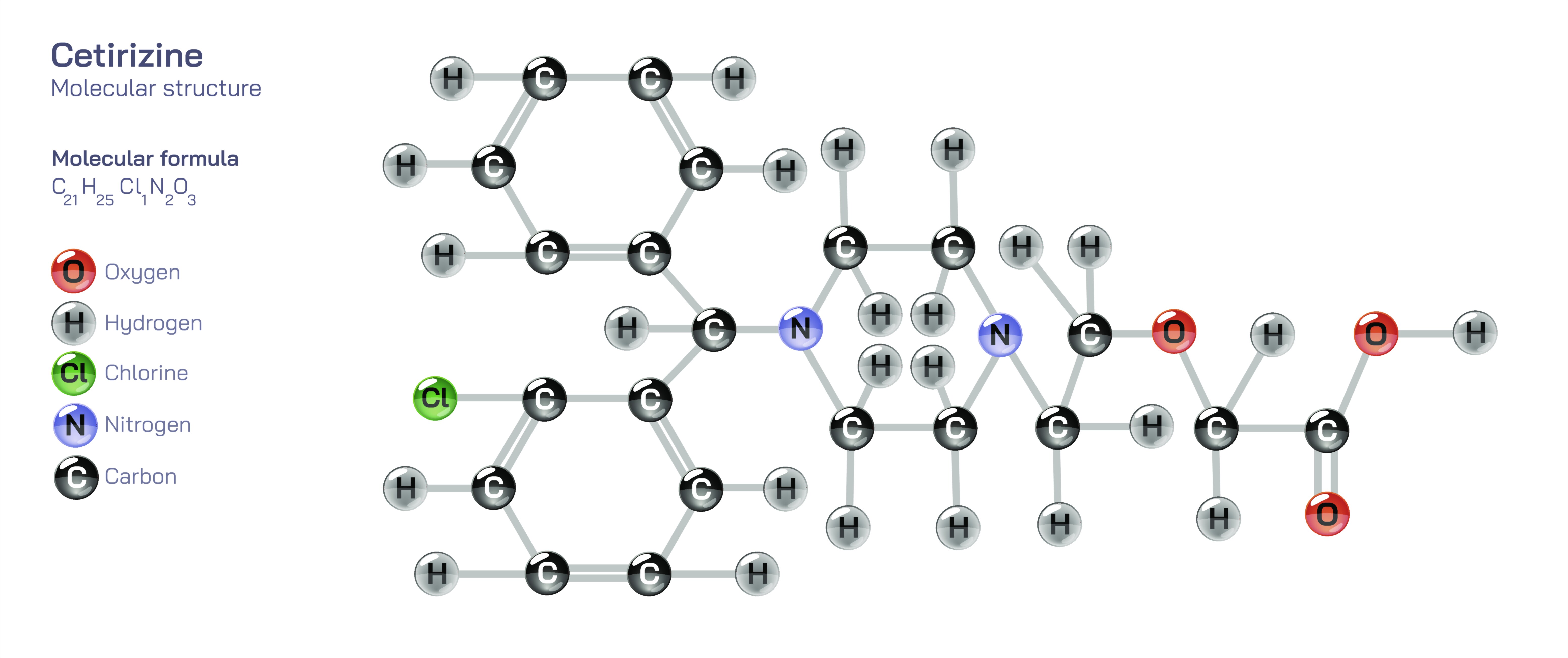
Cetirizine — Antihistamine Medical Compound Vector Illustration
Cetirizine vector illustration showing molecular structure and chemical composition of the antihistamine drug for medical and pharmaceutical education.
Summary
Related Images
File Details
File Type
-
EPS
File Size
-
15.19 MB
File Dimension
-
Scalable vector file
Your contribution helps us create more resources, but please support only if it's comfortable and affordable for you.❤️️
