Understanding the Molecular Nature of Aceclofenac
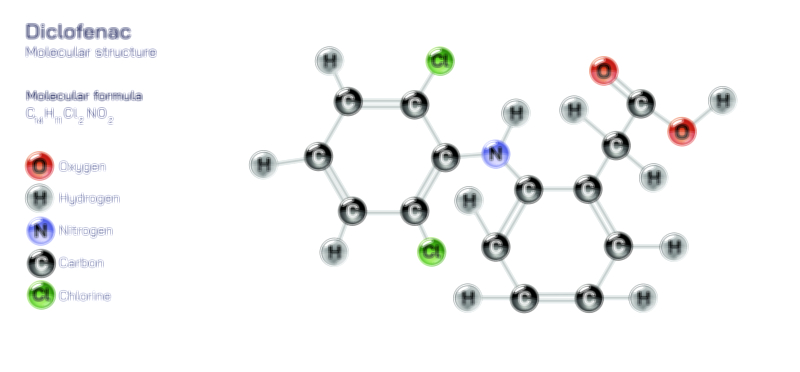
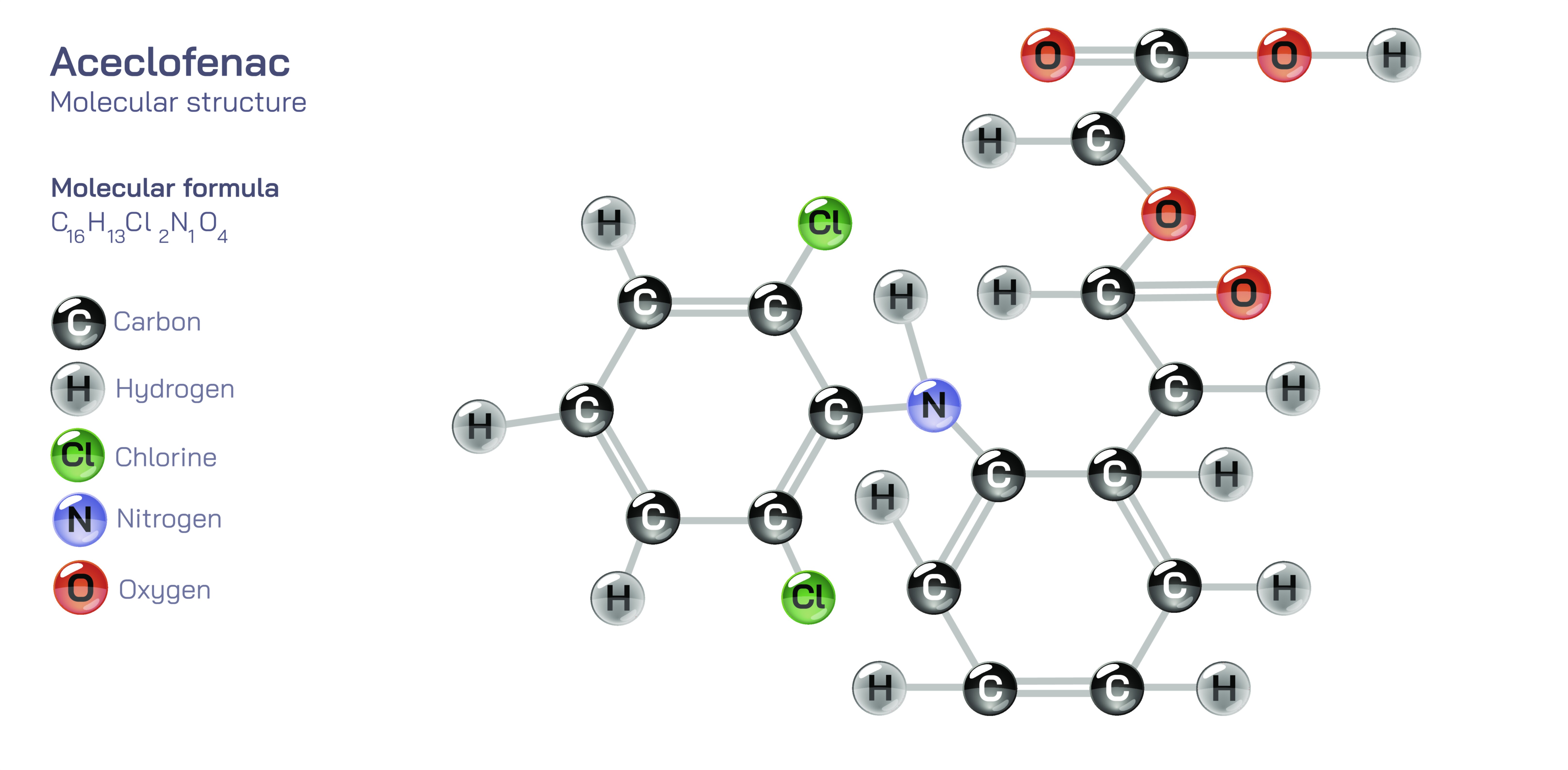
Aceclofenac is a widely used non-steroidal anti-inflammatory drug known for its therapeutic action in reducing pain and inflammation associated with conditions such as arthritis, muscle injuries, and various degenerative joint disorders. At its core, the aceclofenac molecule represents a carefully designed chemical structure engineered to optimize anti-inflammatory effectiveness while minimizing gastrointestinal discomfort often associated with other drugs in the same class. The molecular identity of aceclofenac is derived from diclofenac, a well-known NSAID, but with a strategic modification: the addition of an ester group that improves its pharmacokinetic profile and enhances its safety margin. This modification changes its behavior inside the human body, allowing gradual release and metabolism that contribute to a longer-lasting therapeutic effect. The structure of aceclofenac consists of aromatic rings, chlorine substituents, and ester linkages that work together to create a molecule capable of interacting efficiently with inflammatory pathways. These structural features influence solubility, protein binding, absorption, and the way the molecule fits into the enzymatic sites where it exerts its pharmacological effects.
Chemical Structure and Its Functional Significance
The chemical structure of aceclofenac includes two chlorine atoms positioned on an aromatic ring, providing electron-withdrawing properties that enhance the molecule’s stability and influence its interactions with biological targets. The presence of these chlorine atoms also contributes to the drug’s lipophilicity, allowing it to pass through cellular membranes more effectively. The ester linkage that distinguishes aceclofenac from its parent compound is a vital part of its pharmacological identity, as this bond undergoes controlled hydrolysis within the body, converting the drug into active metabolites over time. This gradual transformation is essential for maintaining consistent drug levels in the bloodstream and ensuring sustained anti-inflammatory activity. The chemical structure is also responsible for aceclofenac’s strong affinity for plasma proteins, causing it to remain in the circulatory system for prolonged periods and enhancing its therapeutic duration. By understanding these molecular features, one gains insight into how the drug’s chemical design translates into real-world therapeutic benefits.
Mechanism of Action and Pharmacodynamics
Aceclofenac functions primarily through the inhibition of cyclooxygenase enzymes, specifically COX-2, which play a significant role in the production of prostaglandins responsible for inflammation, swelling, and pain. Unlike some other NSAIDs, aceclofenac shows a preferential inhibition of COX-2 over COX-1, allowing it to reduce inflammatory responses without excessively disrupting protective prostaglandins in the stomach lining. This selectivity is not absolute but is enhanced compared to older anti-inflammatory agents, contributing to a more favorable safety profile. Once aceclofenac enters the body, its metabolites also play a key role in maintaining anti-inflammatory action. These metabolites continue interacting with COX enzymes, extending the drug’s pharmacodynamic effects. The molecule's ability to modulate inflammatory mediators results in reduced joint stiffness, improved mobility, and decreased pain levels, making it particularly useful for chronic conditions that require ongoing management. Its effectiveness stems from its capacity to interrupt inflammatory biochemical pathways at multiple stages, rather than only blocking the final result of inflammation.
Pharmacokinetics and Therapeutic Behavior in the Body
The pharmacokinetic properties of aceclofenac highlight its suitability for long-term therapeutic use. When administered orally, it is rapidly absorbed through the gastrointestinal tract, with high bioavailability that ensures effective drug levels reach systemic circulation. The strong protein-binding characteristic of aceclofenac means that the majority of the drug remains attached to plasma proteins, circulating for extended periods and gradually releasing into tissues where inflammation is present. Its distribution allows the drug to accumulate in synovial fluid, the lubricating liquid within joints that often becomes inflamed during diseases such as osteoarthritis and rheumatoid arthritis. This targeted accumulation improves therapeutic outcomes by ensuring that drug concentrations remain highest where they are most needed. The eventual metabolism of aceclofenac occurs primarily in the liver, with the ester linkage undergoing enzymatic cleavage to release active metabolites. These metabolites are then prepared for excretion, usually through the kidneys, completing the pharmacokinetic cycle.
Clinical Relevance and Illustration of Molecular Function
Illustrating the molecular structure and pharmacological action of aceclofenac often involves depicting its aromatic rings, chlorine substituents, and ester group in a visual format that highlights how these chemical components influence its behavior inside the body. Such illustrations help explain how the molecule interacts with COX enzymes, fits into their active sites, and inhibits the biochemical cascades responsible for inflammation. By visually mapping the connection between the molecule’s structure and its function, one can appreciate why aceclofenac produces therapeutic benefits with relatively fewer gastrointestinal side effects. Clinically, its molecular design supports long-term use for chronic inflammatory conditions, making it a preferred option for patients who require consistent pain relief but cannot tolerate harsher NSAIDs. The illustration of its pharmacological pathways can also demonstrate how the drug transitions from its initial form into active metabolites, ensuring sustained action. Through these visual and conceptual connections, the scientific principles behind aceclofenac’s structure and behavior become clearer, enhancing understanding of its place in modern therapeutic practice.