Electromagnetic Waves — Types, Properties, and Spectrum Explained
Understanding the Nature and Origin of Electromagnetic Waves
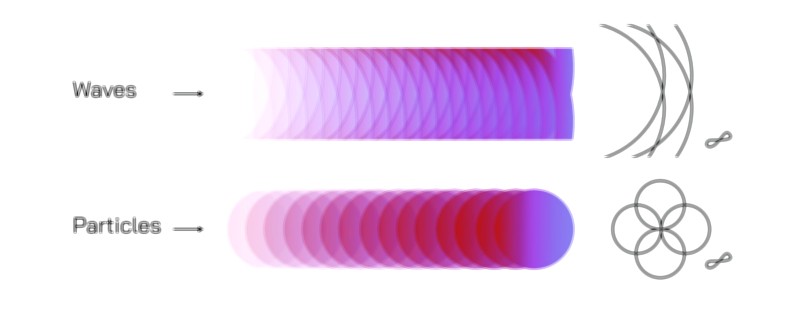
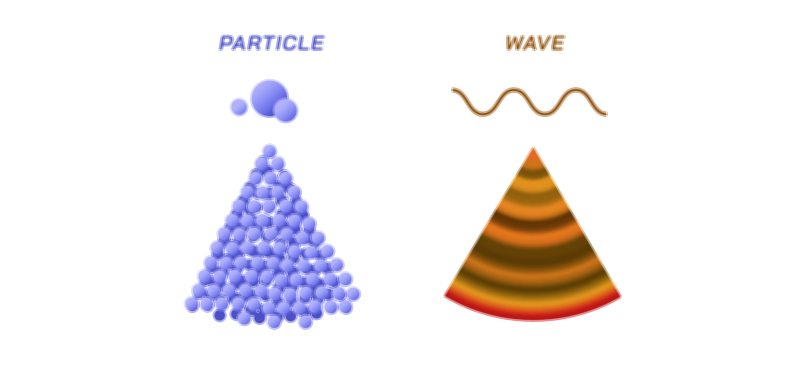
Electromagnetic waves represent one of the most fundamental forms of energy in the universe, arising from the interplay between oscillating electric and magnetic fields that propagate through space. These waves do not require a physical medium; instead, they travel through the vacuum at the speed of light, carrying energy from one region to another in a manner that reflects both wave-like and particle-like behavior. This dual nature is described by classical electromagnetic theory as well as quantum physics, each offering its own perspective on how electromagnetic radiation works. At the core of their formation lies the principle that a changing electric field produces a magnetic field and vice versa. When charged particles accelerate or change direction, they disturb the electromagnetic field around them, generating ripples that move outward—these ripples are electromagnetic waves. Their characteristics depend on frequency and wavelength, with higher frequencies corresponding to greater energy. From the radio waves that deliver music and communication signals to the gamma rays emitted by distant stars, electromagnetic waves shape nearly every aspect of modern technology and natural physical processes.
The Electromagnetic Spectrum: A Continuous Range of Frequencies
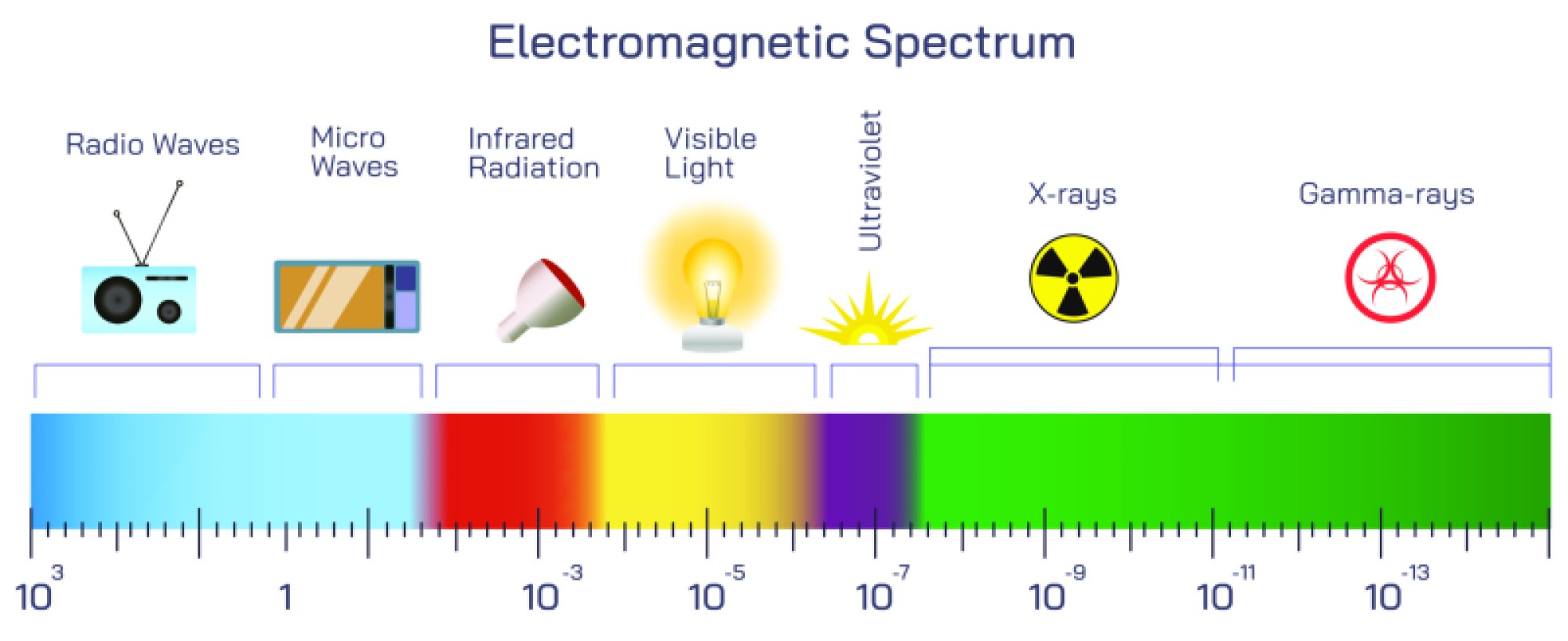
The electromagnetic spectrum encompasses the entire range of electromagnetic waves, classified according to their wavelengths and frequencies. At the longest wavelengths lie radio waves, which can stretch for kilometers and carry signals across continents, making them essential for broadcasting, navigation, radar, and wireless communication. Slightly higher in frequency are microwaves, known for their use in cooking, satellite transmission, and radar-based systems. Beyond microwaves lies the infrared region, which radiates heat energy and plays a critical role in thermal imaging, climate studies, and remote sensing. Visible light occupies only a narrow portion of the spectrum, representing the range that human eyes can detect. Yet this small band contains the full richness of colors from violet to red, each corresponding to a different wavelength. Beyond visible light lies ultraviolet radiation, a region with higher energy capable of causing chemical changes in biological tissues and contributing to processes such as sterilization or fluorescence. Moving further upward in frequency brings us to X-rays, valuable in medical imaging due to their ability to pass through soft tissue while interacting strongly with denser materials. Finally, at the extreme high-energy end lie gamma rays, emitted by radioactive materials, nuclear reactions, and cosmic events, carrying immense energy capable of penetrating nearly all forms of matter. Together, these categories represent a continuous spectrum of wave behavior and energy transfer, reflecting the vast range of electromagnetic phenomena that permeate the universe.
Properties and Behavior of Electromagnetic Waves
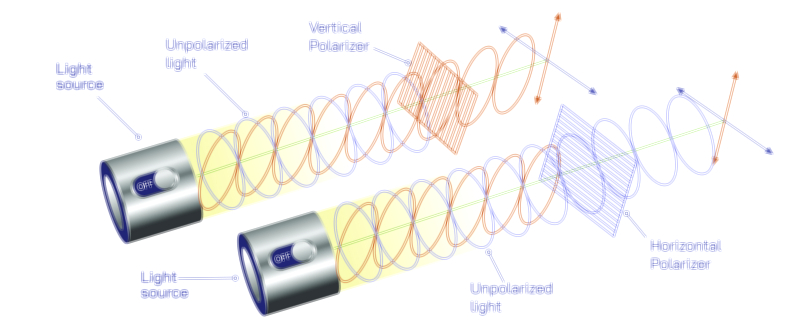
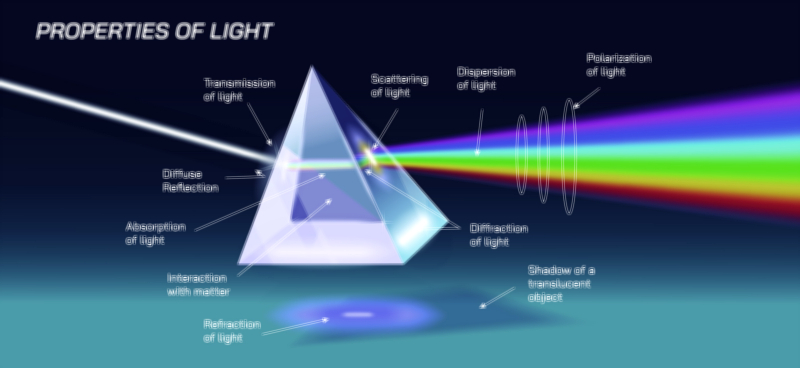
Electromagnetic waves exhibit a distinct set of properties that govern how they travel, interact, and affect their surroundings. First and foremost, they travel at the speed of light in a vacuum—approximately 300,000 kilometers per second—an invariant speed that plays a central role in modern physics. They can propagate through solid materials, liquids, gases, and even empty space, making them uniquely versatile among all known wave types. Each electromagnetic wave consists of perpendicular oscillating electric and magnetic fields, aligned in such a way that their combined energy advances outward as a self-sustaining wave. These waves can reflect off surfaces, refract when passing through different media, diffract around obstacles, and interfere with one another when their pathways intersect. Their wavelength and frequency determine their behavior: long-wavelength waves like radio waves diffract easily and travel great distances, while short-wavelength waves like UV, X-rays, and gamma rays carry enough energy to ionize atoms or penetrate dense matter. Polarization—the orientation of the electric field—further distinguishes electromagnetic waves and allows them to be manipulated using optical devices such as filters, lenses, and antennas. These properties not only define the scientific understanding of electromagnetic radiation but also enable countless technologies to exist.
Interactions of Electromagnetic Waves with Matter
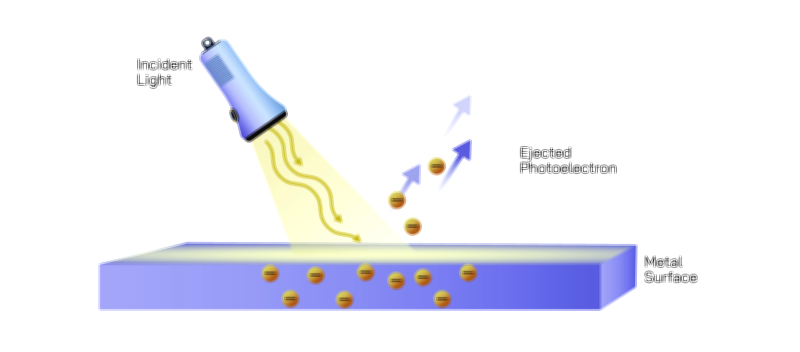
When electromagnetic waves encounter matter, their interactions depend on wave energy, frequency, and the physical structure of the material. Low-frequency waves such as radio and microwaves primarily interact with materials through induced currents or molecular vibrations, which is why microwaves heat water-rich foods by exciting water molecules. Infrared waves, closely associated with heat, tend to be absorbed efficiently by materials that vibrate at frequencies matching the incoming radiation. Visible light interacts with matter in ways that give rise to color perception, transparency, and reflection, as objects absorb specific wavelengths and reflect others. Ultraviolet radiation carries enough energy to excite electrons into higher states or even break molecular bonds, explaining why prolonged exposure can damage skin cells or cause fluorescence. X-rays and gamma rays interact at the atomic level, capable of ejecting tightly bound electrons and penetrating deeply into matter. These interactions underpin many forms of imaging, analysis, and detection, as well as biological effects such as DNA mutation or cancer therapy. Across the spectrum, the interaction between electromagnetic radiation and matter reveals the astonishing complexity of how energy moves through the physical world, shaping everything from astronomy to chemistry to medicine.
Technological and Scientific Applications Across the Spectrum
The applications of electromagnetic waves span nearly every scientific discipline, industry, and aspect of modern life. Radio waves power communication systems, including radio broadcasting, Wi-Fi, GPS, and mobile networks. Microwaves enable radar, satellite transmission, and everyday cooking appliances. Infrared waves support night-vision equipment, thermal imaging, and remote sensing used in weather forecasting and environmental monitoring. Visible light technologies include optical fibers, lasers, photography, and illumination systems that range from LEDs to high-powered laser cutters. Ultraviolet radiation is used in sterilization, forensic analysis, lithography for semiconductor manufacturing, and biological research. X-rays revolutionized medical imaging and are further used in security scanning, crystallography, and materials science. Gamma rays, despite their dangers, provide critical tools for cancer treatment, radioactive tracing, and astrophysical observation. Beyond practical uses, electromagnetic waves are essential for scientific exploration, allowing astronomers to study distant galaxies, measure cosmic background radiation, and map the structure of the universe. Each region of the electromagnetic spectrum contributes uniquely to understanding the natural world and advancing human technology.
Illustrating the Spectrum and Wave Behavior
Illustrations of electromagnetic waves typically depict a continuous spectrum stretching from long-wavelength radio waves to high-energy gamma rays, emphasizing the dramatic differences in scale, frequency, and energy. Diagrams often show the oscillating electric and magnetic fields traveling perpendicular to each other and to the direction of wave propagation. Additional illustrations may highlight how each type of electromagnetic wave interacts with matter—for example, showing radio waves bending around mountains or X-rays penetrating tissue. Color-coded charts often map the spectrum to applications, demonstrating how different wavelengths align with specific technologies or scientific fields. Through these visual representations, the invisible becomes understandable, revealing the profound complexity and elegance of electromagnetic radiation that surrounds and supports nearly all modern scientific and technological achievements.