How Radar Works: Principle, Signal Reflection, and Object Detection Explained
Radar is a technological system that allows distant objects to be detected, located, and tracked using electromagnetic waves, and although it is widely associated with air traffic control, maritime navigation, and military surveillance, its operating principle is deeply rooted in simple physics. The word “radar” originates from “Radio Detection and Ranging,” capturing the essence of what the system does: it sends out radio waves, waits for them to bounce off a target, and then uses the returning signal to determine the object’s position, motion, and sometimes even its shape and material properties. At the heart of radar lies an elegant cause-and-effect sequence: a transmitter emits a pulse of electromagnetic energy, the wave travels through space at the speed of light, it strikes an object and reflects, and that reflected energy returns to the receiver. From the tiny fraction of energy that makes the round trip back, the radar is able to extract a wealth of information about what is out there, even in conditions where human senses and optical devices fail. This ability to reveal objects obscured by darkness, clouds, fog, smoke, and distance is what has made radar indispensable in modern technology and safety.
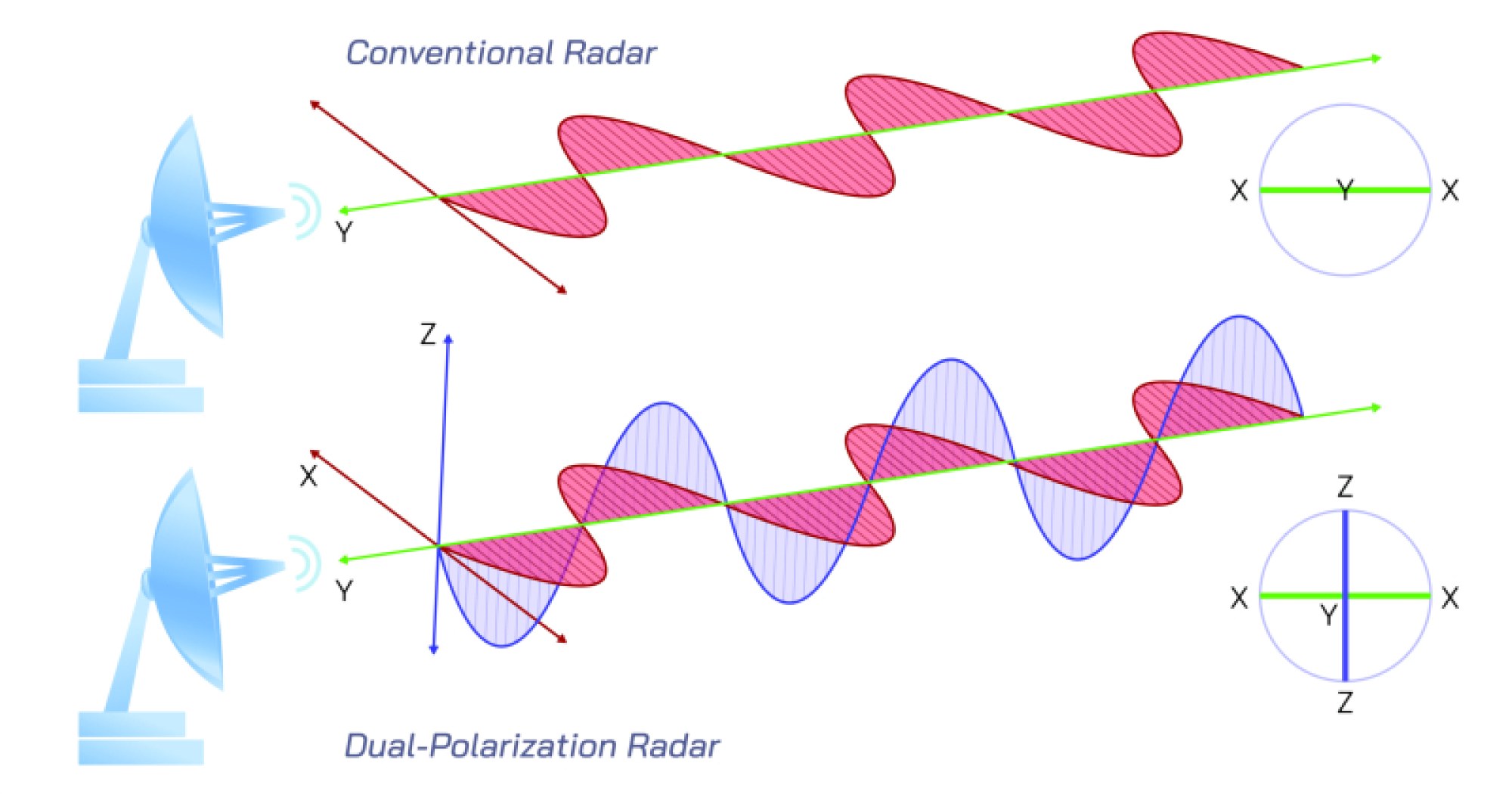
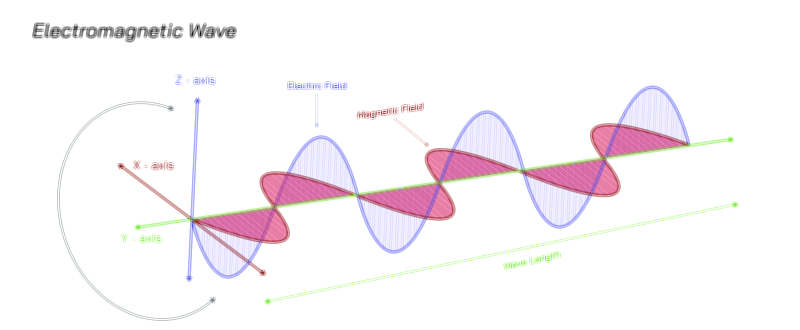
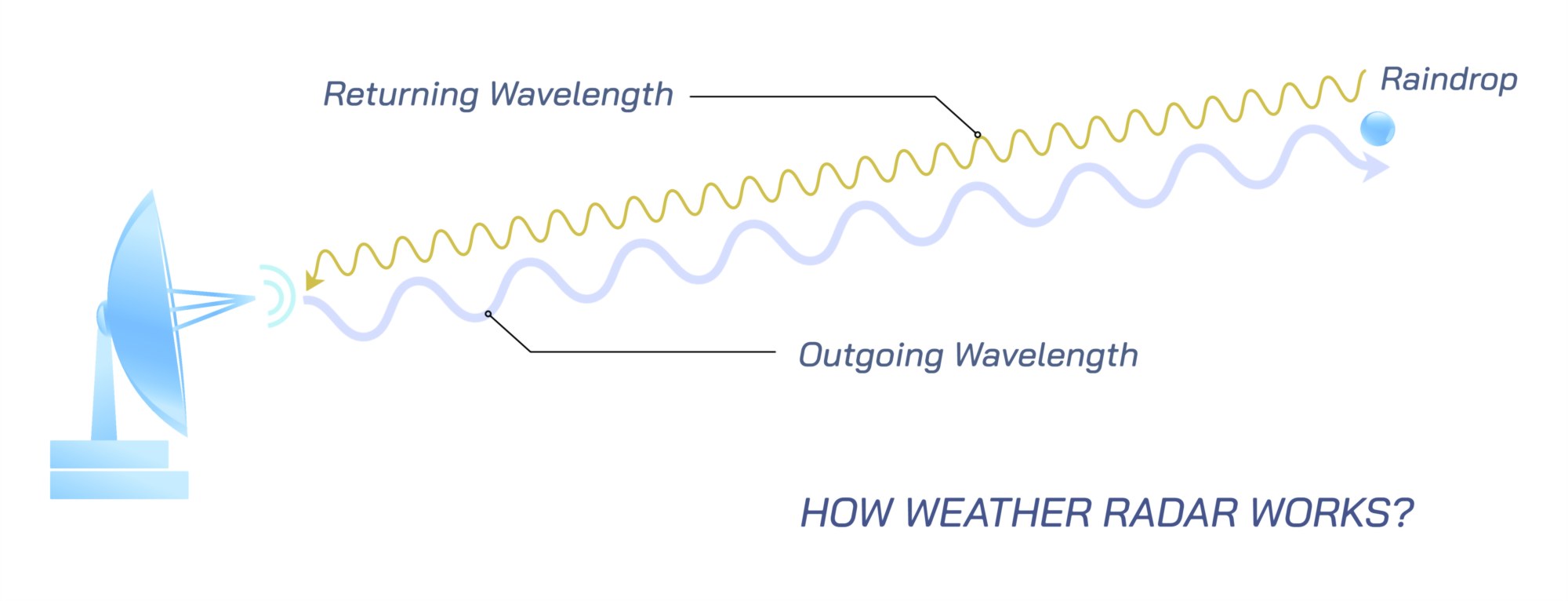
The operation of radar begins with the transmitter, which generates high-frequency electromagnetic waves, typically in the microwave portion of the spectrum. These waves pass into a device called an antenna, which launches them outward in a focused beam. Instead of spreading equally in all directions, the antenna shapes the energy so that it scans a specific volume of space, maximizing the range and accuracy of detection. Once the radar pulse has been transmitted, the system goes silent momentarily, listening for returning energy. If the pulse meets no obstacle, it continues traveling until it dissipates. If the pulse encounters an object — such as an aircraft, a ship, a mountain, a car, a bird, or even raindrops — a portion of the wave is scattered in different directions. A small but measurable part of that scattered energy reflects directly back toward the radar and is captured by the receiving antenna. The time between transmission and reception is a crucial parameter, because electromagnetic waves travel at a known velocity, the speed of light. Therefore, the distance to the target can be calculated by multiplying the travel time by that speed and dividing by two, since the signal makes a round trip. In this way, radar converts time into distance with extraordinary precision.
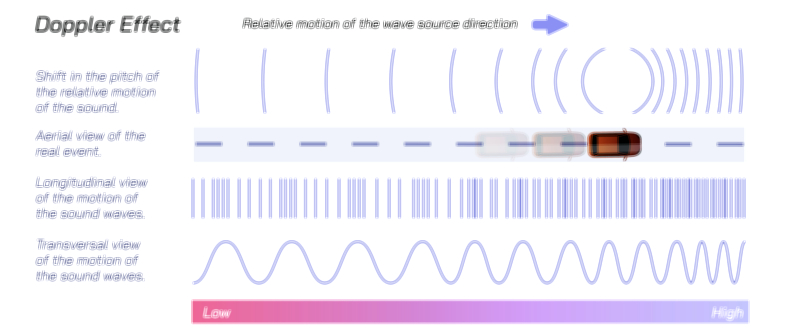
Detecting objects is only the beginning; radar also determines direction and motion. The direction of a target is found from the orientation of the antenna at the moment the returning signal is received, which explains why many radar systems rotate continuously: they sweep their beam around the horizon and record where reflections originate. Modern electronically scanned array radars achieve the same effect without moving parts by steering beams electronically, allowing rapid scanning of the sky or terrain. Motion detection emerges from another physical principle: the Doppler effect, which describes how the frequency of a wave changes when the source or the observer is moving. If an object is approaching the radar, the returning signal has a slightly higher frequency; if it is receding, the returning signal is slightly lower. By measuring this frequency shift, radar determines target velocity with remarkable accuracy. This allows the system not only to locate an object but also to track its trajectory and predict its future position. The Doppler effect also enables the radar to distinguish moving targets from stationary backgrounds, making it possible to detect aircraft in the sky even when surrounded by mountains or other terrain that would otherwise clutter the image.
In practical operation, radar faces a significant challenge: the world is full of objects that reflect electromagnetic waves. If every returning signal were treated equally, the radar screen would be overwhelmed with information, much of it irrelevant. Instead, sophisticated algorithms, filtering circuits, and signal-processing techniques differentiate meaningful reflections from background noise. For example, ground-based radar systems eliminate static reflections from buildings and hills to focus on moving aircraft. Weather radar amplifies the reflections caused by water droplets and ice crystals, mapping storms and rainfall patterns. Marine radar filters out small waves but keeps strong reflections from ships and coastlines to aid navigation. Airborne automotive radars used in collision-avoidance systems suppress static environmental reflections so they can focus on vehicles and pedestrians. Across all these applications, the principle remains the same — radar identifies what matters by interpreting the properties of the returning signals rather than treating all echoes equally.
Different radar systems are tuned to their tasks by adjusting frequency, pulse duration, power, and antenna design. Long-wavelength radar waves travel great distances and can detect large objects such as aircraft and ships, even through rain and clouds. Short-wavelength radar waves reveal fine details, enabling imaging radar used in mapping, terrain scanning, and synthetic aperture radar, which produces high-resolution images of the ground from aircraft and satellites regardless of weather or lighting. Continuous-wave radar emits a steady stream of energy and excels at measuring speed, whereas pulsed radar sends intermittent bursts and is well suited for measuring long-range distance. Weather radars work at frequencies optimized to interact with raindrops and ice crystals, making them able to distinguish precipitation intensity and type. Automotive radars are compact and lower in power but highly responsive, allowing split-second collision warning, adaptive cruise control, and blind-spot monitoring. The variety of radar systems stems from the flexibility of the underlying principle — by adjusting how waves are transmitted and interpreted, radar can reveal almost anything in its path.
Beyond the core physics and engineering, radar holds tremendous practical importance in safety and navigation. Air traffic control depends on radar to track thousands of aircraft simultaneously, ensuring that each maintains safe spacing. Ships rely on radar to navigate busy ports and fog-shrouded seas, detecting other vessels and avoiding collisions. Meteorologists use radar to forecast storms, track tornadoes and hurricanes, and monitor rainfall in real time. Law-enforcement agencies use Doppler radar to measure vehicle speeds. Astronomers use radar to map surface features of planets and track near-Earth asteroids. Even space missions use radar signals bounced off distant spacecraft to determine their distance and orientation with extreme precision. On a smaller scale, imaging and motion-sensing radars enable automatic doors, gesture-recognition technology, and medical monitoring systems capable of measuring breathing and heart rate without contact. The ubiquity of radar in modern life is a reflection of how effectively it converts invisible electromagnetic reflections into actionable information.
What makes radar especially profound is that it demonstrates how the laws of physics can be turned into tools for perception beyond human sensory limits. Humans perceive the world primarily through visible light and sound, but radar extends awareness into a domain where darkness, distance, and atmospheric conditions do not matter. It turns radio waves — invisible and intangible to human senses — into a map of objects in space. It does this not through artificial intelligence or intuition but through the simple fact that the echo of a wave carries a fingerprint of the object it bounced from. Each reflection encodes distance, direction, speed, and sometimes even shape or material. Through refined designs and decades of innovation, radar transforms these echoes into clear and useful representations of reality.
Ultimately, understanding how radar works requires recognizing the elegance of its operating cycle. A system sends out energy, waits for that energy to come back, and interprets the returning signal to extract information about the environment. From this rhythmic exchange — transmit, reflect, receive, analyze — emerges an unmatched ability to see through darkness, weather, and distance. Radar is not merely a tool of detection; it represents the human ability to use the physical properties of the universe to extend perception, increase safety, and explore the world. Through signal reflection and object detection, radar turns the geometry of electromagnetic waves into knowledge — a transformation that has shaped modern transportation, science, communication, and discovery.