Photoelectric Effect — Definition, Explanation, and Applications
Understanding the Fundamental Concept of the Photoelectric Effect
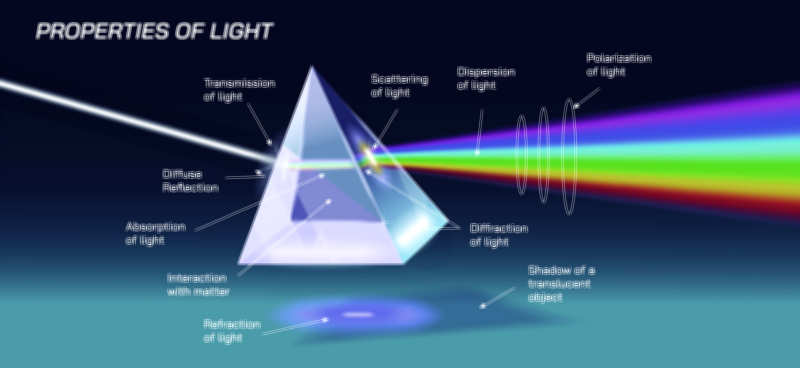
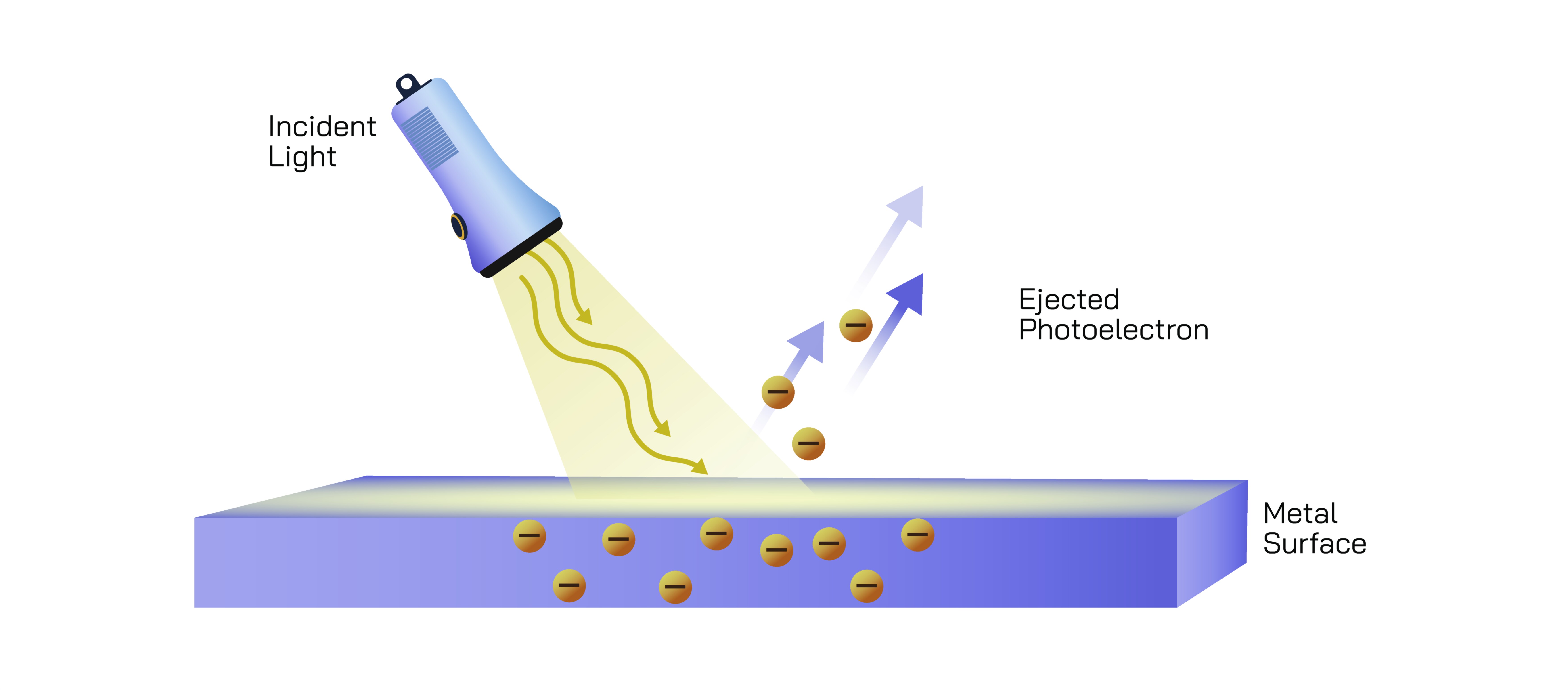
The photoelectric effect refers to the phenomenon in which electrons are ejected from the surface of a material—typically a metal—when it is exposed to light of sufficient frequency. Although simple in description, this effect transformed the course of physics by revealing the particle-like behavior of light and demonstrating that electromagnetic radiation interacts with matter in discrete energy packets. Traditional wave theories of light could not explain why increasing light intensity did not always lead to the release of electrons or why electrons were instantly emitted when exposed to certain frequencies of light. The breakthrough came with Albert Einstein’s interpretation, which proposed that light consists of photons—quantized packets of energy—and that the energy of each photon depends solely on its frequency, not its brightness. When a photon strikes a metal surface, it transfers its energy to an electron. If this energy exceeds the metal’s work function—the minimum energy required to liberate an electron—then the electron is emitted. This elegant explanation reconciled several inconsistencies in classical physics, ultimately earning Einstein the Nobel Prize and laying the foundation for quantum mechanics.
Mechanisms and Conditions Governing the Photoelectric Effect
The behavior of the photoelectric effect can be understood through the interaction of photons with the bound electrons inside a material. Metals contain a sea of free or loosely bound electrons that can absorb energy relatively easily. However, each material has a specific threshold frequency, below which no electrons are emitted regardless of how intense the light becomes. This observation defied classical predictions, which suggested that increased intensity should accumulate energy over time and eventually eject electrons. Instead, experiments showed that only light with frequency above the threshold—not intensity—could cause emission. Once a photon with sufficient energy strikes an electron, the electron absorbs all the energy from that photon. If the energy exceeds the work function, the excess energy is converted into the kinetic energy of the emitted electron. Higher frequencies correspond to higher-energy photons, which in turn produce electrons with greater kinetic energy. The instantaneous nature of emission further supports the idea that photon-electron interactions are single, quantized collisions rather than gradual accumulations of energy, reinforcing the quantum view of light.
Experimental Observations and the Birth of Quantum Physics
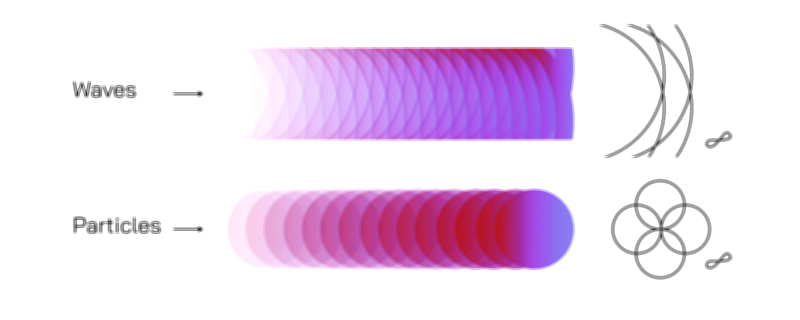
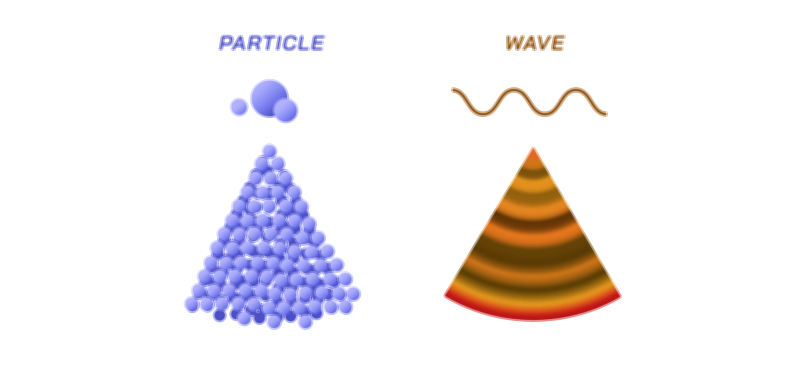
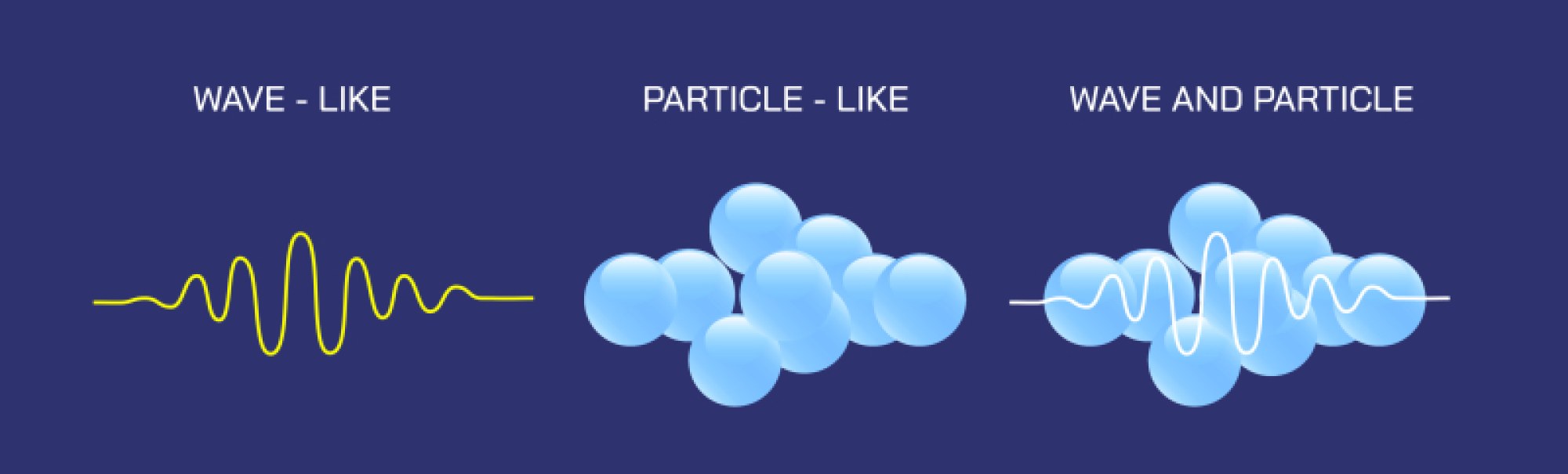
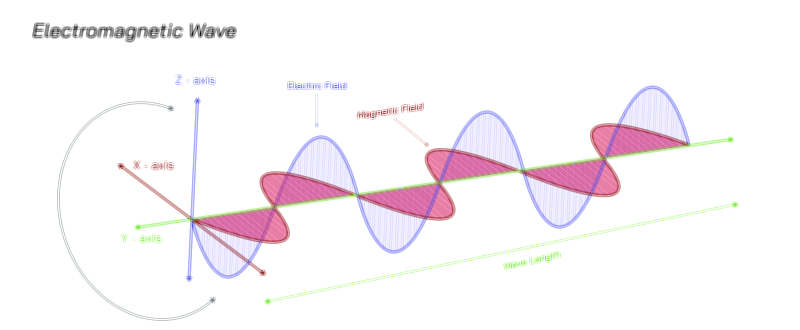
The early experimental exploration of the photoelectric effect challenged classical physics and catalyzed the development of quantum theory. Heinrich Hertz was the first to observe the effect in the late 19th century, noting that ultraviolet light enhanced the discharge of electrically charged objects. Later, Philipp Lenard made detailed measurements showing that the kinetic energy of emitted electrons depended solely on the frequency of light and not on its intensity. These observations contradicted Maxwell’s electromagnetic wave theory, which predicted that electron emission should depend primarily on light amplitude. Einstein’s photon hypothesis provided the missing explanation: light energy is quantized, and its interaction with matter occurs through discrete collisions. This explanation not only clarified the photoelectric effect but also established the dual wave-particle nature of light, confirming that electromagnetic radiation behaves both as a wave and as a stream of particles. The photoelectric effect became a pivotal moment in modern physics, offering direct experimental evidence for quantum behavior and fundamentally altering our understanding of energy and matter.
Technological Applications and Practical Uses of the Photoelectric Effect
The photoelectric effect is far more than a theoretical milestone; it powers many practical technologies used daily in scientific, industrial, and consumer applications. In solar cells, for example, the photoelectric effect underlies the conversion of light energy into electrical energy. Photons striking semiconductor materials excite electrons into conduction bands, generating electric currents that power everything from homes to spacecraft. Photodetectors and photoelectric sensors also rely on this effect, detecting changes in light levels for use in automatic lighting, safety systems, motion detectors, and optical communication networks. In vacuum phototubes, electrons released through the photoelectric effect generate measurable currents, enabling accurate detection of very low light intensities in astronomy, nuclear science, and medical imaging. Even in devices such as charge-coupled devices (CCDs) used in digital cameras, the principle is indirectly connected to the quantized absorption of photons and their translation into electrical signals. Beyond modern electronics, the photoelectric effect plays a role in surface analysis techniques such as X-ray photoelectron spectroscopy (XPS), which measures the binding energies of electrons to determine elemental composition and chemical states of materials with remarkable precision.
Impact on Modern Science and Broader Scientific Insights
The broader significance of the photoelectric effect extends well beyond its immediate applications. It established one of the earliest and most direct proofs that light possesses particle properties, which contributed to the formulation of quantum theory—one of the most successful and transformative models in all of science. The insights gained from studying the photoelectric effect shaped our understanding of atomic structure, energy quantization, electron behavior, and the fundamental interactions between light and matter. These principles underpin countless technologies, from lasers and semiconductors to optical fibers and quantum computing research. The effect also deepened our understanding of astrophysical processes, as similar principles govern the emission of electrons from cosmic dust, planetary surfaces, and interstellar materials when exposed to radiation. In both scientific theory and practical technology, the photoelectric effect remains a cornerstone for interpreting the microscopic world, proving that even seemingly simple observations can redefine entire fields of knowledge.