Aluminum Phosphate — Chemical Structure and Industrial Compound Illustration
Fundamental Identity and Molecular Nature of Aluminum Phosphate
Aluminum phosphate, commonly expressed by the formula AlPO₄, is a significant inorganic compound found both in natural mineral formations and in engineered industrial materials. Its structure is rooted in the combination of trivalent aluminum ions and tetrahedral phosphate groups, which together form a rigid and thermally stable framework that mirrors the architecture of silica-based minerals. In nature, aluminum phosphate occurs as the mineral berlinite, which closely resembles quartz in both appearance and lattice arrangement. This structural resemblance comes from the way aluminum and phosphorus alternate within a network of oxygen atoms, creating a strong three-dimensional lattice capable of withstanding pressures, heat, and chemical exposure. Unlike simple ionic salts, aluminum phosphate adopts a more covalent character due to the strong directional bonding between aluminum and phosphate units, resulting in a compound that is not easily dissolved in water and that maintains structural integrity even in harsh environments. Its chemical identity as an insoluble phosphate plays a central role in environmental chemistry, biomedical uses, and industrial manufacturing, giving aluminum phosphate a broad and lasting relevance across scientific fields.
Chemical Structure, Bonding Framework, and Crystalline Behavior
At the atomic level, aluminum phosphate displays a structural organization governed by the tetrahedral geometry of the phosphate group, PO₄³⁻, and the trivalent coordination tendencies of the aluminum ion. Each phosphorus atom bonds to four oxygen atoms in a tetrahedral arrangement, while aluminum ions occupy positions that allow them to coordinate with surrounding oxygen atoms in patterns similar to those seen in aluminosilicates. In berlinite, each aluminum is tetrahedrally coordinated, creating a network where AlO₄ and PO₄ tetrahedra alternate and connect at shared oxygen atoms. This arrangement results in a continuous, repeating lattice that mimics the quartz framework, giving the material high rigidity, minimal porosity, and resistance to deformation. The aluminum–oxygen and phosphorus–oxygen bonds both possess substantial covalent character, stabilizing the entire lattice and reducing ionic mobility. This contributes to the compound’s extremely low solubility in water and chemical inertness under most neutral environmental conditions. Variants of aluminum phosphate can form hydrate complexes or amorphous structures depending on preparation conditions, and these less-ordered forms exhibit different surface reactivity, allowing the compound to be tailored for specific pharmaceutical or industrial applications.
Physical Properties and Their Functional Implications
Aluminum phosphate presents itself as a colorless to white crystalline or powdery solid, notable for its exceptional thermal stability and resistance to chemical attack. Its melting behavior, mechanical hardness, and low expansion coefficients mirror those of quartz-like minerals, making it valuable in environments where stability under fluctuating temperature conditions is essential. Because of the strength and rigidity of the Al–O–P network, aluminum phosphate remains virtually insoluble in water and most organic solvents. Its density, hardness, and resistance to corrosion give it significant value in manufacturing refractory materials, ceramic components, and structural composites. In amorphous or hydrated forms, aluminum phosphate becomes more reactive and capable of interacting with ions, proteins, and biological molecules, making it suitable for pharmaceutical uses such as antacid formulations or vaccine adjuvants. This fine balance between crystalline rigidity and tunable reactivity enables aluminum phosphate to exist in multiple forms across industrial and biomedical sectors, each optimized to perform specific functional roles with precision.
Chemical Reactivity, Transformation Pathways, and Functional Behavior
Although aluminum phosphate is relatively inert in its crystalline form, it displays controlled reactivity under conditions that promote ion exchange, dissolution, or structural rearrangement. In acidic environments, it gradually dissolves to release phosphate ions, forming aluminum-containing species that vary depending on pH and solubility equilibria. In basic environments, the phosphate component reacts to form aluminates and other complex ions that participate in environmental buffering systems. This responsiveness becomes important in soil chemistry, where aluminum phosphate influences the availability of phosphorus—a crucial nutrient for plant growth. In industrial processes, aluminum phosphate may undergo thermal treatment to form dense ceramic materials, or it may participate in cross-linking reactions when combined with other inorganic binders. In pharmaceuticals, amorphous aluminum phosphate acts as a controlled-release agent, binding acidic species or facilitating slow ion exchange in digestive environments. Its ability to adsorb proteins, antigens, and biomolecules also underpins its extensive use as a vaccine adjuvant, where it enhances immune response by presenting antigens in a stable, accessible form. These varying reaction pathways demonstrate how aluminum phosphate’s reactivity can shift dramatically depending on its structural state and environmental conditions.
Industrial, Environmental, and Biomedical Applications
Aluminum phosphate’s industrial value extends across ceramics, refractories, catalysts, and engineered materials where durability and thermal resistance are essential. In ceramic production, it acts as a key binder and phase stabilizer, helping create high-strength components used in furnaces, kilns, and aerospace materials. Its quartz-like structure makes it suitable for specialty glasses, optical components, and materials that must resist thermal cycling. In catalysis, aluminum phosphate and its modified derivatives serve as active surfaces for acid-catalyzed reactions, especially in petroleum refining and organic synthesis. Environmentally, aluminum phosphate contributes to soil chemistry and water purification through phosphate sequestration and adsorption processes. Its biomedical uses are equally significant: aluminum phosphate is widely used as an antacid ingredient due to its capacity to neutralize gastric acid slowly without causing abrupt pH changes, and it is a cornerstone of modern vaccine technology, where its surface properties allow antigens to bind effectively and enhance immunological responses. This broad spectrum of applications highlights how a single inorganic compound can unify geological stability with biomedical sensitivity, making aluminum phosphate one of the most versatile inorganic materials in science and industry.
Illustrating the Structure, Function, and Behavior of Aluminum Phosphate
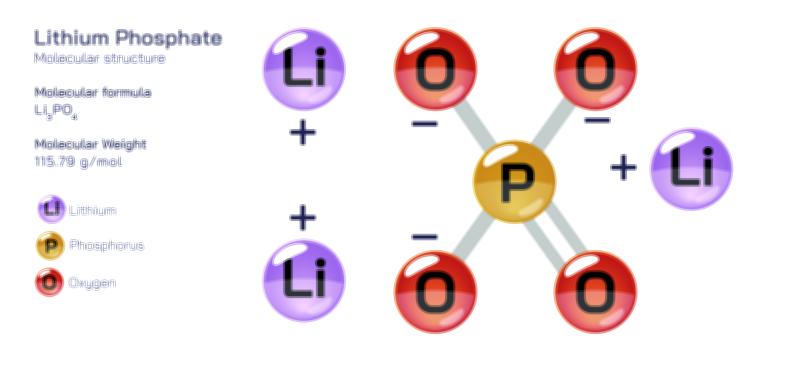
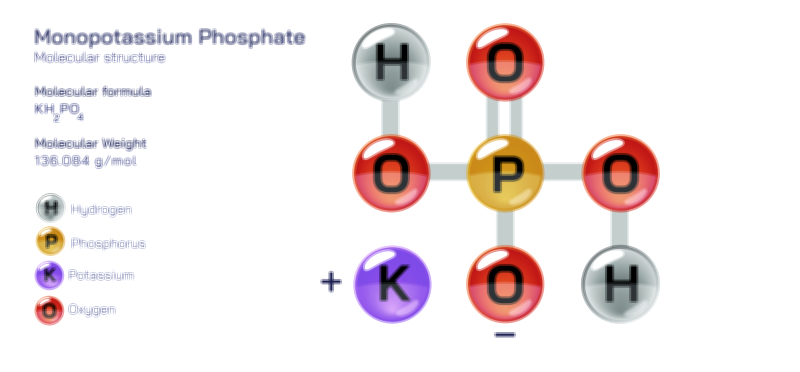
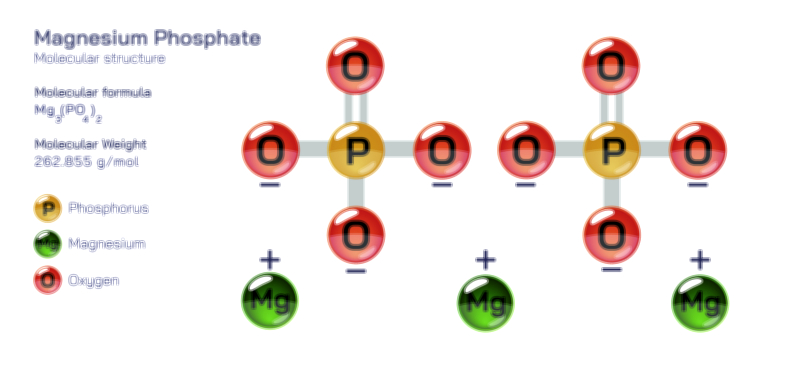
Scientific illustrations of aluminum phosphate commonly highlight its tetrahedral network, depicting alternating AlO₄ and PO₄ units joined through shared oxygen atoms. These diagrams often resemble quartz-structure visualizations, emphasizing the three-dimensional lattice that gives the compound its remarkable stability. Illustrations may also compare crystalline and amorphous forms, showing how structural order influences solubility, reactivity, and surface behavior. In industrial diagrams, aluminum phosphate may be shown as part of ceramic matrices, refractory layers, or catalyst surfaces, illustrating how the compound anchors or stabilizes other materials. Biomedical illustrations often depict protein adsorption onto aluminum phosphate particles, demonstrating its adjuvant function in vaccines. Through these layered visual representations, one can appreciate how the structural intricacies of aluminum phosphate translate into its widespread utility—from geological formations to cutting-edge medical science.