Understanding the Neuron as the Core Unit of the Brain
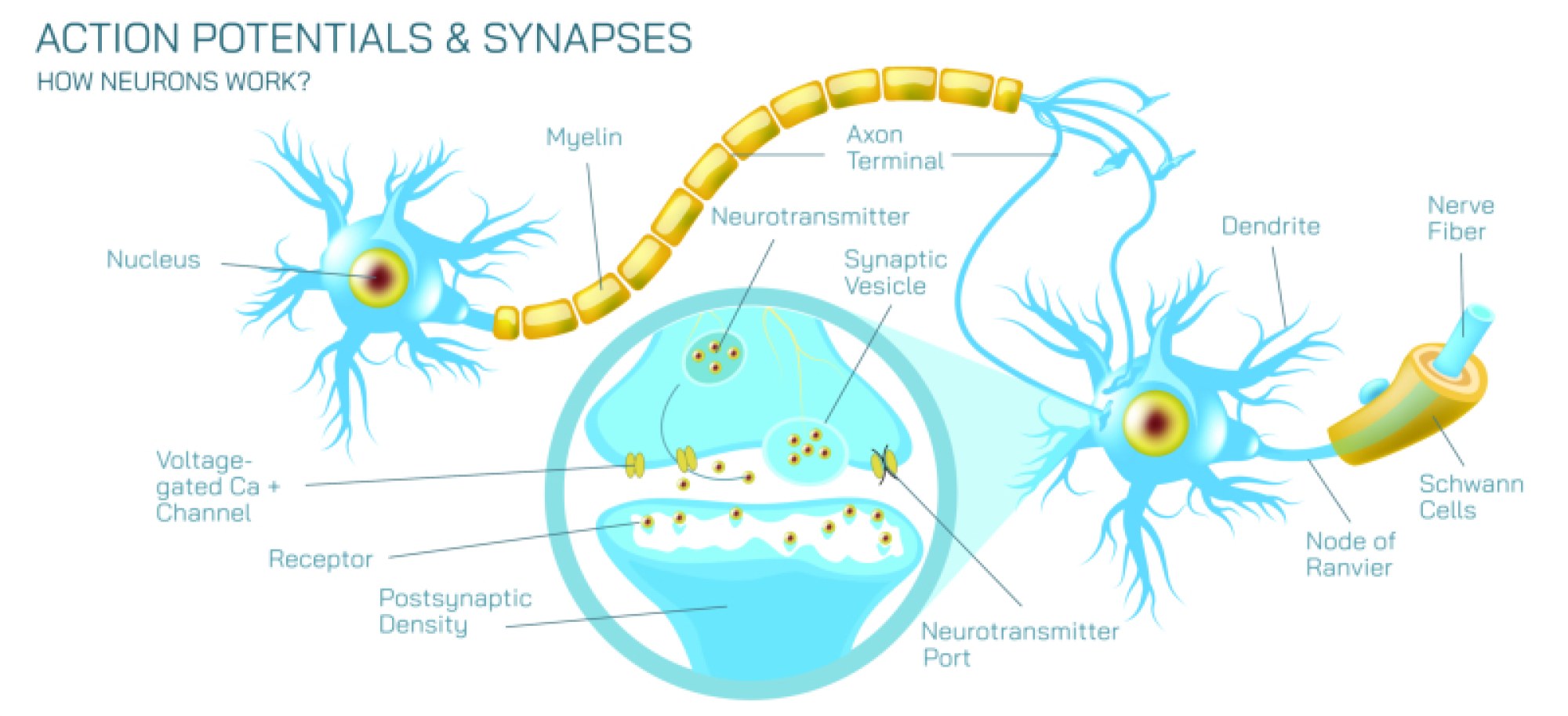
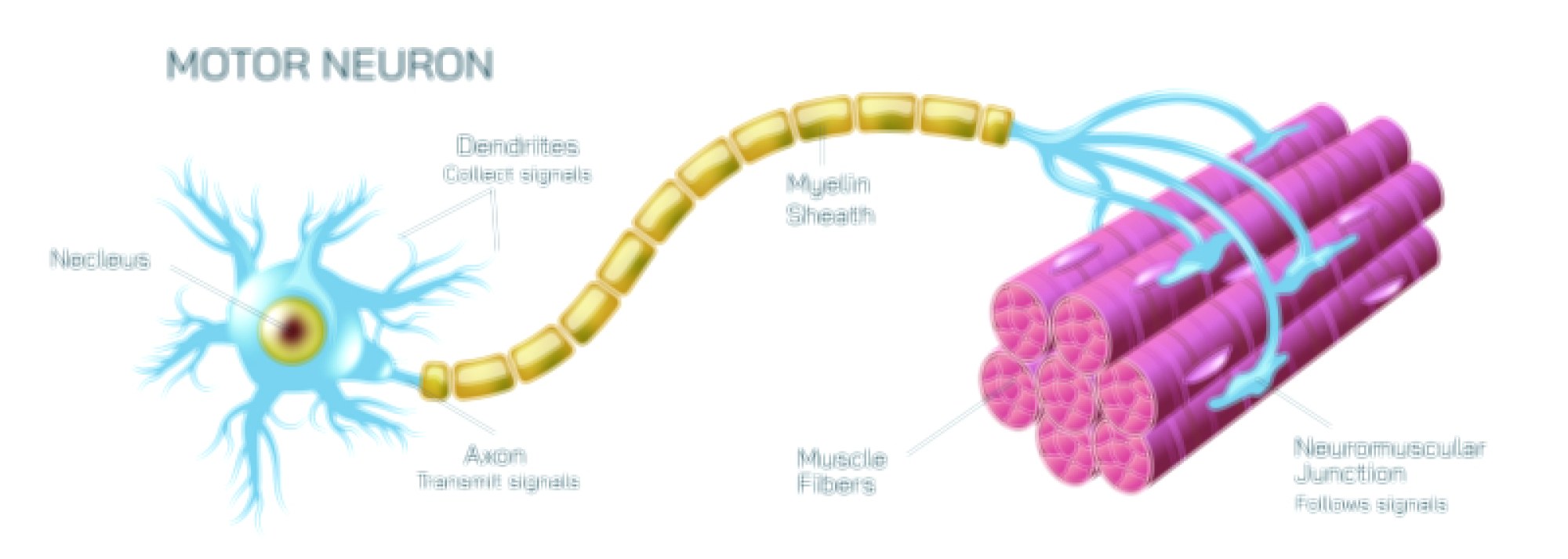
The human brain is built upon an intricate architecture composed of billions of neurons, each functioning as an independent processing unit capable of receiving, transmitting, and integrating information. A neuron is not merely a biological cell but a sophisticated communication hub that transforms electrochemical signals into meaningful patterns that contribute to thought, memory, perception, and action. Structurally, the neuron consists of dendrites, a cell body, and an axon, each contributing to the overall flow of information through neural pathways. Dendrites act as information receivers, capturing signals from surrounding neurons through specialized junctions known as synapses. These signals then pass into the soma, or cell body, where they are processed and integrated. If the cumulative signal reaches a certain threshold, the neuron generates an electrical impulse called an action potential, which travels along the axon toward its terminal branches. Here, neurotransmitters are released, enabling communication with the next neuron in the chain. This process, repeated billions of times per second across the brain, forms the foundation of human cognition and behavior.
Formation and Function of Neural Connections
What makes the brain remarkably powerful is not merely the number of neurons but the vast network of connections they create. Each neuron can form thousands of synapses, resulting in a dynamic neural web with trillions of communication points. These connections are not fixed; they strengthen, weaken, appear, and disappear based on experience, learning, and environmental interactions. This adaptability is known as neuroplasticity, the brain’s ability to reorganize itself by forming new neural links. As individuals acquire new skills or memories, synaptic pathways become more efficient, allowing information to flow faster and with greater precision. On the other hand, unused pathways gradually fade, conserving energy and refining cognitive efficiency. This constant remodeling makes the brain an ever-evolving network rather than a static structure. It also explains why learning continues throughout life, how habits form, and why recovery from injuries can sometimes be achieved through the re-routing of neural connections.
Neural Network Structure and Brain-Like Processing
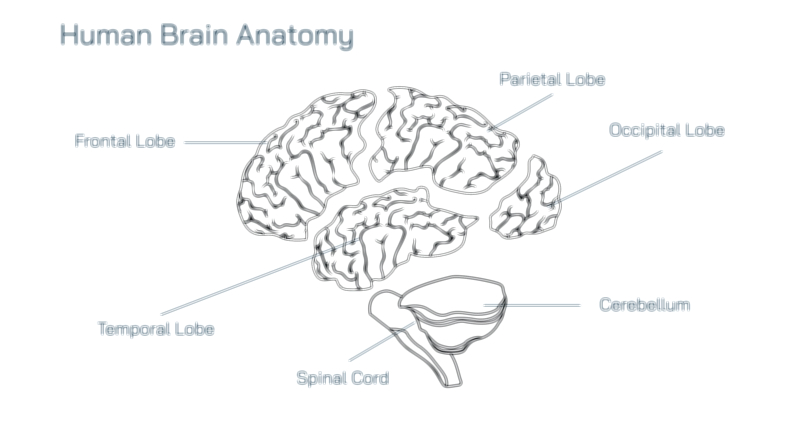
Neural network structure in the biological brain is far more complex than any artificial system created by humans, but the conceptual parallels help in understanding how cognition arises from interconnected units. In both biological and artificial neural networks, individual nodes (neurons) pass signals to one another, building layered systems of increasing complexity. In the brain, these layers do not exist as cleanly separated modules but function in overlapping and interconnected regions responsible for specific tasks such as vision, language, memory, and motor control. Each region communicates with multiple others, forming a cooperative and distributed computational landscape. For example, visual information processed in the occipital lobe does not remain isolated; it is shared with memory centers, emotional centers, and decision-making circuits to construct a complete experience. This interconnectedness ensures that thoughts, actions, and reactions are influenced by a combination of sensory input, memory, emotional state, and learned behavior. The neural network structure in the brain exemplifies how simple units, when densely interconnected, can perform complex tasks with remarkable speed and accuracy.
Illustrating Brain Networks and Their Functional Dynamics
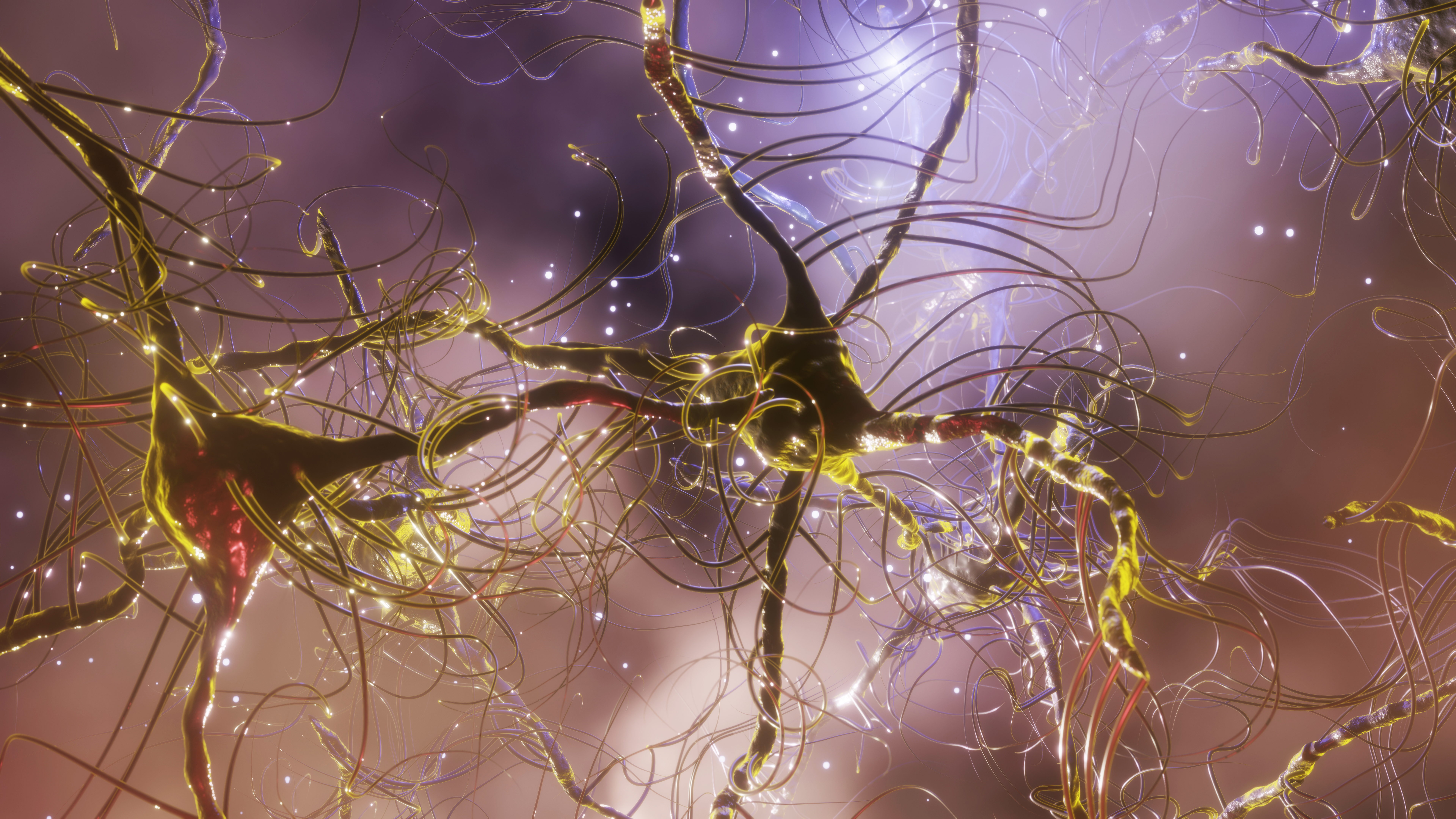
Illustrating neural network structures often involves depicting neurons as nodes connected by lines or pathways that represent synaptic links. Although simplified, these illustrations highlight the immense density and complexity of neural connectivity. They show how signals travel from neuron to neuron, forming streams of activity that resemble pathways on a map. When millions of these pathways operate simultaneously, they create patterns of synchronized firing that represent specific thoughts, motions, memories, or sensory impressions. These patterns constantly shift and evolve, mirroring the dynamic nature of human experience. A visual representation of this system typically emphasizes clusters of interconnected neurons forming circuits dedicated to particular functions. These circuits overlap and integrate, demonstrating that no part of the brain operates in isolation. The illustration often includes glowing synapses or branching pathways to highlight how signals move and how learning can physically reshape the structure of these pathways. By visualizing these connections, one can better appreciate how remarkably complex and elegant the brain’s architecture truly is.
The Interplay Between Biological and Artificial Neural Networks
The concept of neural networks in computing is directly inspired by the brain’s neuron and synapse structure. Artificial neural networks mimic the idea of interconnected nodes that adjust their output based on input signals and training data. While vastly simpler than biological networks, they borrow the principle of weighted connections, which reflect how synapses strengthen or weaken in real neurons. This has led to powerful advancements in machine learning, artificial intelligence, pattern recognition, and cognitive modeling. The difference, however, lies in flexibility and adaptability. Biological neurons operate with fluid electrochemical dynamics that allow for emotional influence, sensory integration, memory retrieval, and spontaneous creativity—features artificial networks cannot currently replicate. Yet, the parallel inspires deeper exploration into cognition, making the study of brain neuron connections not only crucial for neuroscience but also foundational to future AI technologies.